Filipino Heritage Month Celebrations Grow Across Major Global Destinations
Share
June 21, 2026
Updated Oct 16, 2026
8 min read
231 views
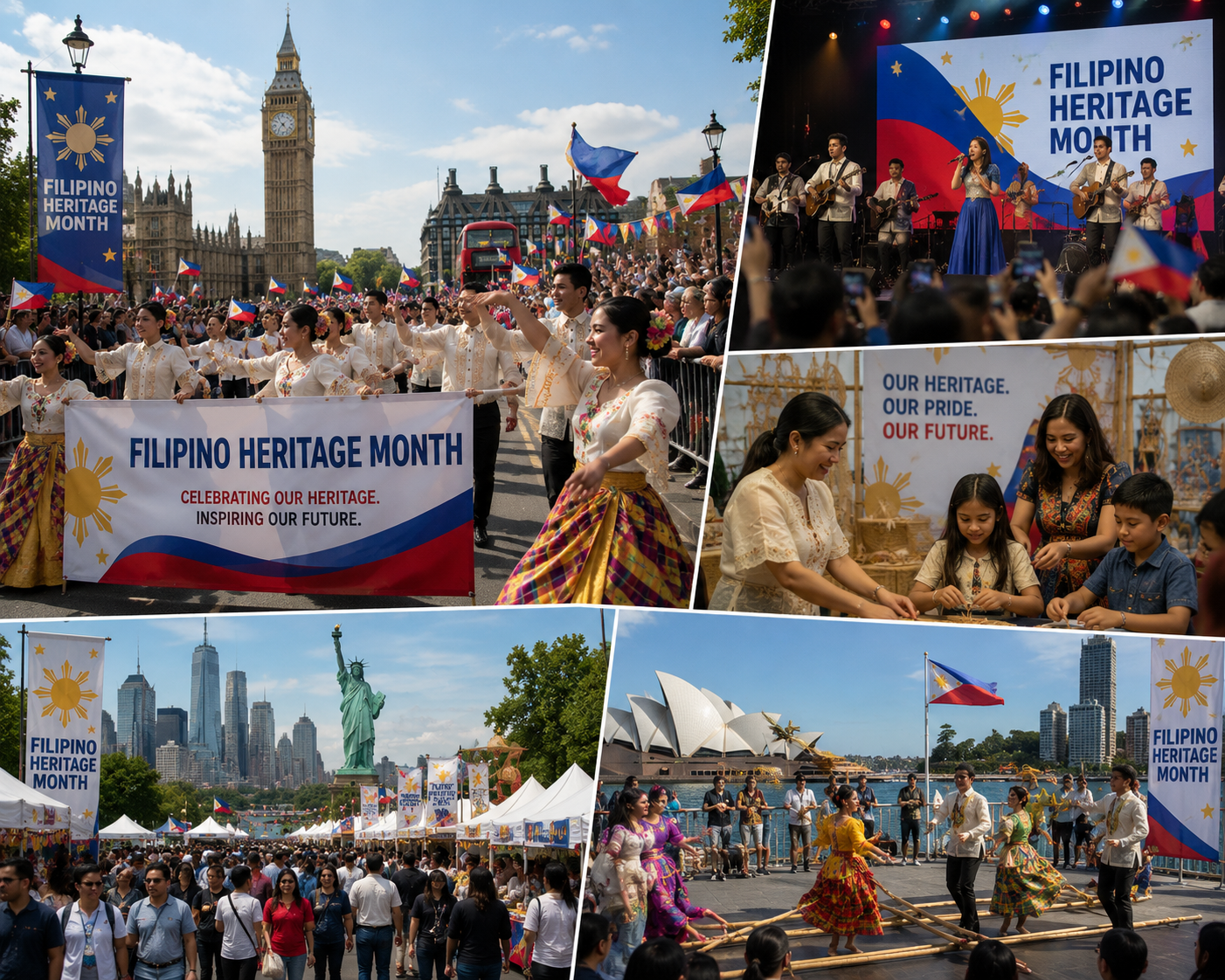
MANILA, Philippines — Filipino Heritage Month celebrations are experiencing remarkable growth across major global destinations as Filipino communities around the world continue to strengthen efforts to preserve, promote, and celebrate their cultural identity. From New York and Los Angeles to Toronto, London, Dubai, Sydney, Singapore, and other international cities with vibrant Filipino populations, Heritage Month events are attracting increasing participation from both Filipinos and non-Filipinos interested in learning about the traditions, achievements, and cultural richness of the Philippines. Community leaders describe the expansion of these celebrations as a reflection of the growing influence of Overseas Filipinos and the enduring importance of cultural heritage in a rapidly globalizing world.
Over the years, Filipino Heritage Month has evolved from a series of modest community gatherings into a significant international celebration of Philippine culture. What once served primarily as opportunities for Overseas Filipinos to reconnect with familiar traditions has now become large-scale cultural initiatives featuring festivals, educational programs, heritage exhibitions, culinary showcases, artistic performances, and community engagement activities. Organizers note that growing public interest in cultural diversity and authentic heritage experiences has contributed significantly to the expansion of these celebrations.
For many Overseas Filipinos, Heritage Month serves as an important reminder of their cultural roots and shared identity. Living and working abroad often requires balancing integration into new societies with maintaining meaningful connections to one's heritage. Heritage Month celebrations provide opportunities to strengthen those connections by bringing communities together around shared traditions, stories, and experiences. Community leaders emphasize that these events help reinforce cultural pride while creating spaces where heritage can be celebrated openly and meaningfully.
One of the key factors driving the growth of Heritage Month celebrations is the increasing participation of younger generations. Many second-generation and third-generation Filipinos living abroad are taking active roles as organizers, performers, volunteers, educators, and cultural advocates. Their involvement reflects a growing interest in exploring cultural identity while ensuring that traditions remain relevant for future generations. Organizers note that youth participation has introduced fresh ideas, innovative programming, and expanded digital engagement that have helped attract wider audiences.
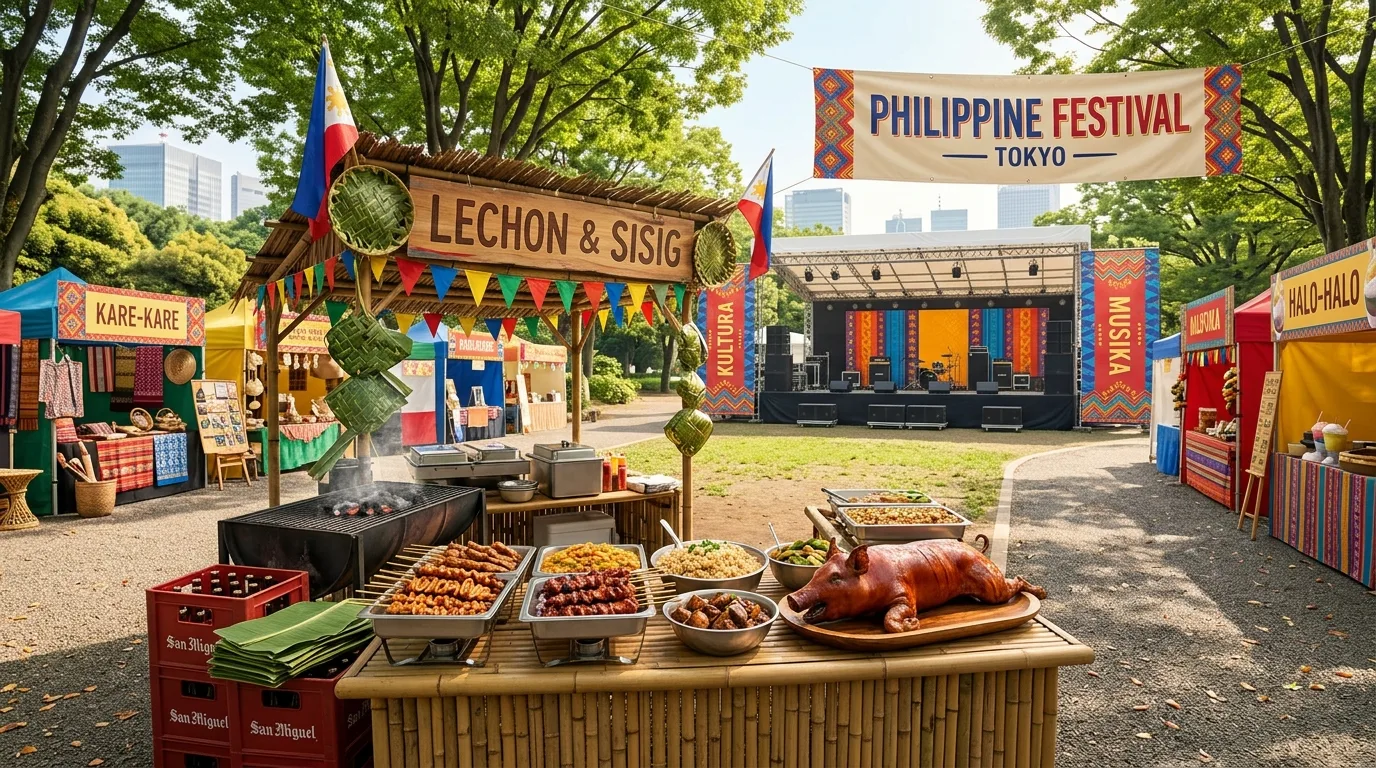
Traditional cultural performances remain among the most anticipated aspects of Heritage Month celebrations. Folk dances such as Tinikling, Singkil, Pandanggo sa Ilaw, Cariñosa, and Maglalatik continue to captivate audiences through vibrant costumes, energetic choreography, and historical storytelling. Cultural groups spend months preparing performances that not only entertain but also educate audiences about the diverse traditions found throughout the Philippine archipelago. Community leaders believe that these performances help preserve important artistic traditions while inspiring pride among participants and spectators alike.
Music also serves as a central element of Heritage Month programming. Festivals frequently feature rondalla ensembles, choir performances, traditional musical presentations, contemporary Filipino artists, and community-based cultural groups. Music creates opportunities for emotional connection and cultural expression while introducing audiences to the rich artistic traditions that have shaped Filipino identity. Organizers often highlight music's ability to bring people together across generations and cultural backgrounds.
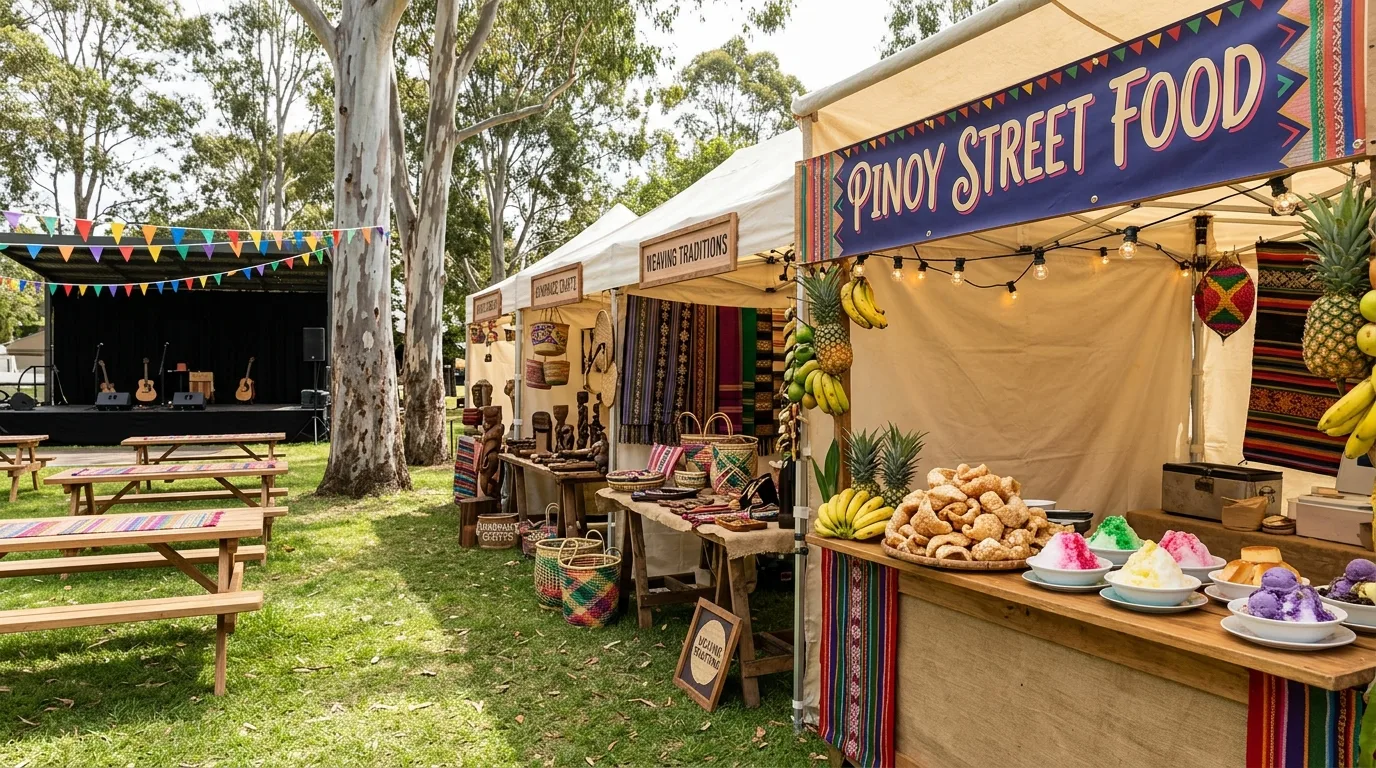
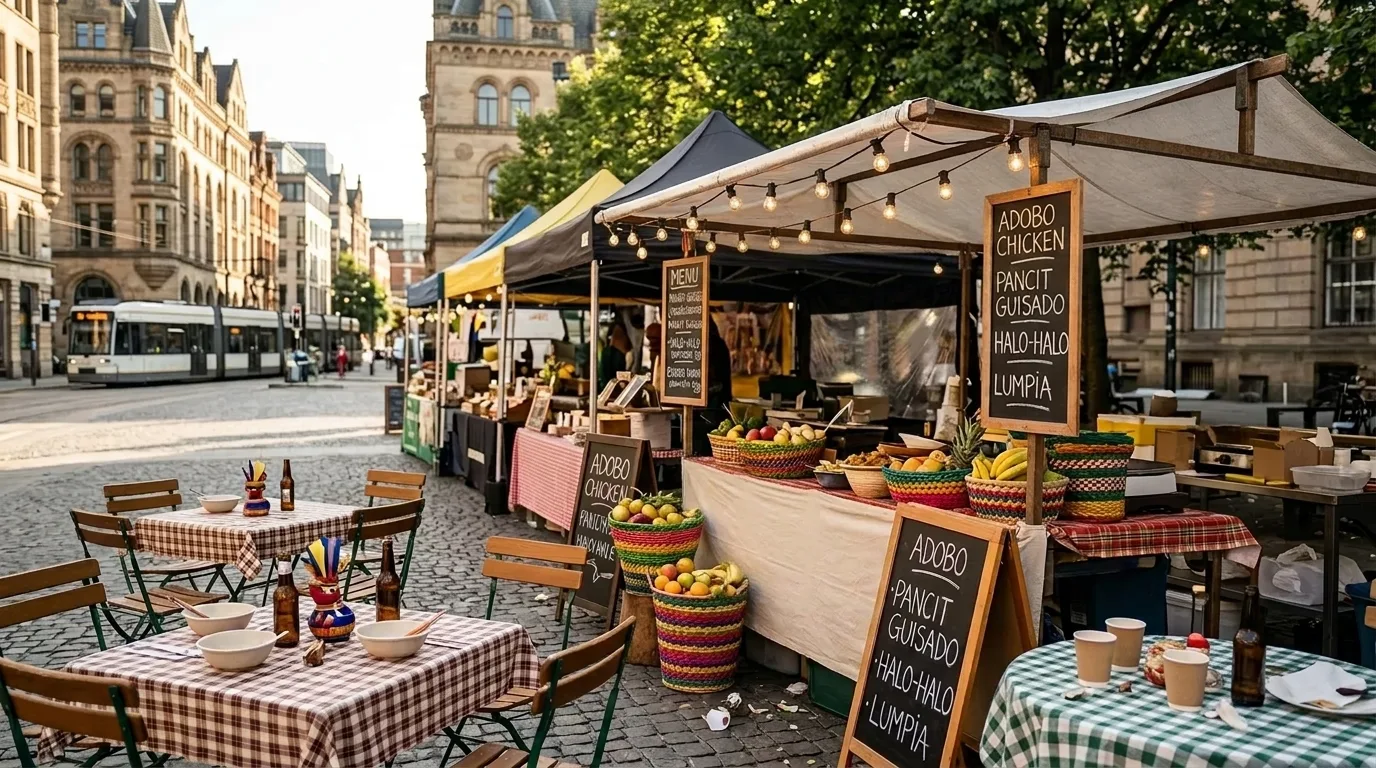
Filipino cuisine continues to play a major role in attracting visitors to Heritage Month events. Culinary showcases, food festivals, cooking demonstrations, and cultural dining experiences allow attendees to explore the flavors and traditions of Philippine cuisine. Dishes such as adobo, pancit, lumpia, lechon, kare-kare, halo-halo, bibingka, and regional specialties often become focal points of celebrations. Community leaders note that food serves as one of the most accessible and engaging ways to introduce people to Filipino culture while creating opportunities for cultural exchange and conversation.
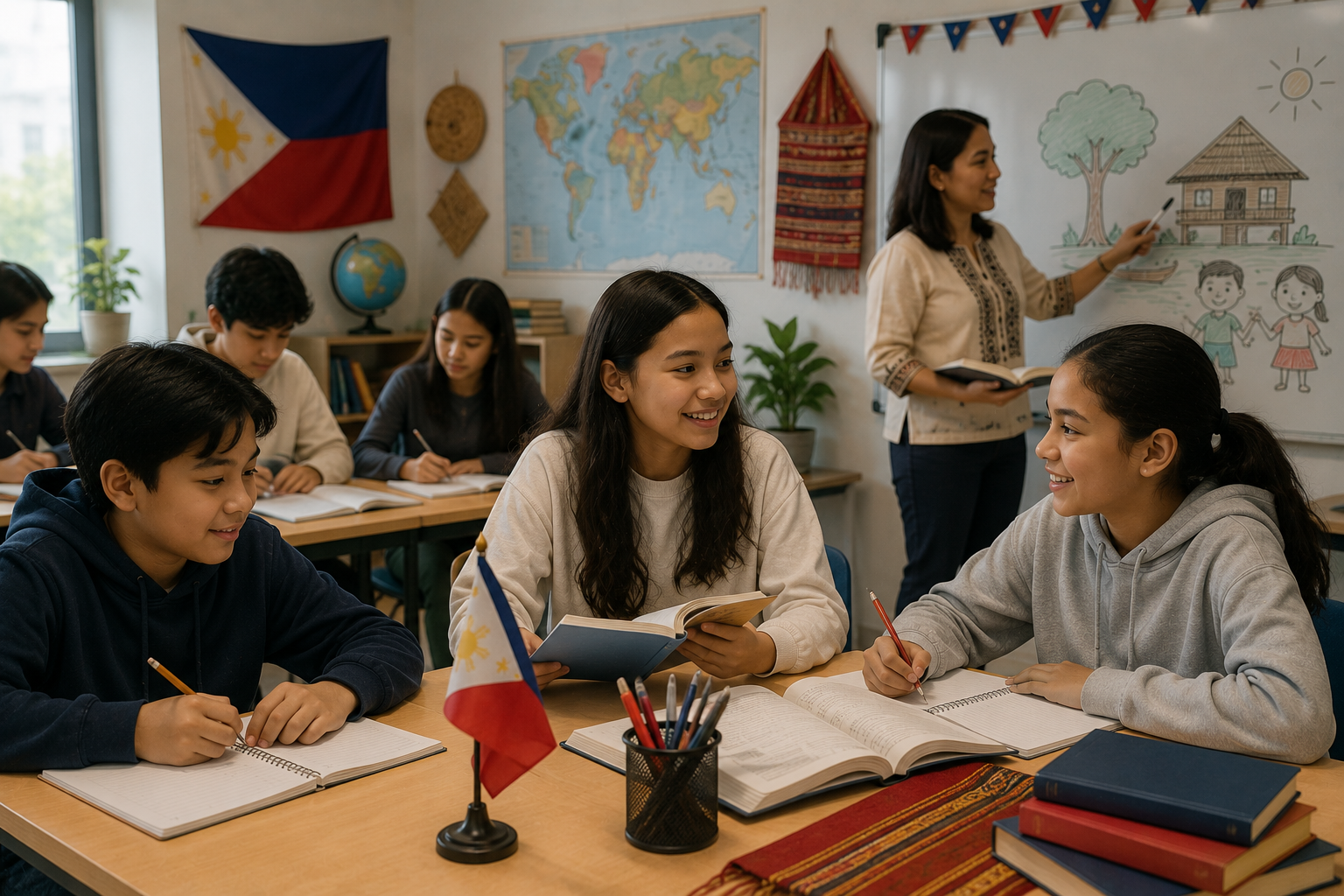
Educational programming has expanded significantly as Heritage Month celebrations have grown. Many events now feature historical exhibits, cultural workshops, panel discussions, heritage lectures, language sessions, and interactive learning activities designed to deepen understanding of Philippine history and traditions. Organizers recognize that cultural preservation requires more than celebration alone and have invested in educational initiatives that help participants engage more deeply with their heritage.
The diversity of Philippine culture is often highlighted through regional showcases that feature traditions from different provinces and cultural communities. These programs emphasize that Filipino identity encompasses a wide range of languages, customs, artistic practices, and historical experiences. Community leaders believe that highlighting regional diversity provides a more comprehensive representation of Philippine culture while fostering greater appreciation for the country's rich heritage.
Digital technology has become an important factor in the continued growth of Heritage Month celebrations. Social media campaigns, livestreamed performances, virtual exhibitions, digital storytelling projects, and online educational content have expanded access to cultural programming far beyond physical event locations. Organizers report that digital platforms have allowed them to engage global audiences, strengthen community connections, and encourage participation from individuals who may not be able to attend events in person.
Many Heritage Month programs also celebrate the achievements and contributions of Filipinos around the world. Exhibits, recognition ceremonies, and community presentations frequently highlight accomplishments in fields such as healthcare, education, science, technology, business, arts, public service, and entrepreneurship. Community leaders view these programs as important opportunities to showcase the positive impact of Filipinos globally while inspiring younger generations to pursue excellence in their own endeavors.
The spirit of bayanihan remains a defining characteristic of Heritage Month celebrations. Volunteers, community organizations, cultural groups, businesses, educators, and families work together to organize events that benefit entire communities. Organizers often describe the collaborative nature of Heritage Month planning as a reflection of traditional Filipino values centered on cooperation, generosity, and collective responsibility. These efforts strengthen community bonds while ensuring the success of cultural initiatives.
Many Heritage Month celebrations also incorporate charitable and community service activities. Scholarship programs, fundraising campaigns, educational outreach projects, volunteer initiatives, and community support efforts are often integrated into event programming. Organizers believe that these activities reflect core Filipino values of compassion and service while extending the impact of celebrations beyond cultural appreciation.
International audiences have shown growing interest in participating in Heritage Month events. Visitors from diverse cultural backgrounds frequently attend festivals, exhibits, and educational programs to learn more about Philippine culture and traditions. Organizers welcome this participation and view it as an important opportunity to promote intercultural understanding and cultural exchange. These interactions often lead to greater appreciation for Filipino heritage while strengthening relationships between communities.
Partnerships with educational institutions, museums, cultural centers, local governments, and community organizations have further expanded the reach and impact of Heritage Month celebrations. Collaborative efforts provide access to resources, venues, expertise, and broader audiences that help strengthen programming. Community leaders note that partnerships demonstrate growing recognition of Filipino culture within multicultural societies around the world.
The economic benefits associated with Heritage Month celebrations are also becoming increasingly evident. Festivals often support local businesses, food vendors, artists, performers, artisans, and entrepreneurs by providing opportunities to showcase products and services. Some events attract visitors from neighboring cities and regions, contributing to local tourism and economic activity while promoting cultural awareness.
Many communities have reported record attendance at Heritage Month events in recent years. Organizers attribute this growth to increasing public interest in cultural diversity, stronger community engagement, effective digital promotion, and expanded programming that appeals to broader audiences. The success of these events reflects a growing appreciation for cultural heritage and a desire among many people to participate in meaningful cultural experiences.
The rise of Heritage Month celebrations also highlights broader trends within global Filipino communities. As Overseas Filipinos become increasingly established and interconnected, there is greater emphasis on preserving cultural identity while sharing it with future generations. Heritage Month serves as a platform where these goals can be achieved through celebration, education, and community engagement.
Looking ahead, community leaders anticipate continued growth in Heritage Month programming. Planned initiatives include expanded youth leadership opportunities, enhanced digital experiences, larger cultural festivals, international collaborations, and more comprehensive educational programs. Organizers remain optimistic that strong community support and growing public interest will continue to drive the success of future celebrations.
Ultimately, the expansion of Filipino Heritage Month celebrations across major global destinations demonstrates the resilience, creativity, and unity of Filipino communities worldwide. Through music, dance, food, art, education, and cultural exchange, these celebrations help preserve traditions while creating opportunities for connection and understanding. They remind participants that heritage is not simply a reflection of the past but a living and evolving force that continues to shape communities and inspire future generations.
As Filipino communities continue to thrive across continents, Heritage Month celebrations stand as powerful expressions of cultural pride and collective identity. By honoring traditions, sharing stories, and engaging diverse audiences, these events help ensure that the rich cultural legacy of the Philippines remains vibrant, relevant, and celebrated around the world for generations to come.
Enjoyed this story?
Share this story