Cultural Tourism Interest Rises Following International Filipino Festivals
Share
June 25, 2026
Updated Oct 16, 2026
8 min read
810 views
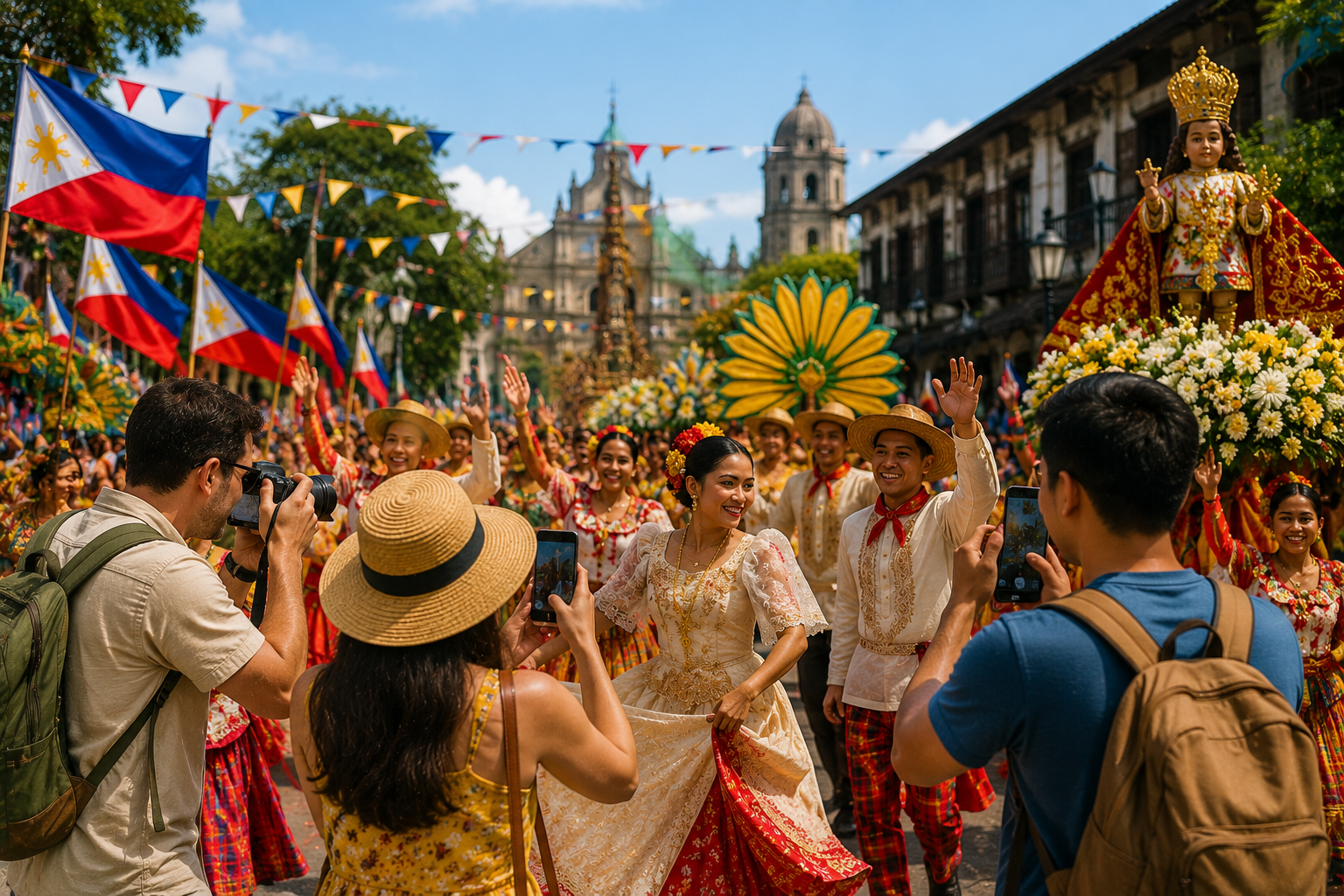
MANILA, Philippines — Interest in cultural tourism is growing steadily in various parts of the world as international Filipino festivals continue to attract larger audiences and introduce global communities to the rich heritage, traditions, and cultural diversity of the Philippines. Across North America, Europe, Asia, Australia, and the Middle East, Filipino cultural celebrations have become increasingly popular events that not only bring together Overseas Filipino communities but also encourage people from different backgrounds to explore Philippine culture and consider visiting the country. Tourism advocates, cultural organizations, and community leaders believe these festivals are playing a significant role in expanding international awareness of the Philippines as a cultural and travel destination.
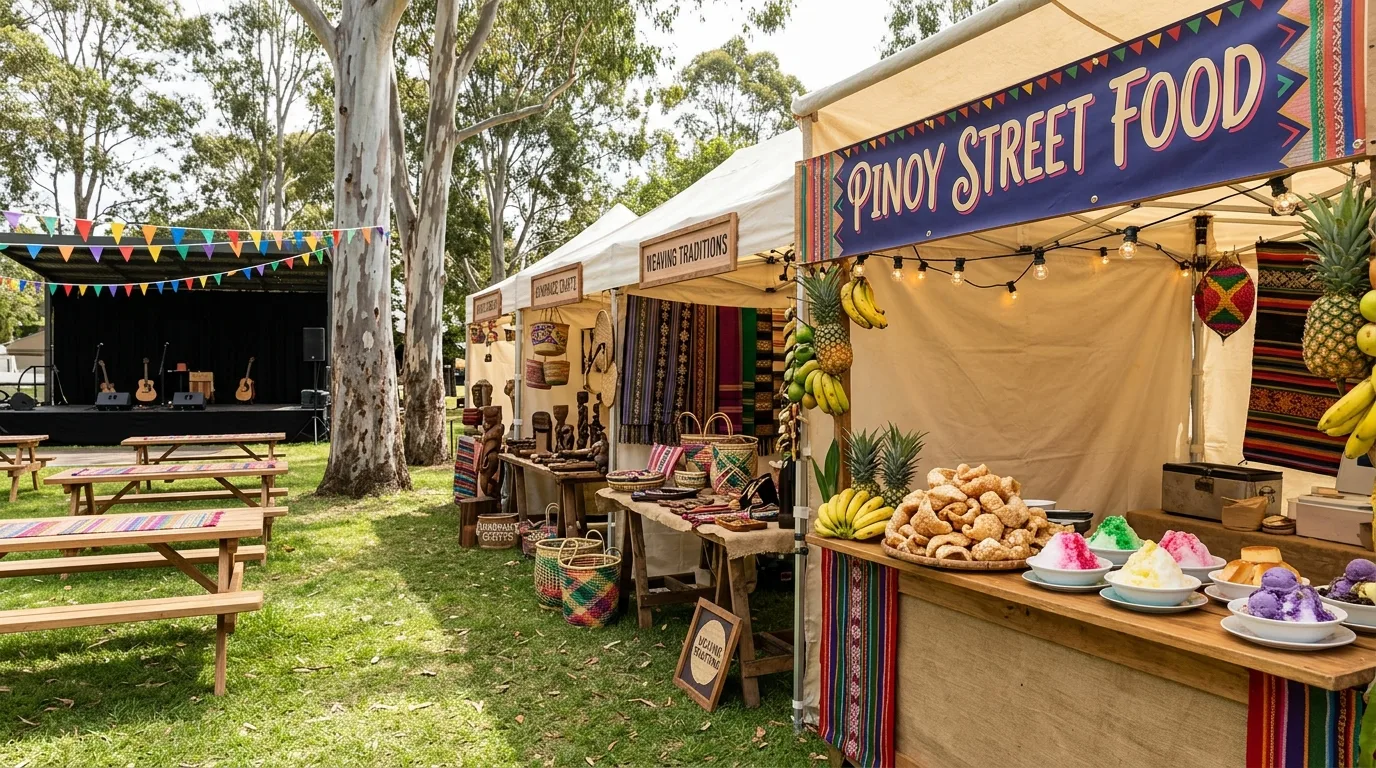
International Filipino festivals have evolved considerably over the years. What were once relatively small gatherings primarily attended by Filipino families have grown into major multicultural events that attract thousands of visitors from diverse communities. These festivals often feature traditional music, folk dances, culinary showcases, cultural exhibits, arts and crafts displays, fashion presentations, and educational activities that provide visitors with immersive experiences highlighting various aspects of Philippine heritage. Organizers note that the increasing popularity of these events demonstrates a growing global interest in authentic cultural experiences and international heritage celebrations.
Many attendees who visit Filipino festivals for the first time are introduced to elements of Philippine culture that they may have previously known little about. Through performances, exhibitions, and interactive activities, visitors gain insight into the country's history, traditions, regional diversity, and contemporary cultural identity. Community leaders explain that these experiences often spark curiosity and encourage individuals to learn more about the Philippines beyond what they encounter during the event itself. As a result, cultural festivals frequently serve as gateways to broader exploration of Philippine destinations, traditions, and tourism opportunities.
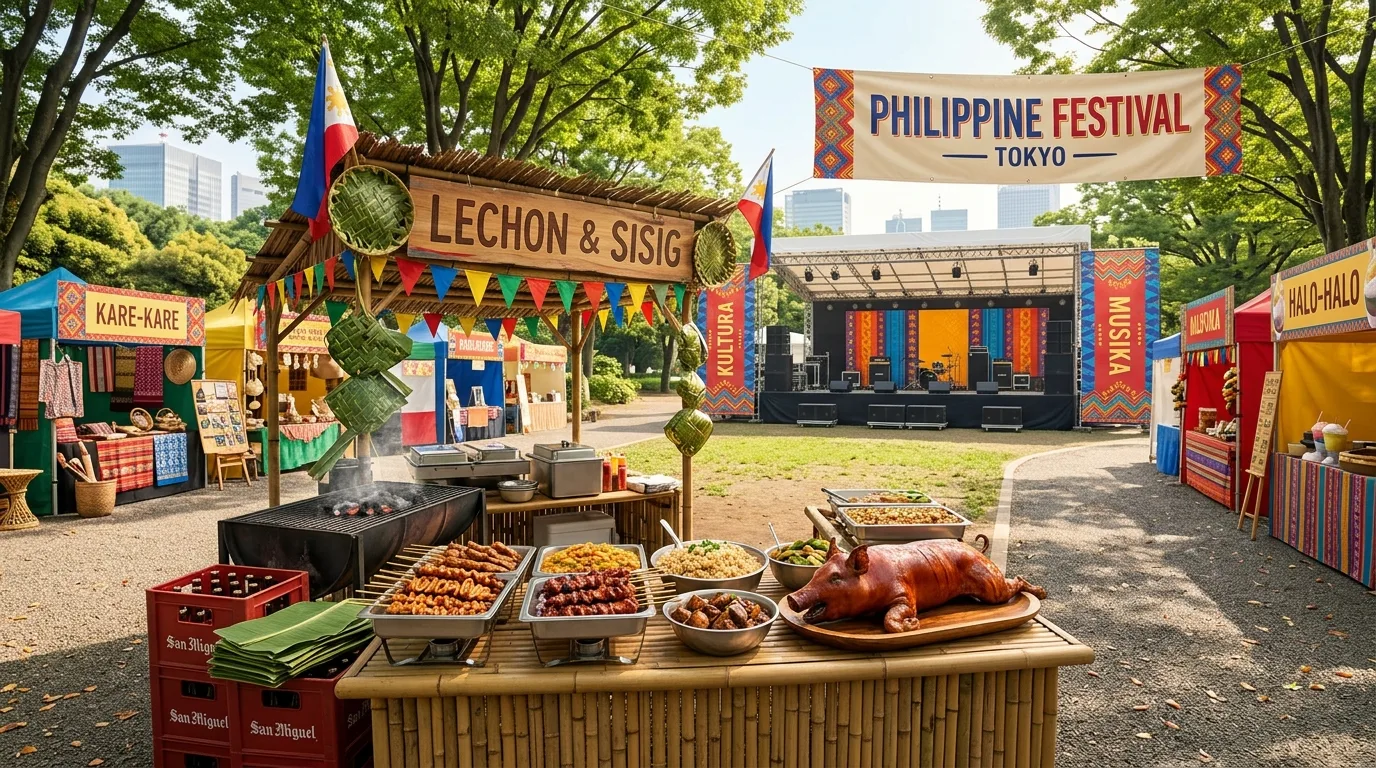
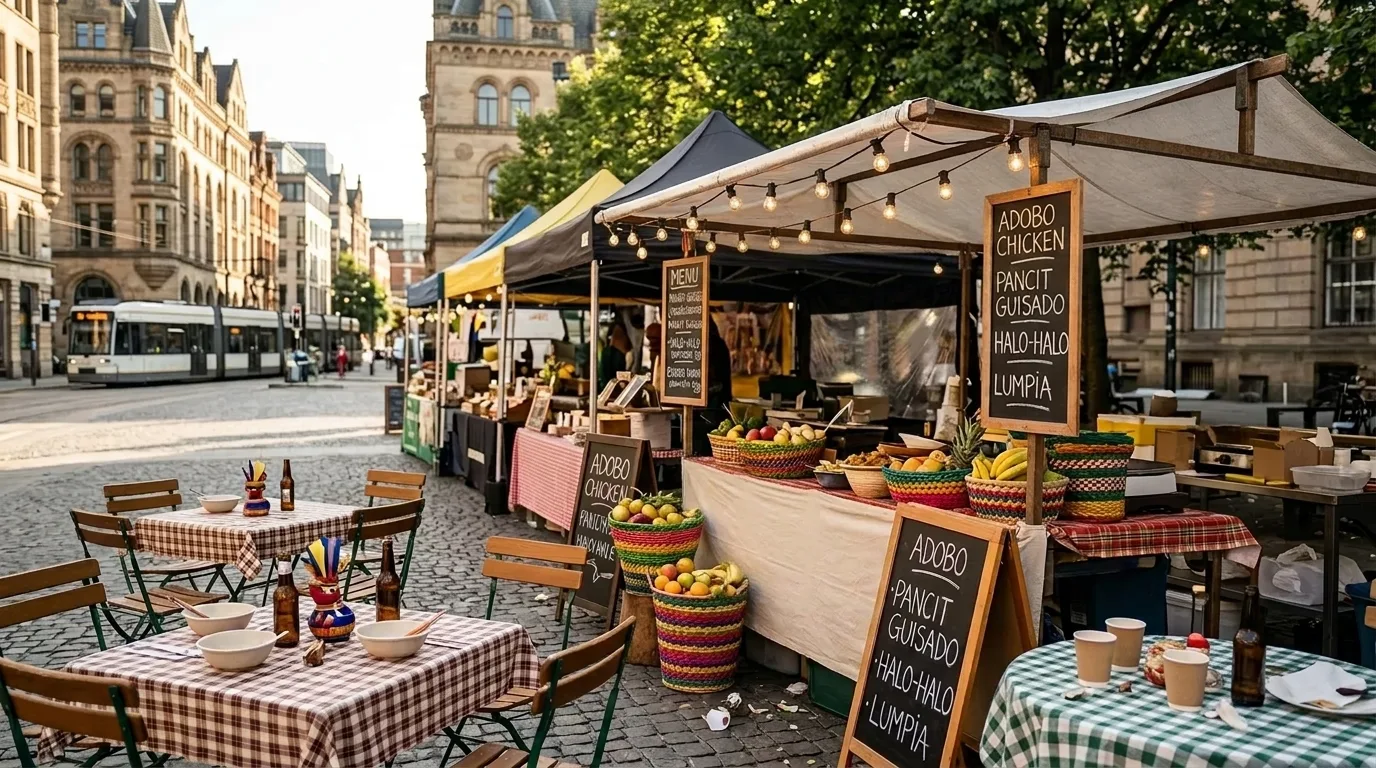
One of the strongest attractions at international Filipino festivals is the opportunity to experience authentic Filipino cuisine. Food pavilions and culinary showcases regularly feature popular dishes such as adobo, lechon, pancit, lumpia, halo-halo, kare-kare, sisig, and a wide variety of regional specialties. Visitors often view food as one of the most accessible ways to connect with a culture, and many festival attendees express interest in learning more about the places where these culinary traditions originated. Tourism advocates note that food tourism has become an increasingly important segment of the travel industry, and Filipino festivals provide effective platforms for introducing international audiences to the country's diverse culinary landscape.
Traditional performances continue to be among the most memorable features of Filipino festivals worldwide. Dance presentations such as Tinikling, Singkil, Pandanggo sa Ilaw, and Cariñosa captivate audiences with their colorful costumes, intricate choreography, and cultural significance. Musical performances featuring traditional instruments and contemporary Filipino artists further enrich the festival experience. Organizers explain that these performances help communicate stories about Philippine history, values, and regional identities while creating emotional connections that encourage deeper interest in Filipino culture.
Cultural tourism experts emphasize that modern travelers increasingly seek meaningful experiences that allow them to engage with local communities and traditions. Rather than focusing exclusively on sightseeing, many tourists now prioritize opportunities to learn about culture, participate in local activities, and gain authentic insights into destinations. International Filipino festivals align well with these preferences by offering immersive cultural experiences that highlight the unique qualities of Philippine heritage. Community leaders believe that this growing interest in cultural authenticity positions the Philippines favorably within the global tourism market.
The diversity of Philippine culture is another factor contributing to rising tourism interest. Festival programs often showcase traditions from different regions of the country, highlighting the unique customs, languages, clothing, music, and artistic expressions associated with various provinces and communities. Visitors gain an appreciation for the cultural richness that exists across the archipelago and often discover that the Philippines offers a wide variety of experiences beyond its well-known tourist destinations. Organizers note that regional representation helps create more comprehensive and engaging cultural presentations.
Technology and social media have amplified the impact of international Filipino festivals on tourism awareness. Festival attendees frequently share photographs, videos, and personal experiences through social media platforms, allowing cultural content to reach audiences far beyond event venues. Tourism promoters observe that user-generated content often inspires additional interest among friends, family members, and online communities. Digital engagement extends the influence of festivals and helps maintain visibility for Philippine culture throughout the year.
Many Overseas Filipino communities actively collaborate with tourism organizations, cultural institutions, and government agencies to promote Philippine destinations during festivals. Information booths, travel exhibits, destination presentations, and cultural tourism campaigns are commonly integrated into event programming. These initiatives provide attendees with practical information about travel opportunities while reinforcing the connection between cultural experiences and tourism exploration. Community leaders emphasize that partnerships between cultural organizations and tourism stakeholders create mutually beneficial opportunities for promotion and engagement.
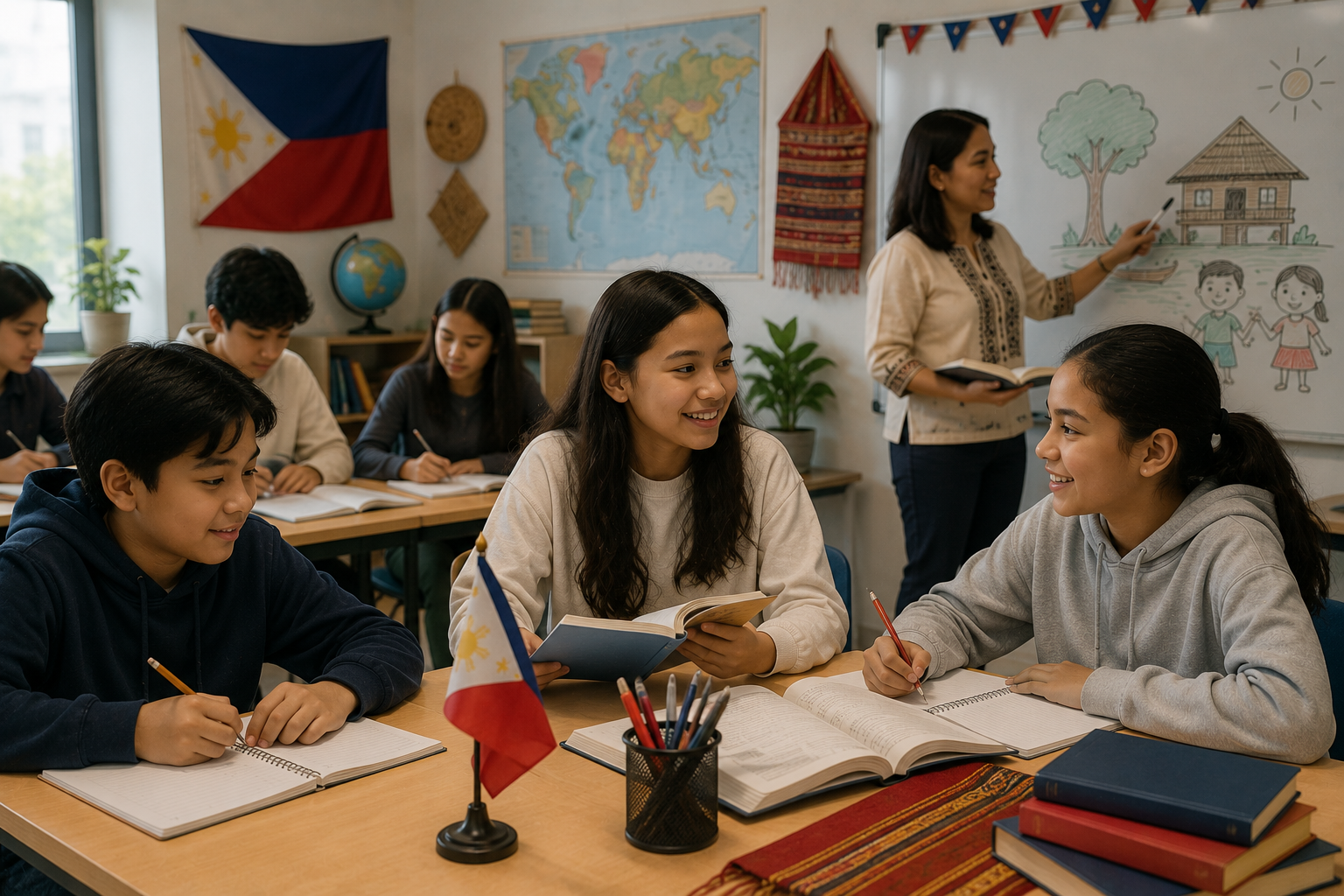
Educational programming has become increasingly important within festival environments. Workshops, cultural discussions, historical presentations, language demonstrations, and heritage exhibits help visitors develop deeper understanding of Philippine culture. Organizers explain that education enhances the visitor experience by providing context and meaning behind performances, traditions, and cultural practices. A more informed audience is often more likely to develop sustained interest in exploring Philippine destinations and learning about the country's heritage.
The growing participation of younger generations has also contributed to the success of international Filipino festivals. Youth volunteers, performers, organizers, and cultural advocates play active roles in planning and executing events. Their involvement brings new ideas, creative approaches, and digital engagement strategies that help attract broader audiences. Community leaders view youth participation as essential for ensuring that cultural festivals remain dynamic, relevant, and capable of reaching future generations of travelers and cultural enthusiasts.
Filipino artisans and creative entrepreneurs benefit from increased visibility during international festivals. Handcrafted products, traditional textiles, visual arts, jewelry, home décor, and cultural merchandise provide visitors with tangible connections to Philippine culture. Many attendees purchase these products as souvenirs or gifts, further reinforcing interest in Filipino craftsmanship and cultural heritage. Industry observers note that exposure to creative products often inspires curiosity about the communities and regions where these items originate.
International Filipino festivals also contribute to cultural diplomacy by fostering positive relationships among diverse communities. Through shared experiences centered on culture, food, music, and education, attendees develop greater appreciation for Filipino traditions and values. Community leaders believe that these interactions help strengthen intercultural understanding while creating favorable perceptions of the Philippines as both a cultural destination and a welcoming travel destination.
The tourism potential associated with cultural festivals extends beyond immediate visitor interest. Many individuals who attend festivals begin researching Philippine destinations, travel experiences, heritage sites, and cultural attractions after returning home. Travel agencies and tourism organizations report that cultural exposure often influences future travel planning decisions. Festival experiences can inspire travelers to seek firsthand encounters with the places, traditions, and communities they have learned about during cultural celebrations.
Economic opportunities also emerge as cultural tourism interest grows. Increased awareness can support tourism businesses, hospitality providers, local communities, cultural institutions, and creative industries throughout the Philippines. Tourism advocates emphasize that cultural tourism creates opportunities for sustainable economic development while encouraging the preservation and promotion of cultural heritage. Communities that maintain strong cultural traditions often benefit directly from visitor interest and tourism-related activities.
Many festival organizers are exploring new ways to strengthen connections between cultural events and tourism promotion. Virtual experiences, interactive exhibits, destination showcases, cultural storytelling initiatives, and collaborative marketing campaigns are helping create more engaging and informative experiences for audiences. Organizers believe that innovation will continue to play an important role in attracting visitors and maintaining interest in Philippine culture.
The success of international Filipino festivals reflects broader trends within the global tourism industry. Travelers increasingly value authenticity, cultural immersion, community engagement, and educational experiences. Philippine culture offers a unique combination of history, diversity, hospitality, creativity, and tradition that appeals to these evolving preferences. Tourism experts suggest that continued investment in cultural promotion can help strengthen the country's position within the international tourism market.
Looking ahead, community leaders and tourism advocates remain optimistic about the role of international Filipino festivals in promoting cultural tourism. As events continue to expand and attract larger audiences, opportunities for cultural engagement and destination awareness are expected to increase. Continued collaboration among Filipino communities, cultural organizations, tourism stakeholders, and government institutions will likely contribute to even greater visibility for Philippine culture and tourism in the years to come.
Ultimately, the growing interest in cultural tourism following international Filipino festivals demonstrates the powerful influence of cultural experiences in shaping travel decisions and global perceptions. Through music, dance, food, art, storytelling, and community engagement, these festivals introduce audiences to the richness of Philippine heritage while inspiring curiosity and appreciation for the country's diverse destinations.
As more people around the world discover Filipino culture through these vibrant celebrations, the Philippines continues to strengthen its reputation as a destination rich in history, creativity, hospitality, and cultural diversity. International Filipino festivals are proving that cultural exchange not only strengthens communities abroad but also serves as an effective bridge connecting global audiences to the unique experiences that await throughout the Philippine archipelago.
Enjoyed this story?
Share this story