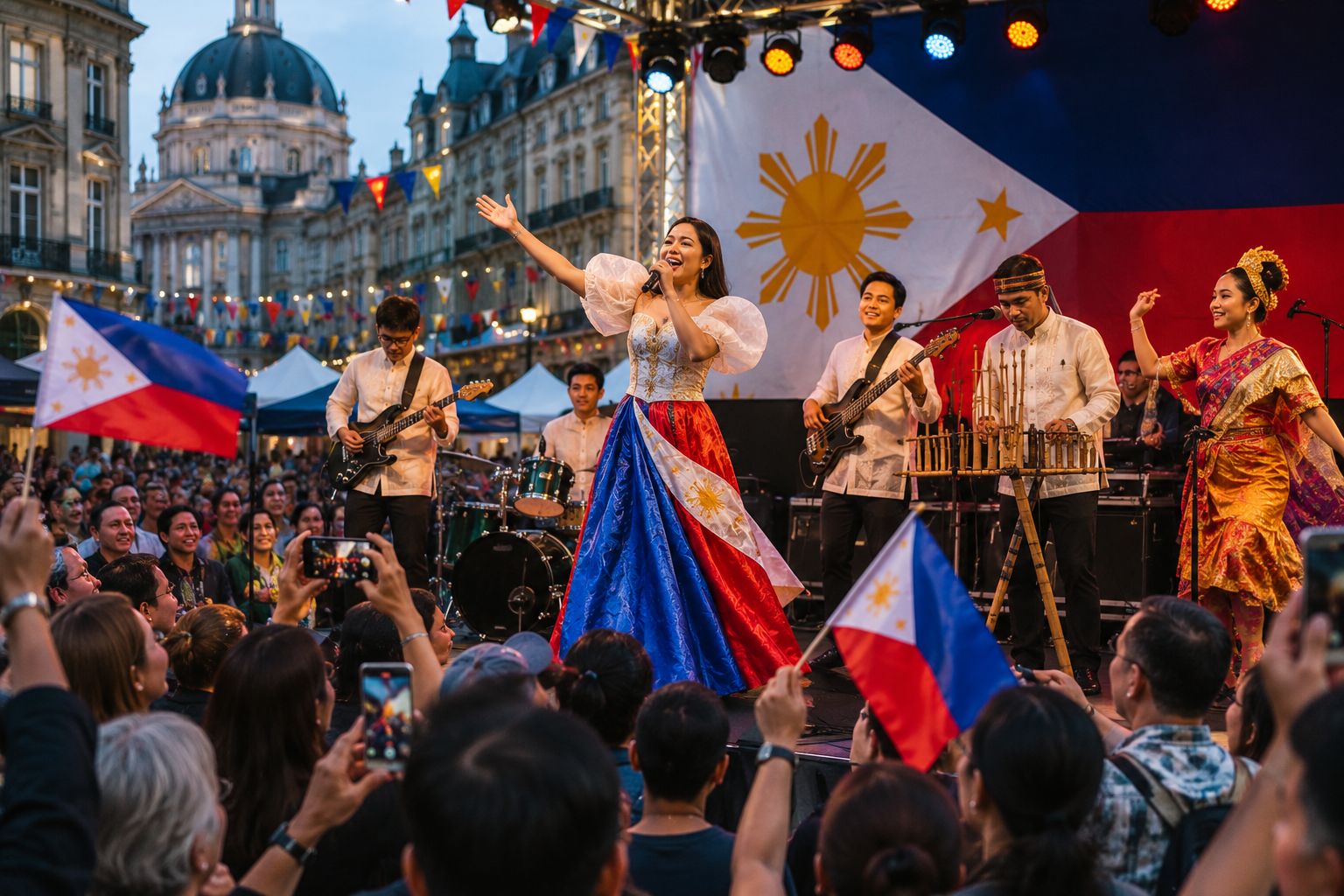
Filipino Musicians and Performers Headline Community Festivals Across Europe
Share
June 03, 2026
7 min read
241 views
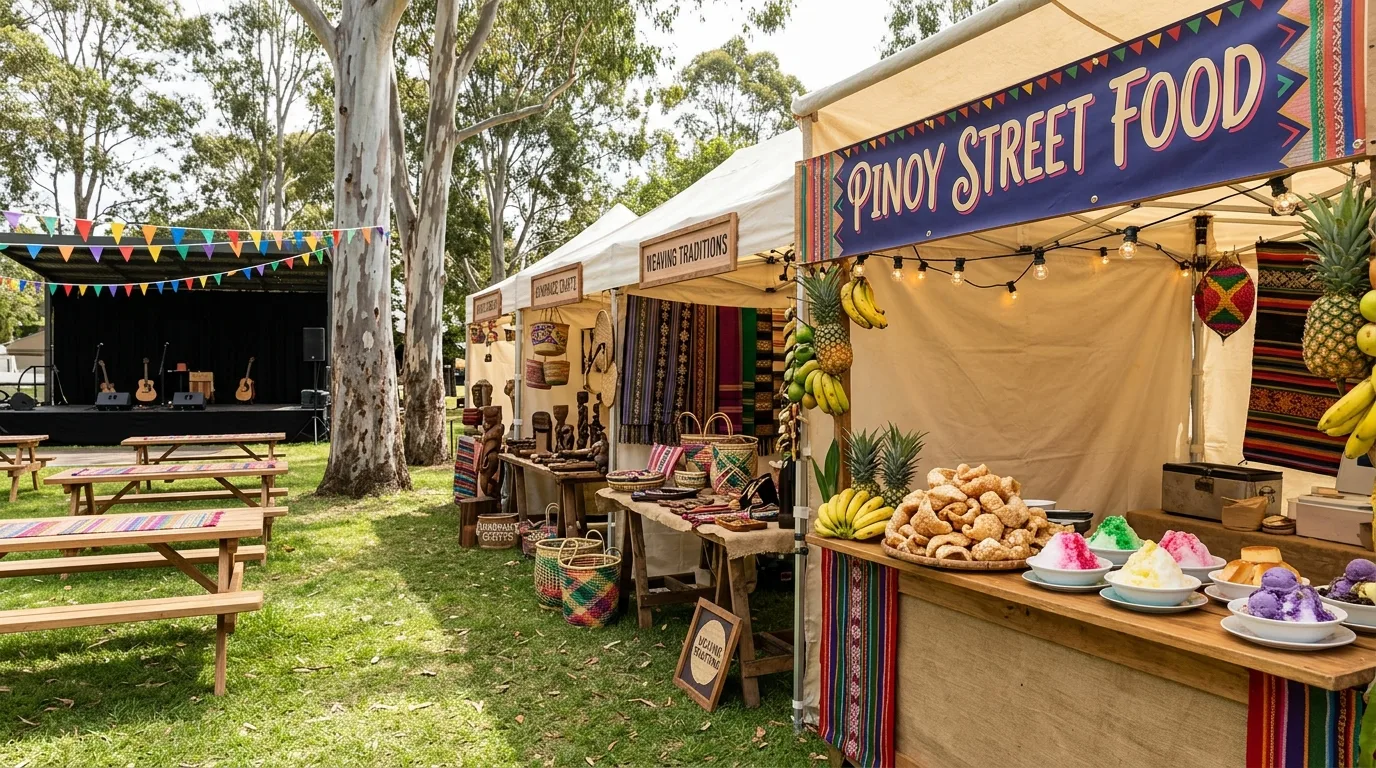
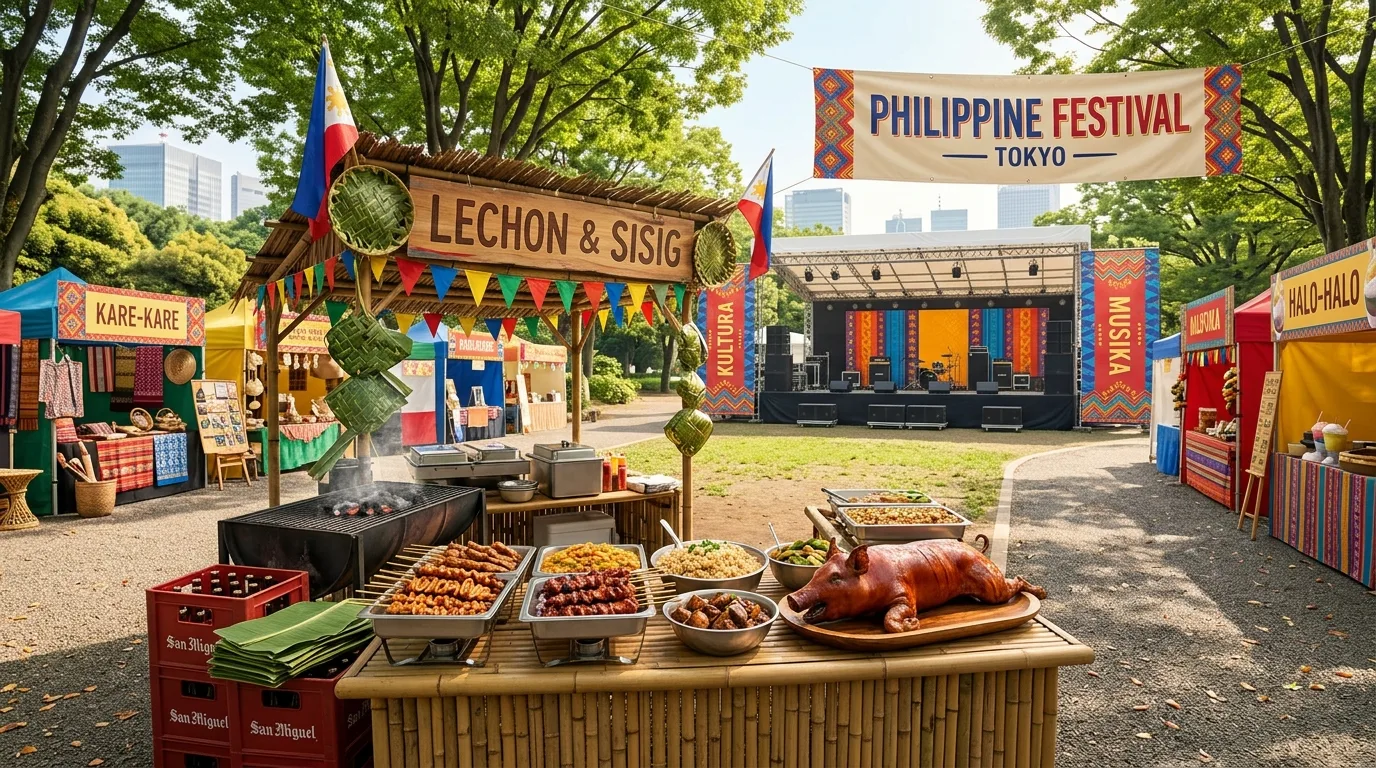
LONDON, United Kingdom — Filipino musicians, singers, dancers, and performers are becoming major attractions at community festivals throughout Europe as cultural celebrations continue to grow in size, popularity, and influence across the continent.
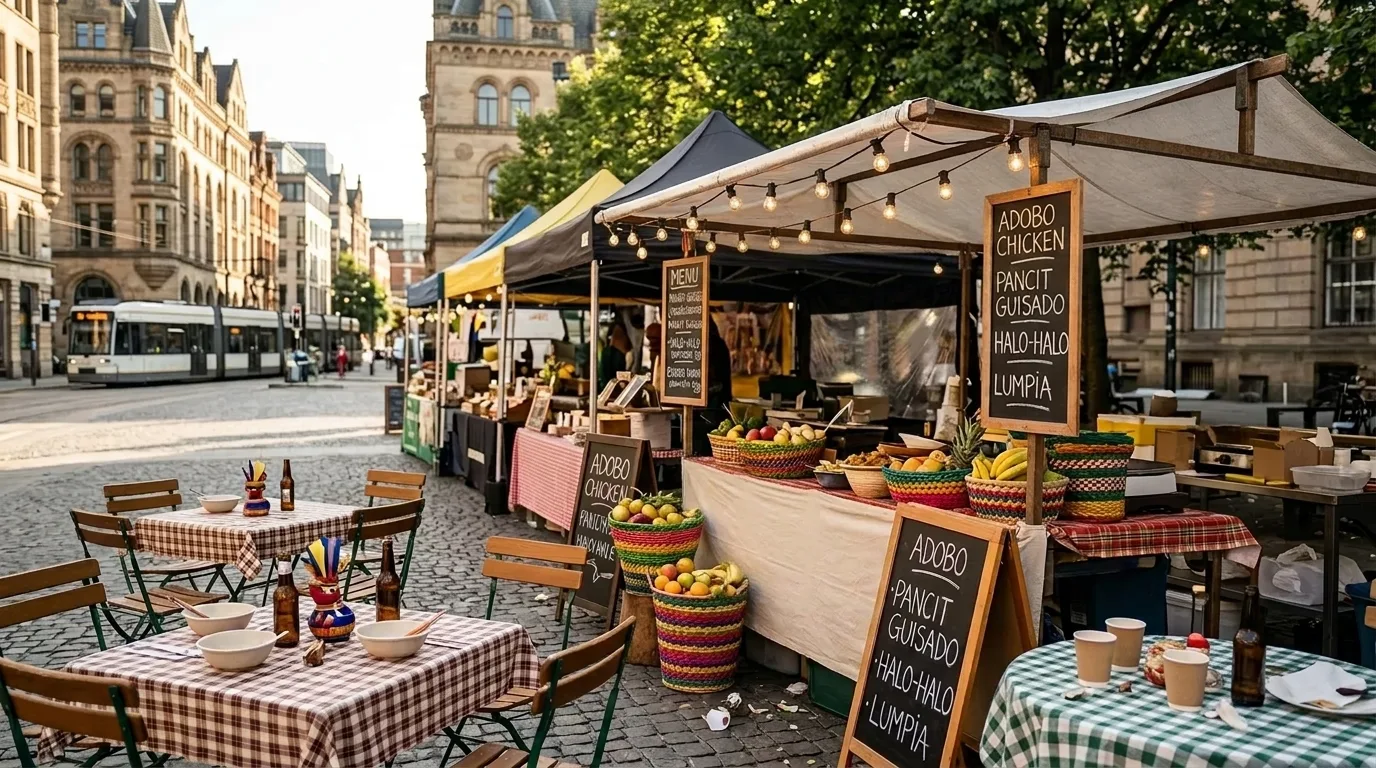
From the United Kingdom and Ireland to Germany, France, Spain, Italy, the Netherlands, Belgium, Switzerland, Norway, Sweden, and beyond, Filipino artists are taking center stage at festivals that celebrate culture, diversity, and community. Their performances are not only entertaining audiences but also helping preserve Filipino heritage, strengthen cultural identity, and promote greater understanding between communities.
Community organizers say the increasing prominence of Filipino performers reflects the growing influence of Filipino communities throughout Europe and the rising appreciation for Filipino artistic talent among international audiences.
Many festivals that once featured only small cultural segments now dedicate significant portions of their programming to Filipino music and performances. Organizers report strong audience engagement, with many attendees specifically seeking out Filipino acts during major cultural events.
For overseas Filipinos, these performances provide opportunities to celebrate their heritage while supporting artists who represent their communities on international stages.
Music has long played a central role in Filipino culture. Whether through family gatherings, religious celebrations, festivals, or community events, music serves as a powerful means of expression, storytelling, and connection.
Across Europe, Filipino musicians continue this tradition by bringing familiar songs, contemporary performances, and cultural presentations to audiences eager to experience Filipino creativity.
Festival attendees often describe Filipino performers as energetic, engaging, and highly versatile. Their ability to blend traditional influences with modern styles appeals to audiences of all ages and cultural backgrounds.
Community leaders note that music frequently serves as one of the most effective tools for cultural exchange.
Unlike language or historical presentations that may require extensive explanation, music can immediately connect people through emotion, rhythm, and shared experiences.
As a result, Filipino musicians often become informal ambassadors of Philippine culture.
Many performances feature a combination of traditional Filipino songs and contemporary musical styles. This approach allows artists to honor cultural heritage while appealing to diverse audiences.
Traditional instruments and folk-inspired arrangements are frequently incorporated into modern performances, creating unique experiences that showcase both history and innovation.
Cultural organizations view these presentations as opportunities to educate audiences about Philippine traditions while celebrating artistic evolution.
The diversity of Filipino music reflects the country's rich cultural landscape.
Artists draw inspiration from indigenous traditions, regional influences, religious practices, historical experiences, and contemporary global trends.
These influences combine to create performances that are distinctly Filipino while remaining accessible to international audiences.
Community festivals often feature a wide variety of musical genres.
Visitors may experience traditional folk music, acoustic performances, choral presentations, contemporary pop, jazz-inspired arrangements, cultural fusion projects, and community-based musical productions.
This diversity helps demonstrate the breadth of Filipino artistic expression.
Dance performances frequently accompany musical presentations.
Cultural groups present traditional dances representing different regions of the Philippines, often supported by live musicians who enhance the authenticity and energy of performances.
These collaborations between musicians and dancers create immersive cultural experiences that remain among the most popular attractions at community festivals.
Festival organizers note that audiences are increasingly interested in performances that provide meaningful cultural context.
Many events include explanations of musical traditions, historical influences, and cultural significance, allowing attendees to develop deeper appreciation for Filipino heritage.
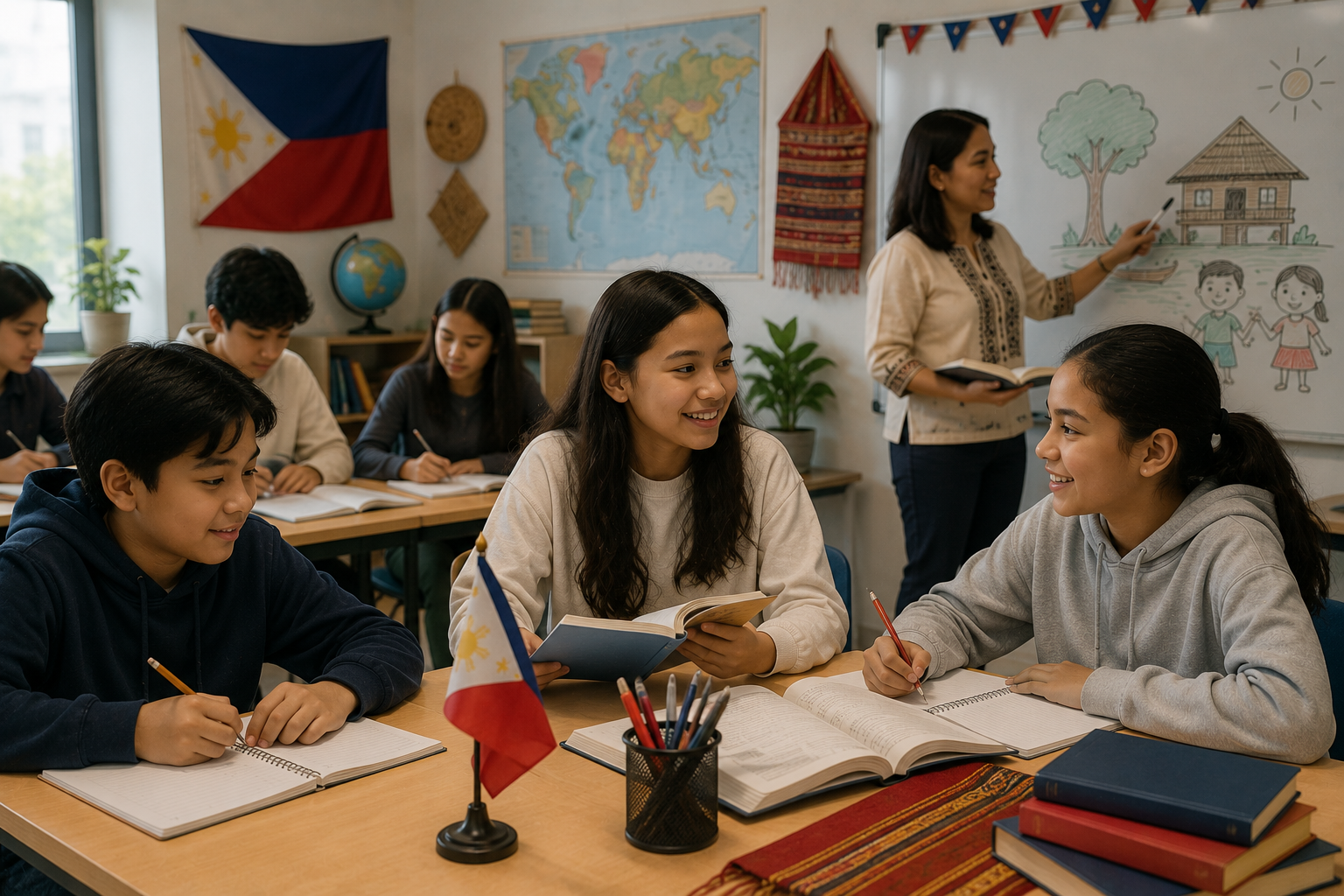
Educational components have become especially important for younger generations of overseas Filipinos.
Many children and young adults living abroad have limited opportunities to experience Philippine cultural traditions firsthand.
Through participation in music programs, cultural performances, and community festivals, they gain valuable connections to their heritage.
Parents and community leaders frequently encourage youth involvement as a way of preserving traditions and strengthening cultural identity.
Many young performers describe community festivals as opportunities to learn about their roots while developing artistic and leadership skills.
These experiences often foster lasting connections to Filipino culture and community life.
The rise of Filipino performers across Europe also reflects broader demographic trends.
Filipino communities continue to grow in many European countries, contributing to sectors such as healthcare, education, technology, hospitality, engineering, and public service.
As communities expand, demand for cultural programming and entertainment has increased.
Community festivals provide platforms where artistic talent can flourish while serving broader cultural and social goals.
Local governments and multicultural organizations frequently support these initiatives because they promote inclusion, diversity, and intercultural understanding.
Officials attending festivals often praise Filipino communities for their contributions to cultural life and civic engagement.
Performers themselves frequently view their work as more than entertainment.
Many see their participation as opportunities to represent Filipino culture positively and inspire pride among fellow Filipinos.
Artists often spend months preparing for major events, balancing professional responsibilities with rehearsal schedules and community commitments.
Their dedication reflects a strong sense of responsibility to both their craft and their communities.
Technology has significantly expanded the reach of Filipino performers in recent years.
Social media platforms, livestreams, digital concerts, and online content have enabled artists to connect with audiences far beyond local festival venues.
Videos of performances shared online frequently attract thousands or even millions of views, increasing awareness of Filipino talent worldwide.
This visibility has created new opportunities for collaboration, networking, and professional development.
Many performers now engage with audiences across multiple countries, helping build stronger connections among Filipino communities throughout Europe and beyond.
Digital platforms have also allowed artists to share cultural content with younger audiences who consume entertainment primarily through online channels.
Community leaders believe this accessibility is essential for ensuring continued interest in cultural traditions.
Entrepreneurs and local businesses have become important supporters of music and cultural festivals.
Many provide sponsorships, equipment, venues, and logistical assistance that enable performances to reach wider audiences.
These partnerships strengthen community relationships while contributing to local economic activity.
Festival organizers note that successful events often generate benefits for businesses, artists, community organizations, and local residents alike.
The spirit of bayanihan remains evident throughout festival preparations and performances.
Volunteers assist with event planning, stage management, promotion, transportation, hospitality, and numerous other responsibilities.
The collective effort required to organize large-scale festivals reflects the cooperative values that remain central to Filipino culture.
Observers frequently point to these collaborative efforts as examples of how cultural traditions continue to strengthen communities abroad.
In addition to entertainment and cultural preservation, many festivals incorporate charitable initiatives.
Fundraising concerts, benefit performances, and community campaigns support scholarships, disaster relief programs, healthcare projects, and humanitarian causes.
Artists often donate their time and talents to help raise awareness and resources for important community needs.
These activities reinforce the idea that music can serve not only as entertainment but also as a catalyst for positive social impact.
As European audiences become increasingly familiar with Filipino performers, demand for larger and more diverse cultural programming continues to grow.
Organizers are expanding festival schedules, introducing new performance categories, and exploring partnerships with international cultural institutions.
Many believe that Filipino artists will play even greater roles in shaping multicultural festivals throughout Europe in the coming years.
Community leaders remain optimistic about the future.
They see music and performance as powerful tools for preserving culture, strengthening communities, and building relationships across different backgrounds.
By providing platforms for artistic expression, festivals help ensure that Filipino traditions remain vibrant and relevant for future generations.
Ultimately, the growing success of Filipino musicians and performers across Europe demonstrates the universal appeal of creativity, talent, and cultural storytelling.
Their performances transcend language barriers and geographic boundaries, creating shared experiences that bring people together.
Through every song, every dance, and every cultural presentation, Filipino artists continue to showcase the richness of Philippine heritage while contributing to Europe's diverse cultural landscape.
As community festivals continue to expand across the continent, Filipino performers remain at the forefront of celebrations that honor culture, inspire connection, and strengthen community pride.
Their achievements serve as reminders that music has the power to unite people, preserve traditions, and create meaningful bridges between cultures.
From London and Dublin to Berlin, Madrid, Amsterdam, Rome, Paris, and beyond, Filipino musicians and performers are proving that the sounds and stories of the Philippines resonate far beyond its shores, inspiring audiences and keeping cultural traditions alive wherever Filipinos call home.
Enjoyed this story?
Share this story