Filipino Musicians Gain Global Audiences Through Cultural Exchange Events
Share
June 10, 2026
Updated Oct 16, 2026
7 min read
292 views
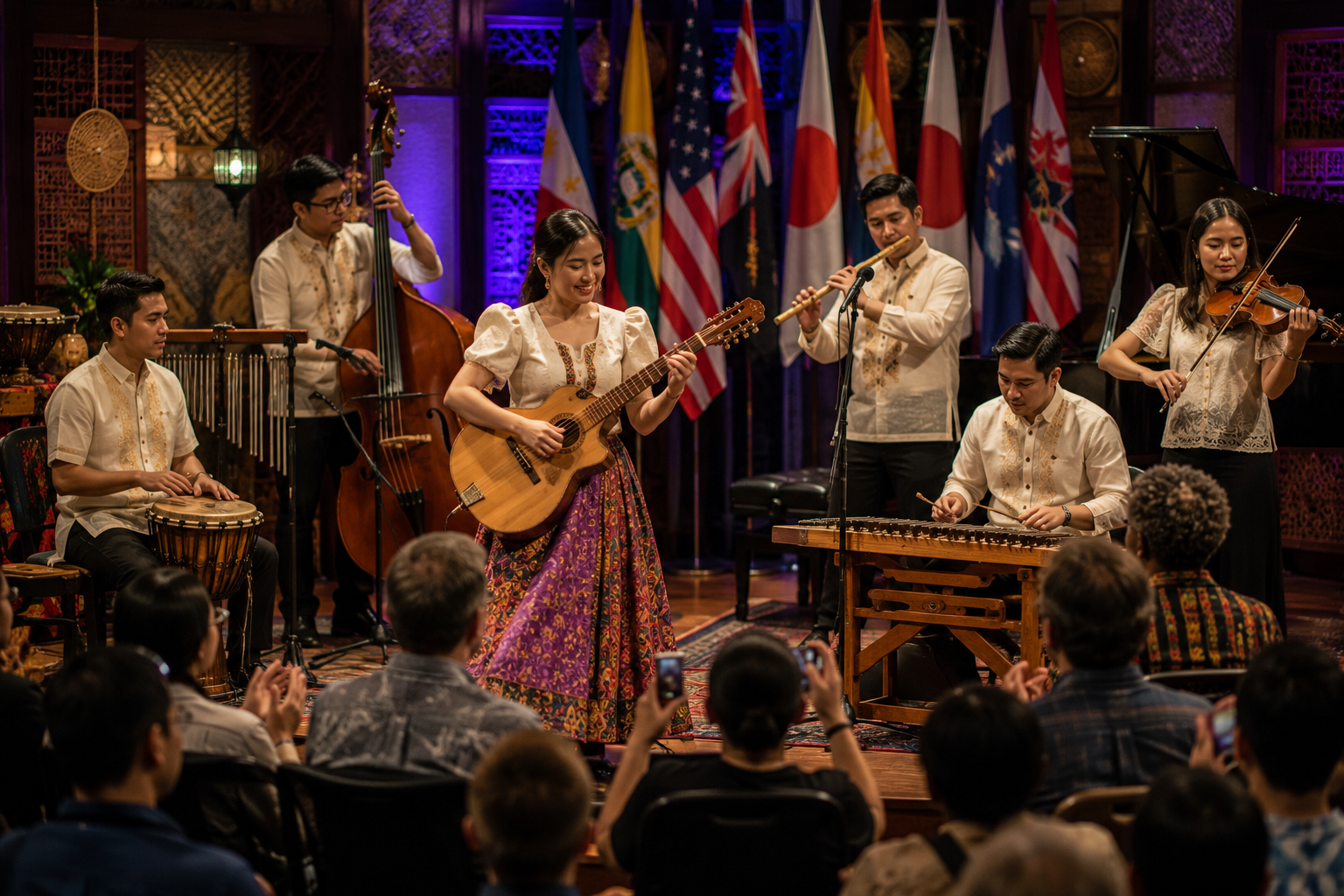
MANILA, Philippines — Filipino musicians are gaining greater international recognition as cultural exchange events around the world provide new opportunities to showcase their talent, share Philippine musical traditions, and connect with audiences from diverse cultural backgrounds. Through international festivals, cultural showcases, educational exchanges, collaborative performances, and community-driven events, Filipino artists are expanding their reach while contributing to the growing global appreciation of Philippine music and culture.
Music has always played a central role in Filipino life and cultural identity. Across generations, music has served as a means of storytelling, celebration, spiritual expression, and community building. From indigenous musical traditions and regional folk songs to contemporary genres that reflect modern influences, Philippine music represents a rich and diverse cultural heritage. Cultural exchange events have become important platforms for introducing this heritage to international audiences who may have limited exposure to Filipino artistic traditions.
As global cultural exchanges continue to expand, organizers increasingly recognize music as one of the most effective tools for fostering understanding and connection among people from different backgrounds. Music transcends language barriers and creates shared experiences that bring communities together. Filipino musicians participating in international events are finding that their performances resonate strongly with audiences who appreciate both the technical excellence and emotional depth that characterize many forms of Philippine music.
Traditional Filipino music remains a significant component of many cultural exchange programs. Musicians often perform pieces that highlight indigenous instruments, regional traditions, and historical influences that have shaped Philippine musical culture over centuries. These performances provide audiences with opportunities to experience sounds, rhythms, and artistic expressions that are unique to the Philippines. Cultural advocates emphasize that preserving and promoting traditional music is essential for maintaining cultural heritage while educating global audiences about the country's rich artistic history.
Many cultural exchange events also feature contemporary Filipino musicians whose work blends traditional influences with modern styles. These artists demonstrate how Philippine music continues to evolve while remaining connected to its cultural roots. Through innovative compositions and creative collaborations, contemporary musicians are helping broaden international perceptions of Filipino artistry. Their ability to bridge tradition and modernity appeals to diverse audiences while showcasing the dynamic nature of Philippine culture.
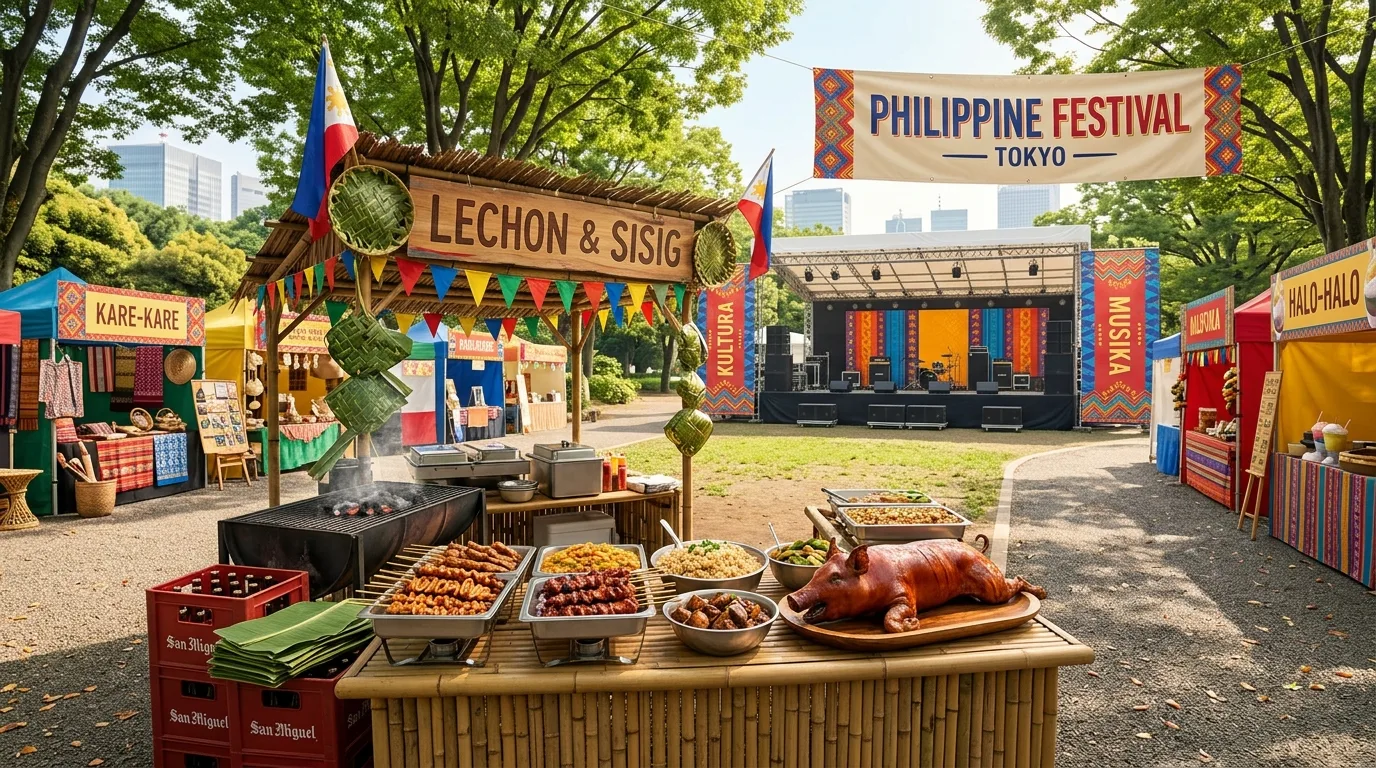
International festivals have become valuable venues for Filipino musicians seeking broader exposure. These events bring together artists from different countries, creating opportunities for performance, collaboration, and cultural dialogue. Participation allows Filipino musicians to introduce their work to new audiences while learning from fellow artists representing a variety of musical traditions. Organizers frequently describe such interactions as mutually beneficial because they encourage creativity, artistic growth, and cross-cultural understanding.
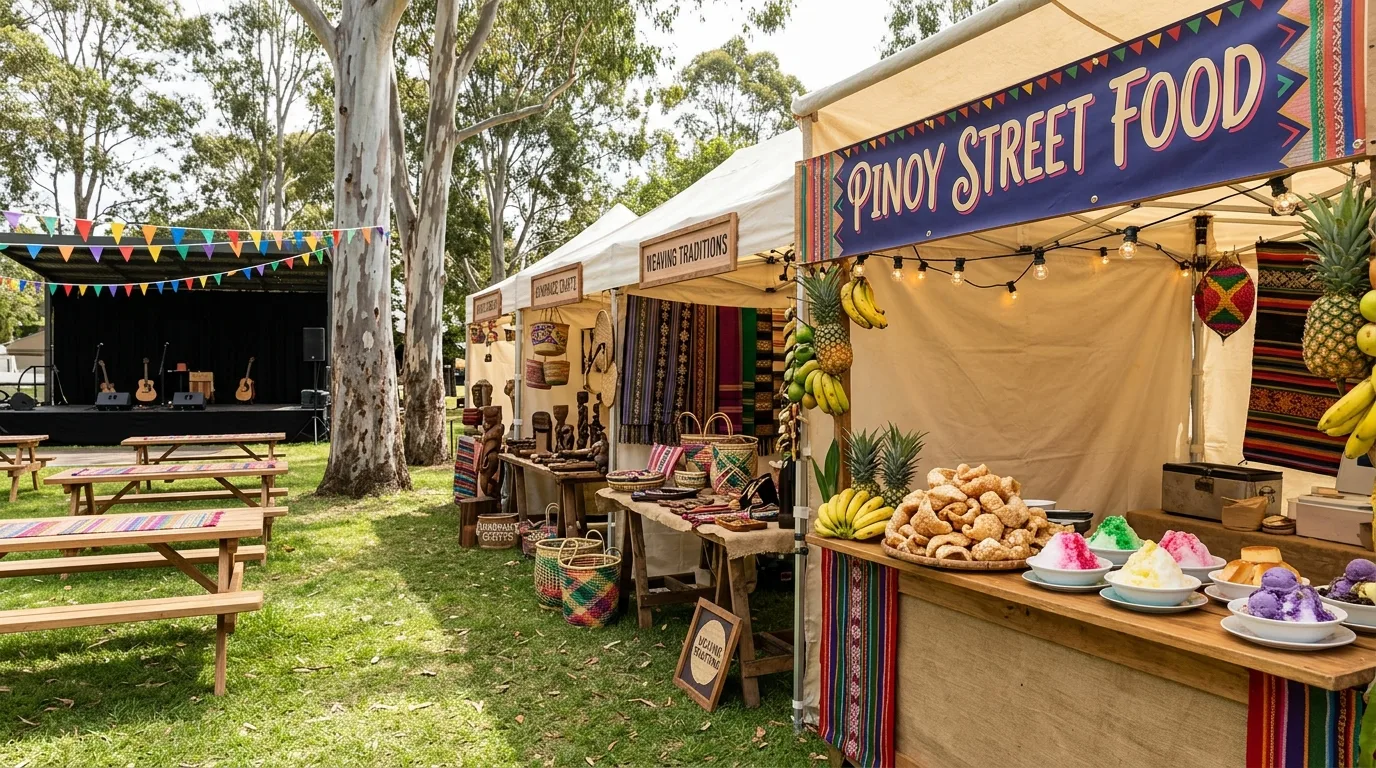
The growing presence of Filipino musicians at cultural exchange events reflects the increasing visibility of Filipino communities around the world. Overseas Filipino organizations often play important roles in organizing and supporting cultural programs that feature musical performances. These events provide opportunities for communities to celebrate their heritage while sharing it with wider audiences. Community leaders view music as a powerful cultural ambassador that strengthens identity and fosters positive engagement with multicultural societies.
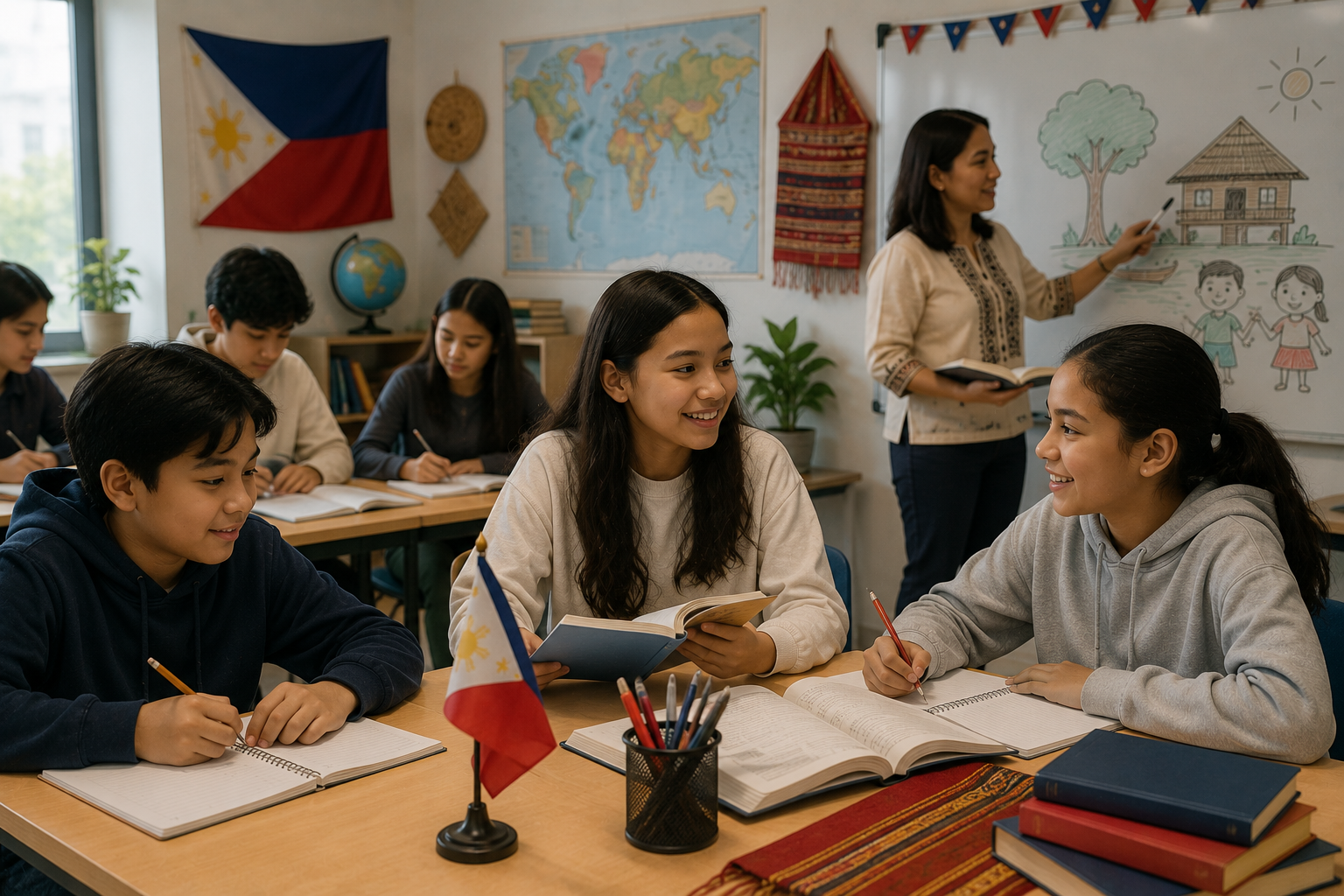
Educational institutions have become important partners in many cultural exchange initiatives. Universities, conservatories, schools, and cultural centers frequently collaborate on programs that include performances, workshops, lectures, and artist residencies. These partnerships create opportunities for students and audiences to engage directly with Filipino musicians while learning about Philippine culture and artistic traditions. Educators note that such exchanges enrich learning experiences and encourage greater appreciation for cultural diversity.
The role of young musicians has become increasingly significant within international cultural programs. Emerging artists are embracing opportunities to represent Philippine culture while exploring new creative directions. Many young performers combine strong technical skills with innovative approaches that reflect contemporary perspectives. Their participation helps ensure that Filipino music remains relevant and accessible to younger audiences while strengthening the future of cultural exchange initiatives.
Technology has dramatically expanded opportunities for Filipino musicians to reach global audiences. Social media platforms, streaming services, digital performances, and virtual cultural events allow artists to share their work far beyond physical venues. A single performance at a cultural exchange event can now reach thousands or even millions of viewers through online platforms. Musicians and organizers alike recognize the value of digital engagement in amplifying visibility and promoting cultural awareness.
Collaborative performances have emerged as one of the most exciting aspects of cultural exchange events. Filipino musicians frequently work alongside artists from different countries, blending musical traditions and creating unique artistic experiences. These collaborations demonstrate the universal nature of music while highlighting the value of cultural diversity. Audiences often respond enthusiastically to performances that showcase creative exchanges between different musical traditions.
The international recognition gained through cultural exchange events often leads to additional opportunities for Filipino musicians. Invitations to perform at festivals, educational institutions, cultural organizations, and community events can help artists expand their careers while continuing to promote Philippine culture. Many musicians view cultural exchanges as important stepping stones that open doors to broader international engagement and professional development.
Community support remains essential to the success of many artists participating in cultural exchange programs. Families, cultural organizations, government agencies, educational institutions, and community groups often contribute resources and encouragement that make participation possible. Organizers frequently emphasize that achievements on international stages are the result of collective efforts that extend beyond individual performers. This spirit of support reflects the Filipino values of cooperation, encouragement, and community engagement.
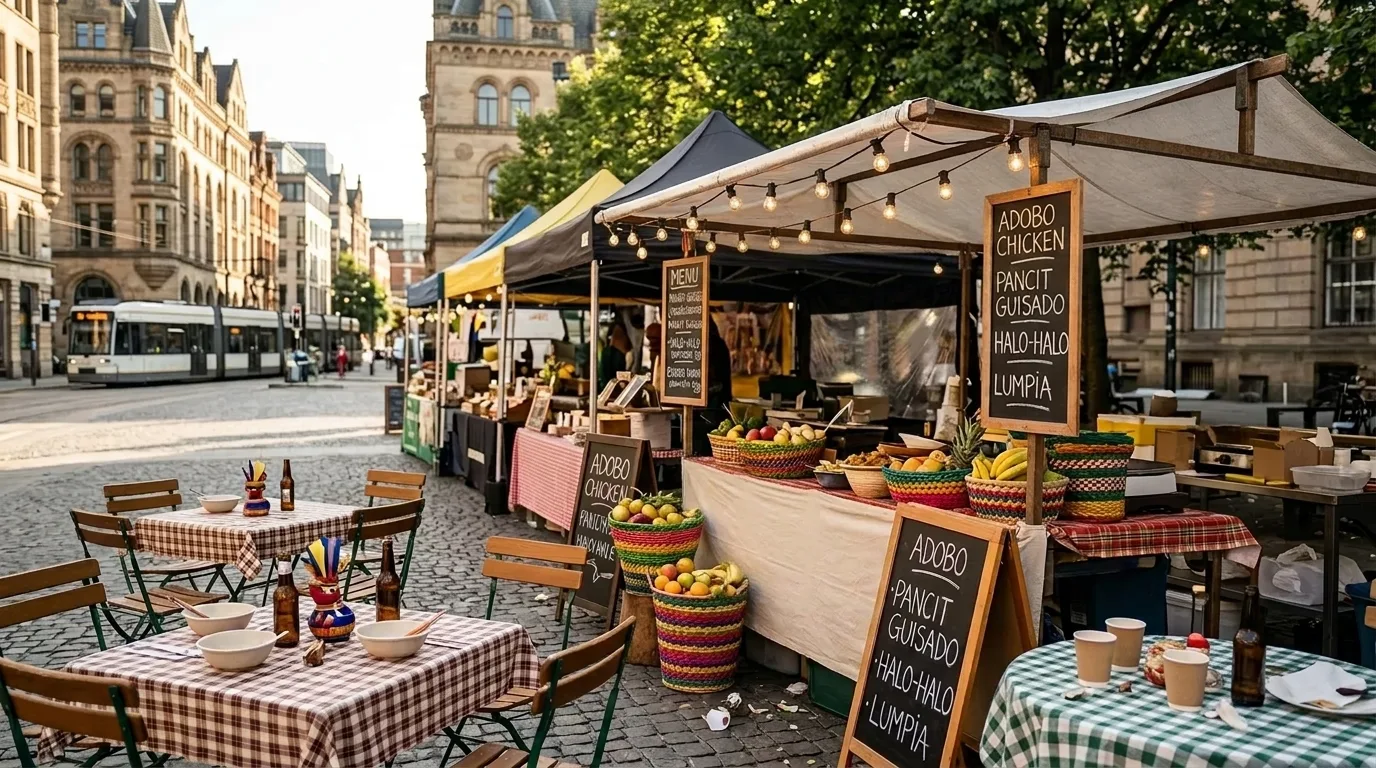
Many cultural exchange events also contribute to tourism promotion and cultural diplomacy. Audiences who develop interest in Philippine music often become curious about other aspects of Filipino culture, including cuisine, traditions, destinations, and history. Cultural performances help create positive impressions that strengthen international relationships while enhancing the visibility of the Philippines as a culturally rich and diverse nation.
The economic benefits associated with international exposure should not be overlooked. Increased visibility can create opportunities for recordings, performances, educational projects, cultural partnerships, and creative collaborations that contribute to the growth of the cultural and creative industries. Industry observers note that supporting artists through cultural exchange initiatives can generate both cultural and economic value over time.
The preservation of cultural heritage remains an important objective for many musicians participating in exchange programs. By performing traditional music and sharing historical context, artists help ensure that important cultural knowledge continues to be transmitted to future generations. Cultural advocates stress that international recognition should complement, rather than replace, efforts to maintain authenticity and respect for traditional forms of expression.
The growing popularity of cultural exchange events reflects broader global interest in diverse artistic traditions. Audiences are increasingly seeking authentic cultural experiences that offer meaningful insights into different societies and ways of life. Filipino musicians are well-positioned to meet this demand because of the richness and diversity of Philippine musical heritage. Their performances provide opportunities for audiences to discover new perspectives while celebrating shared human experiences.
Looking ahead, organizers expect cultural exchange programs to continue expanding in scope and impact. New partnerships, digital innovations, educational collaborations, and international festivals are creating additional opportunities for Filipino musicians to share their talents with global audiences. Community leaders remain optimistic that these initiatives will strengthen cultural preservation while supporting artistic development and international engagement.
Ultimately, the success of Filipino musicians in cultural exchange events demonstrates the power of music to connect people across borders and cultures. Through their artistry, performers are introducing audiences to the beauty and diversity of Philippine musical traditions while building bridges of understanding and appreciation.
As more Filipino musicians gain recognition on international stages, they continue to serve as cultural ambassadors who represent the creativity, resilience, and talent of the Filipino people. Their achievements not only bring pride to communities around the world but also help ensure that Philippine music remains a vibrant and influential part of the global cultural landscape. Through every performance, collaboration, and cultural exchange, Filipino artists are sharing a story of heritage, innovation, and connection that resonates far beyond national boundaries.
Enjoyed this story?
Share this story