Filipino Musicians Gain International Audiences Through Cultural Exchange Programs
Share
June 16, 2026
Updated Oct 16, 2026
8 min read
229 views
MANILA, Philippines — Filipino musicians are increasingly finding opportunities to connect with international audiences through cultural exchange programs that promote artistic collaboration, cultural understanding, and creative dialogue among nations. These initiatives are opening new doors for Filipino artists to share their musical traditions, contemporary works, and unique creative perspectives with audiences around the world while strengthening the global presence of Philippine music and culture.
Across Asia, Europe, North America, Australia, the Middle East, and other regions, cultural exchange programs have become valuable platforms for musicians seeking to engage with diverse audiences and collaborate with fellow artists from different backgrounds. Through concerts, workshops, artist residencies, educational programs, festivals, and collaborative performances, Filipino musicians are contributing to international cultural conversations while introducing global audiences to the richness and diversity of Philippine musical traditions.
The Philippines has long been recognized as a nation with a deep appreciation for music. From traditional indigenous sounds and regional folk music to classical compositions, contemporary genres, and modern popular music, the country possesses a vibrant musical landscape shaped by centuries of cultural influences and artistic development. Music remains an important part of everyday life for many Filipinos, serving as a medium for storytelling, celebration, worship, education, and cultural expression. Cultural exchange programs are helping bring this musical heritage to wider international audiences.
Many musicians participating in exchange initiatives view these opportunities as more than performances. They serve as occasions to represent Philippine culture, share personal stories, and engage in meaningful interactions with artists and audiences from around the world. Through music, cultural barriers can often be overcome, allowing individuals from different backgrounds to connect through shared experiences and emotional expression. Organizers frequently describe music as one of the most effective tools for promoting intercultural understanding and dialogue.
Traditional Filipino music has become an important feature of many cultural exchange programs. Artists often perform compositions inspired by indigenous traditions, regional folk songs, and historical musical practices that reflect the diverse cultural identities found throughout the Philippine archipelago. These performances introduce audiences to musical forms that may be unfamiliar while providing valuable insights into the country's history, communities, and cultural heritage. Cultural experts note that traditional music serves as an important bridge between generations while preserving valuable cultural knowledge.
Indigenous musical traditions have received growing attention within international cultural exchanges. Musicians and cultural advocates work to highlight instruments, melodies, rhythms, and performance practices that originate from indigenous communities throughout the Philippines. These presentations help raise awareness of cultural diversity while promoting respect for indigenous heritage and artistic contributions. Participants often emphasize the importance of preserving traditional knowledge while sharing it responsibly with global audiences.
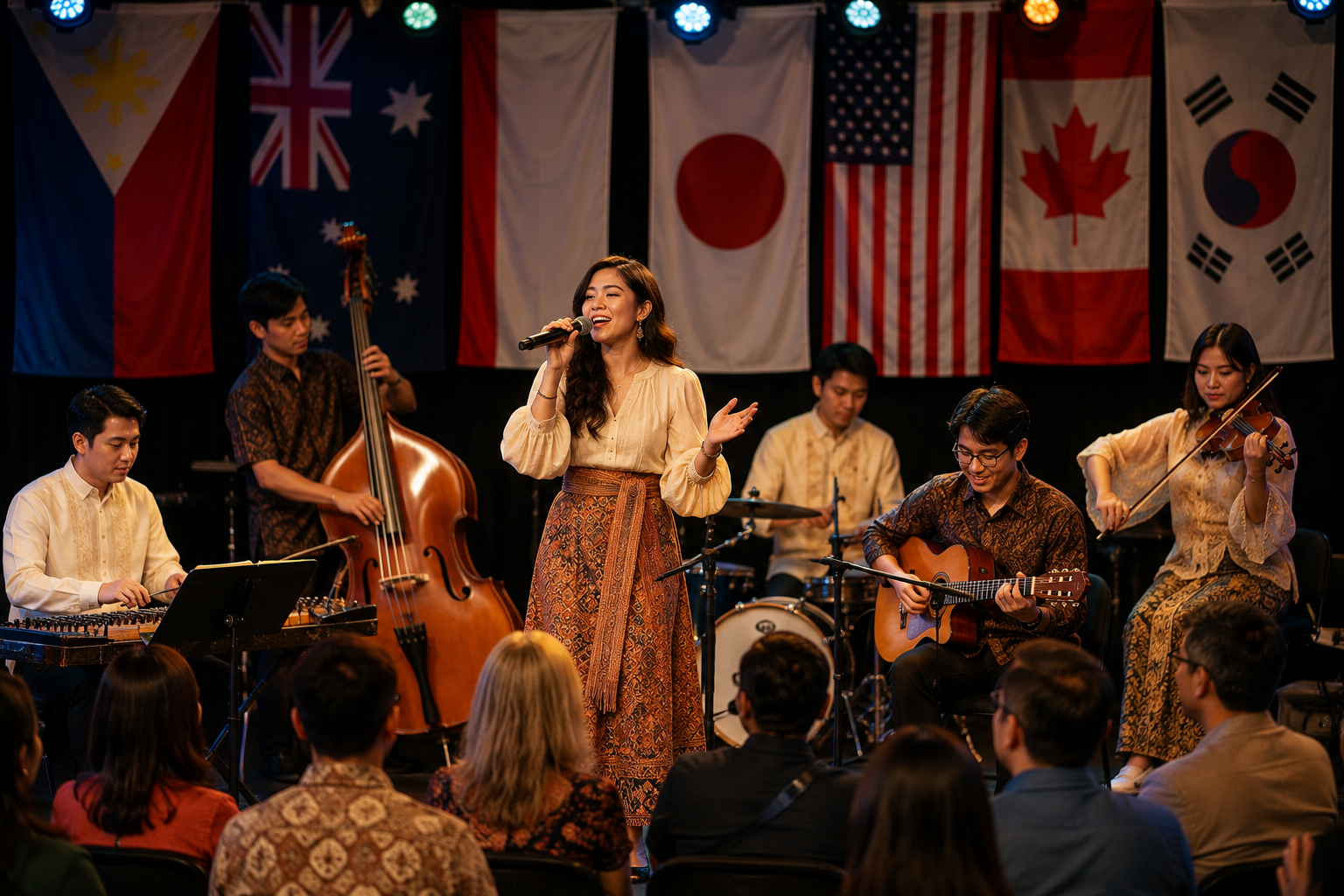
Contemporary Filipino musicians are also benefiting from exchange opportunities that allow them to present original works and innovative interpretations of Philippine culture. Artists working in genres such as pop, jazz, classical, world music, electronic music, and experimental sound are increasingly collaborating with international counterparts. These collaborations often result in creative projects that blend different musical traditions and perspectives, producing new works that resonate with audiences across cultural boundaries.
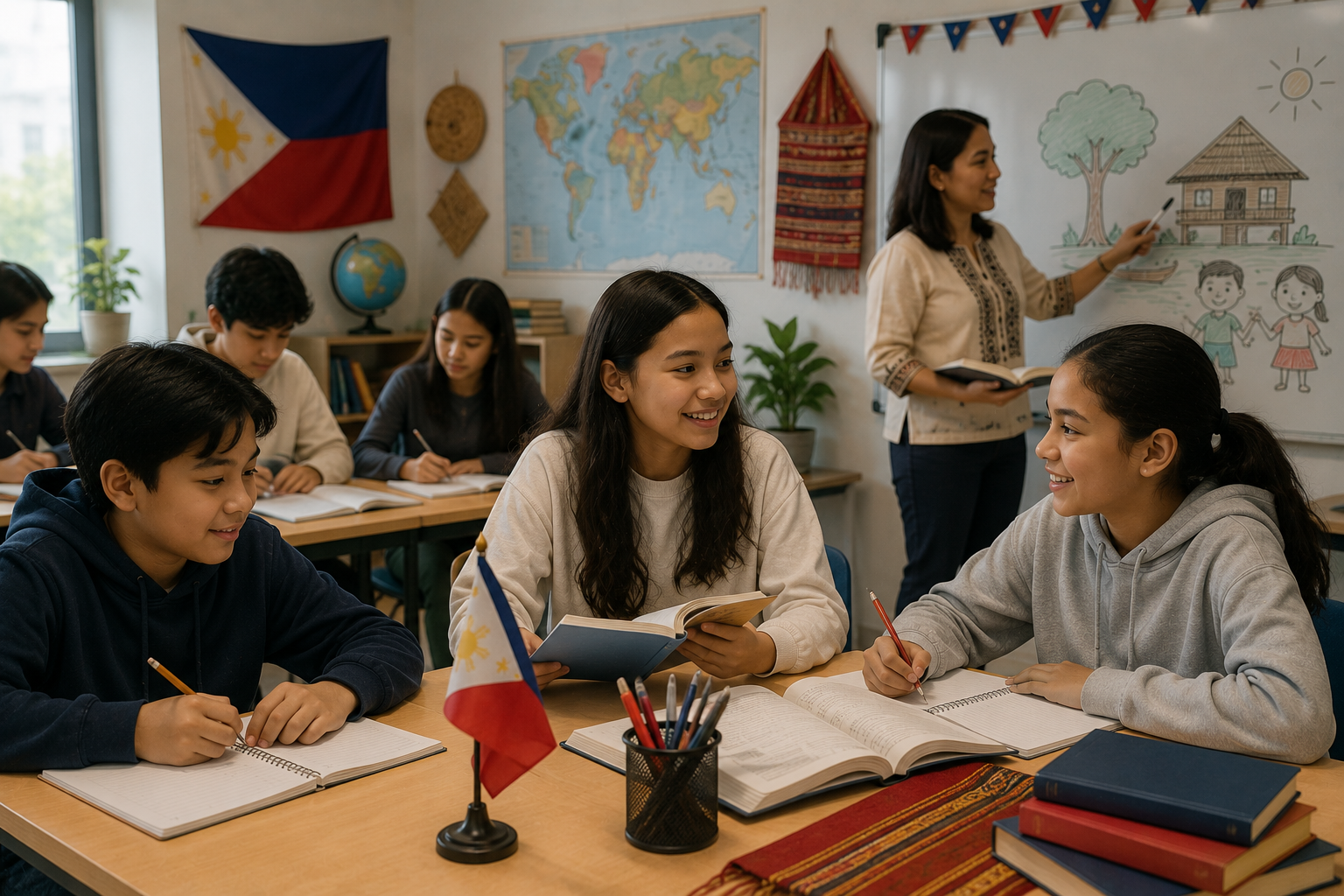
Educational exchange programs have become particularly valuable for emerging Filipino musicians. Through workshops, masterclasses, academic partnerships, and artist residencies, participants gain exposure to different artistic approaches, performance techniques, and professional practices. These experiences help musicians expand their skills while building networks that support future collaborations and career development. Educators and cultural leaders believe that international learning opportunities contribute significantly to artistic growth and innovation.
The rise of digital technology has amplified the impact of cultural exchange programs. Online performances, virtual collaborations, livestream concerts, and digital music platforms enable Filipino musicians to reach audiences far beyond physical event venues. Technology allows artists to maintain connections with international collaborators while expanding access to cultural programming for audiences worldwide. Organizers note that digital engagement has become an important complement to traditional exchange activities, increasing visibility and participation.
Many cultural exchange programs emphasize collaboration rather than simple performance. Musicians often work alongside artists from different countries to create new compositions, reinterpret existing works, and explore shared themes through music. These collaborative efforts foster mutual learning while encouraging participants to appreciate different artistic traditions and perspectives. Cultural advocates view collaboration as one of the most meaningful aspects of international exchange because it promotes genuine dialogue and creative partnership.
The participation of young Filipino musicians has become increasingly important in international cultural initiatives. Emerging artists bring fresh perspectives, innovative ideas, and strong interest in cross-cultural engagement. Many young musicians are comfortable working across genres and utilizing digital tools that facilitate international collaboration. Their involvement ensures that Philippine music continues to evolve while remaining connected to cultural roots and traditions.
Filipino musicians abroad also play significant roles in promoting Philippine culture through exchange programs. Members of the Filipino diaspora often serve as cultural ambassadors who organize performances, educational activities, and collaborative projects within their host countries. These efforts help strengthen cultural connections between overseas communities and the Philippines while introducing broader audiences to Filipino music and heritage. Community leaders emphasize that diaspora involvement contributes significantly to the international visibility of Philippine culture.
International festivals have become important venues for showcasing Filipino musical talent. Cultural festivals, world music events, academic conferences, and performing arts gatherings provide opportunities for artists to present their work before diverse audiences. Participation in these events often leads to new professional opportunities, media exposure, and invitations for future collaborations. Festival organizers frequently recognize Filipino musicians for their artistry, technical skill, and engaging performances.
Music education institutions have also played critical roles in supporting cultural exchange efforts. Universities, conservatories, cultural centers, and arts organizations often facilitate international partnerships that provide musicians with access to educational resources and performance opportunities. These institutions help create pathways for cultural exchange while supporting the development of future generations of artists. Educational leaders view international engagement as an important component of artistic and professional growth.
The increasing visibility of Filipino musicians contributes positively to the global perception of Philippine culture. Through performances and collaborative projects, artists help challenge stereotypes while demonstrating the creativity, diversity, and sophistication of the country's artistic traditions. Cultural observers note that music often serves as an accessible and powerful introduction to broader aspects of Philippine heritage and identity.
Economic opportunities associated with international exposure can also benefit musicians and the broader creative sector. Successful participation in cultural exchange programs may lead to recording projects, touring opportunities, teaching engagements, artistic commissions, and professional collaborations. These opportunities support career development while strengthening the economic sustainability of creative industries. Industry stakeholders recognize cultural exchange as an important contributor to artistic growth and professional advancement.
Community support remains essential to the success of many musicians participating in international programs. Families, cultural organizations, educational institutions, sponsors, and audiences provide encouragement and resources that enable artists to pursue opportunities abroad. Many musicians acknowledge that strong community support networks play crucial roles in helping them achieve success and represent Philippine culture effectively.
The influence of cultural exchange extends beyond individual artists. Audiences who experience Filipino music often develop greater interest in Philippine history, traditions, languages, and cultural practices. These experiences contribute to broader cultural understanding while encouraging international dialogue and appreciation. Organizers frequently highlight the educational value of exchange programs and their ability to build connections between communities.
Many musicians describe cultural exchange experiences as transformative. Exposure to different artistic traditions and perspectives often inspires new creative directions while deepening appreciation for their own cultural heritage. Artists frequently return from international programs with expanded skills, broader networks, and renewed commitment to their craft. Cultural leaders believe that these experiences strengthen both individual careers and the overall vitality of the Philippine music sector.
Looking ahead, experts anticipate continued growth in opportunities for Filipino musicians to participate in international cultural exchanges. Expanding global interest in diverse cultural expressions, increased digital connectivity, and stronger institutional partnerships are expected to create additional pathways for artistic engagement. New technologies and innovative program formats may further enhance accessibility and participation while reaching broader audiences.
Many organizations are also exploring ways to strengthen support systems for musicians seeking international opportunities. Scholarship programs, funding initiatives, mentorship networks, and cultural partnerships are helping reduce barriers to participation while encouraging greater representation of Filipino artists on the global stage. Stakeholders emphasize that sustained investment in cultural exchange will be essential for maximizing future opportunities.
Ultimately, the growing success of Filipino musicians in international cultural exchange programs reflects the strength, diversity, and global appeal of Philippine music. Through performances, collaborations, educational initiatives, and artistic innovation, these musicians are helping introduce audiences around the world to the richness of Filipino culture while fostering understanding across cultural boundaries.
As more artists continue to engage with international audiences, they strengthen the role of music as a bridge between communities, cultures, and nations. Their achievements demonstrate how artistic expression can transcend language and geography while creating meaningful connections among people from different backgrounds. Through their talent, dedication, and cultural pride, Filipino musicians continue to elevate Philippine music on the world stage and inspire future generations of artists to share their voices with global audiences.
Enjoyed this story?
Share this story