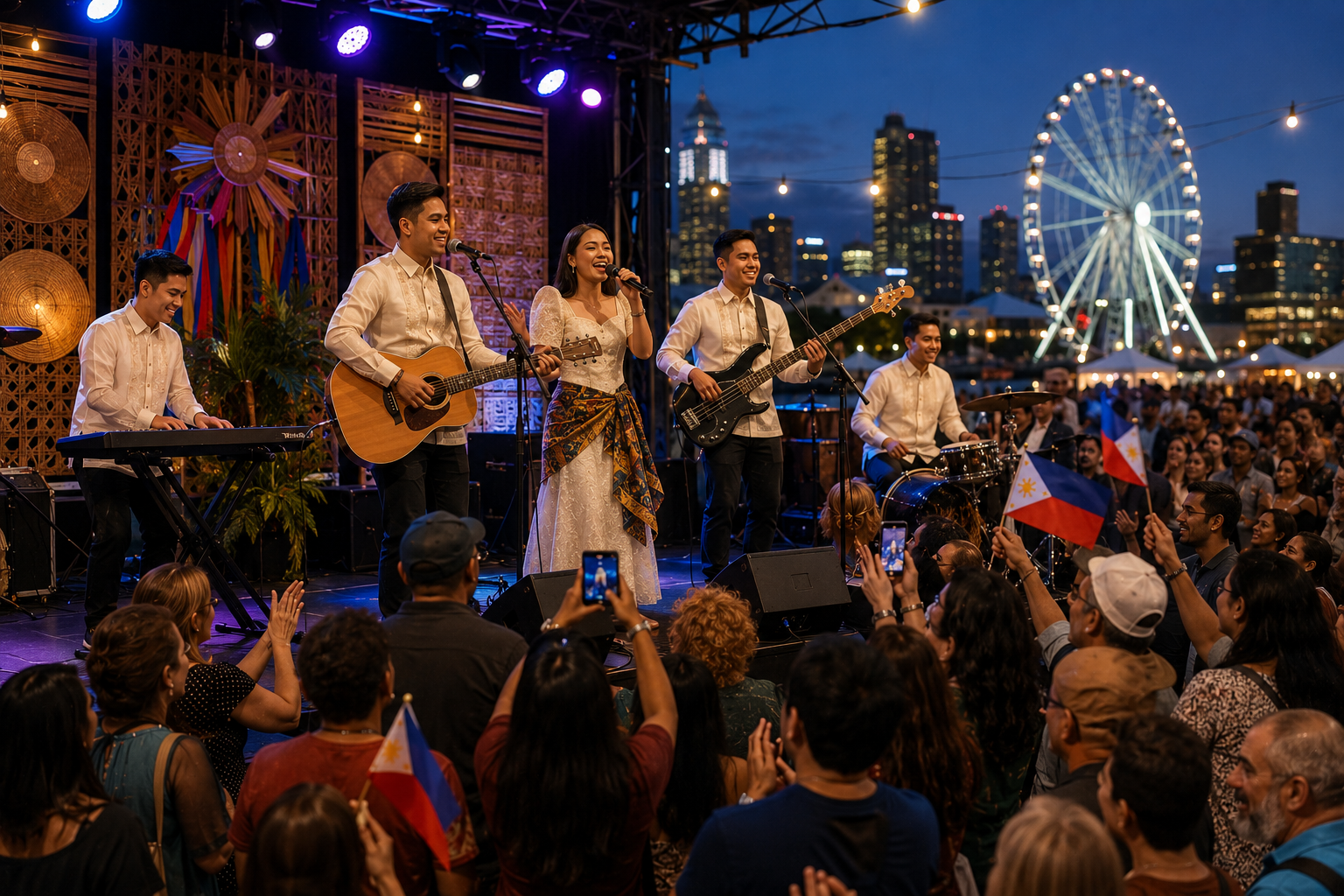
Filipino Musicians Reach New Global Audiences Through Community-Led Events
Share
June 24, 2026
Updated Oct 16, 2026
8 min read
334 views
MANILA, Philippines — Filipino musicians are finding new opportunities to connect with international audiences through community-led events organized by Filipino associations, cultural organizations, civic groups, and community networks around the world. Across North America, Europe, Asia, Australia, and the Middle East, Filipino communities are creating platforms that allow musicians to showcase their talents, celebrate cultural heritage, and engage with audiences far beyond traditional performance venues. These events are helping elevate the visibility of Filipino music while strengthening cultural connections and expanding opportunities for artists to reach listeners from diverse backgrounds.
Music has long been one of the most recognizable aspects of Filipino culture. From traditional folk songs and indigenous musical traditions to contemporary pop, jazz, classical, rock, and original Filipino music, the Philippines has produced generations of talented performers who have gained recognition both locally and internationally. Community leaders explain that music plays a central role in Filipino celebrations, family gatherings, cultural festivals, and social events, making it a natural tool for bringing people together and sharing cultural identity.
In recent years, community-led events have become increasingly important in supporting musicians and promoting Filipino artistic talent abroad. While large commercial concerts and major entertainment productions continue to attract audiences, many musicians are discovering that grassroots cultural festivals, community celebrations, charity concerts, and local cultural programs provide meaningful opportunities to connect directly with audiences. Organizers note that these events often create more personal and interactive experiences that strengthen relationships between artists and listeners.
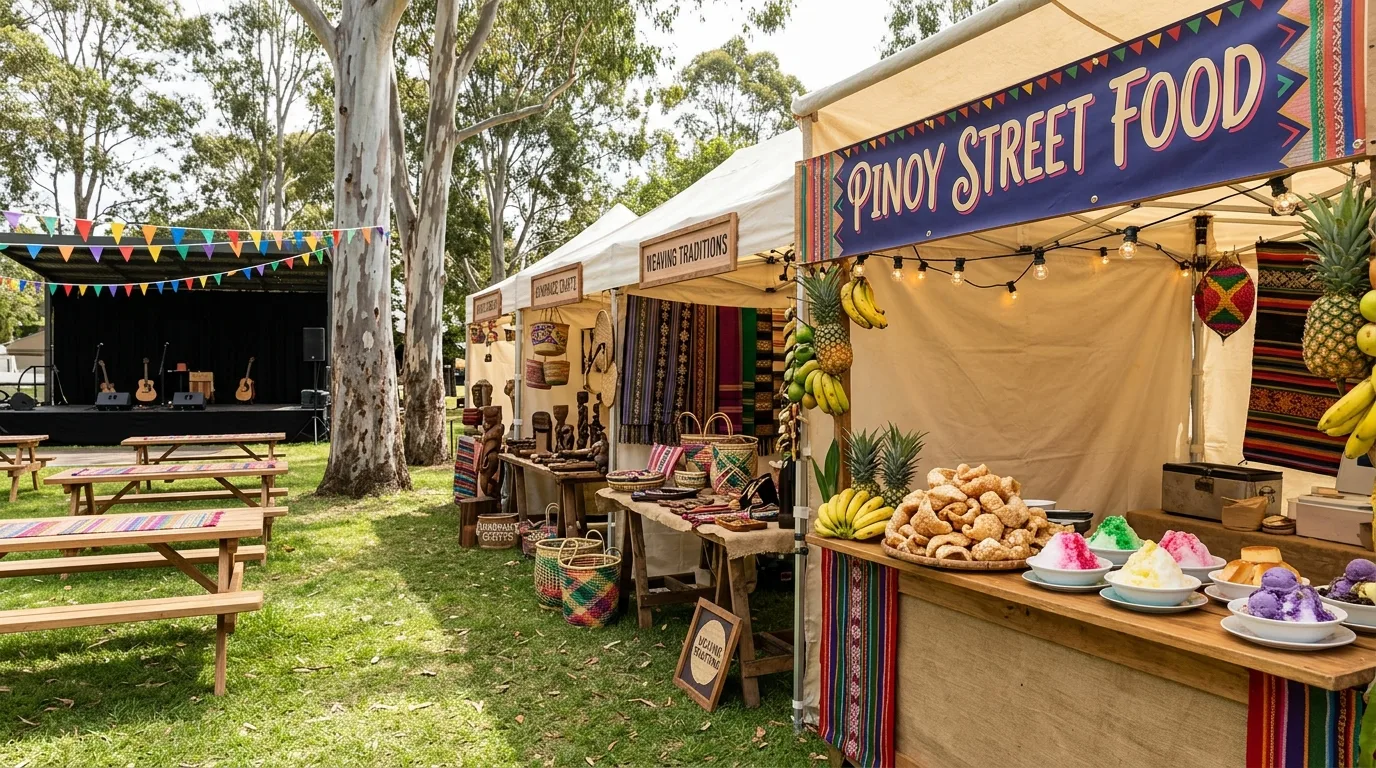
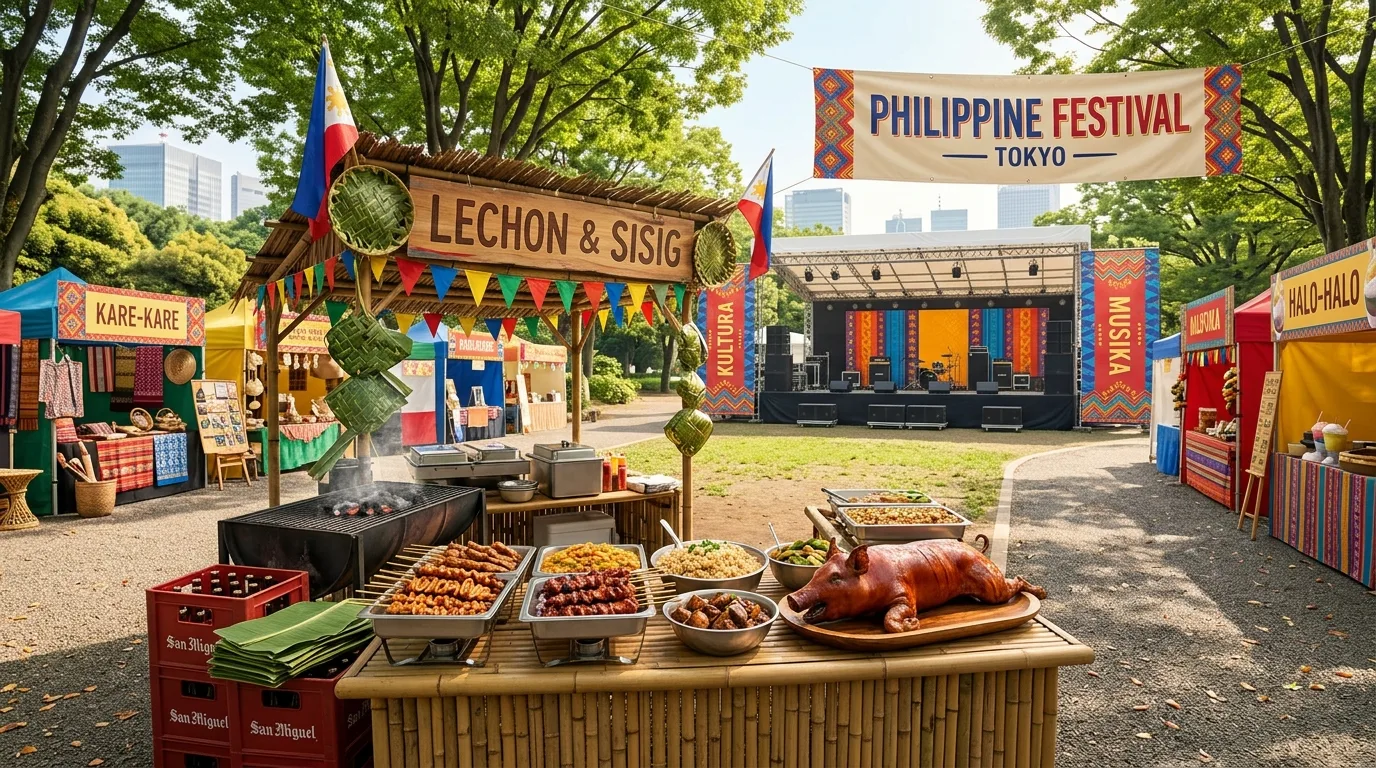
Filipino communities abroad have demonstrated a strong commitment to supporting musicians through a wide variety of cultural activities. Community associations regularly organize festivals, heritage celebrations, Independence Day programs, multicultural showcases, and fundraising events that feature Filipino performers. These gatherings not only entertain audiences but also serve as important venues for cultural preservation and artistic expression. Community leaders emphasize that local support plays a crucial role in helping musicians develop their careers and reach broader audiences.
One of the reasons community-led events have become effective platforms for musicians is their ability to attract diverse participants. While many attendees are members of Filipino communities, cultural festivals often welcome people from different nationalities and backgrounds. Visitors who may have limited familiarity with Philippine music are introduced to a wide range of artistic styles and traditions. Organizers report that audiences frequently express appreciation for the musical talent and cultural richness they encounter during these events.
Traditional Filipino music continues to attract significant interest during community-led festivals. Folk songs, indigenous musical performances, rondalla ensembles, and traditional instrumental presentations offer audiences unique opportunities to experience cultural traditions that have been preserved across generations. Cultural advocates explain that showcasing traditional music helps maintain heritage while educating younger generations and international audiences about the country's diverse artistic legacy.
Contemporary Filipino musicians are also benefiting from increased participation in community events. Many artists perform original compositions, modern interpretations of traditional music, and contemporary genres that appeal to younger audiences. Through these performances, musicians demonstrate the dynamic and evolving nature of Philippine music while creating connections with listeners who appreciate modern artistic expression. Organizers note that the combination of traditional and contemporary programming helps attract audiences of all ages.
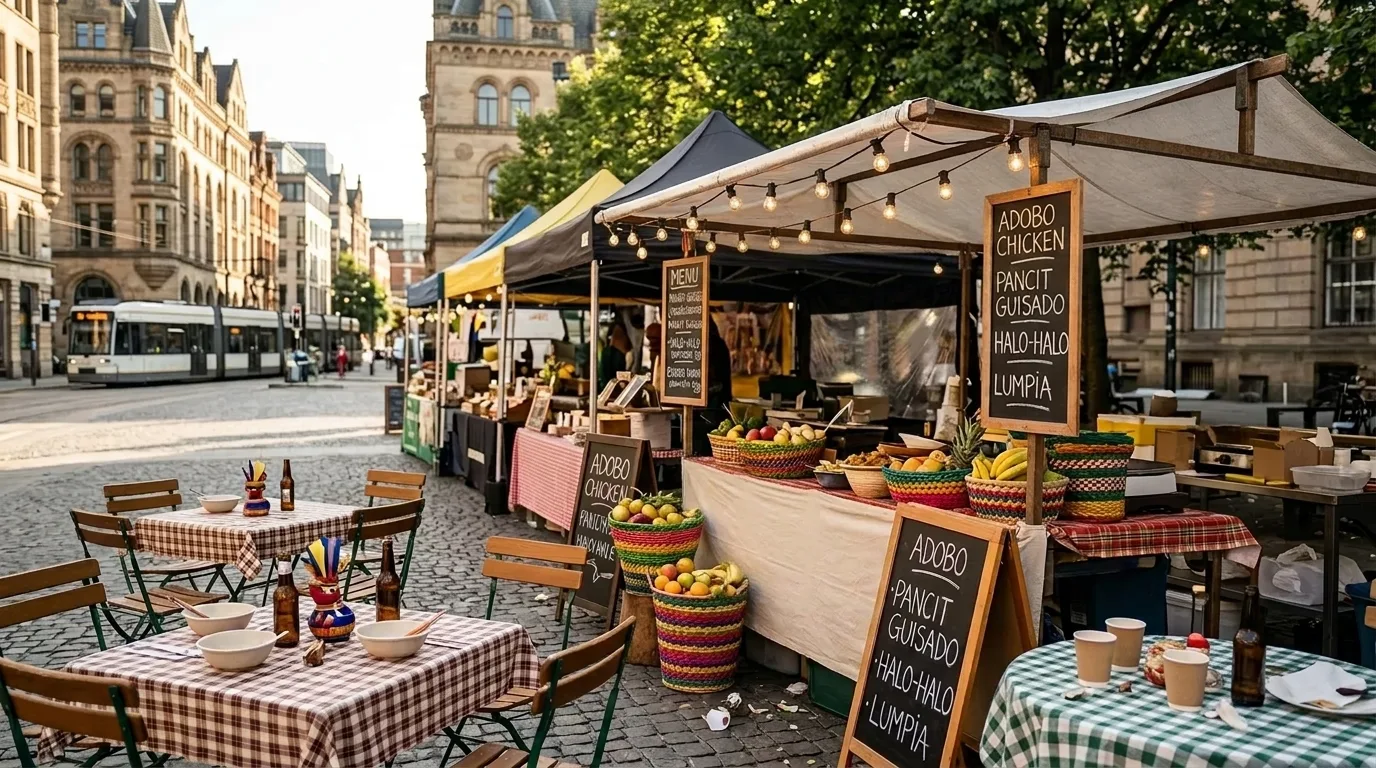
The growth of multicultural festivals has further expanded opportunities for Filipino musicians. Events that celebrate cultural diversity frequently invite performers representing various communities to share their artistic traditions. Filipino musicians often participate alongside artists from different countries, creating opportunities for collaboration, cultural exchange, and mutual appreciation. Community leaders believe these interactions contribute to stronger intercultural understanding while highlighting the universal language of music.
Technology has significantly enhanced the reach of community-led music events. Livestream broadcasts, social media platforms, online video sharing, and digital marketing campaigns allow performances to reach audiences far beyond event venues. Musicians who perform at local community festivals can now gain exposure to viewers around the world through digital platforms. Organizers report that online engagement has become an important factor in helping artists build audiences and expand their visibility internationally.
Many Filipino musicians view community events as opportunities to strengthen connections with their cultural roots while exploring new artistic possibilities. For artists living abroad, performing at Filipino cultural gatherings often provides meaningful opportunities to celebrate heritage and share personal experiences through music. These performances help reinforce cultural identity while fostering a sense of belonging among community members.
Young Filipino musicians have become increasingly active participants in community-led events. Student performers, emerging artists, and youth music groups regularly take part in cultural festivals and local programs. Community leaders emphasize that youth involvement is essential for ensuring the continued vitality of Filipino music traditions. By providing platforms for young performers, organizations help nurture future generations of musicians while encouraging creative development and cultural engagement.
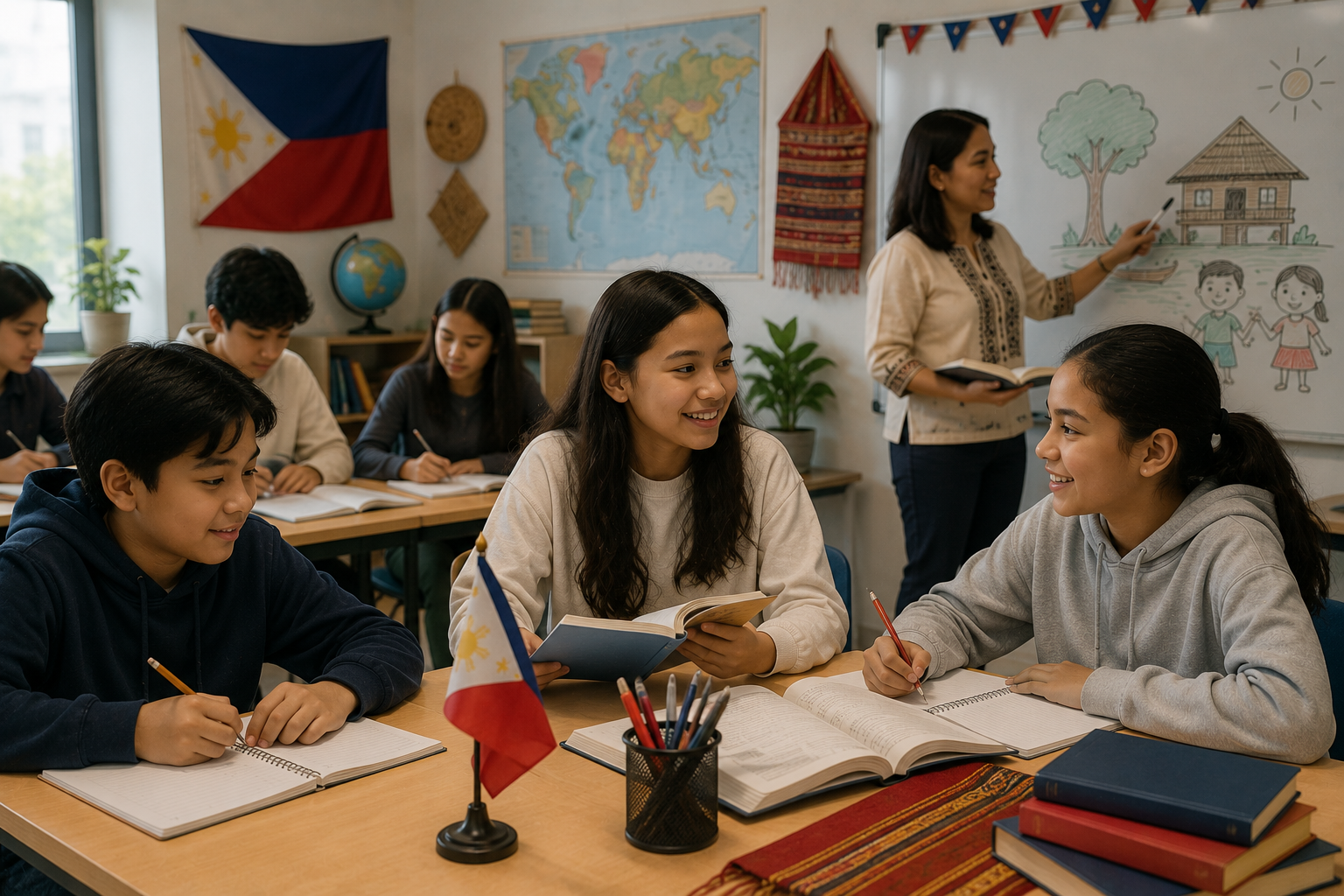
Community-led music events often include educational components designed to deepen appreciation for Filipino musical traditions. Workshops, discussions, cultural presentations, and interactive activities provide audiences with opportunities to learn about musical instruments, performance styles, historical influences, and cultural significance. Organizers believe that education enhances audience engagement while promoting greater understanding of Philippine arts and culture.
The participation of Filipino musicians in international community events also contributes to cultural diplomacy. Through music, artists create positive representations of the Philippines while fostering goodwill and understanding among diverse audiences. Community leaders note that cultural engagement often serves as an effective way to build relationships and strengthen international connections at the grassroots level. Music provides common ground where people from different backgrounds can interact and share meaningful experiences.
Many musicians have reported that community events serve as important stepping stones in their professional journeys. Performances at local festivals and cultural gatherings often lead to invitations for larger events, collaborations with other artists, recording opportunities, and increased public recognition. Organizers explain that community support can play a significant role in helping artists develop confidence, gain experience, and expand their professional networks.
Filipino choirs and vocal ensembles continue to earn recognition through participation in community programs and cultural festivals. Known for their strong musical traditions and vocal excellence, many Filipino groups have attracted positive attention from audiences and event organizers worldwide. Their performances often become highlights of cultural celebrations and contribute to the growing reputation of Filipino musical talent internationally.
Instrumental musicians are also finding new opportunities through community-led initiatives. Guitarists, pianists, violinists, percussionists, and traditional instrumental performers regularly participate in cultural events that showcase a broad range of musical styles. Community leaders note that instrumental performances provide additional opportunities to demonstrate artistic skill while introducing audiences to unique aspects of Philippine musical traditions.
The spirit of bayanihan remains evident in the organization of music events across global Filipino communities. Volunteers, organizers, sponsors, cultural advocates, and community members work together to support performers and ensure successful programs. Many events rely on collective effort and community participation, reflecting traditional Filipino values of cooperation and mutual support. Organizers view this collaborative approach as one of the strengths of community-led cultural initiatives.
Partnerships between community organizations, cultural institutions, educational establishments, and local governments have further strengthened opportunities for musicians. Collaborative projects provide access to venues, funding, promotional resources, and professional expertise that help improve event quality and expand audience reach. Community leaders emphasize that partnerships contribute significantly to the sustainability and growth of music programs.
The economic impact of community-supported music initiatives is becoming increasingly visible. Musicians, event organizers, vendors, technical professionals, and cultural organizations all benefit from increased participation and audience engagement. Community festivals often generate activity that supports local businesses while contributing to broader cultural and creative industries.
Many organizers believe that community-led events will continue to play an important role in promoting Filipino musicians in the years ahead. Growing interest in cultural diversity, expanding digital platforms, increasing youth participation, and stronger international networks are expected to create new opportunities for artists and audiences alike. Community leaders remain optimistic about the future of Filipino music and its ability to connect people across cultures and generations.
The success of Filipino musicians at community-led events reflects the enduring appeal of music as a tool for cultural expression, education, and connection. Whether through traditional performances, contemporary compositions, collaborative projects, or multicultural festivals, musicians continue to inspire audiences while sharing the stories, values, and creativity that define Filipino culture.
Ultimately, the growing visibility of Filipino musicians through community-led events demonstrates the power of grassroots cultural initiatives to create meaningful opportunities for artists and communities. Through dedication, talent, and community support, Filipino performers are reaching new audiences, strengthening cultural identity, and contributing to a vibrant global appreciation of Philippine music.
As Filipino communities around the world continue to organize festivals, concerts, and cultural celebrations, musicians will remain at the heart of these gatherings, bringing people together through shared experiences and artistic expression. Their performances not only entertain but also build bridges between cultures, celebrate heritage, and ensure that the rich musical traditions of the Philippines continue to resonate with audiences across the globe.
Enjoyed this story?
Share this story