Filipino Organizations Launch Cultural Festivals to Promote Tourism and Heritage
Share
June 03, 2026
Updated Oct 16, 2026
7 min read
352 views
MANILA, Philippines — Filipino organizations across the globe are launching new cultural festivals and expanding existing heritage celebrations as part of a growing movement to promote Philippine tourism, preserve cultural traditions, and strengthen connections among overseas Filipino communities.
From North America and Europe to Asia, the Middle East, and Australia, community organizations are creating large-scale cultural events that showcase the richness of Philippine heritage while introducing international audiences to the country's unique traditions, destinations, and cultural identity.
These festivals have become important platforms for cultural preservation, tourism promotion, community engagement, and international cultural exchange. Organizers say the growing popularity of such events reflects increasing global interest in Filipino culture and the expanding influence of overseas Filipino communities.
Community leaders describe these initiatives as opportunities to celebrate the Philippines while sharing its stories, traditions, and values with the world.
"We want people to experience the beauty of Filipino culture and discover what makes the Philippines special," explained one festival organizer. "These events are about preserving our heritage, connecting communities, and inspiring people to learn more about our country."
Throughout recent years, Filipino communities have witnessed growing participation in cultural events that highlight various aspects of Philippine life.
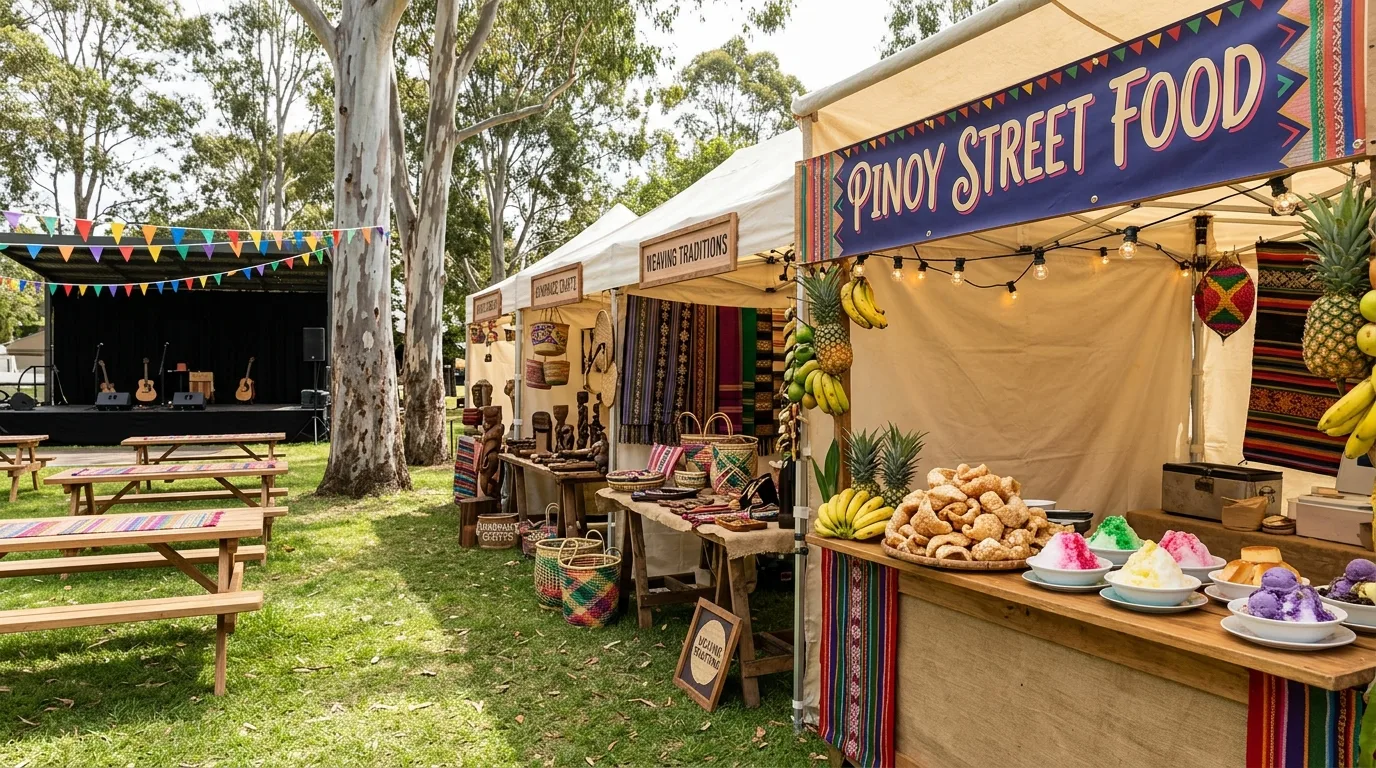
Traditional music, folk dances, culinary experiences, visual arts, fashion, tourism exhibits, educational programs, and community activities now form the foundation of many major festivals organized abroad.
These events often attract thousands of attendees, including Filipinos, local residents, tourists, students, business leaders, government representatives, and multicultural organizations.
The increasing attendance reflects broader recognition of Filipino culture as an important and vibrant part of global multicultural societies.
One of the primary goals of these festivals is tourism promotion.
Many organizers work closely with tourism advocates, cultural groups, entrepreneurs, and community partners to showcase the Philippines as a destination rich in natural beauty, cultural diversity, and memorable experiences.
Tourism exhibits frequently feature information about iconic destinations such as Boracay, Palawan, Cebu, Bohol, Siargao, Davao, Ilocos, Batanes, and numerous emerging travel destinations.
Interactive displays, multimedia presentations, travel information booths, and cultural storytelling sessions provide visitors with opportunities to learn about the country's landscapes, traditions, and attractions.
Festival organizers note that cultural experiences often influence travel decisions.
Individuals who attend Filipino cultural festivals frequently develop greater interest in visiting the Philippines and exploring its destinations firsthand.
This connection between cultural engagement and tourism awareness has become a key component of many community programs.
Beyond tourism promotion, cultural preservation remains a central objective.
For millions of Filipinos living abroad, maintaining strong connections to heritage can be challenging, particularly for younger generations born outside the Philippines.
Community leaders believe cultural festivals provide valuable opportunities to strengthen cultural identity and encourage intergenerational learning.
Many events include educational activities designed specifically for youth.
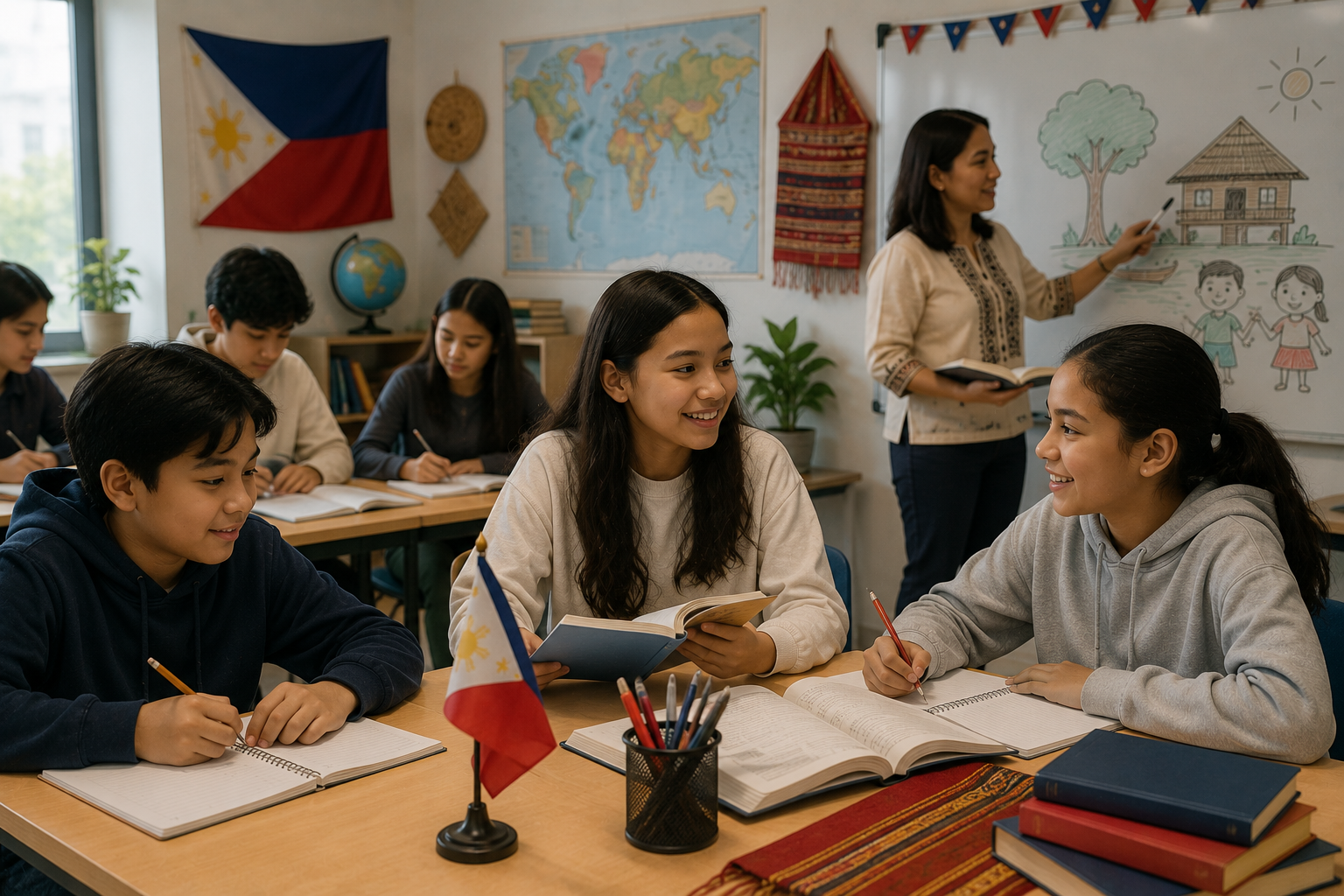
Workshops, cultural exhibits, storytelling sessions, language programs, traditional games, and heritage presentations help younger participants develop a deeper understanding of Filipino history and traditions.
Parents frequently describe these experiences as important investments in preserving cultural continuity.
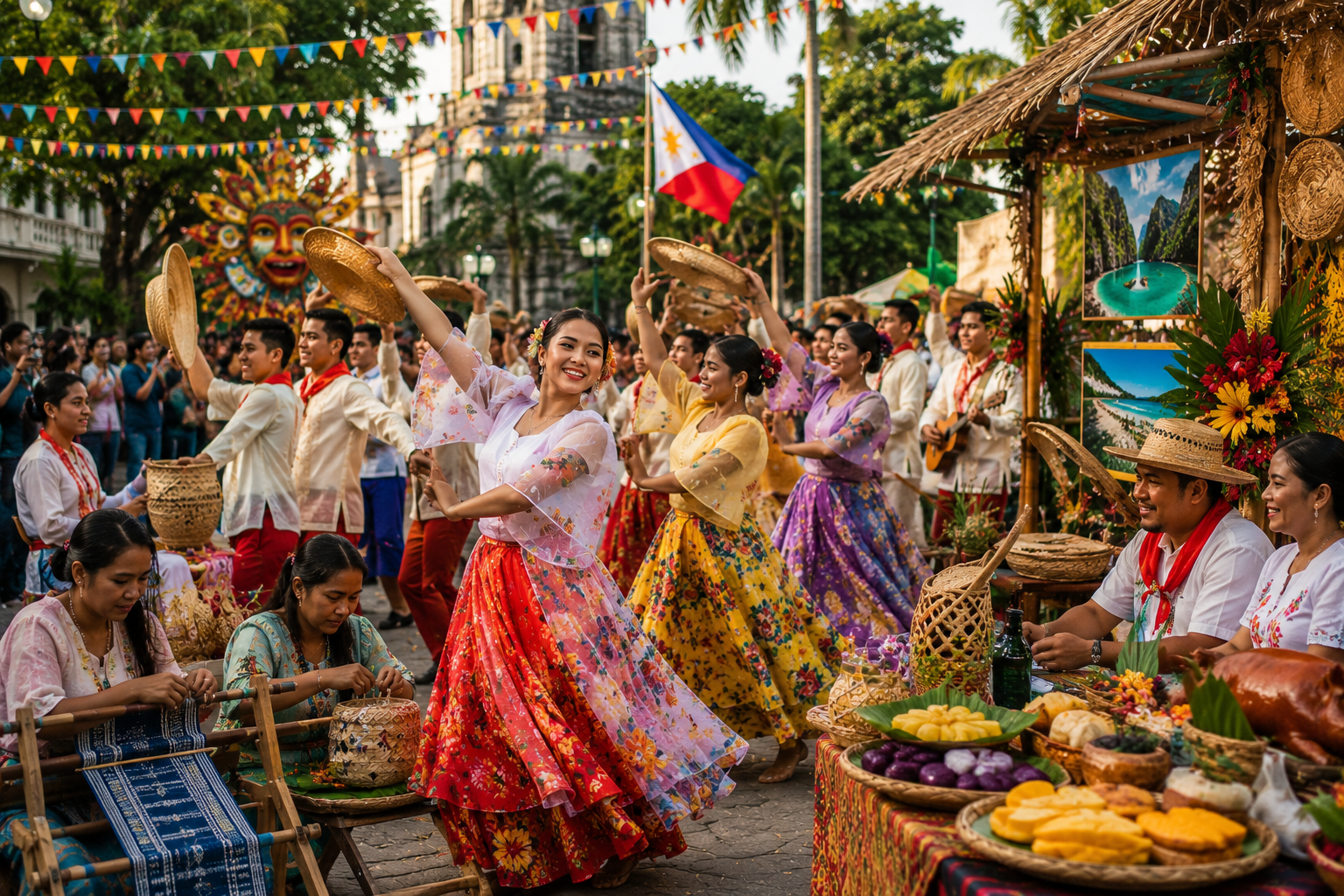
Traditional dance performances remain among the most anticipated attractions at Filipino cultural festivals.
Dance groups representing different regions of the Philippines showcase routines inspired by indigenous traditions, folk heritage, community celebrations, and historical narratives.
Colorful costumes, live music, and energetic choreography create engaging experiences that captivate audiences while educating them about Philippine culture.
Performers often dedicate months to preparing presentations that accurately reflect traditional practices and regional identities.
Community leaders emphasize that these performances serve as living expressions of cultural heritage.
Music also plays a major role in festival programming.
Filipino musicians, choirs, cultural ensembles, and contemporary artists contribute performances that highlight both traditional and modern aspects of Filipino artistic expression.
Music provides opportunities for cultural connection while demonstrating the creativity and diversity of Filipino communities.
Food remains another major attraction.
Filipino cuisine has gained increasing recognition internationally, and festivals provide ideal settings for introducing audiences to traditional dishes and regional specialties.
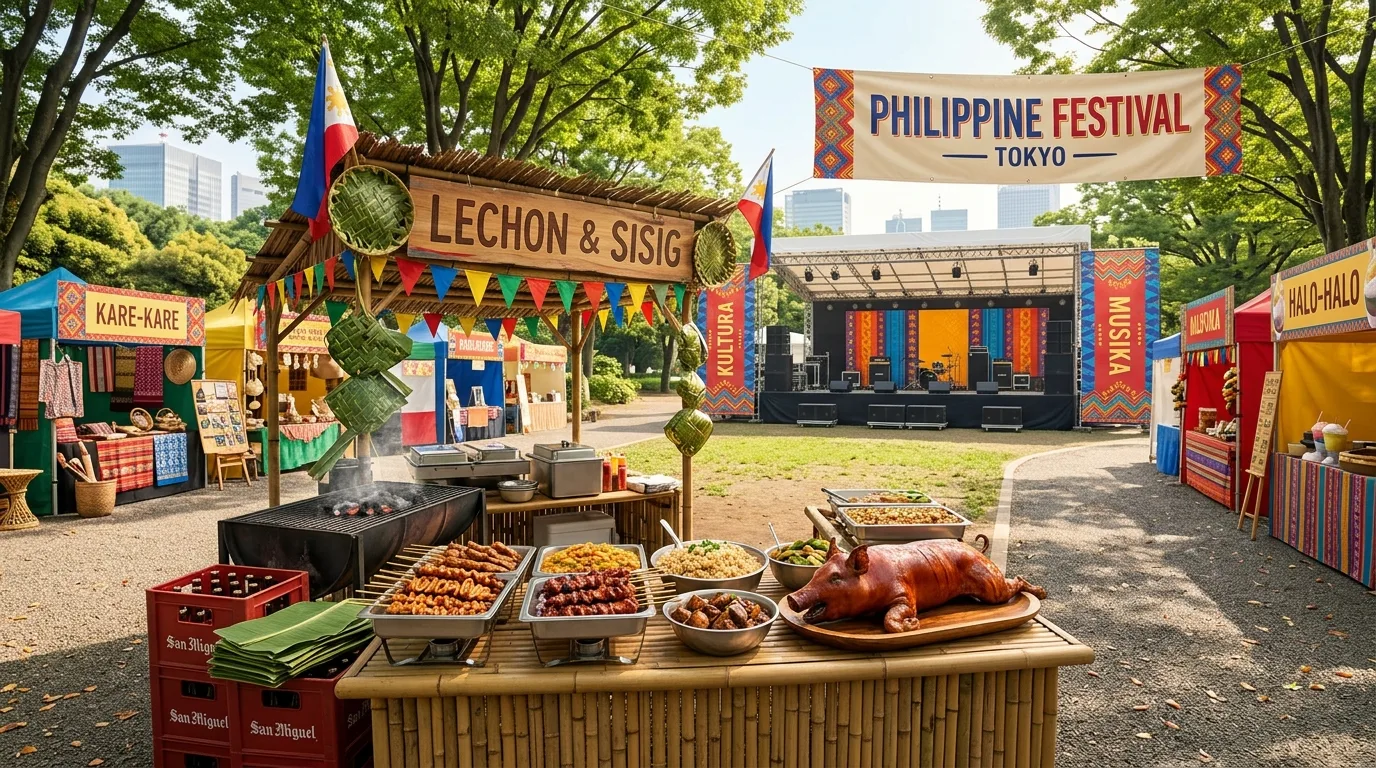
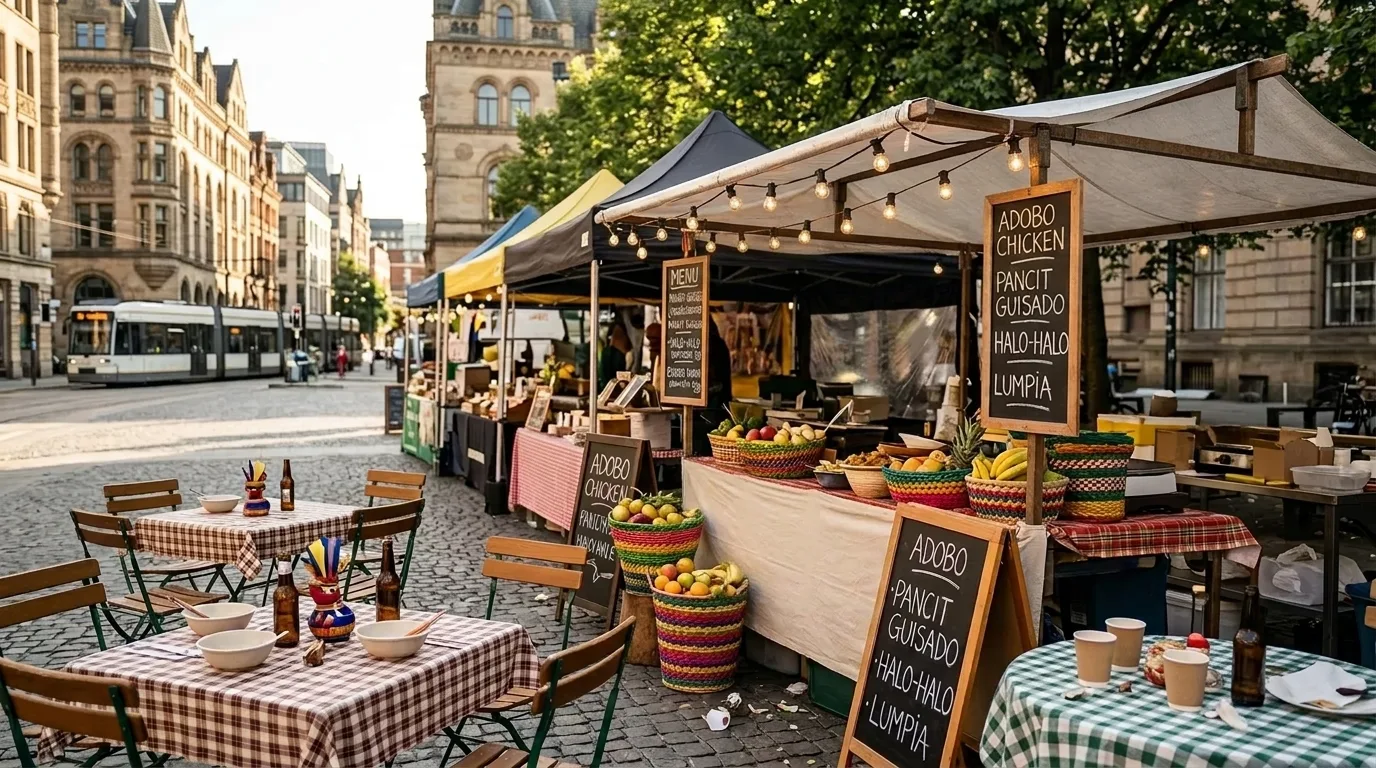
Food villages and culinary showcases frequently feature favorites such as adobo, lechon, pancit, lumpia, sisig, kare-kare, halo-halo, bibingka, and numerous other Filipino delicacies.
Visitors often describe food as one of the most enjoyable ways to experience Filipino culture.
The growing popularity of Filipino cuisine has helped attract larger and more diverse audiences to cultural festivals.
Entrepreneurs and food vendors play important roles in supporting these initiatives while promoting local businesses and culinary traditions.
Community festivals also create opportunities for Filipino entrepreneurs to showcase products, services, and innovations.
Many businesses participate as sponsors, exhibitors, vendors, and community partners.
Their involvement contributes to local economic activity while strengthening relationships within Filipino communities.
Business leaders frequently view cultural festivals as opportunities to give back to their communities while supporting cultural preservation efforts.
The spirit of bayanihan remains evident throughout festival planning and execution.
Volunteers dedicate thousands of hours to organizing events, coordinating logistics, managing performances, preparing educational materials, and supporting community outreach initiatives.
Organizers consistently cite volunteerism as one of the strongest examples of Filipino values in action.
The willingness of community members to work together toward shared goals reflects traditions that continue to shape Filipino identity worldwide.
Technology has significantly expanded the reach and impact of cultural festivals.
Social media platforms, livestreaming services, digital exhibits, and online storytelling initiatives allow organizers to engage audiences beyond physical event locations.
Videos, photographs, and educational content shared online often reach global audiences, increasing awareness of Philippine culture and tourism opportunities.
Digital engagement has become particularly important for younger generations who consume cultural content through online platforms.
Community organizations are increasingly using technology to preserve traditions while making cultural experiences more accessible.
Partnerships with local governments, educational institutions, cultural organizations, and tourism stakeholders have further strengthened these efforts.
Many municipalities and multicultural agencies recognize the positive contributions Filipino festivals make to community life and cultural diversity.
Public officials frequently attend events to acknowledge the achievements and contributions of Filipino communities.
These collaborations create opportunities for greater cultural understanding and stronger intercultural relationships.
Observers note that the rise of Filipino cultural festivals reflects broader trends in global migration and cultural engagement.
As Filipino populations continue to expand internationally, communities are finding innovative ways to preserve traditions while adapting to new environments.
Cultural festivals have emerged as effective platforms for balancing heritage preservation with modern community-building.
The success of these events demonstrates the resilience and adaptability of Filipino culture.
Rather than diminishing over time, traditions are evolving and finding new expressions in communities around the world.
Many organizers are already planning larger festivals and expanded programming for future years.
Proposed initiatives include broader tourism campaigns, increased youth participation, stronger educational components, enhanced digital engagement, and deeper collaboration among international Filipino organizations.
Community leaders believe these efforts will help ensure that Filipino culture remains vibrant and visible for generations to come.
They also hope festivals will continue inspiring greater interest in Philippine tourism and heritage among global audiences.
Ultimately, the launch and expansion of cultural festivals represent more than celebrations of tradition.
They are investments in cultural preservation, community development, tourism promotion, and international understanding.
Through music, dance, food, storytelling, education, and community engagement, Filipino organizations are creating meaningful experiences that strengthen cultural identity while sharing the beauty of the Philippines with the world.
Every performance, exhibit, culinary showcase, and tourism presentation contributes to a larger mission: ensuring that Filipino heritage remains visible, valued, and celebrated regardless of geographic distance.
As these festivals continue to grow, they serve as powerful reminders that culture has the ability to connect people, inspire curiosity, and build bridges across communities.
For overseas Filipinos, they offer opportunities to honor their roots while creating new traditions for future generations.
For international audiences, they provide welcoming introductions to a country known for its hospitality, diversity, resilience, and rich cultural heritage.
As Filipino organizations continue launching cultural festivals around the world, they are proving that heritage and tourism can work hand in hand to strengthen communities, preserve traditions, and inspire global appreciation for the Philippines and its people.
Enjoyed this story?
Share this story