Filipino Organizations Worldwide Promote Mental Health Awareness Among OFWs
Share
June 20, 2026
Updated Oct 16, 2026
8 min read
182 views
MANILA, Philippines — Filipino organizations around the world are expanding mental health awareness initiatives aimed at supporting the well-being of Overseas Filipino Workers (OFWs) and strengthening community support systems across international Filipino communities. Through educational programs, wellness campaigns, peer support networks, community outreach activities, and advocacy efforts, organizations are helping raise awareness about the importance of emotional well-being while encouraging healthier conversations about mental health among Filipinos living and working abroad.
As millions of Filipinos continue to pursue employment opportunities outside the Philippines, community leaders have increasingly recognized the importance of addressing mental and emotional wellness as part of broader support efforts for Overseas Filipino Workers. While working abroad provides opportunities for career advancement, financial stability, and personal growth, it can also present unique challenges related to family separation, cultural adjustment, workplace pressures, homesickness, and social isolation. Filipino organizations note that supporting mental well-being is essential to helping OFWs thrive both personally and professionally.
Mental health awareness has become a growing priority among Filipino communities because emotional wellness plays a significant role in overall quality of life. Community leaders emphasize that mental health is closely connected to physical health, workplace performance, family relationships, and social engagement. By promoting awareness and education, organizations hope to encourage individuals to prioritize self-care, seek support when needed, and develop healthy coping strategies that contribute to long-term well-being.
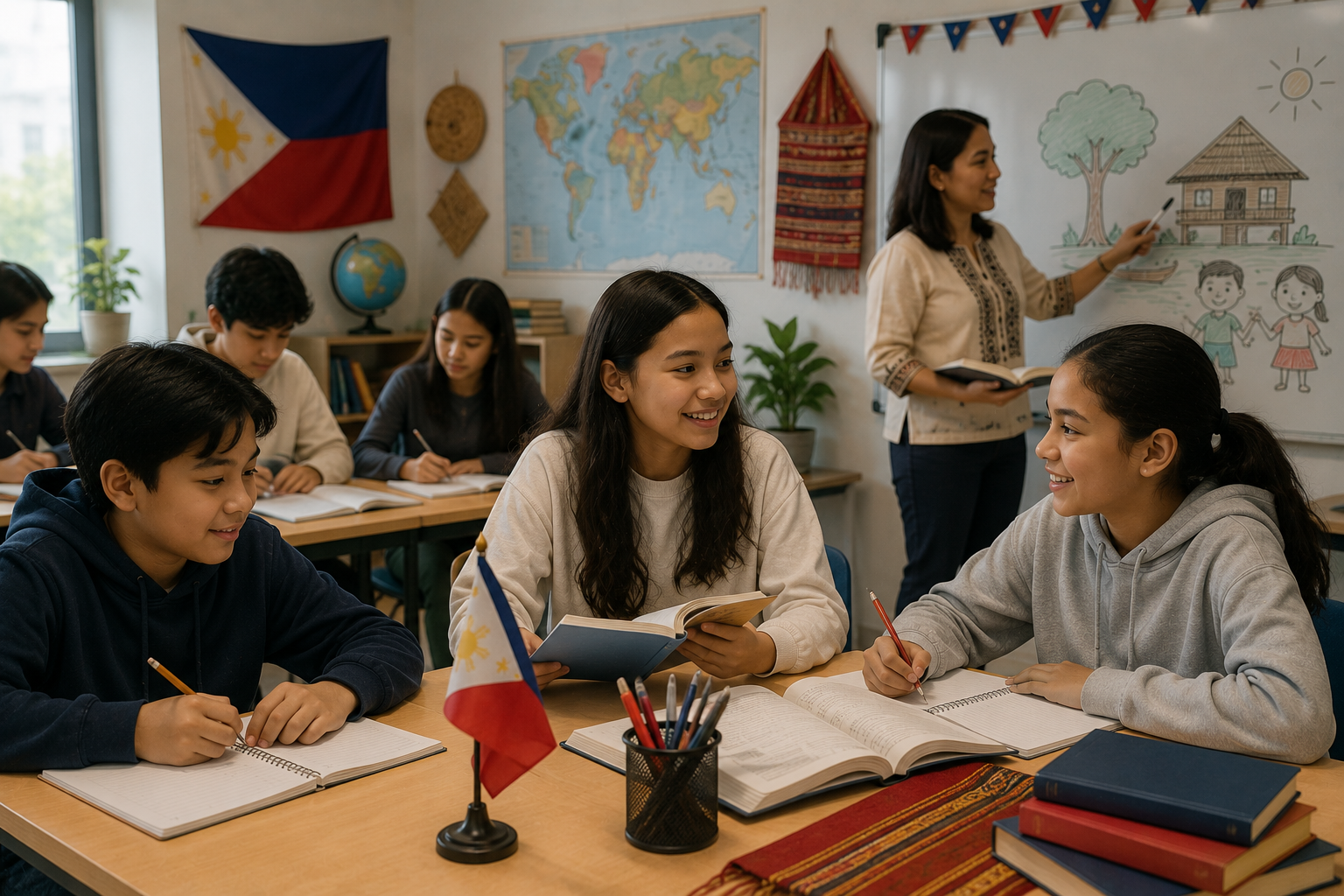
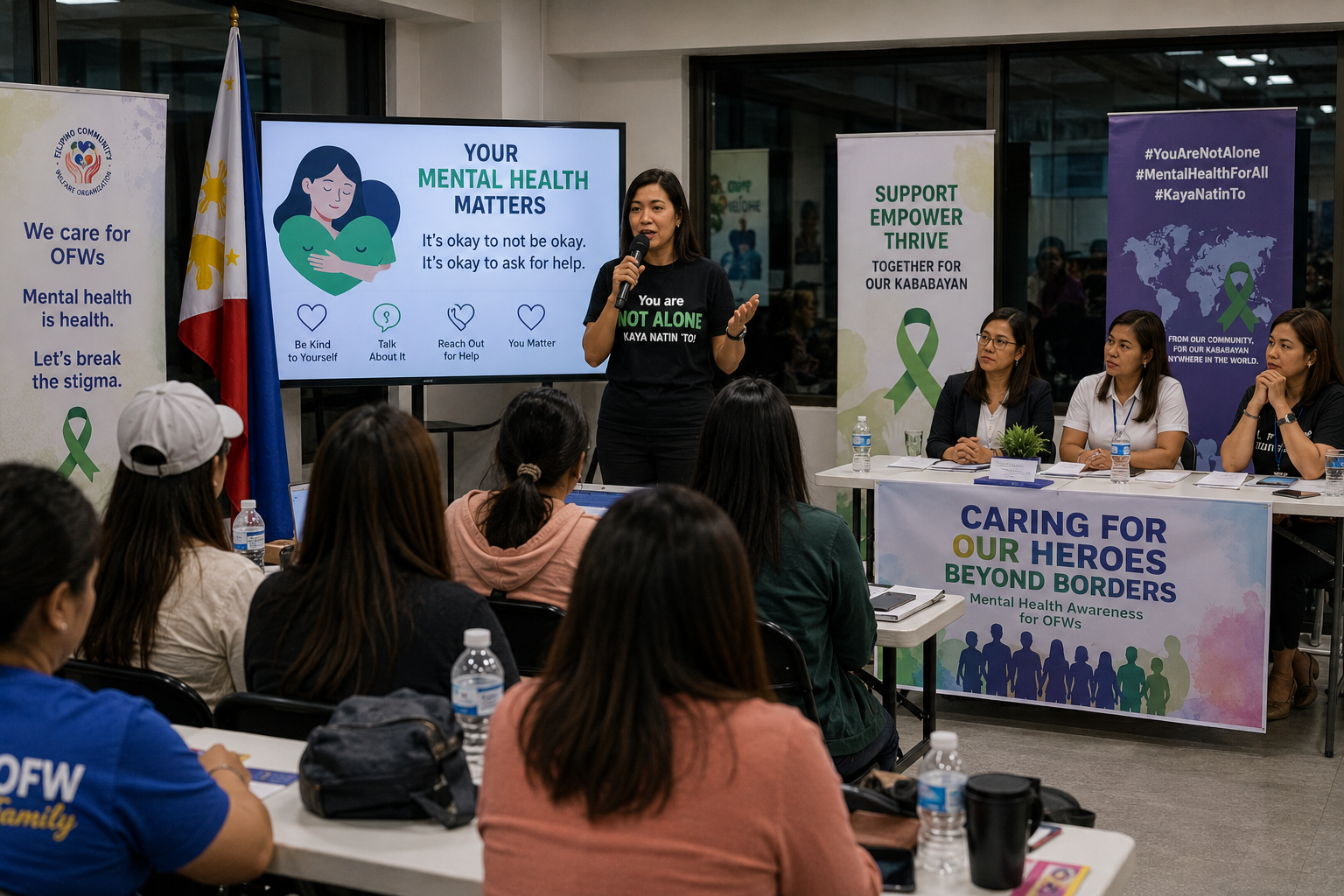
Many Filipino organizations have introduced educational seminars and wellness workshops designed to provide practical information about mental health and emotional resilience. These programs often explore topics such as stress management, work-life balance, emotional well-being, healthy communication, self-care practices, and maintaining positive social connections. Organizers believe that providing accessible and reliable information helps individuals better understand the importance of mental wellness while reducing misconceptions that may prevent people from discussing emotional challenges openly.
Community leaders note that one of the most valuable aspects of mental health awareness programs is their ability to encourage conversations that were once considered difficult or uncomfortable. In many communities, discussions about emotional well-being have historically received less attention than physical health concerns. Awareness initiatives are helping create environments where individuals feel more comfortable sharing experiences, seeking guidance, and supporting one another. Organizers emphasize that open dialogue can contribute significantly to reducing stigma and promoting healthier attitudes toward mental wellness.
Peer support networks have emerged as important components of many community-based initiatives. Experienced OFWs, community volunteers, and support group facilitators often provide opportunities for workers to connect with others who understand the realities of living and working abroad. Through group discussions, mentorship relationships, social activities, and community gatherings, participants gain access to supportive environments where they can exchange experiences and build meaningful connections. Community advocates note that strong social networks can help individuals feel less isolated while strengthening overall community resilience.
Technology has played a major role in expanding access to mental health awareness resources. Online seminars, virtual support groups, digital wellness campaigns, educational videos, and social media initiatives allow organizations to reach larger audiences across different countries and regions. Digital platforms make it possible for participants to access information and support regardless of location, creating opportunities for engagement even among individuals who may not be able to attend in-person events. Organizers report that virtual programming has significantly increased participation in mental health awareness activities.
Family relationships are often central to discussions about emotional wellness among Overseas Filipino Workers. Many OFWs spend extended periods away from loved ones while maintaining strong commitments to supporting family members in the Philippines. Community organizations frequently provide guidance on maintaining healthy communication, strengthening family connections, and managing the emotional challenges associated with long-distance relationships. Organizers recognize that family support remains one of the most important sources of motivation and resilience for many workers abroad.
Many wellness programs also emphasize the importance of maintaining healthy lifestyles that support emotional well-being. Educational campaigns often encourage regular physical activity, balanced nutrition, adequate rest, social engagement, and recreational activities as part of comprehensive approaches to wellness. Community leaders believe that promoting holistic well-being helps individuals build stronger foundations for managing stress and maintaining positive mental health.
Healthcare professionals within Filipino communities frequently contribute their expertise to awareness initiatives. Psychologists, counselors, social workers, healthcare practitioners, educators, and wellness advocates often participate in workshops, educational events, and community discussions. Their involvement helps ensure that information shared through awareness campaigns is accurate, practical, and aligned with current understandings of mental wellness. Organizers note that professional participation strengthens community confidence in available resources and support systems.
Younger generations are playing increasingly active roles in promoting mental health awareness. Young Filipino professionals, students, and community leaders often use digital platforms and creative outreach strategies to engage broader audiences in discussions about wellness. Through social media campaigns, educational content creation, volunteer activities, and advocacy projects, younger community members are helping normalize conversations about mental health while encouraging greater awareness and understanding.
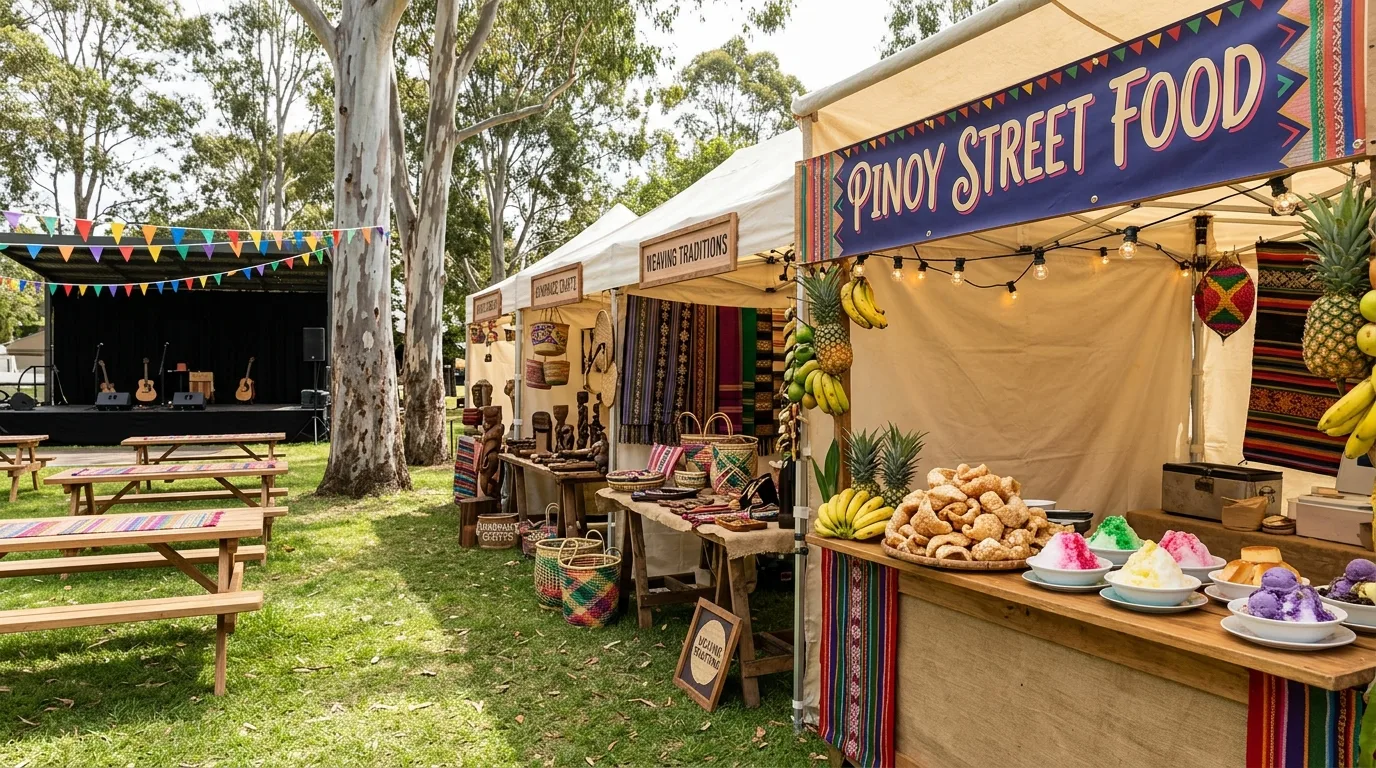
Many organizations have integrated mental health awareness into broader community development programs. Cultural festivals, leadership workshops, family events, volunteer initiatives, and educational programs often include wellness-related components that encourage participants to reflect on emotional well-being and community support. Organizers believe that integrating mental health discussions into existing activities helps make wellness education more accessible and inclusive.
The spirit of bayanihan continues to influence many mental health awareness efforts. Filipino communities have long valued mutual support, compassion, and collective responsibility, and these principles remain central to wellness initiatives. Community leaders often describe mental health advocacy as an extension of traditional Filipino values that encourage people to care for one another during both challenges and successes. This sense of shared responsibility helps create supportive environments where individuals feel valued and connected.
Cultural sensitivity remains an important consideration in program development. Organizers strive to create educational materials and outreach strategies that reflect the experiences, values, and perspectives of Filipino communities while remaining inclusive and accessible. Community leaders note that culturally relevant approaches help increase participation and encourage more meaningful engagement with wellness initiatives.
Many organizations have reported positive responses from participants involved in mental health awareness programs. Individuals frequently express appreciation for opportunities to learn about emotional wellness, connect with supportive communities, and access practical resources that help them navigate everyday challenges. Community leaders believe that these outcomes demonstrate the value of continued investment in awareness and support initiatives.
The growing visibility of mental health awareness programs also reflects broader global conversations about wellness and quality of life. Across different countries and industries, there is increasing recognition that mental health plays an essential role in personal and professional success. Filipino organizations are contributing to this movement by ensuring that Overseas Filipino Workers have access to information, resources, and supportive communities that promote overall well-being.
Partnerships with community organizations, educational institutions, healthcare providers, nonprofit groups, and local agencies have helped strengthen many awareness initiatives. Collaborative efforts provide additional expertise, resources, and outreach opportunities that enhance program effectiveness. Organizers emphasize that partnerships play important roles in expanding access and ensuring long-term sustainability.
Community leaders remain optimistic about the future of mental health awareness efforts within global Filipino communities. Continued advances in technology, growing public awareness, increased community engagement, and stronger support networks are expected to contribute to the expansion of wellness initiatives in the years ahead. Many organizations are exploring new approaches that combine education, advocacy, community building, and digital innovation to better serve Overseas Filipinos.
The success of these programs highlights the resilience and adaptability of Filipino communities worldwide. By recognizing the importance of emotional well-being and creating supportive environments, organizations are helping OFWs build stronger foundations for personal growth, professional success, and community engagement. These efforts reflect a broader commitment to ensuring that Overseas Filipinos are supported not only economically but also emotionally and socially.
Ultimately, the growing emphasis on mental health awareness among Filipino organizations demonstrates a deep commitment to the well-being of Overseas Filipino Workers and their families. Through education, advocacy, community support, and meaningful dialogue, these initiatives are helping create healthier and more connected communities where individuals feel empowered to prioritize wellness and seek support when needed.
As global Filipino communities continue to evolve and strengthen, mental health awareness programs will remain important tools for fostering resilience, understanding, and solidarity. By encouraging open conversations, promoting wellness education, and building supportive networks, Filipino organizations worldwide are helping ensure that OFWs have the resources and encouragement necessary to thrive wherever they may be in the world while remaining connected to the values of compassion, community, and bayanihan that define the Filipino spirit.
Enjoyed this story?
Share this story