Filipino Sports Festivals Unite Communities Across the Middle East
Share
June 22, 2026
Updated Oct 16, 2026
7 min read
292 views
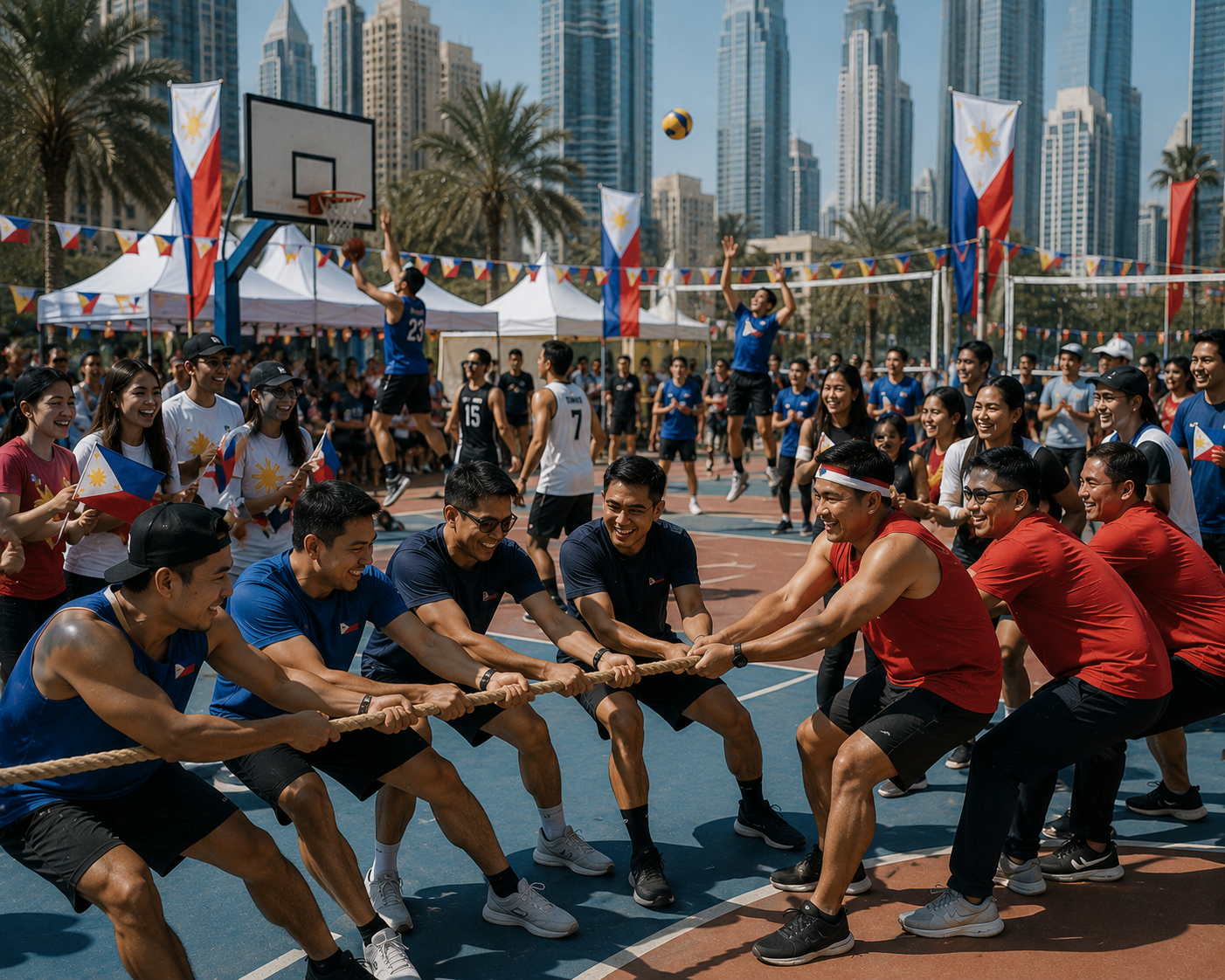
MANILA, Philippines — Filipino communities across the Middle East are strengthening social connections and cultural unity through a growing number of sports festivals that bring together Overseas Filipinos from diverse backgrounds and professions. Organized in countries such as the United Arab Emirates, Saudi Arabia, Qatar, Kuwait, Bahrain, and Oman, these events have evolved into major community gatherings that combine athletic competition, cultural celebration, and social engagement. Community leaders describe sports festivals as important opportunities for Overseas Filipinos to foster friendship, maintain healthy lifestyles, and reinforce a strong sense of identity and belonging while living and working abroad.
For many Overseas Filipino Workers in the Middle East, sports festivals provide more than recreational activities. They create spaces where individuals can reconnect with fellow Filipinos, relieve stress, build supportive networks, and celebrate shared experiences. Living and working abroad often involves long work hours, separation from family members, and the challenges of adapting to unfamiliar environments. Community organizers note that sports events help address these challenges by creating positive and welcoming environments where people can interact, collaborate, and support one another.
Basketball remains the centerpiece of many Filipino sports festivals throughout the region. Widely regarded as one of the most popular sports in the Philippines, basketball tournaments consistently attract strong participation and enthusiastic audiences. Teams representing companies, organizations, provinces, workplaces, and community associations compete in events that often extend over several weeks or months. Organizers explain that basketball's popularity helps bring together participants from different generations and social backgrounds while strengthening community engagement.
Volleyball has also experienced growing popularity within Filipino sports communities in the Middle East. Women's volleyball tournaments, mixed-gender leagues, and youth competitions have expanded significantly in recent years, attracting large numbers of players and spectators. Community leaders believe that the rise of volleyball participation reflects broader interest in inclusive and family-oriented sports activities that encourage wider community involvement.
In addition to basketball and volleyball, many festivals include badminton, table tennis, chess, football, athletics, esports, and fun-run activities designed to appeal to diverse interests and age groups. Organizers strive to create inclusive events that encourage participation from workers, families, students, and community members regardless of athletic background or skill level. By offering a variety of activities, sports festivals foster broader community engagement and create opportunities for meaningful social interaction.
Family-centered programming has become an increasingly important feature of sports festivals. Organizers recognize that many Overseas Filipinos seek opportunities to spend quality time with family members and strengthen social relationships outside of work environments. As a result, festivals often include children's games, community picnics, cultural presentations, entertainment programs, and recreational activities that encourage family participation. These additions help transform sports tournaments into larger community celebrations that appeal to wider audiences.
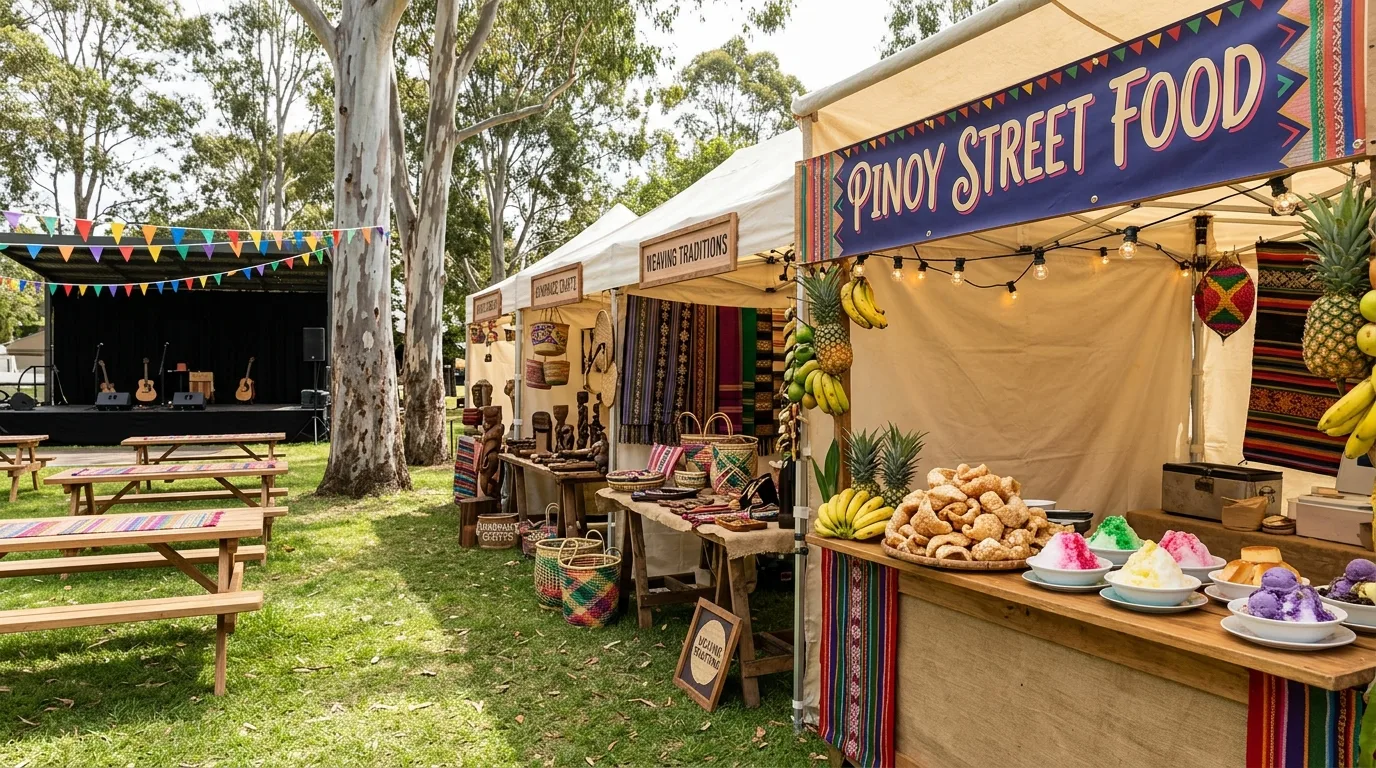
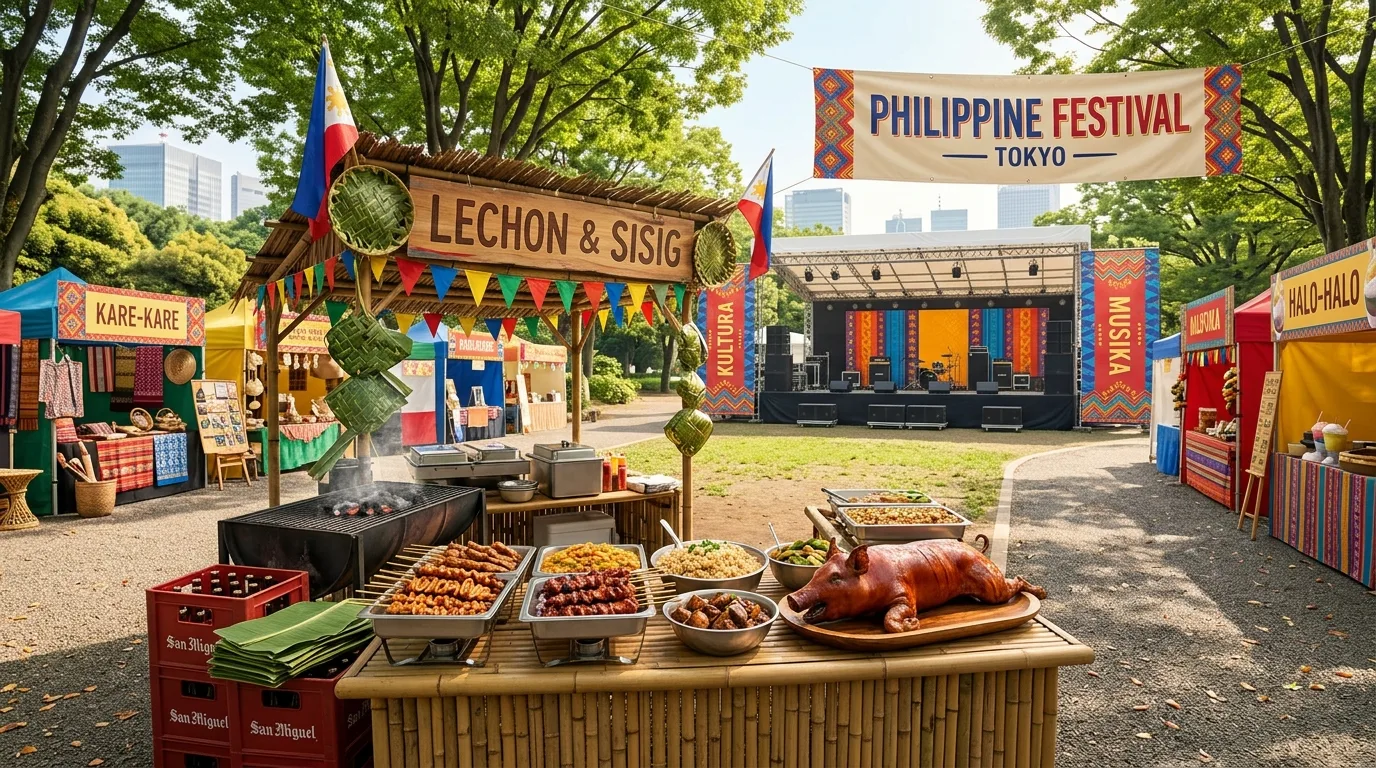
Cultural activities frequently accompany sporting events, reflecting the strong connection between athletics and cultural identity within Filipino communities. Festivals often feature traditional dance performances, musical presentations, food fairs, and heritage exhibits that celebrate Philippine culture alongside athletic competition. Community leaders note that integrating cultural programming into sports festivals helps reinforce cultural pride while introducing Filipino traditions to international audiences and local communities.
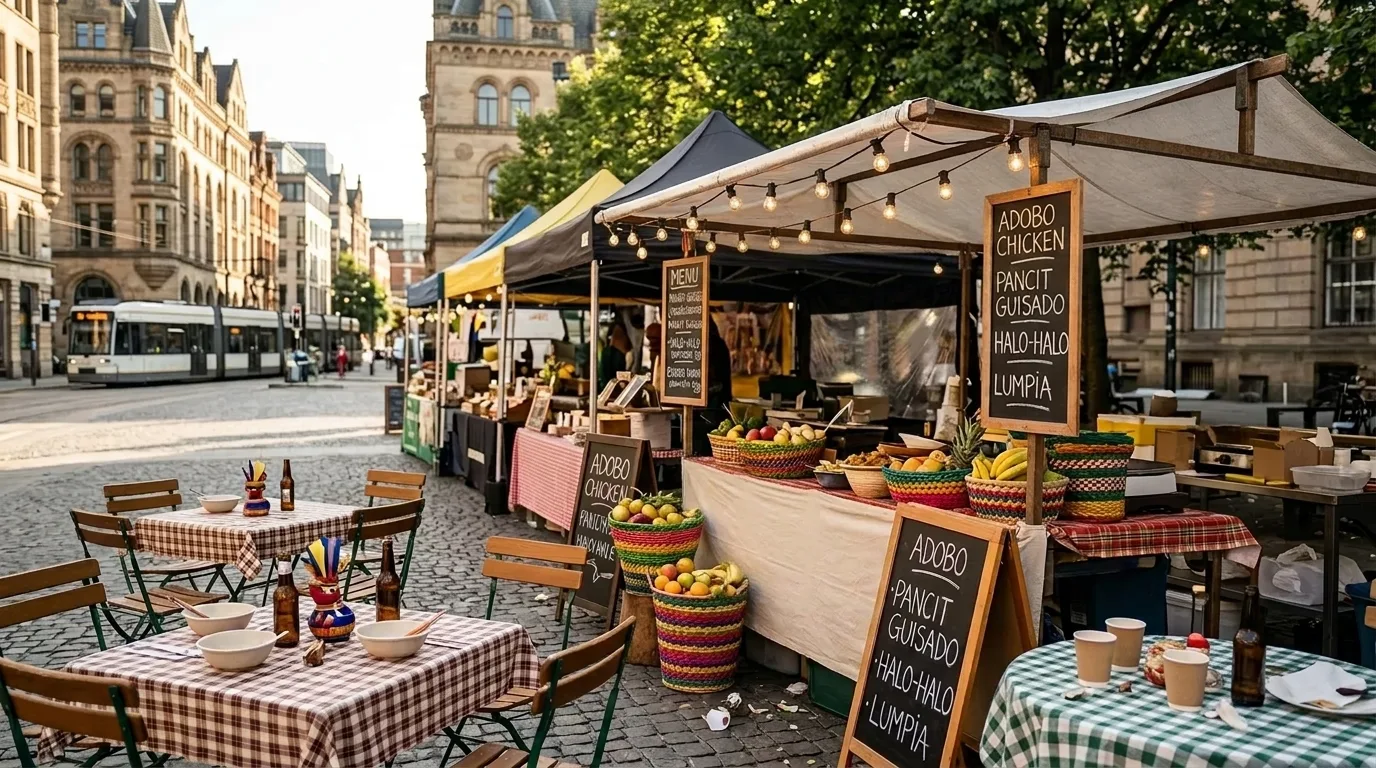
Food plays a central role in many sports festivals across the Middle East. Filipino food vendors, community groups, and volunteers often prepare traditional dishes such as adobo, pancit, lumpia, barbecue specialties, rice cakes, and regional delicacies that contribute to the festive atmosphere of events. Shared meals and food gatherings create opportunities for conversation, friendship, and cultural exchange that extend beyond sports competitions themselves.
The spirit of bayanihan is clearly evident throughout the organization and execution of sports festivals. Volunteers dedicate substantial amounts of time and effort to planning tournaments, coordinating logistics, fundraising, preparing venues, and supporting participants. Community leaders often describe these collaborative efforts as examples of traditional Filipino values in action. Through collective participation and mutual support, communities are able to organize large-scale events that benefit thousands of participants and attendees.
Sports festivals also play important roles in promoting health and wellness among Overseas Filipinos. Many workers face physically and emotionally demanding conditions that can affect overall well-being. Community organizers emphasize that regular participation in sports and recreational activities encourages healthier lifestyles while providing opportunities for stress relief and social connection. Some events also incorporate wellness seminars, medical outreach programs, and health awareness initiatives designed to support community health.
Youth participation has become a major focus for many sports festivals. Community organizations frequently establish youth divisions, junior tournaments, and leadership opportunities aimed at engaging younger generations. Organizers believe that involving children and young adults helps strengthen cultural identity while encouraging teamwork, discipline, and positive social development. Young participants often gain confidence and build lasting friendships through their involvement in sports activities.
Technology and social media have significantly increased the visibility and reach of Filipino sports festivals in the Middle East. Online livestreams, digital scoreboards, social media updates, and community pages allow participants and supporters to stay connected throughout tournament seasons. Organizers report that digital platforms have helped strengthen communication among communities while expanding audience engagement beyond local event locations.
Many sports festivals also support charitable and community service initiatives. Fundraising activities associated with tournaments often contribute to scholarship programs, medical assistance campaigns, disaster relief efforts, and educational projects benefiting communities both abroad and in the Philippines. Organizers view these initiatives as important extensions of the values of generosity and social responsibility that remain deeply rooted within Filipino communities.
Corporate sponsors, Filipino-owned businesses, and community organizations frequently collaborate to support sports festivals. Sponsorships provide resources needed for venues, uniforms, equipment, prizes, and event operations while also creating opportunities for local businesses to connect with Filipino communities. Community leaders note that strong partnerships contribute significantly to the sustainability and growth of sports festivals across the region.
The multicultural environment of the Middle East has also created opportunities for intercultural engagement through sports festivals. While events primarily serve Filipino communities, organizers often welcome participants and visitors from other nationalities who are interested in joining activities or learning more about Filipino culture. Friendly competitions and community gatherings encourage interaction among diverse groups while promoting mutual understanding and respect.
Many participants describe sports festivals as important sources of emotional support and community connection. For Overseas Filipinos living far from family and hometown communities, sports events provide familiar environments where they can experience friendship, encouragement, and shared cultural experiences. Organizers frequently hear stories of participants who developed strong personal and professional networks through sports activities that later helped them navigate challenges abroad.
Community leaders observe that attendance and participation in sports festivals have increased steadily over the years. Larger venues, expanded programming, stronger sponsorship support, and growing public interest have contributed to the continued success of these events. Some tournaments now attract thousands of players and spectators and are considered major highlights within Filipino community calendars across the Middle East.
The success of sports festivals also reflects broader trends within Overseas Filipino communities. As populations continue to grow and become more organized, there is increasing emphasis on creating programs that support social well-being, cultural preservation, and community development. Sports festivals align closely with these goals by combining recreation, culture, volunteerism, and social engagement in accessible and inclusive ways.
Many organizers are now exploring opportunities to expand future programming through leadership workshops, youth mentorship programs, cultural education activities, and international sports collaborations. Some communities are also integrating sustainability initiatives and digital innovation into event planning as part of long-term development efforts. Community leaders remain optimistic about the future of sports festivals and their ability to continue strengthening Filipino communities abroad.
Ultimately, Filipino sports festivals across the Middle East demonstrate how athletics can serve as powerful tools for community building and cultural connection. Through friendly competition, teamwork, cultural celebration, and volunteerism, these events help foster relationships that transcend geographic distance and occupational differences. They provide opportunities for Overseas Filipinos to celebrate identity, support one another, and maintain strong ties to their heritage while building meaningful lives abroad.
As Filipino communities continue to thrive across the Middle East, sports festivals will remain important expressions of unity, resilience, and shared identity. By bringing people together through sports and cultural celebration, these events reinforce the enduring values of bayanihan, camaraderie, and community pride that continue to define Filipino communities around the world.
Enjoyed this story?
Share this story