Filipino Student Organizations Promote Cultural Awareness on International Campuses
Share
June 16, 2026
Updated Oct 16, 2026
8 min read
189 views
MANILA, Philippines — Filipino student organizations across universities and colleges worldwide are playing an increasingly important role in promoting cultural awareness, diversity, and intercultural understanding on international campuses. Through educational programs, cultural events, community engagement activities, artistic performances, and leadership initiatives, these organizations are helping introduce students from different backgrounds to the rich traditions, history, and identity of the Philippines while strengthening the visibility of Filipino culture in academic communities around the globe.
As international education continues to grow and universities become increasingly diverse, student organizations have emerged as important platforms for cultural representation and engagement. Filipino student groups, in particular, have become highly active in creating opportunities for cultural exchange, community building, and educational dialogue. Their efforts not only benefit Filipino students studying abroad but also contribute to broader campus initiatives that encourage inclusivity, multicultural understanding, and global citizenship.
Many Filipino student organizations are established with the goal of creating supportive communities for students living far from home. While these groups often serve as social and cultural networks for Filipinos, they also extend their activities to the wider campus population by organizing events that celebrate Philippine culture and promote intercultural interaction. Student leaders emphasize that sharing cultural experiences helps build connections among students while fostering appreciation for diversity.
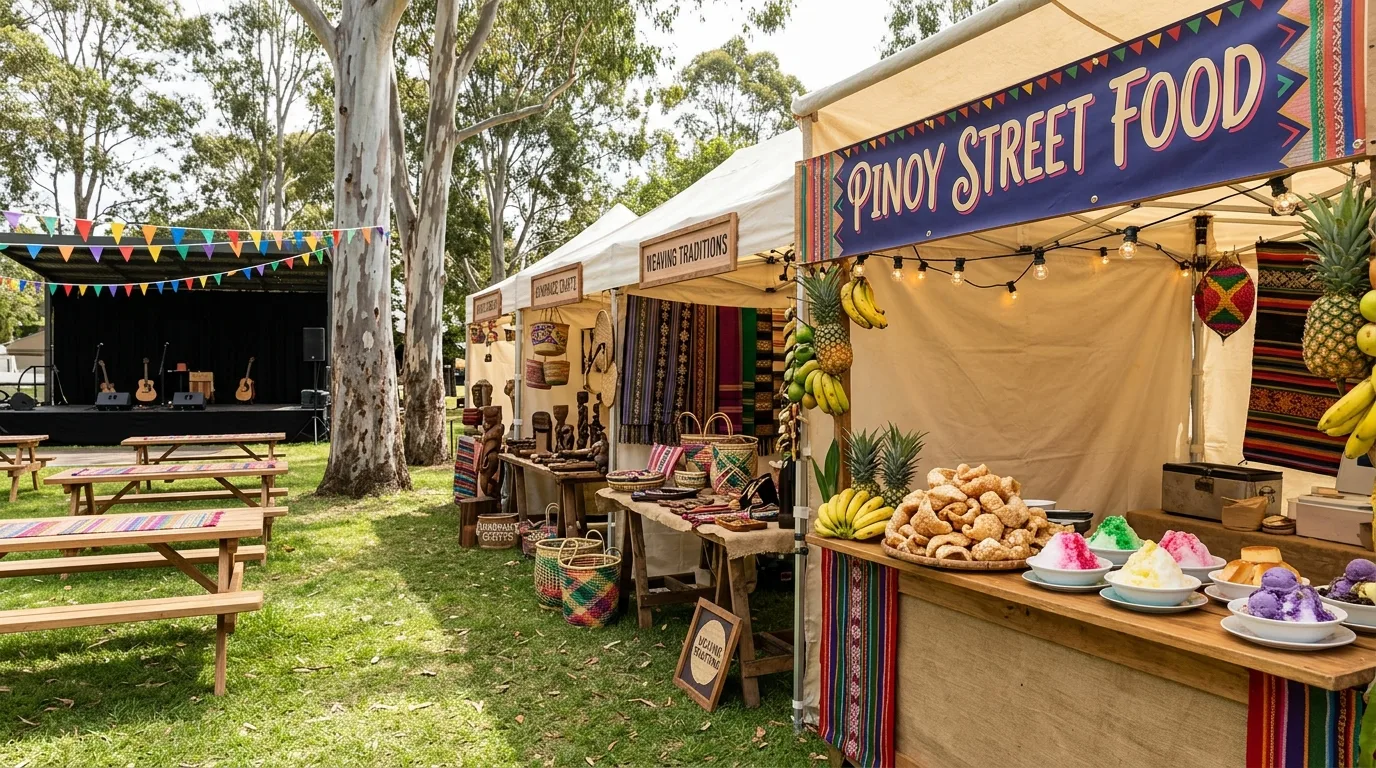
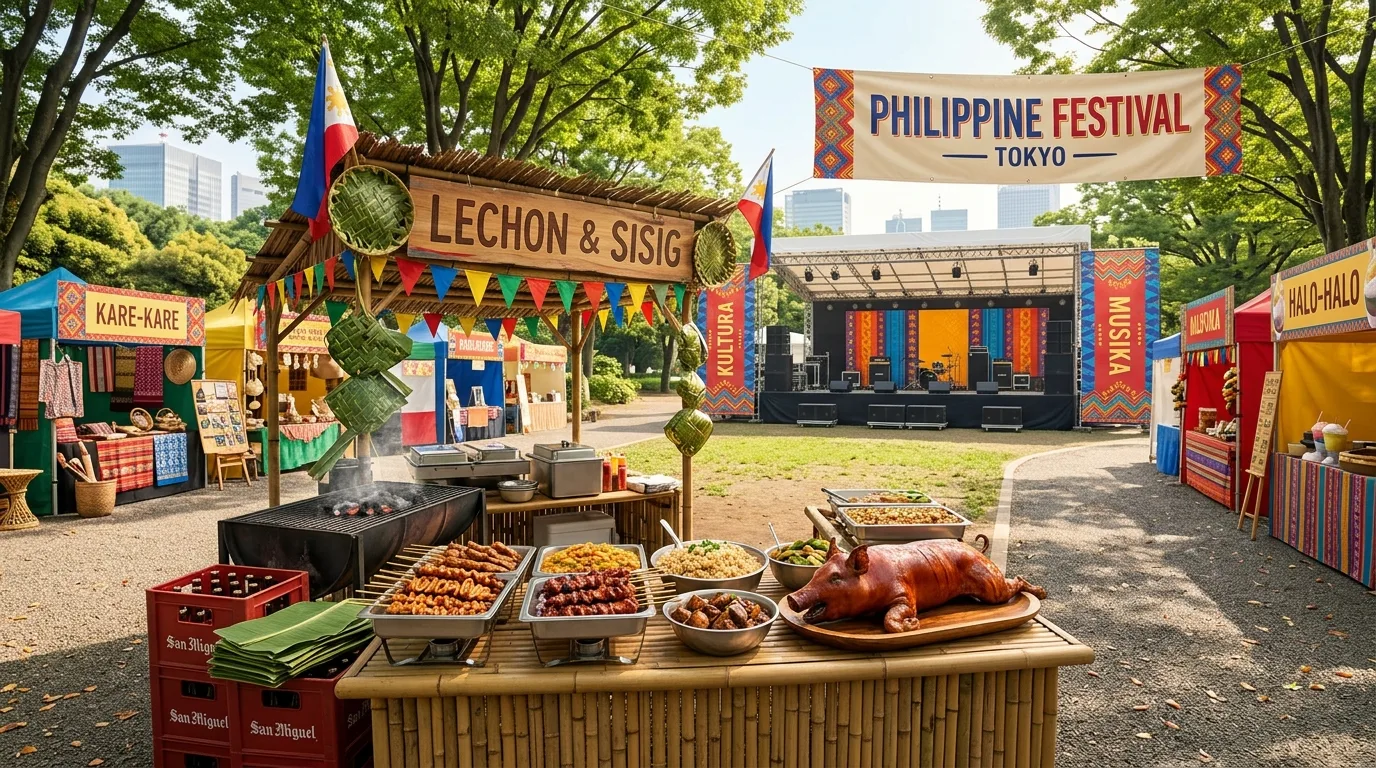
Cultural festivals remain among the most popular and impactful activities organized by Filipino student groups. These events often feature traditional music, dance performances, culinary experiences, cultural exhibits, fashion presentations, and interactive educational activities. Festival attendees gain opportunities to experience various aspects of Philippine culture in engaging and accessible ways. Organizers note that these celebrations frequently attract students who may have limited prior knowledge of the Philippines, creating valuable opportunities for learning and cultural discovery.
Food has become one of the most effective tools for promoting cultural awareness on international campuses. Filipino student organizations regularly host food fairs, cultural dinners, and culinary demonstrations that introduce audiences to traditional and regional Philippine cuisine. Through dishes that reflect the country's diverse cultural influences and culinary traditions, students are able to explore Filipino culture while engaging in conversations about history, family traditions, and regional identities. Organizers often observe that food serves as a welcoming and memorable introduction to broader cultural learning.
Traditional and contemporary Filipino dance performances have become important highlights of campus cultural events. Student performers dedicate considerable time to learning choreography, preparing costumes, and researching the historical significance of various dances. Presentations frequently include folk dances, festival-inspired routines, and modern interpretations that showcase the diversity of Filipino artistic traditions. Audiences often respond enthusiastically to these performances, which combine entertainment with cultural education.
Music also plays a significant role in cultural awareness initiatives. Filipino student groups organize concerts, acoustic performances, choir presentations, and musical showcases that feature both traditional and contemporary Filipino music. These events allow audiences to experience the creativity and talent of Filipino artists while gaining exposure to musical traditions that reflect the country's cultural heritage. Music serves as a powerful medium for connection because it transcends language barriers and resonates with diverse audiences.
Educational programming forms a central component of many cultural awareness efforts. Student organizations frequently host lectures, panel discussions, workshops, film screenings, and cultural exhibits that explore topics related to Philippine history, society, politics, arts, and contemporary issues. These initiatives encourage deeper engagement with Filipino culture while providing opportunities for meaningful dialogue and critical reflection. Organizers believe that education helps move cultural awareness beyond surface-level appreciation and toward genuine understanding.
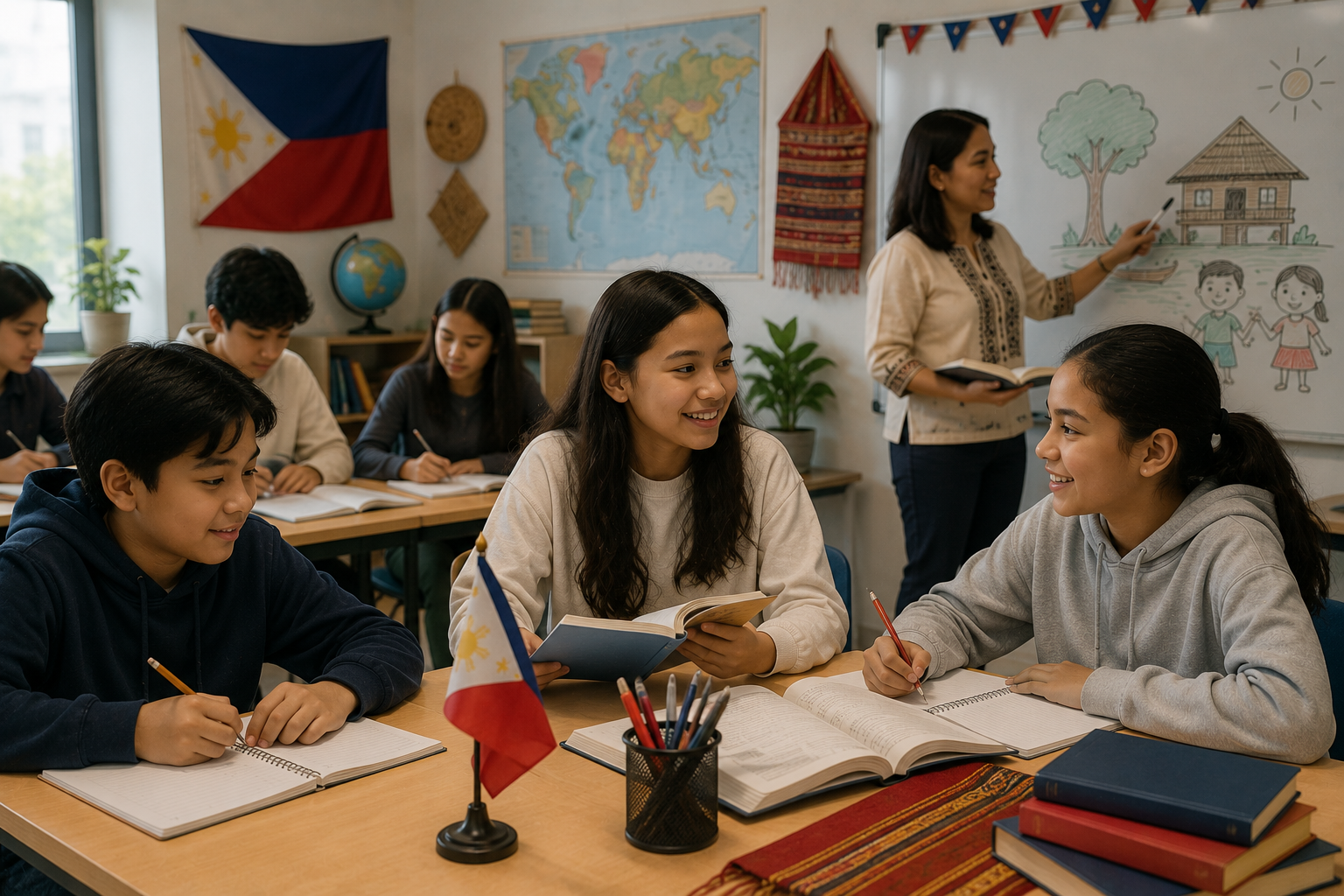
Language-related activities have also gained popularity among international students interested in learning more about the Philippines. Workshops introducing Filipino words, phrases, expressions, and cultural concepts provide insights into the country's linguistic diversity while encouraging intercultural communication. Student leaders note that language learning often sparks curiosity about broader aspects of culture and identity, making it an effective entry point for cultural exploration.
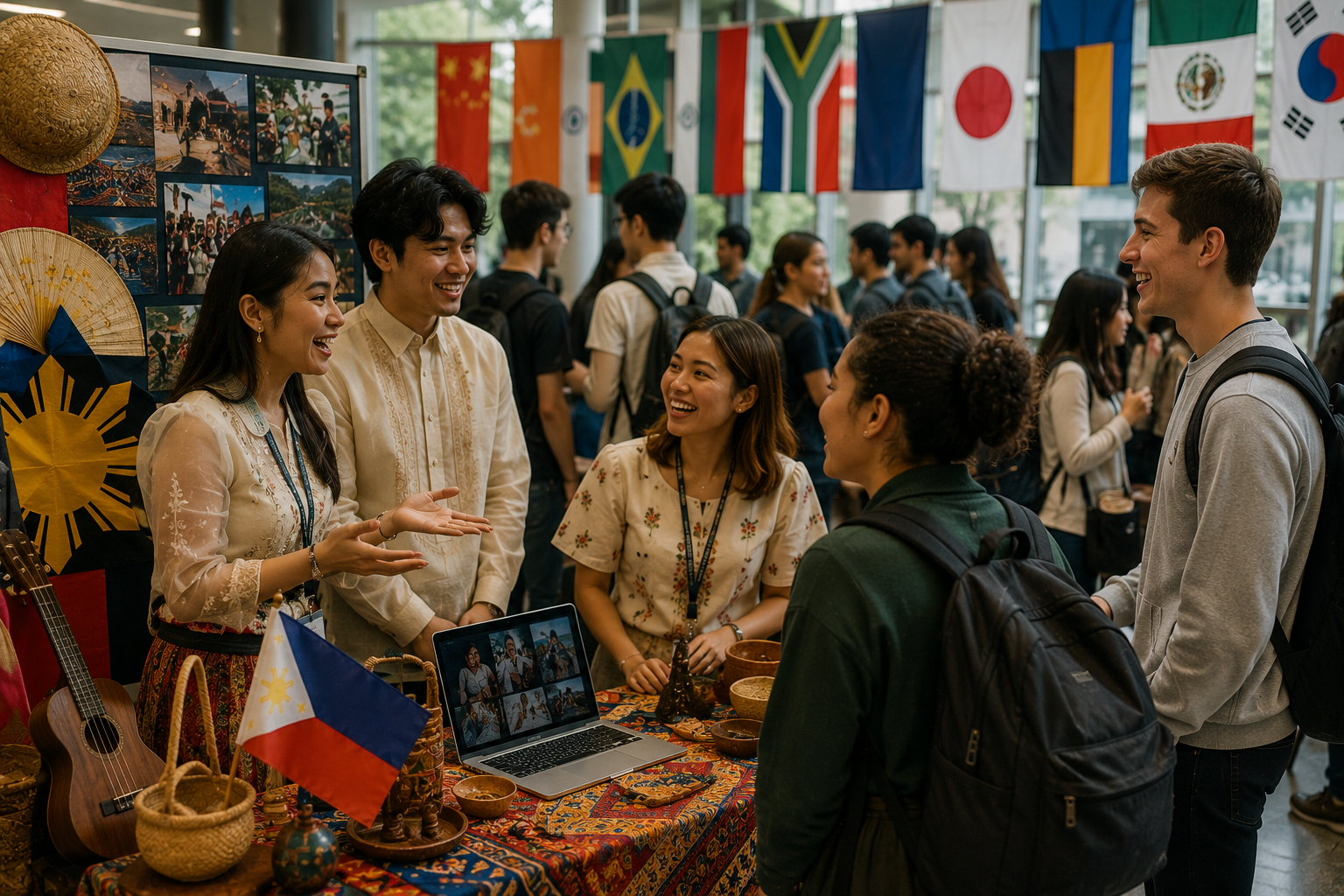
The participation of Filipino student organizations in multicultural campus events has further expanded their impact. Universities frequently host international fairs, diversity celebrations, and intercultural festivals where student groups showcase their heritage alongside organizations representing other countries and cultures. These events create opportunities for cultural exchange while promoting mutual respect and appreciation among students from diverse backgrounds. Organizers view participation in multicultural programming as an important contribution to inclusive campus communities.
Leadership development is another significant outcome of involvement in Filipino student organizations. Students who organize cultural events, manage projects, coordinate volunteers, and represent their communities gain valuable experience in leadership, communication, teamwork, and event management. These skills contribute to personal and professional growth while preparing students for future roles within their careers and communities. Educational leaders recognize student organizations as important environments for experiential learning and leadership development.
Technology and social media have expanded the reach of cultural awareness initiatives beyond physical campuses. Filipino student organizations frequently utilize digital platforms to share cultural content, promote events, and engage with broader audiences. Videos, educational posts, virtual workshops, and online discussions allow organizations to connect with students who may not be able to attend events in person. Organizers note that digital engagement helps sustain interest in cultural programming while increasing accessibility.
Many student organizations actively collaborate with other cultural and academic groups to develop joint programs and initiatives. These partnerships encourage intercultural dialogue while allowing participants to learn from one another's experiences and traditions. Collaborative projects often address themes such as identity, migration, diversity, inclusion, and global citizenship. Student leaders emphasize that partnerships strengthen community relationships and create richer learning experiences for all participants.
Filipino student organizations also play important roles in supporting new international students as they adjust to academic life abroad. Through mentorship programs, orientation activities, social gatherings, and peer support initiatives, organizations help students navigate challenges associated with studying in unfamiliar environments. Community advocates note that strong support networks contribute positively to student well-being and academic success.
The involvement of second-generation and third-generation Filipinos adds another dimension to cultural awareness efforts. Many students who were born or raised outside the Philippines participate actively in cultural organizations as a way of reconnecting with their heritage and learning more about their cultural roots. Their experiences often inspire meaningful discussions about identity, belonging, and cultural preservation within diaspora communities.
Community service and volunteerism frequently complement cultural programming. Filipino student organizations often organize charitable projects, fundraising campaigns, educational outreach activities, and social initiatives that benefit both local communities and causes in the Philippines. These efforts reflect values associated with bayanihan and demonstrate how cultural identity can inspire positive social engagement. Organizers believe that service-oriented activities strengthen community bonds while reinforcing shared values.
Faculty members, university administrators, and cultural advisors frequently recognize the positive contributions made by Filipino student organizations. Their programs enrich campus life by introducing diverse perspectives, promoting cultural literacy, and encouraging meaningful interaction among students from different backgrounds. Educational institutions increasingly value the role that cultural organizations play in creating inclusive learning environments and supporting student engagement.
The growing visibility of Filipino student groups contributes positively to international perceptions of the Philippines. Through cultural events and educational initiatives, students share stories and experiences that highlight the country's creativity, diversity, resilience, and cultural richness. These interactions help challenge misconceptions while fostering greater appreciation for Filipino contributions to global society.
Many participants describe involvement in cultural organizations as transformative experiences that strengthen both personal identity and intercultural competence. Students often develop deeper understanding of their own heritage while learning how to communicate effectively across cultural differences. These experiences prepare them to thrive in increasingly interconnected and multicultural environments.
Looking ahead, Filipino student organizations are expected to continue expanding their role in promoting cultural awareness and global engagement. As universities become more diverse and interconnected, opportunities for cultural exchange and collaboration are likely to increase. Student leaders remain committed to developing innovative programs that celebrate Philippine heritage while contributing positively to broader campus communities.
Emerging technologies, international partnerships, and expanded support from educational institutions are expected to create additional opportunities for cultural programming and student leadership. Many organizations are exploring new approaches to cultural education that incorporate digital storytelling, interactive experiences, and cross-border collaboration with students in other countries. These developments reflect the evolving nature of cultural engagement in modern academic settings.
Ultimately, the work of Filipino student organizations demonstrates the powerful role that students can play in promoting cultural awareness, diversity, and understanding. Through creativity, leadership, and dedication, these groups help ensure that Philippine culture remains visible and appreciated within international academic communities. Their efforts contribute not only to the preservation of heritage but also to the creation of more inclusive, informed, and connected campuses.
As Filipino students continue to pursue educational opportunities around the world, they carry with them the stories, traditions, and values that define their cultural identity. Through student organizations and cultural initiatives, they share these experiences with others while building bridges of understanding that extend far beyond university campuses. In doing so, they strengthen both global Filipino communities and the broader ideals of cultural exchange, respect, and international friendship.
Enjoyed this story?
Share this story