Filipino Volunteers Abroad Organize Outreach Programs Supporting Local Communities
Share
June 23, 2026
Updated Oct 16, 2026
8 min read
324 views
MANILA, Philippines — Filipino volunteers living and working abroad are increasingly organizing outreach programs that provide meaningful support to local communities while strengthening the values of service, compassion, and social responsibility. Across North America, Europe, Asia, Australia, and the Middle East, Filipino community organizations, civic groups, professional associations, and informal volunteer networks are leading initiatives that address a wide range of community needs, including education, healthcare, food security, environmental sustainability, youth development, and social welfare. These programs not only benefit the communities they serve but also highlight the enduring spirit of bayanihan that continues to define Filipino culture around the world.
Community leaders explain that volunteerism has become an important part of life for many Overseas Filipinos who wish to contribute positively to the societies where they live and work. While many Filipinos abroad remain deeply connected to their homeland, they also recognize the importance of supporting local communities and building meaningful relationships within their host countries. Through outreach programs, volunteers create opportunities to share their skills, time, and resources while fostering greater understanding and cooperation among diverse groups of people.
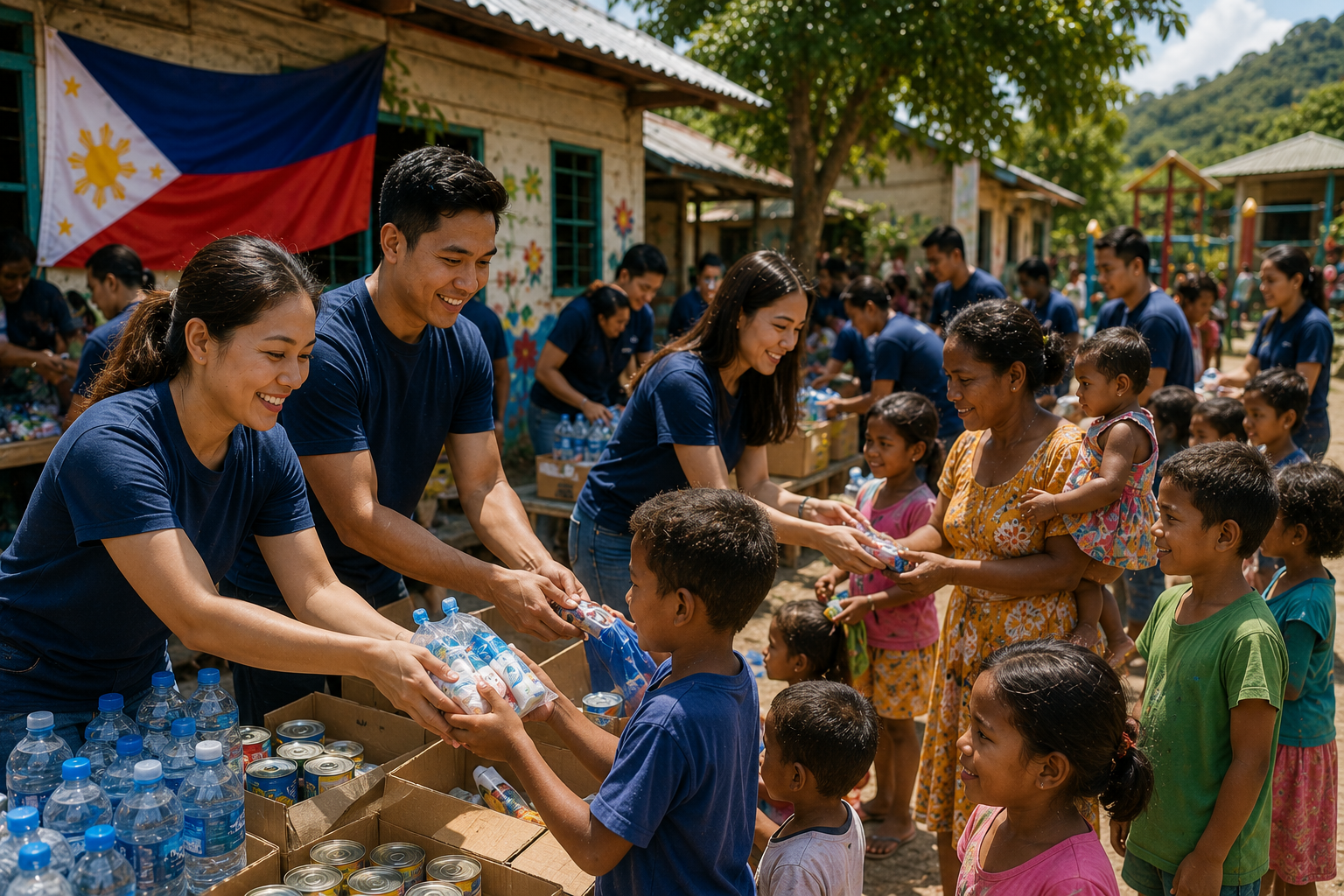
Many outreach initiatives focus on addressing immediate community needs through practical and accessible programs. Food distribution drives, donation campaigns, clothing collections, and assistance programs for vulnerable populations are among the most common activities organized by Filipino volunteers. Community organizers note that these efforts often emerge in response to local challenges identified through partnerships with schools, social service agencies, healthcare providers, and community organizations. By working closely with local stakeholders, volunteers are able to develop programs that respond effectively to specific needs.
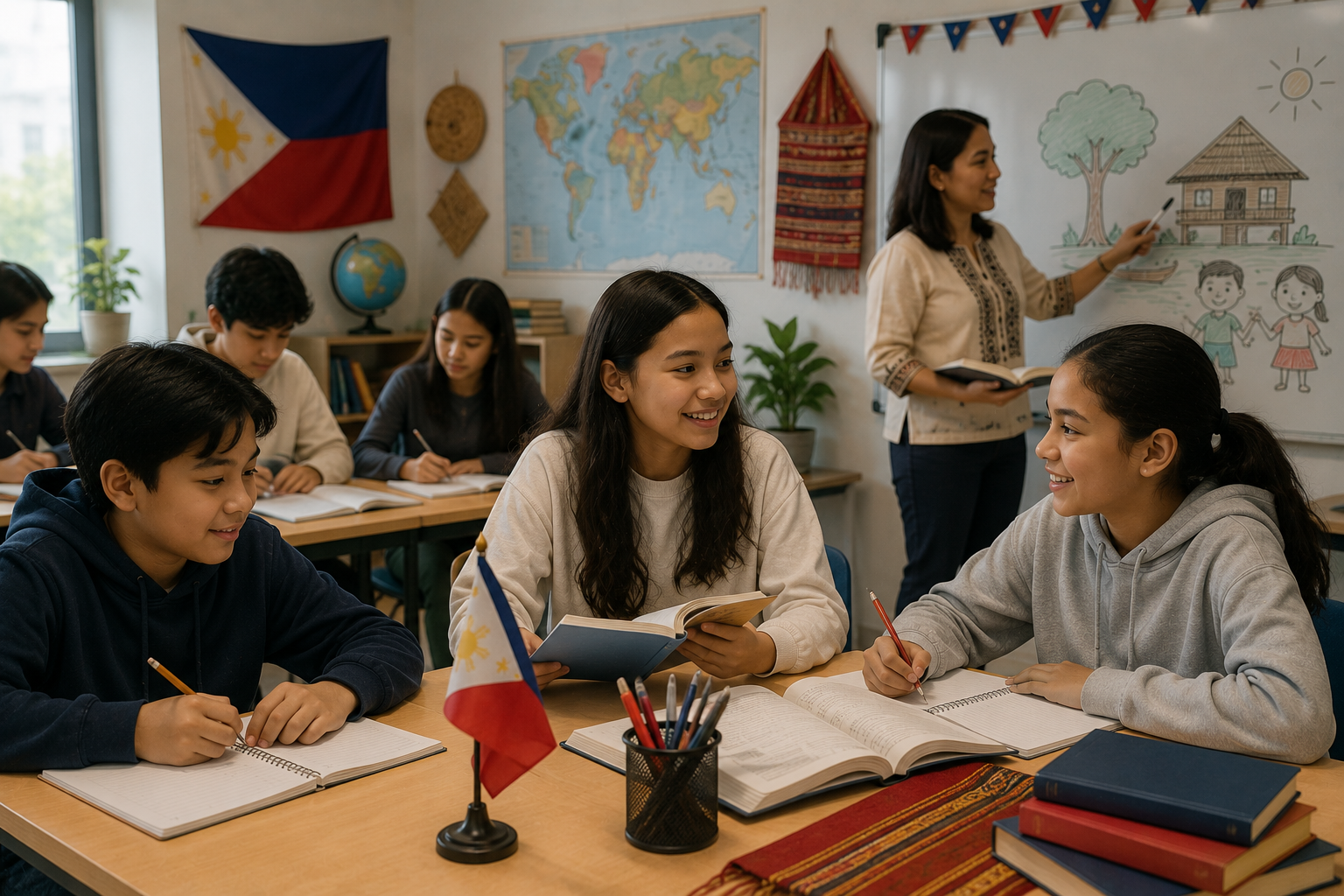
Education remains one of the primary areas of focus for many Filipino volunteer groups. Across various countries, volunteers organize tutoring programs, educational workshops, literacy campaigns, scholarship assistance initiatives, and school supply drives designed to support students and families. Community leaders emphasize that education has long been highly valued within Filipino culture, making educational outreach a natural extension of many volunteer efforts. These programs help expand learning opportunities while encouraging academic achievement and personal development among young people.
Healthcare-related outreach initiatives have also become increasingly prominent. Filipino healthcare professionals, including nurses, doctors, therapists, and medical support workers, often participate in community wellness activities, health education seminars, screening programs, and medical missions. Organizers explain that these initiatives help improve access to health information while promoting preventive care and healthy lifestyles. In many communities, healthcare outreach programs provide valuable resources that complement existing public health services.
Youth development is another important focus area for volunteer organizations. Community groups frequently organize leadership workshops, mentoring programs, sports activities, cultural events, and personal development seminars aimed at empowering young people. Volunteers believe that investing in youth creates long-term benefits for communities while helping young individuals develop confidence, leadership skills, and positive social connections. Organizers report that youth engagement programs often produce lasting impacts that extend well beyond individual events.
Environmental sustainability has become an increasingly important component of community outreach efforts. Filipino volunteers regularly participate in tree-planting activities, community cleanups, recycling campaigns, environmental education projects, and sustainability initiatives designed to promote responsible stewardship of natural resources. Community leaders note that environmental volunteerism not only improves local surroundings but also raises awareness about important ecological issues affecting communities worldwide.
The spirit of bayanihan remains a guiding principle behind many outreach programs. Traditionally associated with collective community action and mutual support, bayanihan continues to inspire Filipino volunteers regardless of where they reside. Organizers frequently describe outreach activities as modern expressions of this cultural value, demonstrating how cooperation and shared responsibility can create meaningful positive change. Through volunteerism, Filipinos abroad are able to preserve and practice important cultural traditions while contributing to broader community well-being.
Many volunteer programs are supported through strong partnerships with local organizations. Schools, charitable foundations, community centers, healthcare institutions, religious organizations, and local government agencies often collaborate with Filipino volunteer groups to identify priorities and coordinate activities. These partnerships help ensure that outreach programs are responsive to community needs while maximizing available resources and expertise. Community leaders emphasize that collaboration is essential for creating sustainable and impactful initiatives.
Technology has expanded the reach and effectiveness of volunteer activities in significant ways. Social media platforms, online fundraising campaigns, virtual meetings, and digital communication tools allow volunteer organizations to recruit participants, coordinate events, and engage supporters more efficiently. Organizers note that technology has made it easier to mobilize volunteers, raise awareness, and maintain ongoing communication with community partners. Digital tools have also enabled volunteer networks to connect across countries and share best practices for community engagement.
Filipino professionals working in diverse industries often contribute specialized expertise to outreach initiatives. Educators, engineers, healthcare workers, information technology professionals, business leaders, and skilled tradespeople frequently volunteer their knowledge and experience to support community projects. Community leaders explain that professional expertise can significantly enhance program quality while creating opportunities for meaningful skill-sharing and capacity-building within local communities.
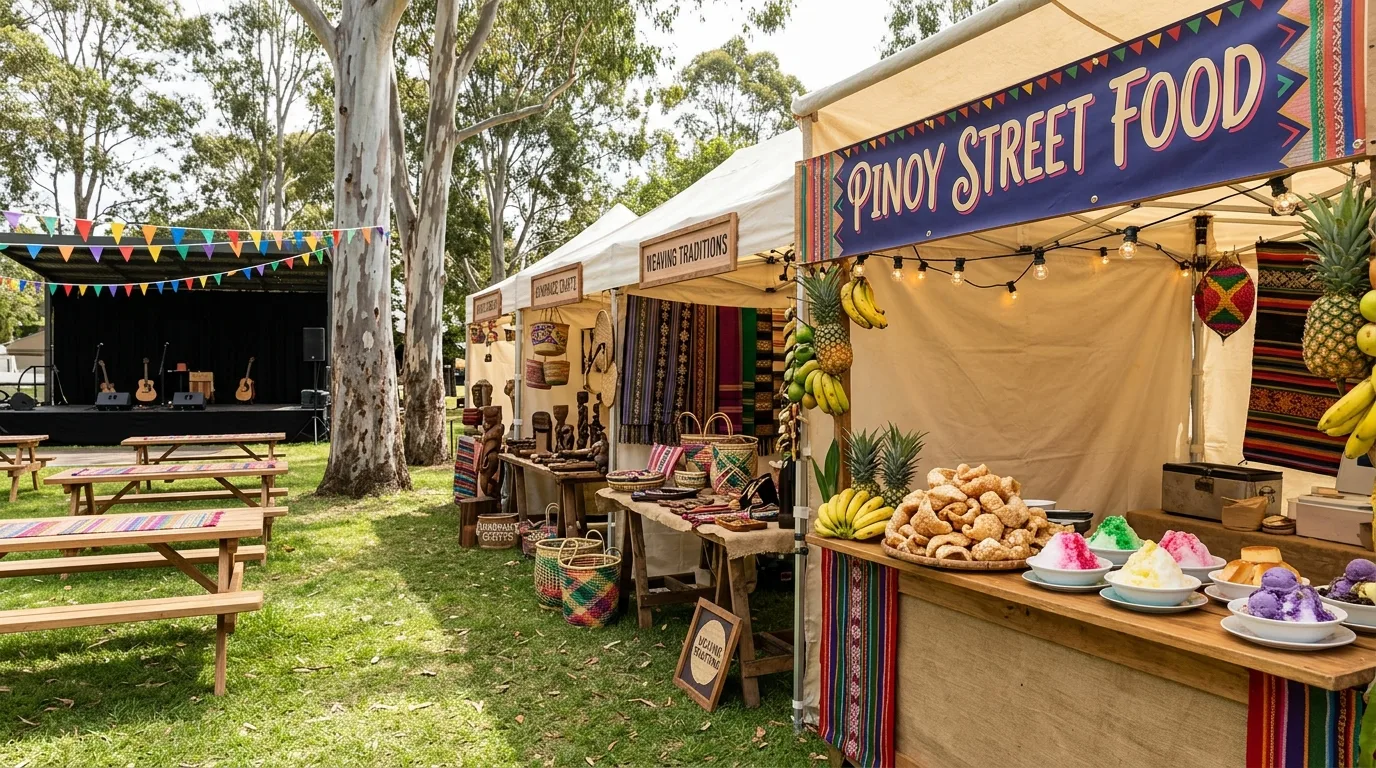
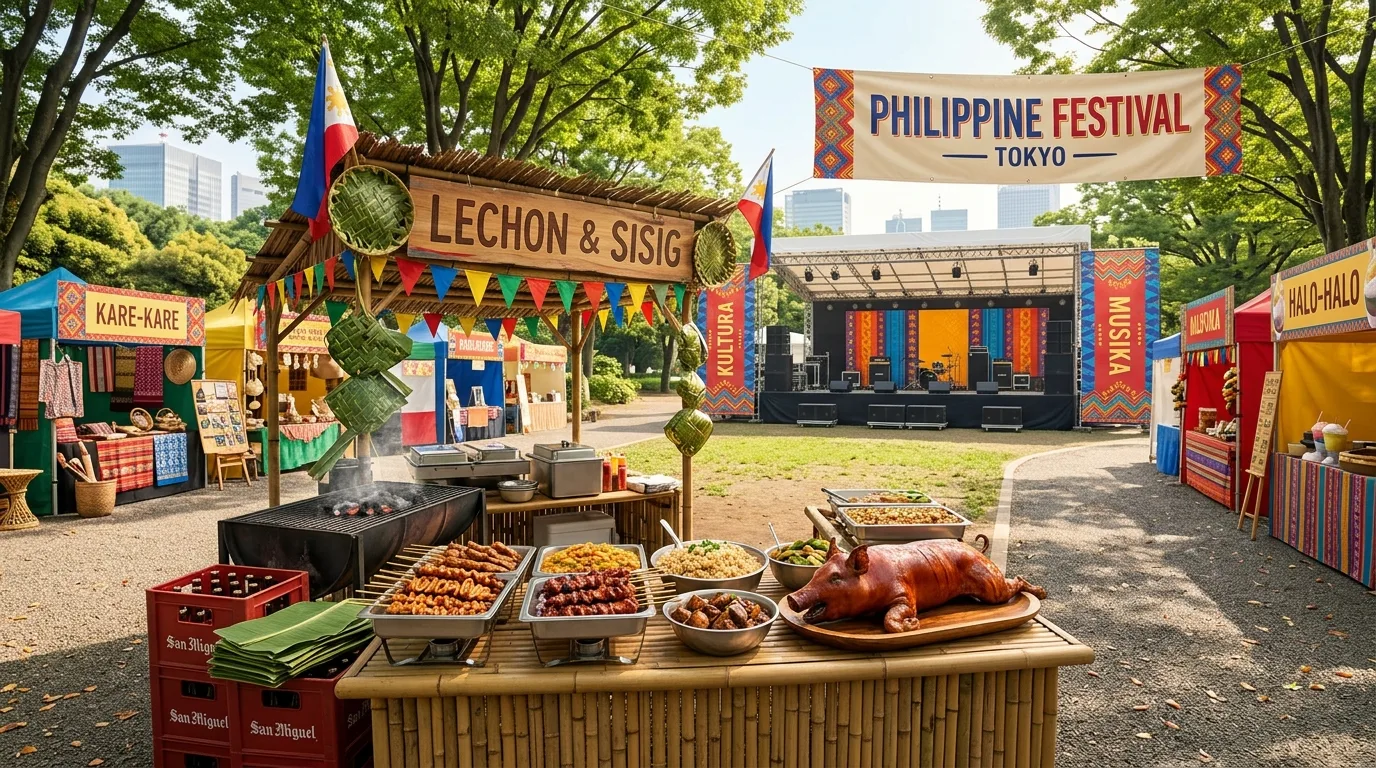
Cultural outreach activities also play important roles in community engagement efforts. Filipino volunteers frequently organize cultural festivals, heritage exhibits, educational presentations, and artistic performances that celebrate diversity while fostering intercultural understanding. These events provide opportunities for people from different backgrounds to learn about Filipino culture while building relationships based on mutual respect and appreciation. Organizers believe that cultural exchange contributes positively to social cohesion and community harmony.
Many outreach programs focus specifically on supporting disadvantaged or underserved populations. Volunteers often work with refugees, low-income families, senior citizens, individuals with disabilities, and other groups facing social or economic challenges. Community leaders emphasize that these efforts reflect a commitment to inclusion and social responsibility while ensuring that assistance reaches those who may benefit most from additional support.
The participation of younger Filipinos has become increasingly important within volunteer organizations. Second-generation and third-generation Filipinos living abroad are actively joining outreach initiatives and assuming leadership roles within community groups. Organizers view youth involvement as essential for ensuring the continuity of volunteer traditions while introducing new ideas and perspectives. Through active participation, younger generations develop stronger connections to their cultural heritage and a deeper appreciation for community service.
Corporate and business support has also contributed to the growth of volunteer programs. Filipino-owned businesses and corporate sponsors frequently provide financial assistance, logistical support, volunteer participation, and in-kind contributions that help sustain outreach initiatives. Community leaders note that business involvement strengthens program capacity while demonstrating the important role that the private sector can play in supporting social impact activities.
Many volunteers describe their involvement as personally rewarding experiences that foster a sense of purpose and belonging. Through outreach activities, participants often develop meaningful friendships, strengthen professional networks, and gain opportunities to contribute positively to society. Organizers report that volunteer experiences frequently inspire ongoing commitment to service while encouraging participants to remain actively engaged in community life.
The impact of volunteer programs extends beyond immediate assistance. Community leaders observe that outreach initiatives often help build trust, strengthen social connections, and encourage greater civic participation. By bringing together individuals from diverse backgrounds to work toward common goals, volunteer programs contribute to stronger and more resilient communities. These broader social benefits are often viewed as equally important as the direct services provided through individual projects.
Recognition of Filipino volunteer contributions has grown in many countries as local communities acknowledge the positive role played by volunteer organizations. Community leaders note that outreach programs help strengthen the reputation of Filipino communities while demonstrating the values of service, compassion, and civic responsibility. Positive community engagement also creates opportunities for deeper cultural understanding and stronger relationships among diverse populations.
The increasing scale and sophistication of outreach programs reflect the growing organizational capacity of Filipino communities abroad. Many volunteer groups have expanded from small informal initiatives into structured organizations capable of implementing large-scale projects and long-term programs. Organizers attribute this growth to strong community support, effective leadership, and a shared commitment to creating positive change.
Looking ahead, volunteer organizations plan to continue expanding outreach efforts through new partnerships, innovative programming, youth engagement initiatives, and technology-driven solutions. Community leaders remain optimistic about the future of volunteerism and its potential to address emerging challenges while strengthening communities worldwide. Continued collaboration and support are expected to create even greater opportunities for meaningful service in the years to come.
Ultimately, the work of Filipino volunteers abroad demonstrates the enduring power of community engagement and collective action. Through their dedication, generosity, and commitment to service, volunteers are making lasting contributions to local communities while embodying the values that have long been central to Filipino identity.
As Filipino communities continue to grow and thrive around the world, volunteer-led outreach programs will remain important examples of how individuals can come together to support one another, address shared challenges, and build stronger, more inclusive societies. Their efforts serve as reminders that compassion, cooperation, and service remain powerful forces for positive change in communities everywhere.
Enjoyed this story?
Share this story