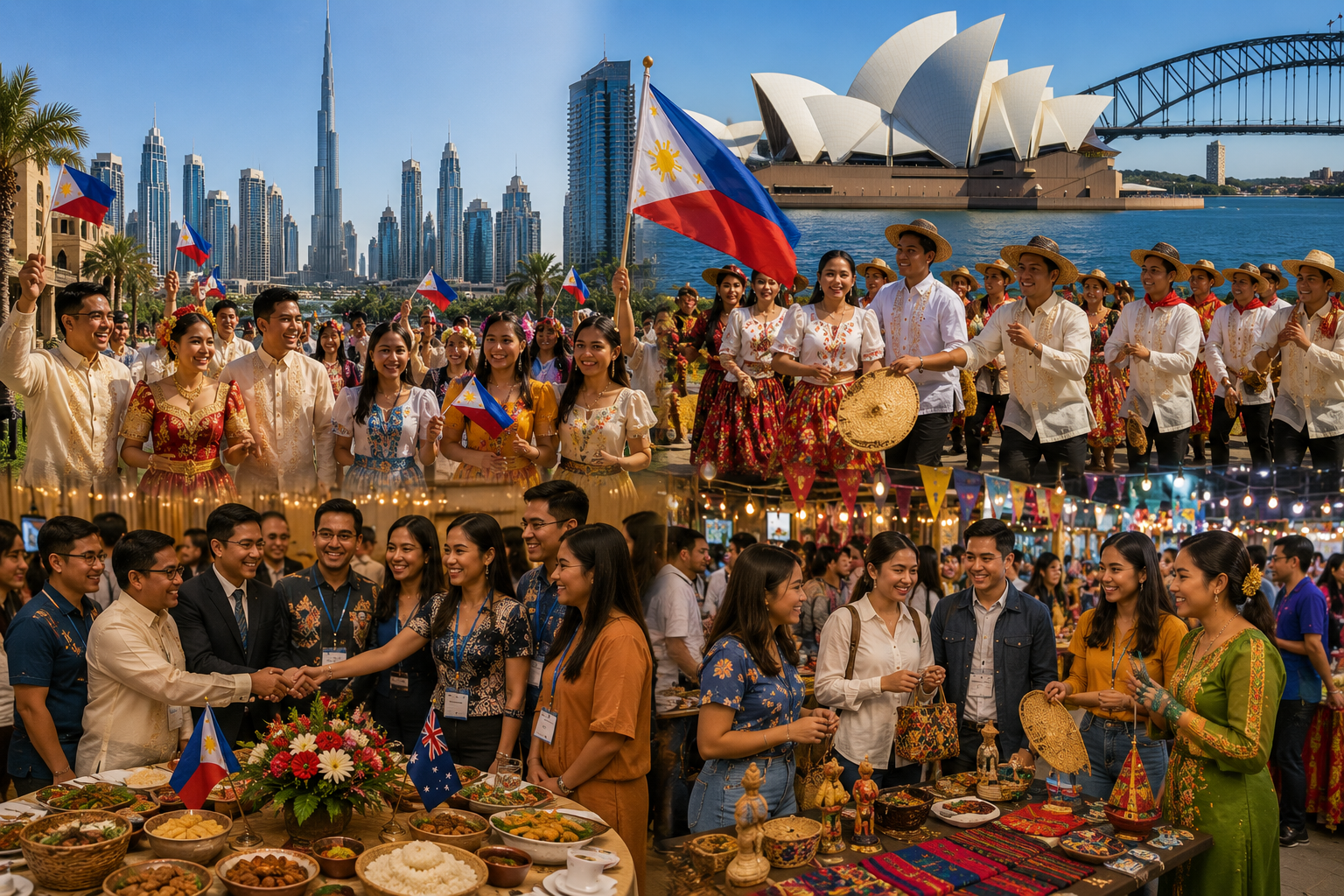
From Dubai to Sydney: Filipino Community Events Strengthen International Connections
Share
June 03, 2026
Updated Oct 16, 2026
7 min read
380 views
MANILA, Philippines — Filipino community events are playing an increasingly important role in strengthening international connections as overseas Filipinos continue to build vibrant networks across continents through cultural celebrations, community programs, educational initiatives, and charitable activities.
From Dubai and Abu Dhabi in the Middle East to Sydney and Melbourne in Australia, Filipino organizations are creating opportunities for people to connect, collaborate, and celebrate shared heritage. These gatherings have become powerful examples of how culture can bring communities together while fostering relationships that extend beyond national borders.
Community leaders say the growing number of Filipino events worldwide reflects the strength of the global Filipino diaspora and its commitment to preserving cultural identity while contributing positively to host societies.
Across multiple regions, Filipino organizations are organizing festivals, cultural exhibitions, professional networking events, youth programs, sporting activities, charitable projects, educational workshops, and family-centered gatherings.
These initiatives serve not only as celebrations of heritage but also as platforms for community building and international engagement.
The Philippines has long been recognized for its large and diverse overseas population. Millions of Filipinos live and work in different parts of the world, contributing to industries ranging from healthcare and education to engineering, hospitality, technology, finance, and public service.
While geographic distance can create challenges, community organizations have helped ensure that cultural ties remain strong.
Many overseas Filipinos describe community events as important sources of support, friendship, and cultural connection.
For newcomers adjusting to life abroad, these gatherings often provide opportunities to build social networks and access valuable information about local communities.
For long-term residents, they serve as opportunities to reconnect with familiar traditions while strengthening relationships with fellow Filipinos.
Community leaders note that the success of Filipino events is rooted in values that have long been central to Filipino culture.
Concepts such as bayanihan, hospitality, family, cooperation, and mutual support continue to influence how communities organize and interact.
These values often translate into strong volunteer participation and collaborative approaches to community development.
The Middle East remains one of the most active regions for Filipino community engagement.
Cities such as Dubai, Abu Dhabi, Doha, Riyadh, Jeddah, Kuwait City, and Manama host large Filipino populations and regularly organize cultural and community events.
Festivals, family days, educational seminars, and charitable activities attract thousands of participants each year.
Organizers say these events help create a sense of belonging among overseas workers while strengthening connections to Filipino culture.
In Australia, cities such as Sydney, Melbourne, Brisbane, Perth, and Adelaide have witnessed growing participation in Filipino cultural celebrations and community initiatives.
Many events bring together Filipinos from different professional backgrounds and regions of the Philippines, creating diverse and inclusive environments.
Community leaders in Australia emphasize the importance of cultural preservation while encouraging broader engagement with multicultural communities.
Collaborative projects involving Filipino organizations and local institutions have become increasingly common, promoting cultural exchange and social inclusion.
Educational initiatives have emerged as important components of many community programs.
Organizations frequently host workshops, leadership seminars, mentorship opportunities, and professional development events aimed at empowering community members.
These programs help participants develop skills while fostering stronger community networks.
Young Filipinos often play active roles in these initiatives, gaining leadership experience and building connections that contribute to long-term community sustainability.
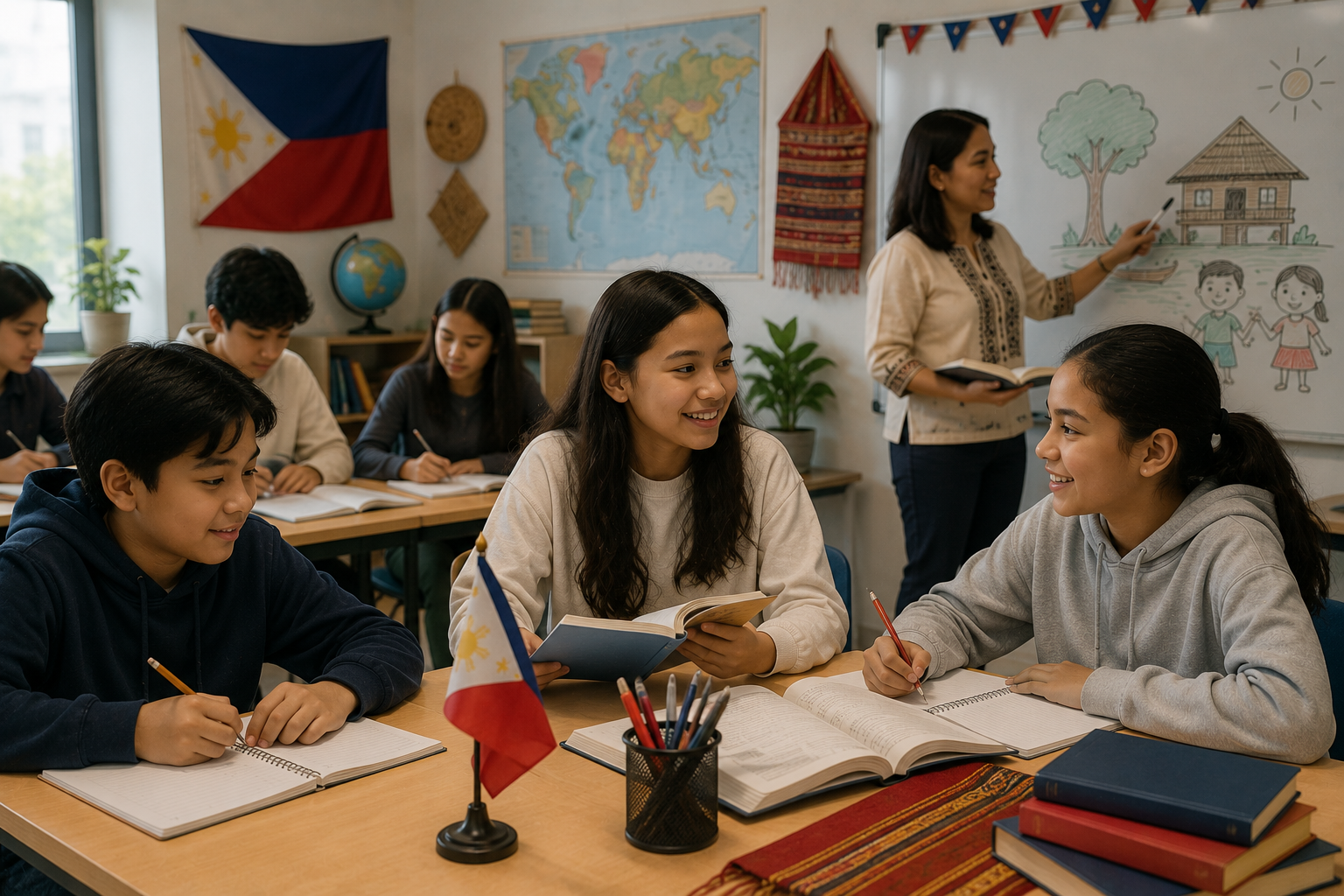
Youth engagement has become a major priority for Filipino organizations worldwide.
Second- and third-generation Filipinos growing up abroad often face unique challenges in maintaining connections to their cultural heritage.
Community events provide opportunities for cultural learning through music, dance, language, food, history, and storytelling.
Many organizations have developed programs specifically designed to make heritage education engaging and relevant for younger audiences.
Parents and educators frequently support these efforts, recognizing the importance of cultural identity in personal and social development.
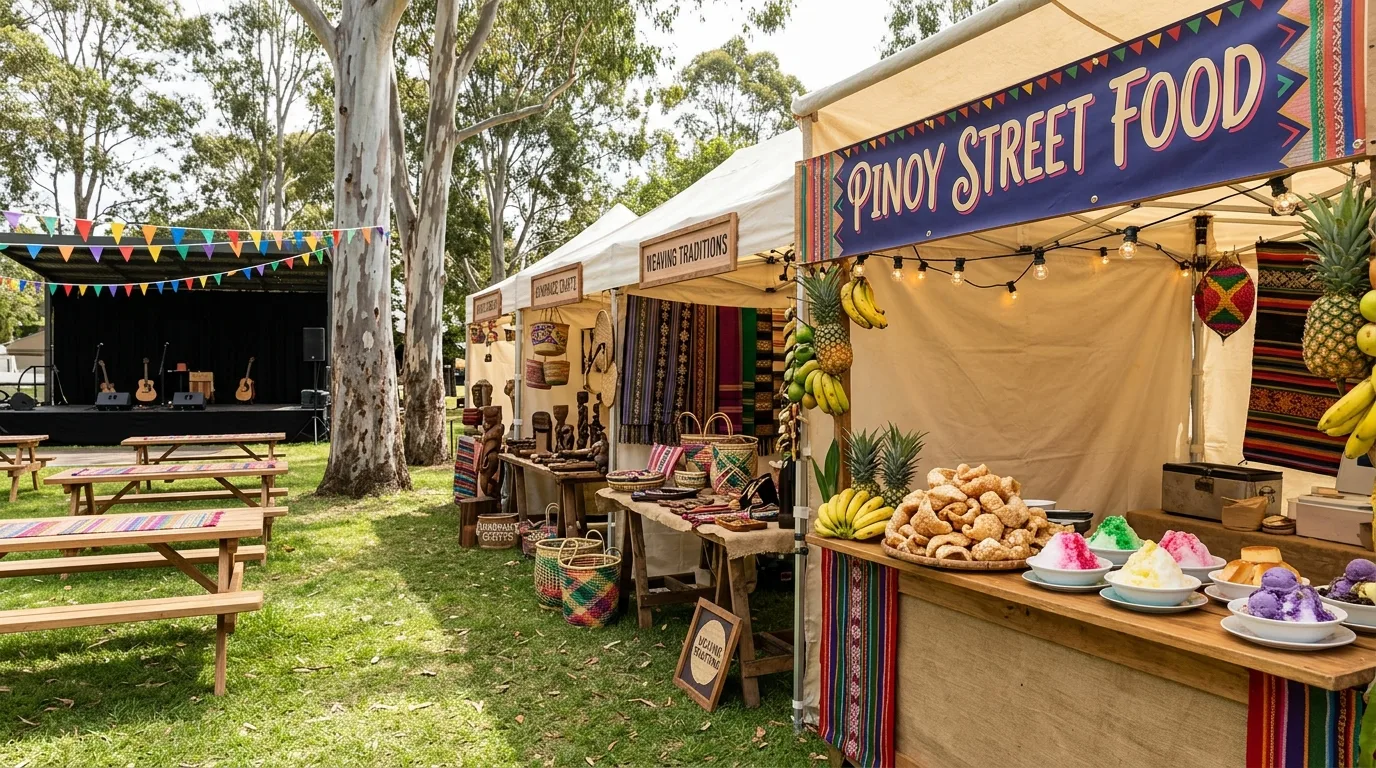
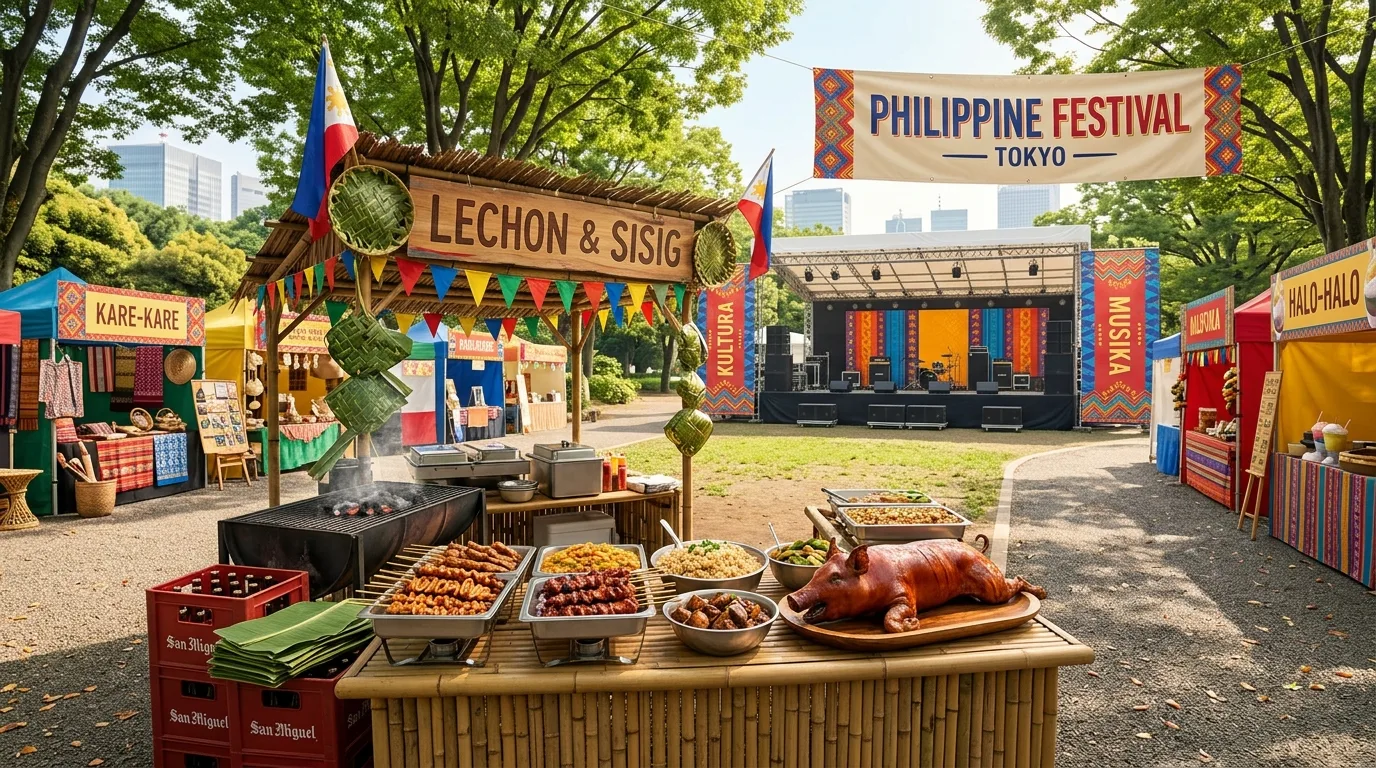
Cultural festivals remain among the most popular community events.
These celebrations showcase traditional Filipino music, folk dances, regional costumes, visual arts, culinary traditions, and community achievements.
Festival attendees often include both Filipinos and individuals from other cultural backgrounds who are interested in learning more about Philippine heritage.
Organizers view these interactions as valuable opportunities for intercultural understanding.
By sharing traditions and experiences, Filipino communities contribute to broader conversations about diversity, inclusion, and cultural appreciation.
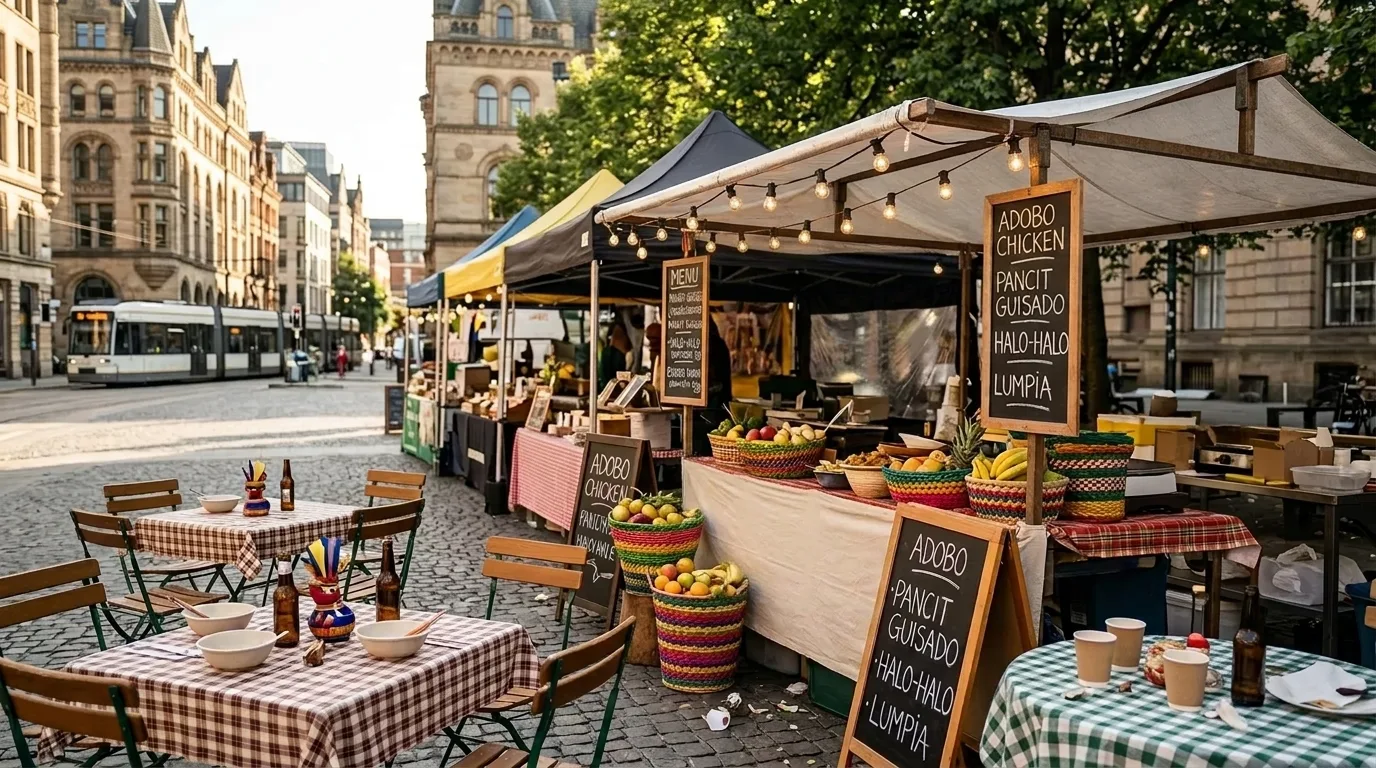
Food plays a particularly important role in connecting communities.
Filipino culinary showcases frequently attract large crowds eager to experience dishes such as adobo, lechon, pancit, lumpia, sisig, kare-kare, halo-halo, and regional specialties.
Food creates natural opportunities for conversation and cultural exchange.
Many visitors who attend Filipino events for the cuisine later develop deeper interest in the country's history, traditions, and tourism destinations.
Entrepreneurs and business owners are also becoming increasingly involved in community initiatives.
Filipino-owned businesses frequently sponsor events, provide resources, support charitable activities, and participate in community outreach programs.
Their involvement strengthens economic networks while contributing to community development.
Business leaders often view community engagement as an important way to give back and support future generations.
Technology has significantly expanded the reach of Filipino community events.
Social media platforms, livestreams, virtual conferences, online networking sessions, and digital cultural content allow organizations to connect participants across countries and continents.
Community leaders note that digital tools have become essential for maintaining engagement and strengthening international relationships.
Virtual events have enabled collaboration among organizations that may never have interacted otherwise.
As a result, Filipino communities in different parts of the world are increasingly sharing ideas, resources, and best practices.
Charitable initiatives remain another defining feature of community events.
Fundraising campaigns, scholarship programs, disaster relief efforts, healthcare projects, and humanitarian activities frequently accompany cultural celebrations and community gatherings.
These efforts reflect the enduring influence of bayanihan and demonstrate how Filipino communities continue to support one another regardless of location.
Observers often cite these charitable activities as examples of the positive impact overseas Filipinos have on both local communities and the Philippines.
Community leaders believe that service-oriented initiatives strengthen relationships while reinforcing shared values.
Government agencies, diplomatic missions, and community organizations frequently collaborate on programs that promote cultural awareness and civic engagement.
These partnerships help expand resources and increase participation while strengthening relationships between Filipino communities and local institutions.
Officials often praise overseas Filipinos for their contributions to economic growth, cultural diversity, and community development.
Recognition programs and awards ceremonies are commonly incorporated into major events to celebrate individual and collective achievements.
The growing popularity of Filipino community events reflects broader demographic and social trends.
As global migration continues to increase, cultural organizations play increasingly important roles in helping communities maintain identity and social cohesion.
Filipino organizations have demonstrated remarkable adaptability in responding to changing circumstances while preserving core cultural values.
Their ability to combine tradition with innovation has contributed significantly to their success.
Looking ahead, community leaders anticipate continued growth in participation and programming.
Plans are already underway for expanded cultural festivals, international conferences, youth leadership initiatives, educational programs, and collaborative projects involving organizations across multiple countries.
Many leaders believe these efforts will further strengthen international connections while supporting cultural preservation and community development.
The long-term goal is to create sustainable networks that benefit both current and future generations of Filipinos around the world.
Ultimately, the story of Filipino community events is a story of connection.
It demonstrates how culture, shared values, and collective action can unite people across geographic, social, and cultural boundaries.
Through festivals, educational programs, charitable initiatives, networking opportunities, and cultural celebrations, Filipino communities continue to build bridges that strengthen relationships and foster mutual understanding.
From Dubai to Sydney and countless cities in between, these events are helping create a truly global Filipino community connected by heritage, values, and a shared commitment to supporting one another.
Every gathering, performance, volunteer effort, and community project contributes to a larger movement that celebrates Filipino identity while embracing the opportunities of an interconnected world.
As Filipino organizations continue to expand their reach and influence, they demonstrate that meaningful international connections are built not only through institutions and technology but also through culture, community, and the enduring spirit of bayanihan.
Across continents and generations, Filipino community events continue to bring people together, proving that distance may separate communities geographically, but shared heritage and common values can keep them closely connected for years to come.
Enjoyed this story?
Share this story