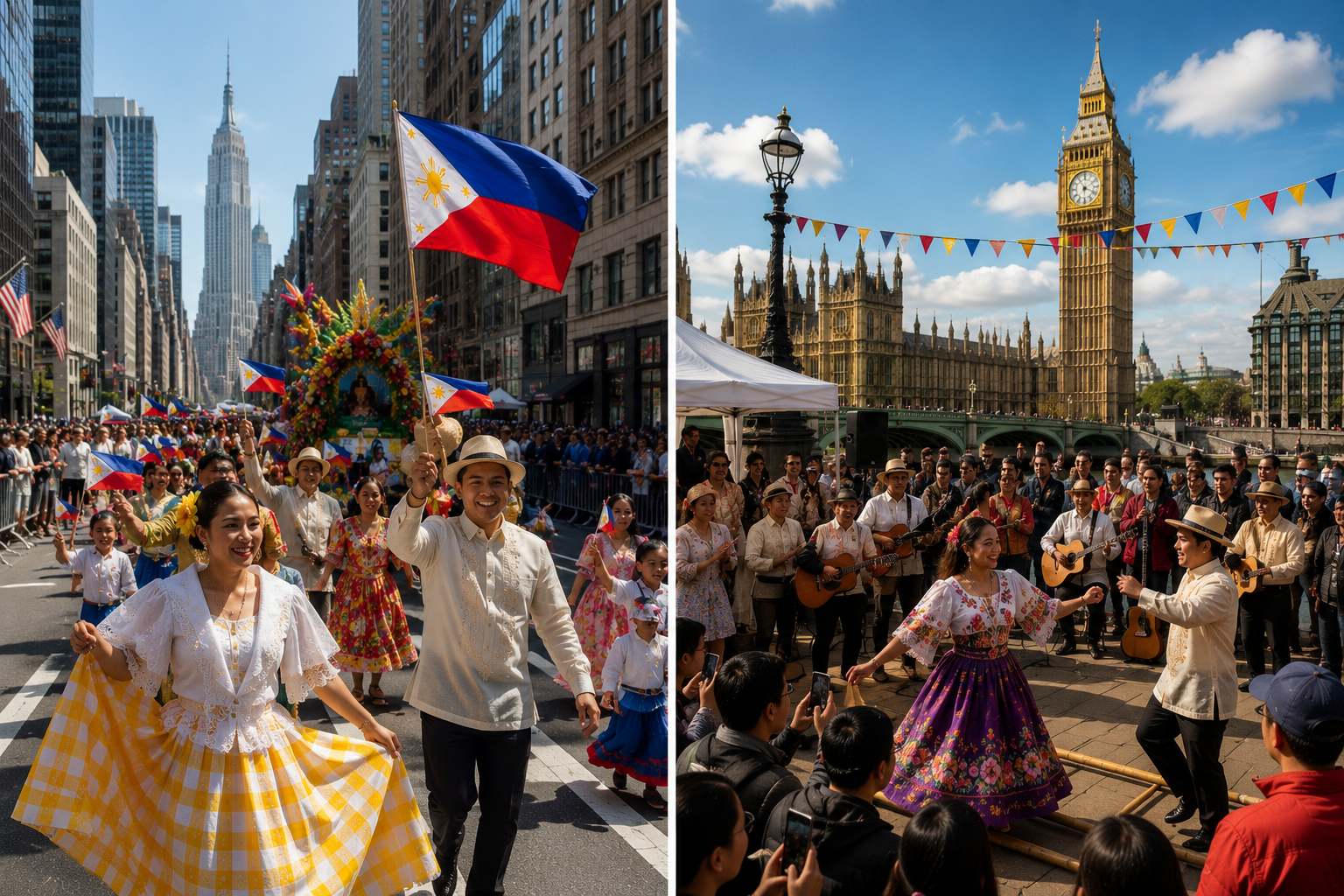
From New York to London: Filipino Communities Abroad Keep Traditions Alive Through Festivals and Gatherings
Share
June 01, 2026
Updated Oct 16, 2026
7 min read
383 views
NEW YORK, USA — Across major cities around the world, Filipino communities are coming together through festivals, cultural programs, religious celebrations, and community gatherings that continue to preserve and promote Filipino traditions far from home.
From the bustling streets of New York to the multicultural neighborhoods of London, Filipinos living abroad are demonstrating that cultural identity can remain vibrant and meaningful regardless of distance. Through annual festivals, heritage events, charitable initiatives, and family-centered celebrations, overseas Filipinos are ensuring that future generations remain connected to their roots while sharing the richness of Filipino culture with the wider world.
Community leaders say these gatherings have become increasingly important as Filipino populations continue to grow across North America, Europe, the Middle East, Asia, and Oceania. While many Filipinos have built successful lives overseas, they remain deeply connected to the traditions, values, and cultural practices that shaped their identity.
Throughout the year, Filipino organizations host events that celebrate Philippine history, cuisine, music, dance, faith, and community spirit. These activities provide opportunities for Filipinos from different generations and backgrounds to reconnect with one another while strengthening a shared sense of belonging.
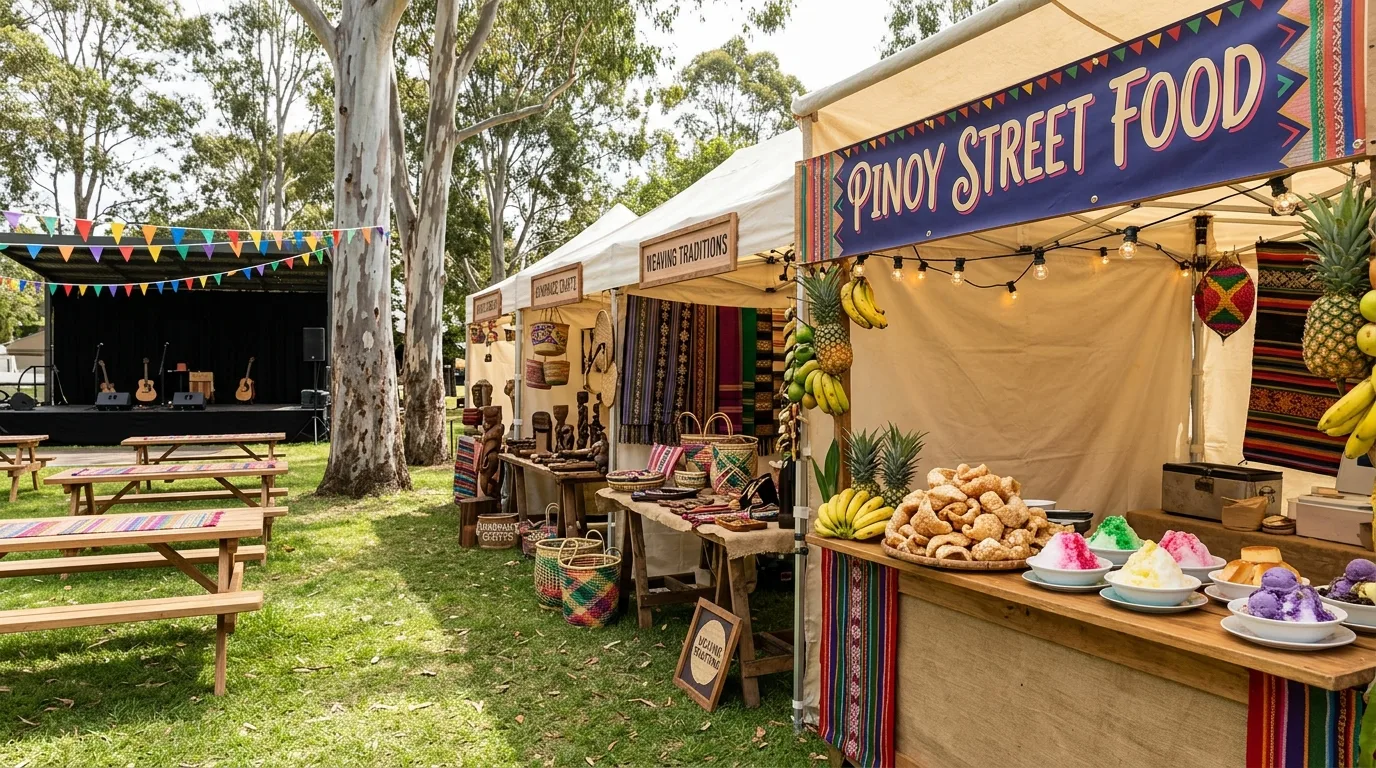
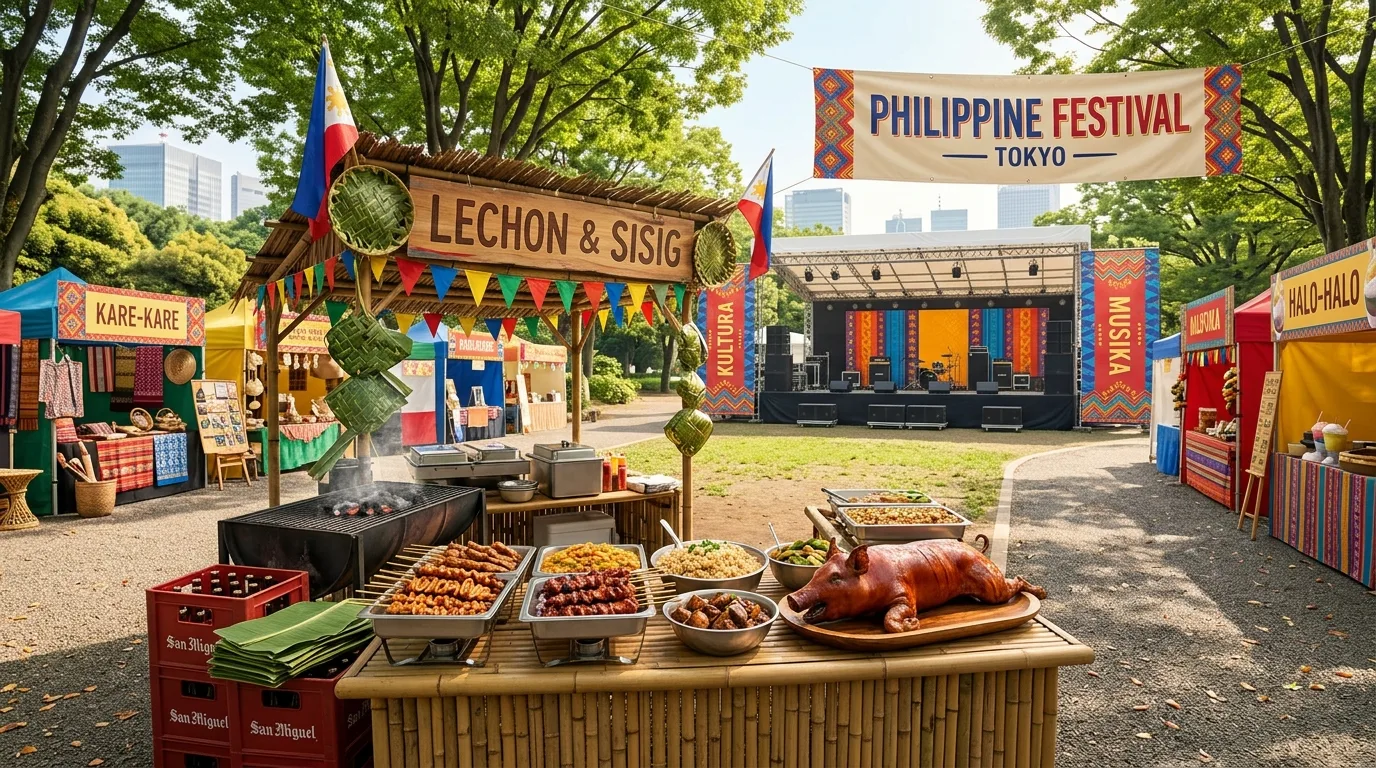
In New York, Filipino festivals attract thousands of participants each year. Streets and public spaces are transformed into vibrant cultural hubs featuring traditional performances, Filipino cuisine, local businesses, and community organizations. Attendees proudly wave Philippine flags while enjoying music, dance presentations, and cultural exhibits that showcase the diversity of the Philippines.
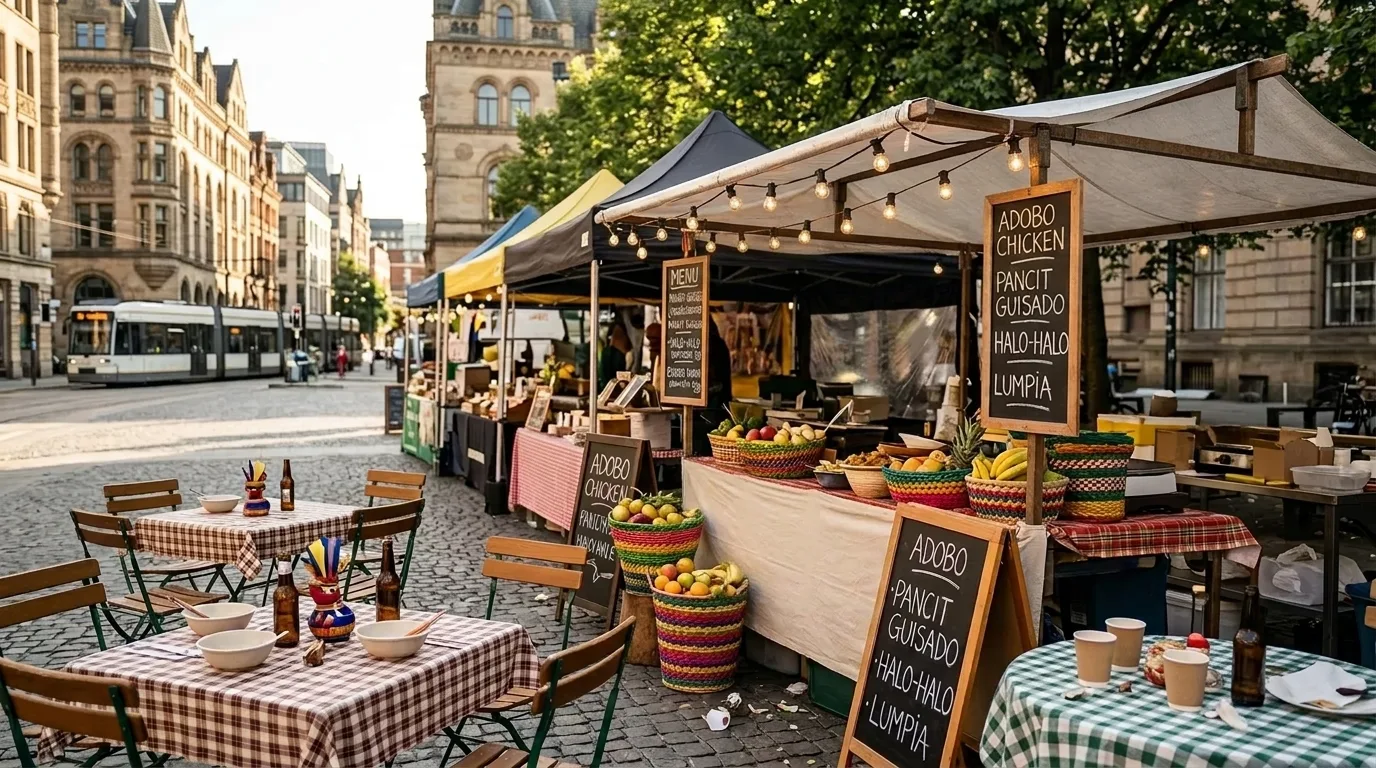
Across the Atlantic, Filipino communities in London organize similar events that bring together families, professionals, students, healthcare workers, entrepreneurs, and long-time residents. These gatherings have become important cultural landmarks that celebrate both Filipino heritage and the achievements of the Filipino diaspora in the United Kingdom.
The success of these celebrations reflects the remarkable growth of Filipino communities worldwide. Millions of Filipinos now live and work abroad, contributing to industries such as healthcare, education, engineering, finance, hospitality, technology, transportation, and public service.
Despite adapting to different cultures and environments, many overseas Filipinos remain committed to preserving traditions that have been passed down through generations. Festivals and community gatherings play a critical role in maintaining these cultural connections.
One of the most recognizable features of Filipino celebrations abroad is the vibrant display of traditional music and dance. Folk performances inspired by various regions of the Philippines remain popular attractions during festivals and cultural events.
Performers often spend months preparing elaborate routines and costumes that showcase the country's rich cultural heritage. Through these presentations, audiences gain insights into the diverse traditions that exist throughout the Philippine archipelago.
Traditional attire also plays an important role in cultural celebrations. Many participants wear Barong Tagalog, Filipiniana dresses, and regional costumes that reflect different aspects of Philippine history and identity. These garments serve as visual symbols of pride and cultural continuity.
Food remains another central element of Filipino gatherings around the world. Community festivals frequently feature favorite dishes such as adobo, lechon, pancit, lumpia, sisig, kare-kare, barbecue, halo-halo, and countless regional specialties.
For many Filipinos living abroad, these meals provide more than nourishment. They evoke memories of family gatherings, hometown celebrations, and childhood experiences. Sharing food also serves as a way to introduce friends and neighbors from other cultures to Filipino hospitality and culinary traditions.
The increasing popularity of Filipino cuisine has contributed significantly to the visibility of Filipino culture internationally. Restaurants, food festivals, and culinary events have introduced wider audiences to the flavors of the Philippines, generating curiosity about the country's traditions and heritage.
Religious celebrations continue to be another important aspect of community life. Many Filipino communities organize special masses, processions, prayer gatherings, and faith-based events that reflect the deep spiritual traditions present throughout the Philippines.
These gatherings provide emotional support, fellowship, and a sense of continuity for Filipinos navigating life far from home. Religious institutions often serve as important community centers where individuals can build relationships and access support networks.
Community organizations have also become essential pillars of Filipino life abroad. Volunteer groups, cultural associations, professional networks, youth organizations, and charitable foundations work together to organize programs that benefit both Filipino communities and broader society.
Many of these organizations conduct outreach initiatives that support education, healthcare, disaster relief, newcomer assistance, and social welfare programs. Their efforts reflect the enduring Filipino value of bayanihan—the spirit of collective action and mutual support.
Charitable projects frequently accompany cultural celebrations. Fundraising drives, donation campaigns, scholarship programs, and volunteer activities allow community members to contribute to causes that benefit vulnerable populations both locally and in the Philippines.
The willingness of Filipinos to support one another has become one of the defining characteristics of diaspora communities around the world. Whether assisting newcomers, helping families in need, or responding to emergencies, Filipino organizations consistently demonstrate a strong commitment to service.
Youth engagement has emerged as a major priority for many community leaders. Second- and third-generation Filipinos often face unique challenges in balancing their cultural heritage with life in their countries of birth.
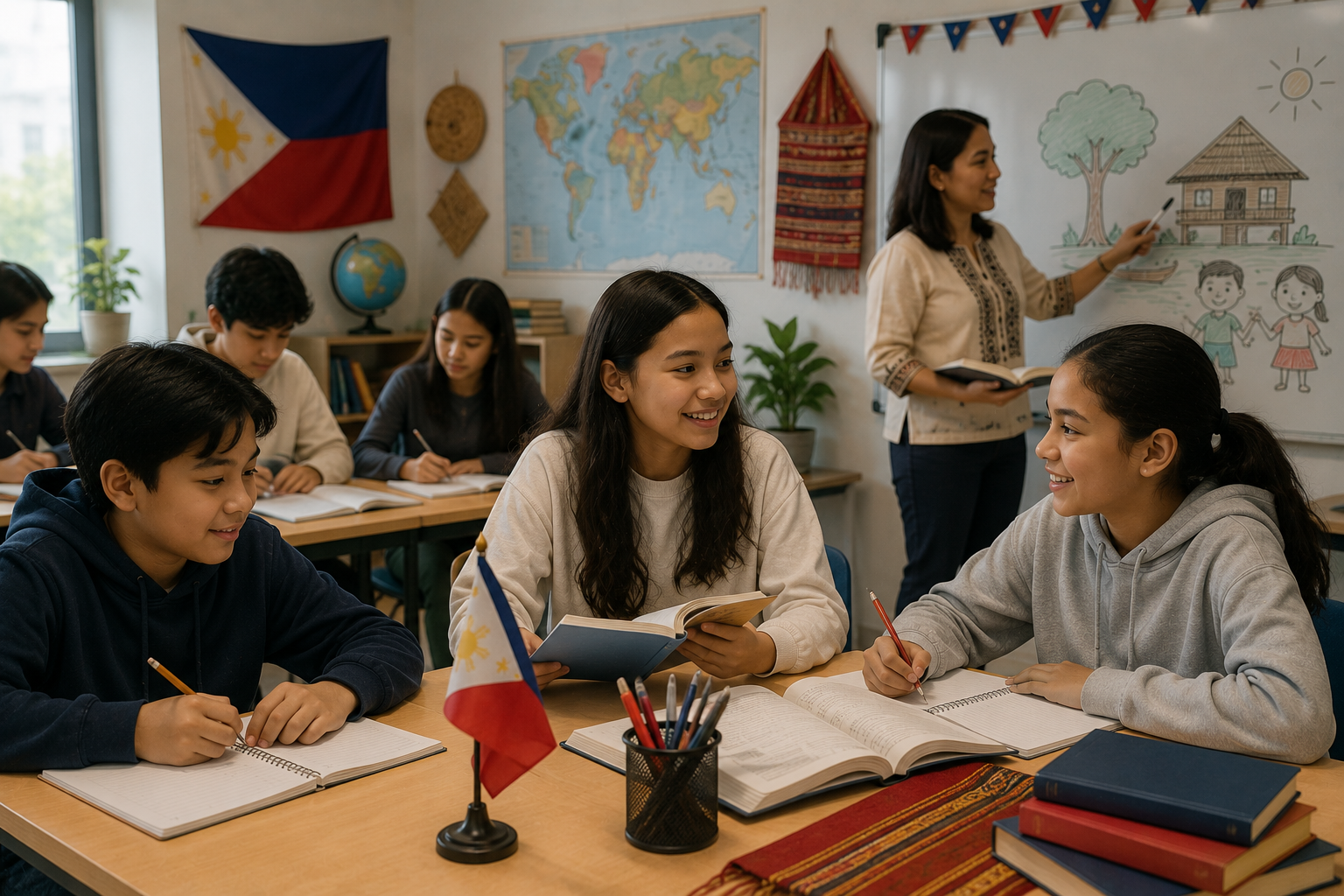
To address this, organizations have developed educational programs, leadership initiatives, cultural workshops, language classes, and mentorship opportunities designed to strengthen cultural awareness among younger generations.
Many young Filipinos have embraced leadership roles within their communities, helping organize events, create digital content, and promote Filipino culture through modern platforms. Their participation is helping ensure that traditions continue to evolve while remaining connected to their roots.
Technology has significantly expanded the reach of Filipino cultural initiatives. Social media platforms, livestreamed events, digital storytelling projects, and online communities allow Filipinos across continents to stay connected and participate in celebrations regardless of location.
These digital connections have proven particularly valuable for maintaining relationships among global Filipino communities. They enable organizations to collaborate, share resources, and amplify cultural programs on an international scale.
Experts note that Filipino cultural events also play an important role in promoting multicultural understanding. Festivals attract diverse audiences who gain exposure to Filipino history, traditions, cuisine, and values.
Visitors often express admiration for the warmth, hospitality, and inclusiveness displayed during Filipino celebrations. These experiences contribute to positive perceptions of Filipino communities and strengthen relationships across cultural boundaries.
Government officials, community leaders, and multicultural organizations frequently recognize the contributions of Filipinos to their host countries. Through professional achievements, volunteerism, entrepreneurship, and community engagement, Filipinos have established themselves as valuable members of societies around the world.
At the same time, cultural events provide opportunities to celebrate these accomplishments while maintaining strong ties to Philippine heritage. Community leaders believe this balance between integration and cultural preservation is one of the reasons Filipino communities continue to thrive internationally.
As global migration patterns continue to evolve, the importance of cultural preservation remains as relevant as ever. Festivals and gatherings provide spaces where traditions can be celebrated, stories can be shared, and relationships can be strengthened.
Many organizers view these events as investments in future generations. By creating opportunities for cultural participation, they help ensure that Filipino identity remains vibrant and meaningful despite changing social and geographic circumstances.
Looking ahead, Filipino organizations worldwide are planning even larger and more inclusive events designed to reach broader audiences and strengthen community engagement. New partnerships, digital initiatives, and youth-focused programs are expected to further expand the impact of these efforts.
For millions of Filipinos living abroad, cultural gatherings represent much more than social occasions. They are celebrations of identity, resilience, heritage, and community. They serve as reminders that while people may leave the Philippines in pursuit of new opportunities, the traditions and values that shaped them remain deeply embedded in their lives.
From New York to London, and from countless other cities across the globe, Filipinos continue to keep their traditions alive through collective celebration and cultural pride. Through festivals, community programs, charitable initiatives, and family gatherings, they are ensuring that the spirit of the Philippines continues to thrive wherever Filipinos call home.
As each generation carries these traditions forward, the story of the global Filipino community becomes one of continuity, adaptation, and enduring pride. It is a story that demonstrates how culture can transcend borders and how shared heritage can unite people across oceans and continents.
In every festival, every gathering, every shared meal, and every act of bayanihan, Filipino communities abroad continue to honor the past while building a future rooted in unity, culture, and belonging.
Enjoyed this story?
Share this story