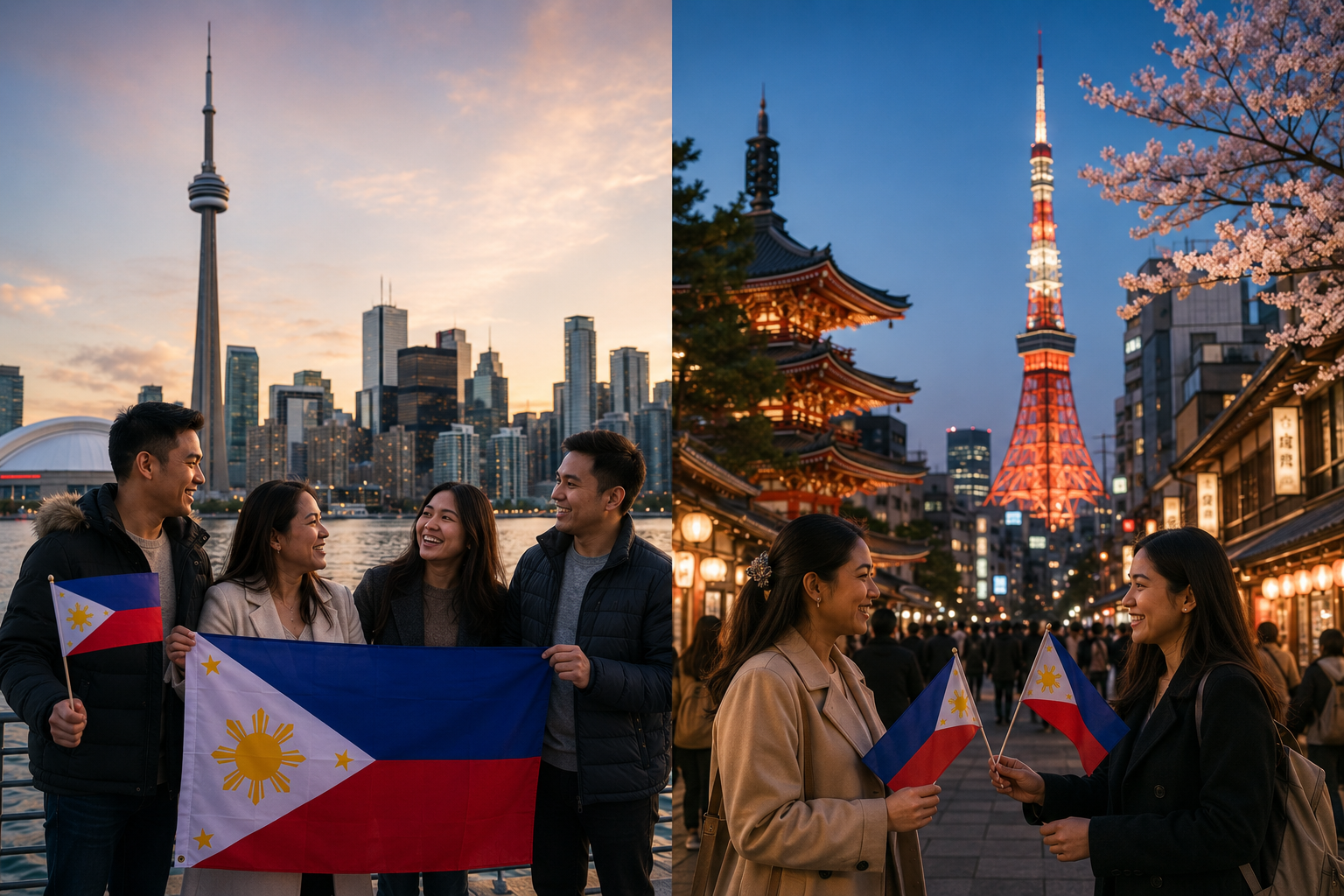
From Toronto to Tokyo: Filipinos Around the World Celebrate Heritage and Unity
Share
June 08, 2026
Updated Oct 16, 2026
8 min read
407 views
MANILA, Philippines — Across continents and time zones, millions of Filipinos are gathering to celebrate their heritage, strengthen community bonds, and reaffirm a shared identity that transcends borders. From the bustling multicultural neighborhoods of Toronto to the vibrant urban centers of Tokyo, overseas Filipino communities continue to organize cultural festivals, heritage celebrations, community events, and social initiatives that bring people together while highlighting the enduring values that define the Filipino spirit.
These celebrations reflect the remarkable global presence of Filipinos, whose contributions can be found in virtually every region of the world. Over the years, Filipino communities have established strong roots in countries across North America, Europe, Asia, the Middle East, and Oceania. While each community has adapted to local environments and cultures, they have also maintained meaningful connections to their heritage. Through organized celebrations and cultural activities, Filipinos abroad continue to preserve traditions while passing them on to future generations.
Community leaders often describe these gatherings as important expressions of identity and belonging. Living abroad can present challenges related to cultural preservation, especially for younger generations who may grow up far from the Philippines. Heritage events provide opportunities for families and communities to reconnect with traditions, share cultural knowledge, and strengthen ties that might otherwise weaken over time. By creating spaces where culture can be actively celebrated, communities help ensure that Filipino traditions remain vibrant and relevant regardless of geographic location.
Toronto has become one of the most prominent centers of Filipino cultural activity outside the Philippines. Home to a large and growing Filipino population, the city regularly hosts festivals, cultural exhibitions, heritage celebrations, and community events that attract thousands of participants. These gatherings showcase Filipino music, dance, cuisine, art, and traditions while providing opportunities for community members to connect and celebrate their shared heritage. Organizers note that attendance continues to increase as more people become interested in learning about Filipino culture and participating in community activities.
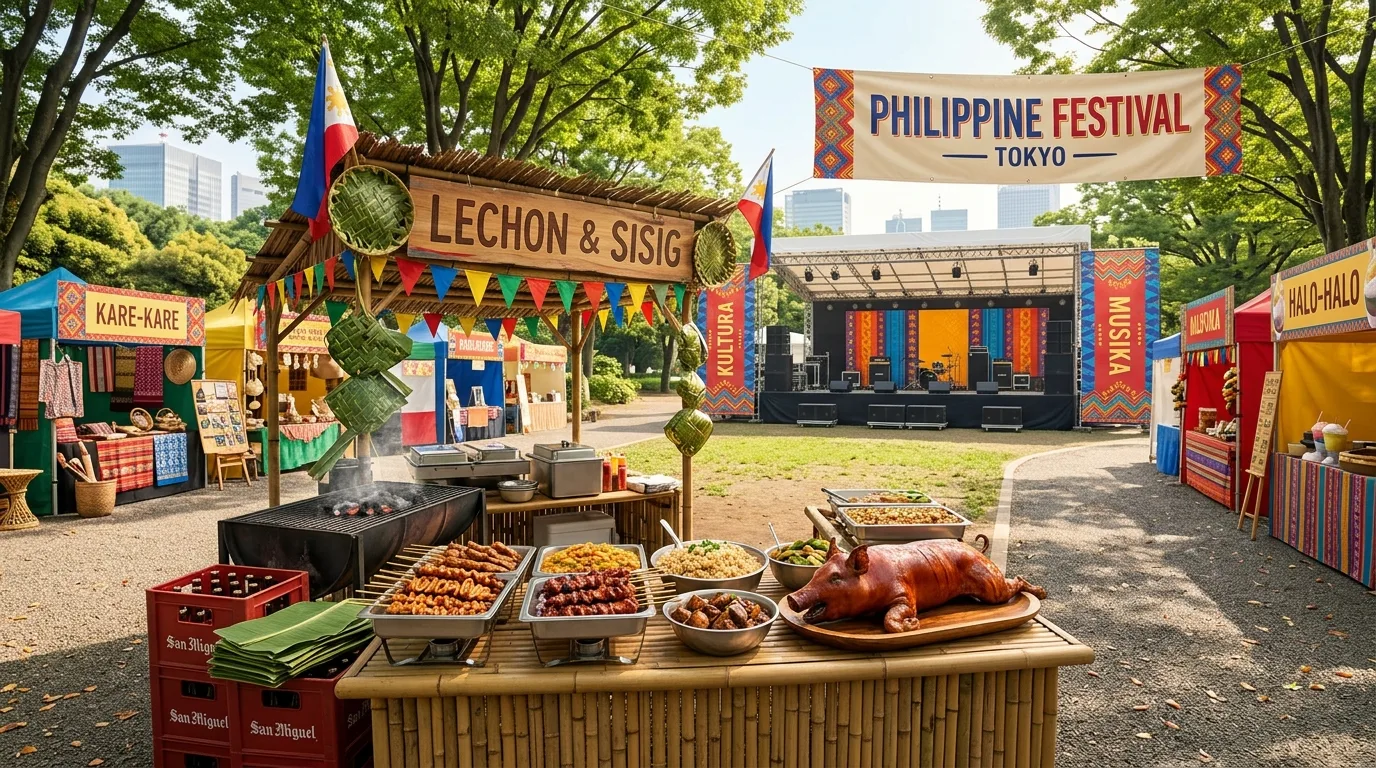
Across the Pacific, Tokyo has also emerged as a significant hub for Filipino cultural engagement. The Filipino community in Japan has developed strong networks that support cultural preservation, community development, and social connection. Festivals and heritage events often feature traditional performances, educational exhibits, culinary experiences, and family-oriented activities that highlight the diversity of Philippine culture. Participants view these celebrations as opportunities to maintain cultural ties while strengthening relationships within the community.
The significance of these events extends beyond entertainment and celebration. Community advocates emphasize that cultural gatherings play an important role in fostering emotional well-being and social support among overseas Filipinos. Living far from home can sometimes create feelings of isolation or disconnection. Community events provide spaces where individuals can find support, build friendships, and engage with people who share similar experiences. These relationships contribute to stronger and more resilient communities.
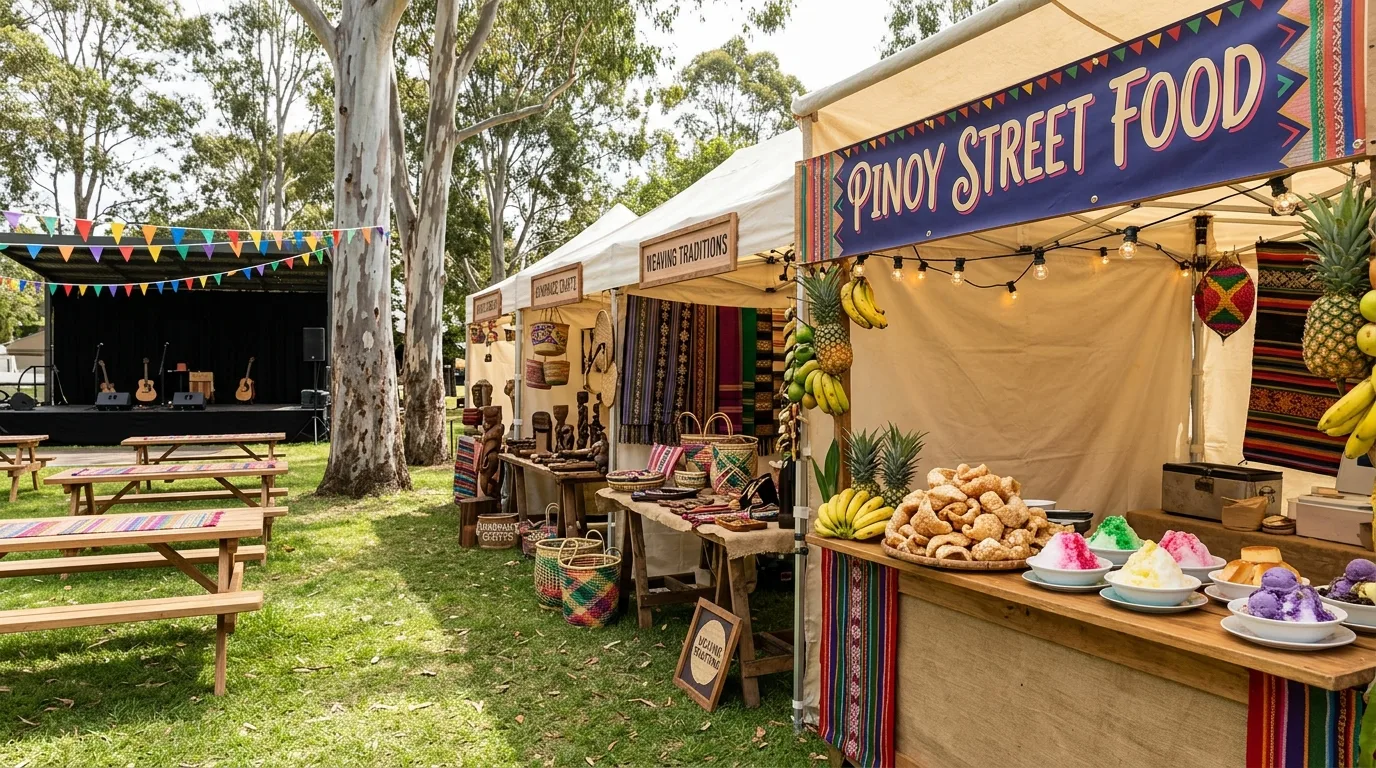
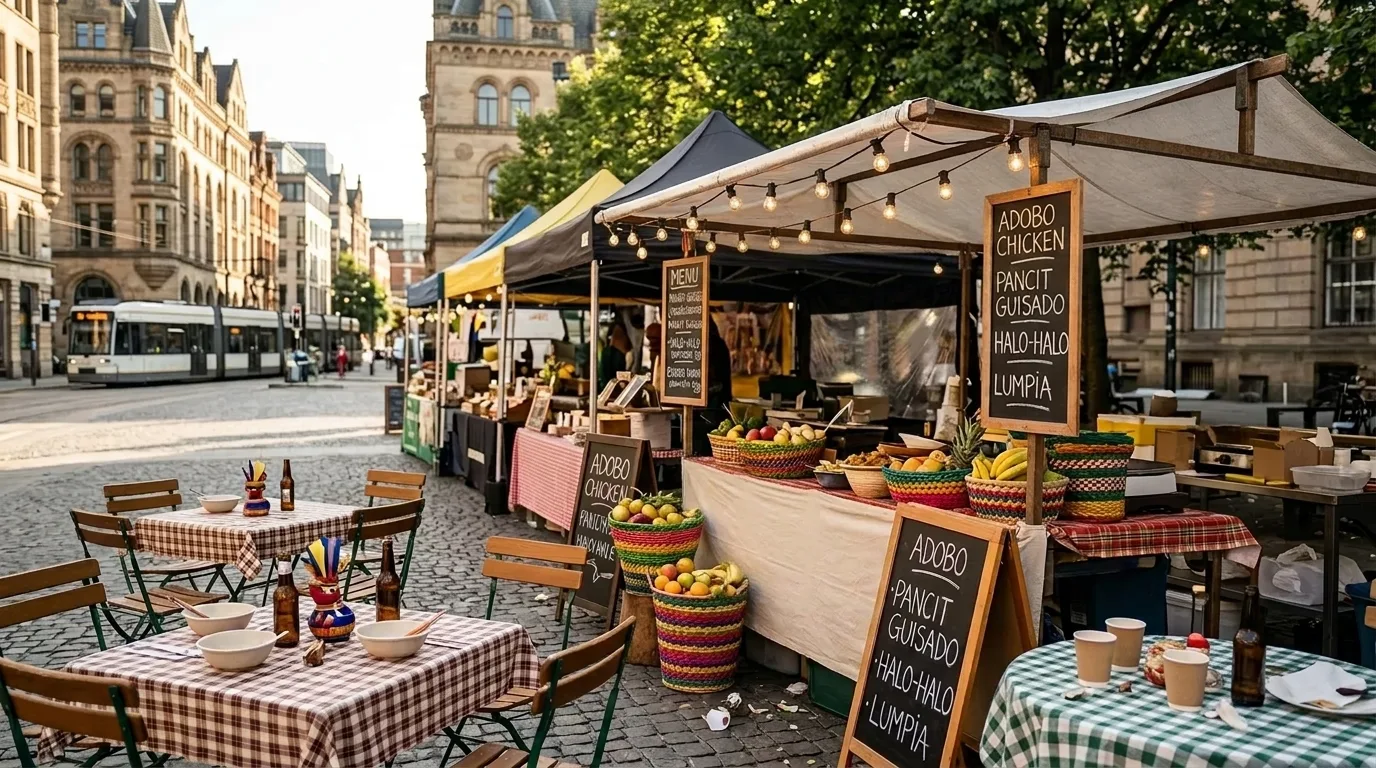
Food remains one of the most popular and meaningful aspects of heritage celebrations. Filipino cuisine serves as a powerful cultural ambassador, introducing international audiences to the flavors, traditions, and stories associated with different regions of the Philippines. Festivals often feature traditional dishes, regional specialties, cooking demonstrations, and culinary competitions that attract both Filipinos and non-Filipinos. Community leaders note that food creates natural opportunities for cultural exchange while helping preserve important family traditions.
Many attendees describe food as one of the strongest connections to home. Recipes passed down through generations often carry memories and stories that connect individuals to their families and communities. Heritage events provide opportunities to share these traditions while introducing younger generations to the culinary practices that form an important part of Filipino identity. The growing international popularity of Filipino cuisine has further increased interest in cultural celebrations and community gatherings.
Music and dance continue to play central roles in heritage events worldwide. Traditional folk dances, indigenous performances, contemporary musical presentations, and cultural showcases allow communities to celebrate artistic traditions while educating audiences about Philippine history and culture. Performers often spend months preparing for festivals, demonstrating a deep commitment to preserving cultural heritage through artistic expression. Audiences are drawn not only to the entertainment value of these performances but also to the stories and traditions they represent.
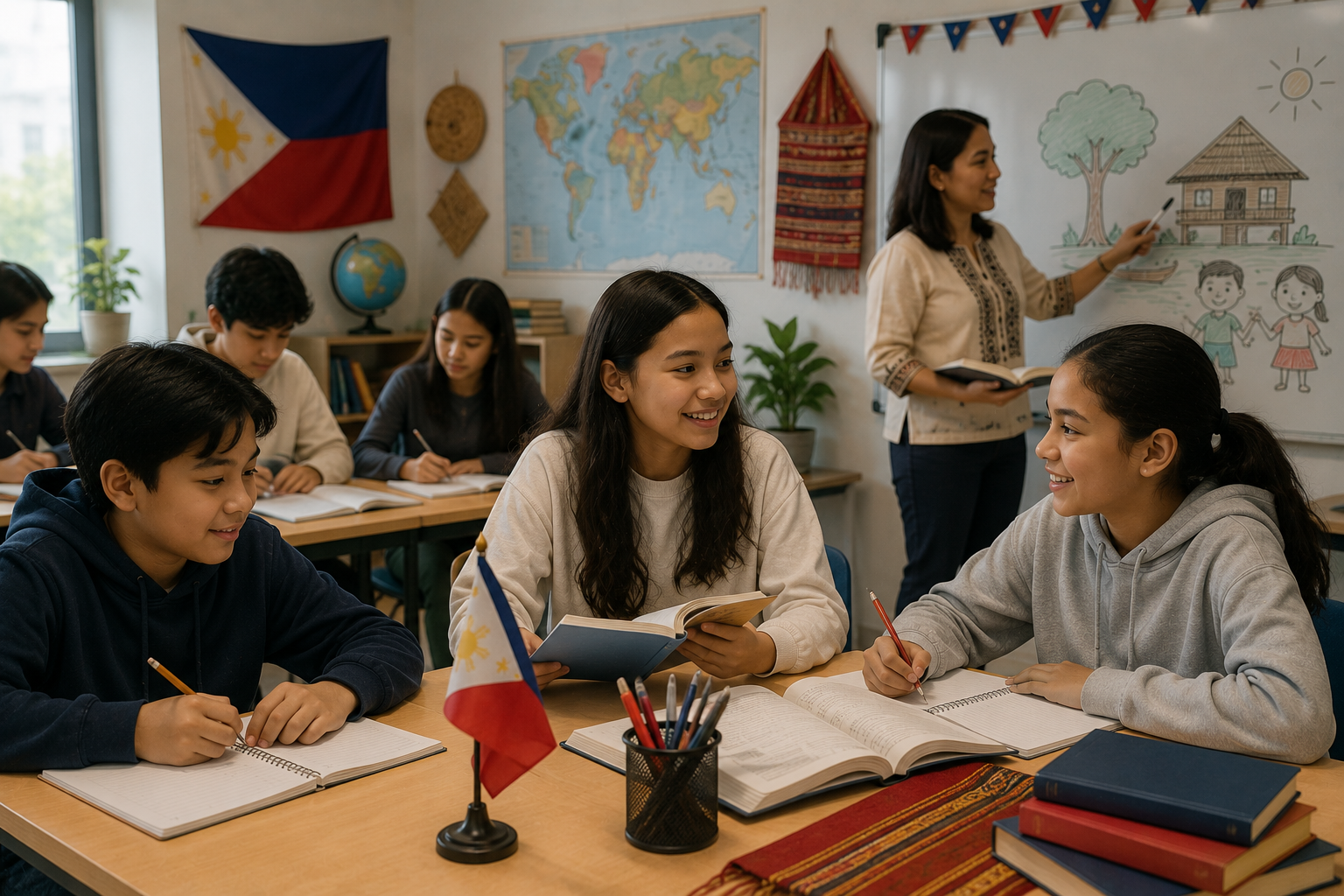
Cultural education has become an increasingly important component of community celebrations. Organizers frequently include exhibits, workshops, lectures, and interactive programs designed to help participants learn about Philippine history, languages, customs, and traditions. These initiatives are particularly valuable for younger generations who may have limited opportunities to engage with their heritage in daily life. Community leaders believe that education is essential for ensuring that cultural knowledge continues to be passed down effectively.
Second-generation Filipinos often play important roles in these celebrations. Many young people participate as performers, volunteers, organizers, and cultural ambassadors. Their involvement reflects a growing commitment to preserving heritage while adapting traditions to contemporary contexts. Community organizations actively encourage youth leadership because they recognize that younger generations will ultimately determine the future of cultural preservation efforts. By empowering young people to take active roles, communities create pathways for long-term sustainability and engagement.
Technology has significantly expanded the reach of Filipino heritage celebrations. Social media platforms, livestream broadcasts, digital storytelling projects, and online cultural communities allow events to connect with audiences around the world. Filipinos who are unable to attend in person can still participate virtually, while cultural content reaches viewers who may never have encountered Philippine traditions otherwise. Digital engagement has become an important tool for strengthening global Filipino networks and promoting cultural awareness.
The concept of bayanihan remains deeply embedded in many community events. Volunteers dedicate countless hours to planning, organizing, and executing celebrations that benefit the broader community. This spirit of cooperation and mutual support reflects values that have long been central to Filipino culture. Organizers frequently describe volunteerism as one of the strongest indicators of community health and cultural resilience. The willingness of individuals to contribute their time and resources helps ensure the success of cultural initiatives while strengthening social bonds.
Many heritage celebrations also incorporate charitable and community service components. Fundraising activities, scholarship programs, outreach projects, and humanitarian initiatives are often integrated into event programming. These efforts demonstrate that cultural celebration and community service can coexist in meaningful ways. Participants view such initiatives as practical expressions of Filipino values and opportunities to give back to both local communities and the Philippines.
The multicultural environments in which many overseas Filipinos live create valuable opportunities for intercultural dialogue and understanding. Heritage festivals frequently attract attendees from diverse cultural backgrounds who are interested in learning more about Philippine traditions. These interactions help build bridges between communities while promoting greater appreciation for cultural diversity. Community leaders emphasize that cultural exchange benefits everyone involved by fostering respect, curiosity, and mutual understanding.
Economic contributions are another important aspect of community celebrations. Festivals and heritage events create opportunities for entrepreneurs, food vendors, artists, performers, and small business owners to showcase their products and services. These activities support local economies while strengthening community networks. Organizers often highlight the role of entrepreneurship in helping communities grow and thrive while maintaining strong cultural connections.
As global Filipino communities continue to expand, the importance of heritage celebrations is expected to grow as well. Community organizations are exploring new ways to engage younger generations, incorporate technology, and strengthen international partnerships. Increasing participation, broader public interest, and stronger community networks provide a solid foundation for future cultural initiatives. Organizers remain optimistic that heritage celebrations will continue to evolve while preserving the values and traditions that make them meaningful.
Looking ahead, many community leaders envision even greater collaboration among Filipino organizations around the world. International partnerships, cultural exchanges, educational initiatives, and digital projects are creating opportunities to strengthen global connections while promoting a shared sense of identity. These efforts reflect the reality that Filipino communities are increasingly interconnected despite being separated by geography.
Ultimately, the celebrations taking place from Toronto to Tokyo demonstrate the enduring strength of Filipino culture and the remarkable ability of communities to remain connected across vast distances. Through food, music, dance, education, volunteerism, and community engagement, overseas Filipinos are preserving traditions while building meaningful relationships that enrich their lives and strengthen their communities.
As millions of Filipinos continue to celebrate their heritage around the world, they reaffirm a simple but powerful truth: while geography may separate people, culture has the power to unite them. These gatherings serve as lasting reminders that Filipino identity is not confined to a single place but lives wherever communities come together to celebrate their shared history, values, and aspirations. Through unity, pride, and cultural preservation, Filipinos worldwide continue to demonstrate the strength of a global community connected by heritage and inspired by a common sense of belonging.
Enjoyed this story?
Share this story