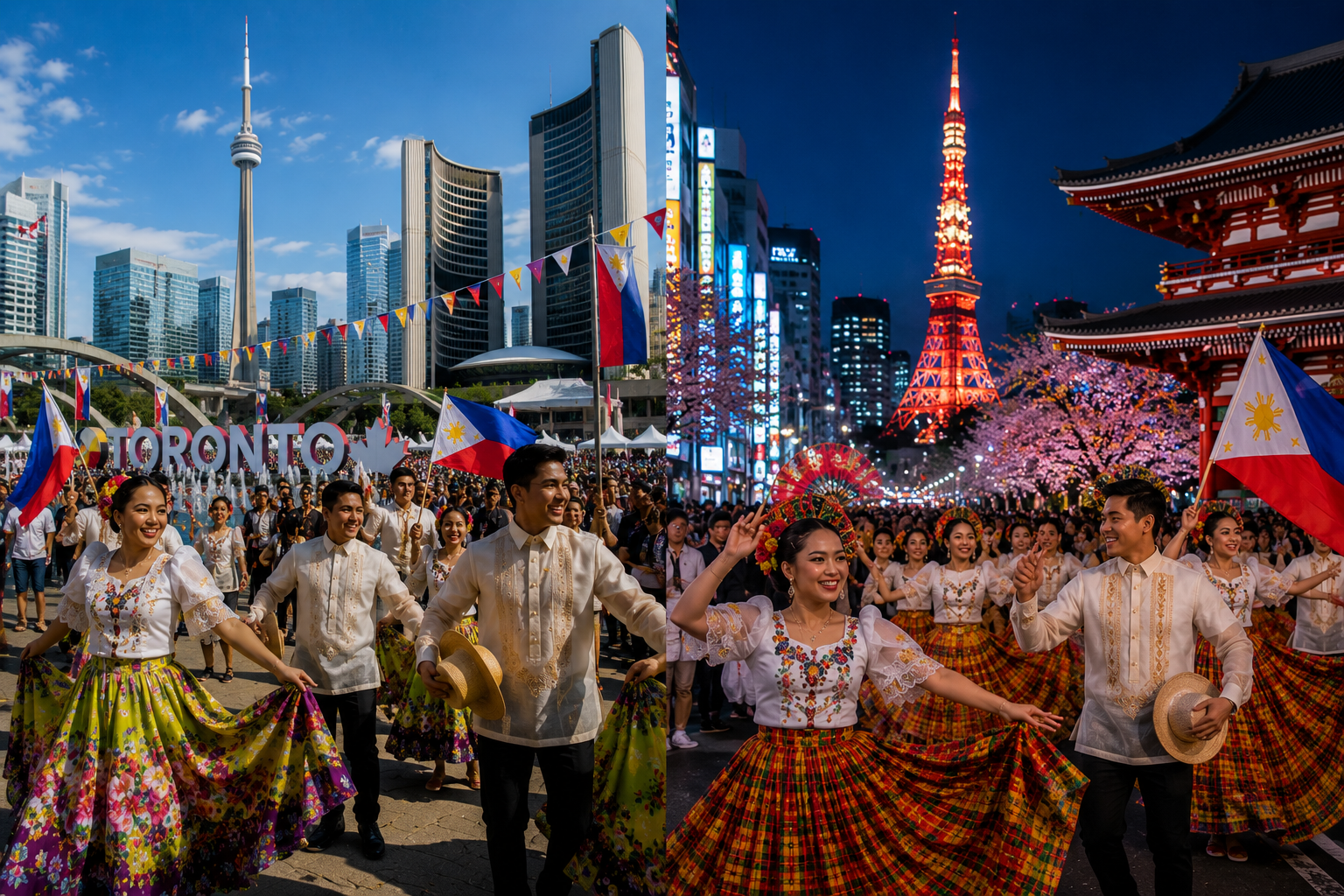
From Toronto to Tokyo: Philippine Festivals Bring Global Audiences Together
Share
June 02, 2026
Updated Oct 16, 2026
7 min read
256 views
MANILA, Philippines — Philippine festivals are increasingly becoming international celebrations of culture, diversity, and community as Filipino communities around the world bring the spirit of the Philippines to global audiences through colorful festivals, cultural showcases, and heritage events.
From the bustling streets of Toronto to the vibrant districts of Tokyo, Filipino festivals have evolved into major cultural gatherings that attract thousands of attendees eager to experience the traditions, flavors, music, and hospitality that define Filipino culture.
What began as community-centered celebrations among overseas Filipinos has grown into a worldwide cultural movement that continues to strengthen international appreciation for Philippine heritage. Today, festivals inspired by Filipino traditions can be found across North America, Asia, Europe, the Middle East, and Oceania, reflecting the growing influence of Filipino communities on the global stage.
Community leaders say these festivals serve multiple purposes. They preserve cultural traditions, strengthen social bonds among Filipinos abroad, support local businesses, promote tourism, and encourage cultural exchange between diverse communities.
For many overseas Filipinos, festivals provide an important connection to home. Living thousands of kilometers away from the Philippines can create feelings of distance from familiar traditions and celebrations. Cultural events help bridge that gap by recreating the atmosphere of hometown fiestas and national celebrations.
Throughout Canada, Filipino festivals have become among the most anticipated multicultural events of the year. Toronto, home to one of the largest Filipino populations outside the Philippines, regularly hosts large-scale cultural celebrations that attract participants from across the country.
Festival grounds are transformed into lively spaces filled with traditional music, dance performances, food vendors, cultural exhibits, and family-friendly activities. Attendees gather to celebrate Filipino identity while introducing Canadian audiences to the richness of Philippine culture.
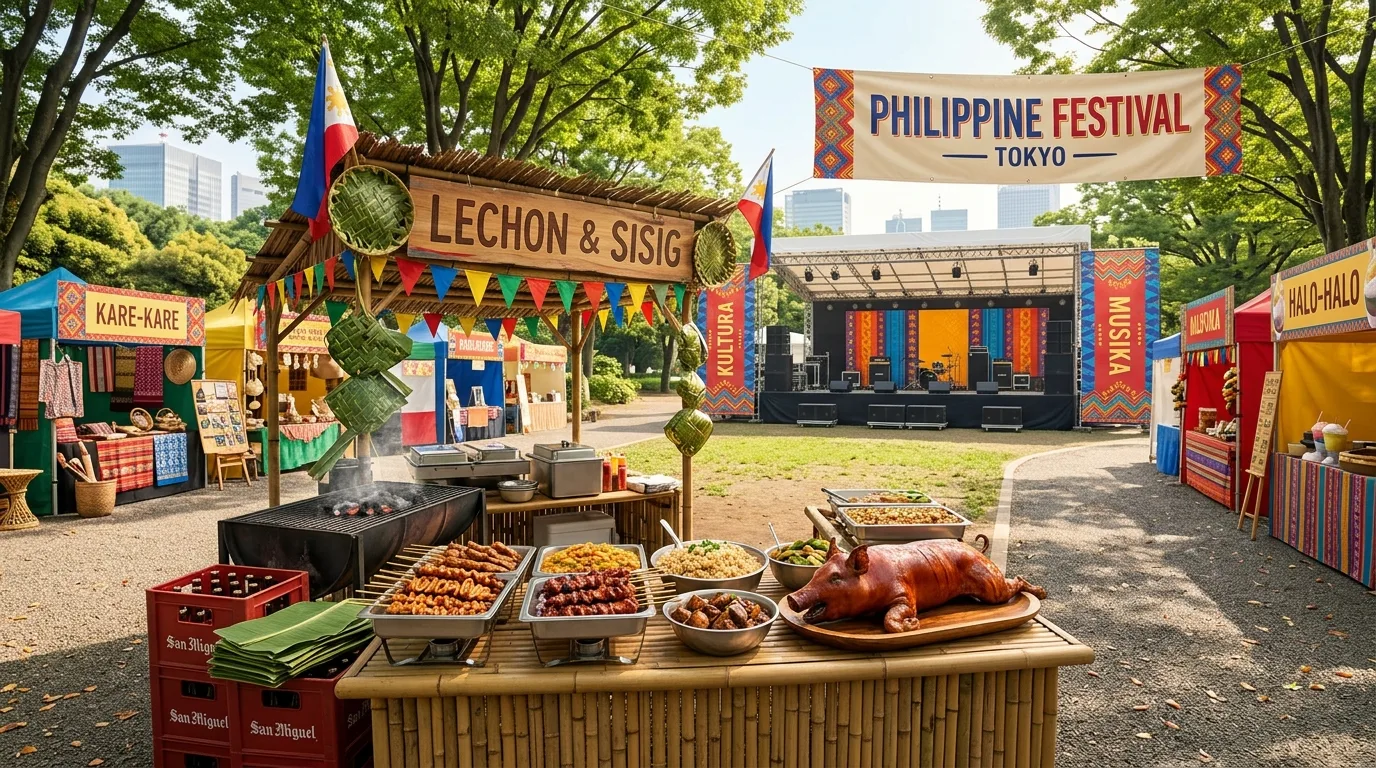
Across the Pacific, Filipino communities in Japan have also embraced cultural festivals as powerful expressions of heritage and community. In Tokyo and other major cities, Filipino organizations regularly host events that showcase traditional arts, cuisine, music, and cultural traditions.
Japanese visitors attending these festivals often express admiration for the warmth, hospitality, and creativity that characterize Filipino celebrations. Organizers note that cultural exchanges during these events help strengthen friendships and mutual understanding between communities.
The popularity of Filipino festivals extends far beyond Toronto and Tokyo. Similar celebrations are held in cities such as Vancouver, Calgary, Los Angeles, San Francisco, New York, London, Paris, Rome, Madrid, Amsterdam, Berlin, Sydney, Melbourne, Dubai, Singapore, Hong Kong, and many other international destinations.
Each festival reflects local community traditions while maintaining core elements that make Filipino celebrations unique. Music, dance, food, faith, family, and community participation remain central to the experience.
Traditional cultural performances continue to be among the biggest attractions. Audiences are often captivated by folk dances representing different regions of the Philippines, each featuring distinctive costumes, music, and storytelling traditions.
Performers spend months preparing elaborate routines designed to preserve cultural heritage while entertaining audiences. These presentations offer valuable insights into the country's diverse cultural landscape and historical influences.
Many festivals also feature contemporary Filipino artists who blend traditional and modern styles. This combination allows events to appeal to multiple generations while demonstrating the evolving nature of Filipino culture.
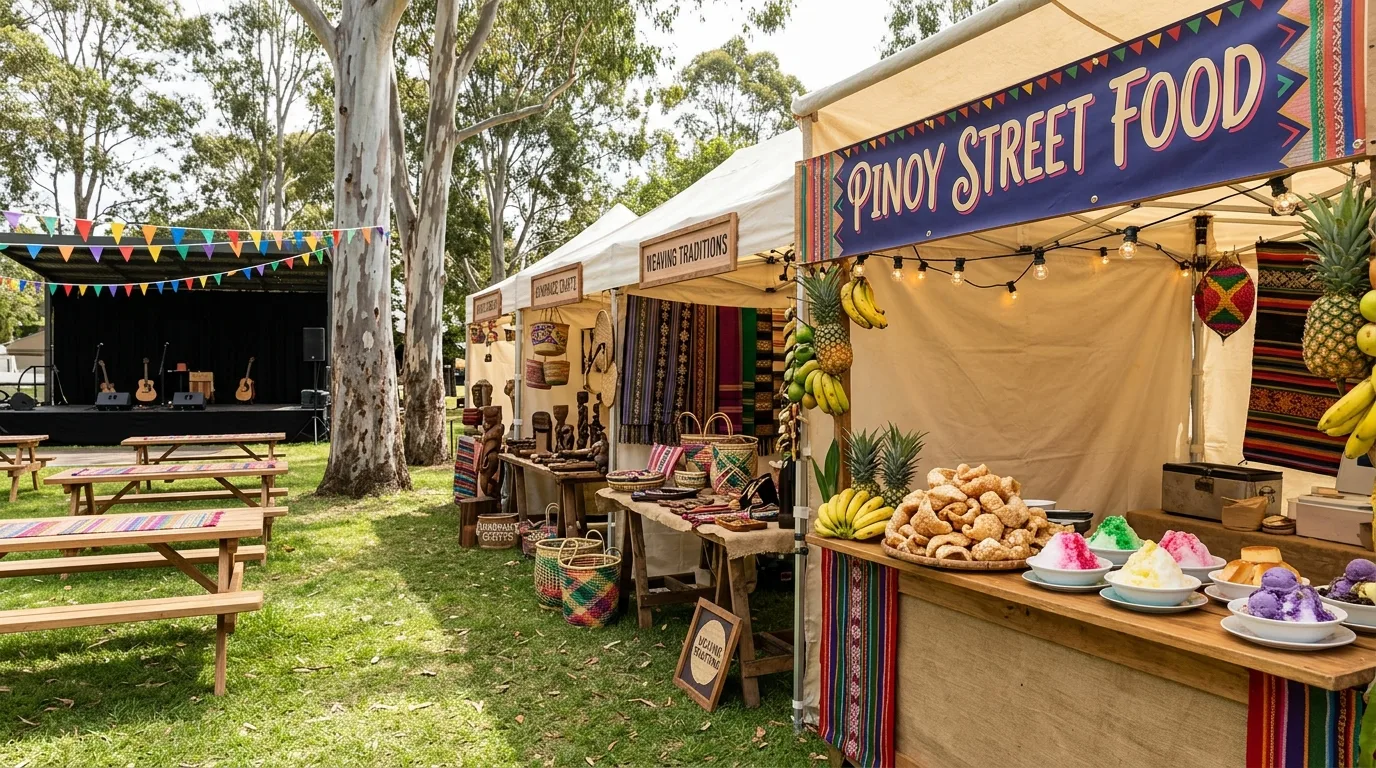
Food remains another major attraction. Visitors eagerly explore food markets and culinary showcases featuring some of the Philippines' most beloved dishes.
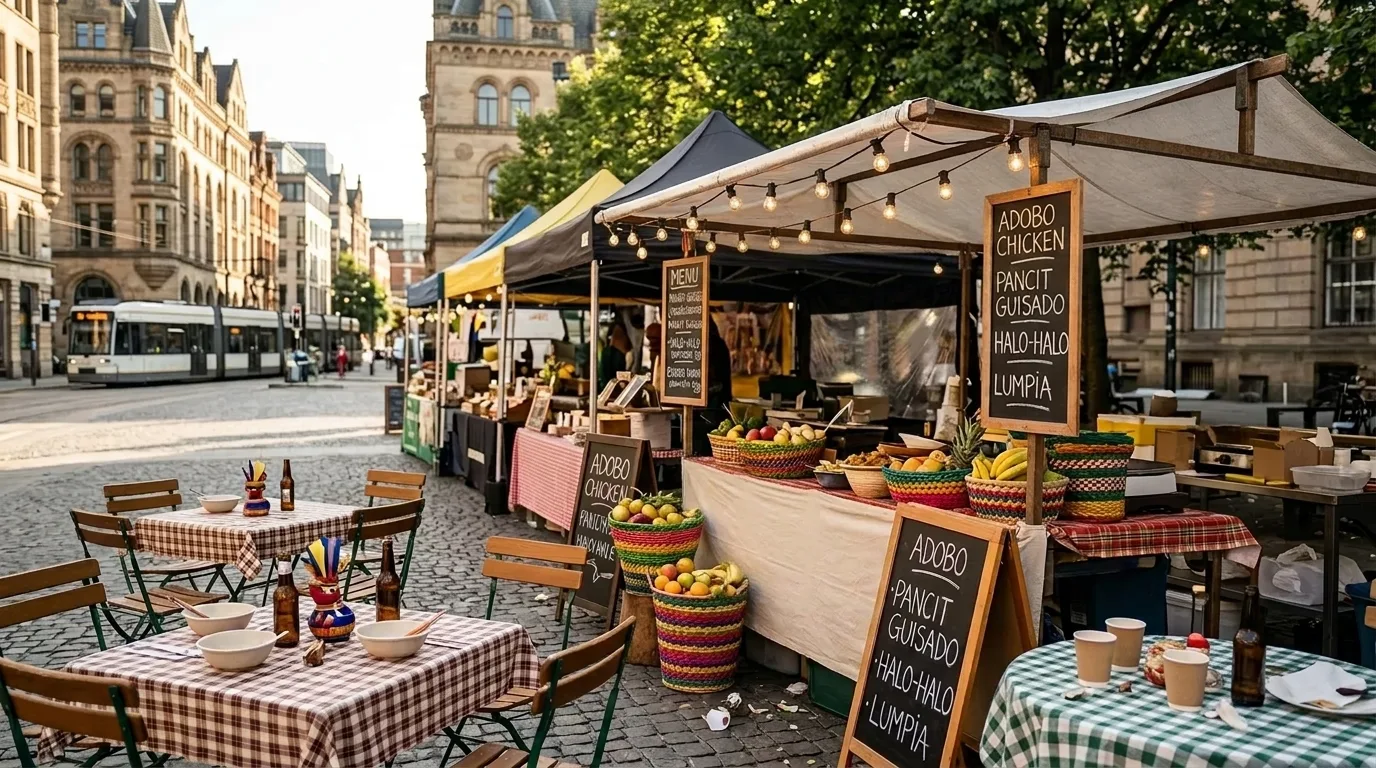
Popular offerings include adobo, lechon, pancit, lumpia, sisig, kare-kare, barbecue, halo-halo, bibingka, and a wide variety of regional specialties. These culinary experiences introduce international audiences to flavors that reflect the country's diverse history and geography.
The growing global popularity of Filipino cuisine has significantly contributed to the success of these festivals. Many visitors initially attend for the food but leave with a broader appreciation for Filipino culture and traditions.
Community leaders often describe food as one of the most effective tools for cultural exchange. Shared meals create opportunities for conversation, learning, and relationship-building among people from different backgrounds.
Youth engagement has become an increasingly important aspect of festival programming. Organizers recognize that preserving cultural heritage requires active participation from younger generations.
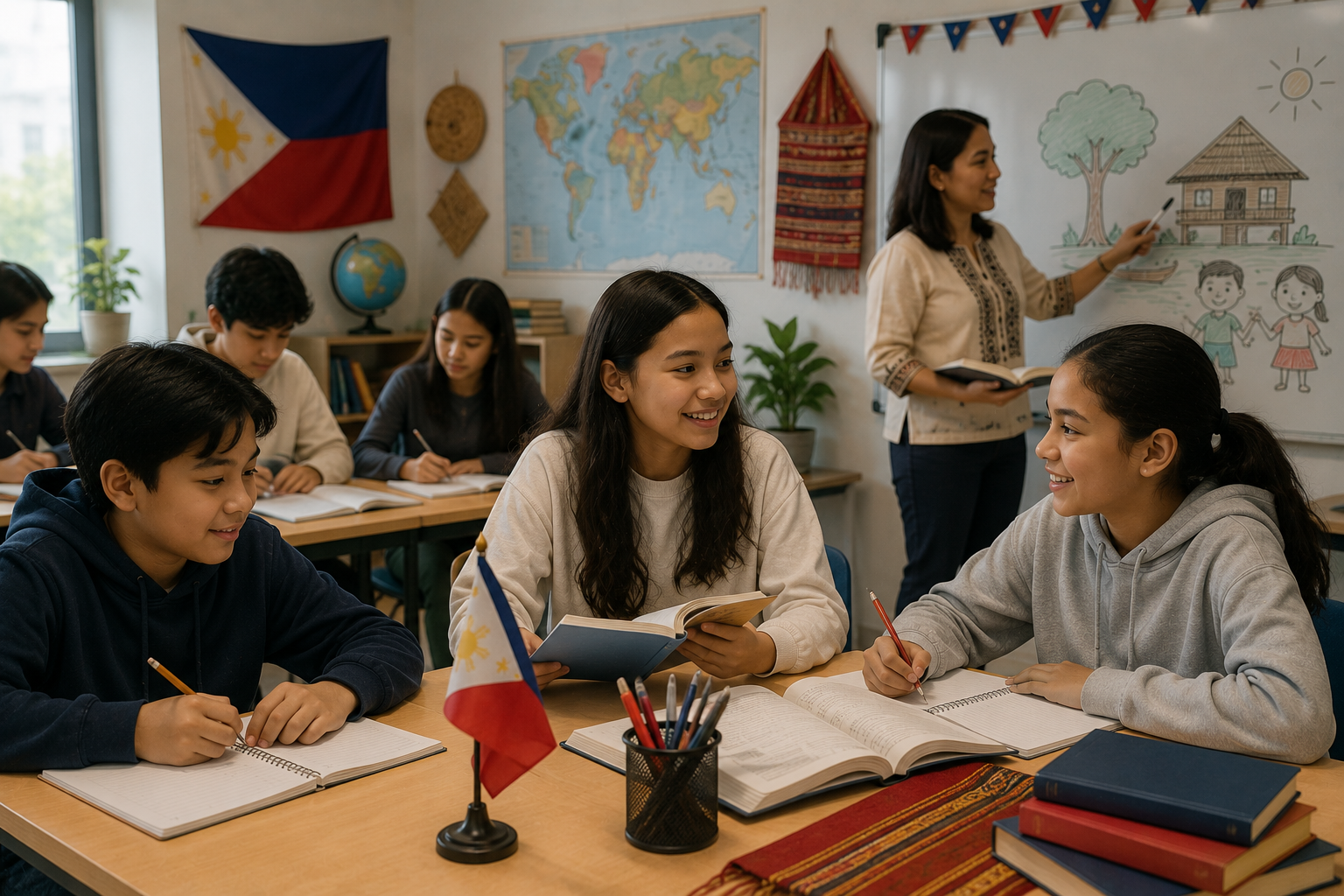
Many events include youth leadership programs, educational exhibits, language workshops, cultural competitions, and mentorship opportunities designed to help young Filipinos develop stronger connections to their heritage.
Second- and third-generation Filipinos frequently play prominent roles in organizing and promoting festivals. Their involvement helps ensure that traditions remain relevant while adapting to modern audiences and changing cultural environments.
Technology has further expanded the reach of Philippine festivals. Social media platforms, livestreams, online content, and digital storytelling allow celebrations to reach audiences far beyond physical event locations.
Photos and videos shared online often attract millions of views, generating interest among individuals who may never have previously encountered Filipino culture. This digital visibility has helped transform local festivals into global cultural events.
Tourism officials and cultural advocates recognize the value of these festivals as informal ambassadors for the Philippines. Attendees often become interested in learning more about the country's destinations, history, traditions, and people.
Many visitors who attend Filipino festivals later express interest in traveling to the Philippines, contributing to broader tourism promotion efforts. Cultural experiences frequently inspire curiosity about the country's natural attractions, historical landmarks, and regional traditions.
Business and entrepreneurship also play important roles in festival success. Filipino-owned businesses frequently participate as sponsors, vendors, and community partners.
These events provide valuable opportunities for entrepreneurs to connect with customers, promote products and services, and strengthen local business networks. At the same time, their support helps sustain cultural programming and community initiatives.
The spirit of bayanihan remains visible throughout festival preparations and activities. Volunteers dedicate countless hours to organizing events, coordinating logistics, managing performances, and ensuring positive experiences for attendees.
Community leaders often cite volunteerism as one of the strongest indicators of Filipino cultural values abroad. The willingness of individuals to work together for a common purpose reflects traditions that have long been central to Filipino identity.
Charitable initiatives are frequently integrated into festival programming. Fundraising campaigns support scholarships, disaster relief efforts, community projects, healthcare initiatives, and humanitarian causes.
These efforts demonstrate that Filipino festivals are not solely celebrations of culture but also platforms for social responsibility and community empowerment.
Government representatives, multicultural organizations, and local officials regularly attend Filipino festivals to recognize the contributions of Filipino communities to their host countries.
Many leaders praise Filipinos for their roles in healthcare, education, business, technology, hospitality, public service, and numerous other sectors. Festivals provide opportunities to celebrate these achievements while strengthening intercultural relationships.
The increasing prominence of Filipino festivals reflects broader demographic and cultural trends. As Filipino communities continue to grow internationally, demand for cultural programming and heritage preservation initiatives is expected to increase.
Observers note that Filipino culture is becoming more visible and influential globally. Music, food, art, fashion, tourism, and cultural traditions are reaching wider audiences than ever before.
Community organizations are responding by expanding festival programming, strengthening international partnerships, and exploring innovative ways to engage audiences through both physical and digital experiences.
Looking ahead, organizers anticipate continued growth in attendance, participation, and international recognition. New collaborations among Filipino communities worldwide are expected to create even larger and more impactful cultural events.
Many leaders believe that the future of Philippine festivals lies in balancing tradition and innovation. While preserving cultural heritage remains a priority, embracing new technologies and creative approaches will help ensure continued relevance and accessibility.
Ultimately, the success of Philippine festivals around the world demonstrates the enduring power of culture to connect people across borders.
From Toronto to Tokyo and countless cities in between, Filipino celebrations continue to inspire joy, foster understanding, and strengthen communities. They remind audiences that culture is not limited by geography but thrives wherever people choose to preserve and share it.
As Filipino communities continue to grow and flourish internationally, their festivals stand as vibrant expressions of identity, resilience, and pride. Through music, dance, food, art, and the enduring spirit of bayanihan, they are bringing people together and sharing the best of the Philippines with the world.
In every performance, every shared meal, every cultural exhibit, and every act of community service, Philippine festivals continue to prove that culture has the power to unite diverse audiences and create lasting connections across continents. The world is embracing Filipino traditions, and in doing so, discovering a culture defined by warmth, celebration, and an unwavering sense of community.
Enjoyed this story?
Share this story