Global Fiesta Movement Helps Younger Generations Reconnect with Filipino Roots
Share
June 03, 2026
Updated Oct 16, 2026
7 min read
319 views
MANILA, Philippines — A growing global movement centered around Filipino fiestas and cultural celebrations is helping younger generations reconnect with their heritage, strengthen their cultural identity, and build meaningful connections with communities around the world.
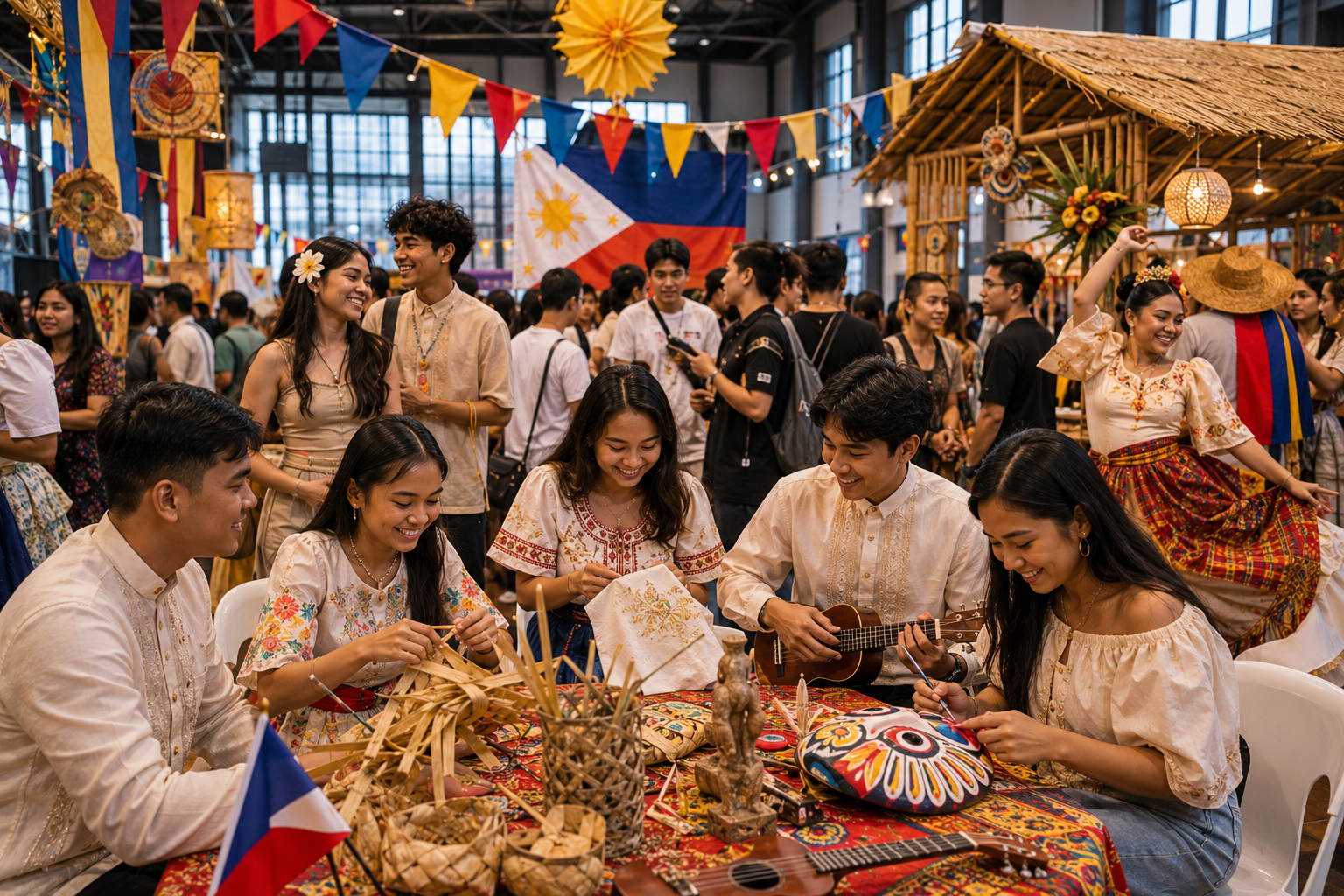
Across North America, Europe, Asia, the Middle East, Australia, and New Zealand, Filipino organizations are expanding cultural festivals that bring together families, community leaders, educators, artists, entrepreneurs, and youth. These events are becoming important platforms for preserving traditions while introducing younger Filipinos to the history, values, and customs that have shaped generations.
Community leaders say the rise of international Filipino fiestas reflects a growing awareness of the importance of cultural preservation in an increasingly globalized world. For many overseas Filipino families, maintaining strong connections to heritage has become a priority as younger generations grow up far from the Philippines.
The global fiesta movement aims to address that challenge by creating engaging cultural experiences that make heritage accessible, relevant, and meaningful.
Throughout the year, Filipino communities organize festivals that celebrate regional traditions, national holidays, cultural milestones, religious observances, and community achievements.
These events often feature traditional music, folk dances, cultural exhibits, culinary showcases, educational workshops, storytelling programs, youth leadership activities, and family-centered celebrations.
What makes the movement particularly significant is its emphasis on youth participation.
Organizers recognize that preserving culture requires more than simply maintaining traditions. It requires creating opportunities for younger generations to understand why those traditions matter and how they relate to their own lives.
Many second- and third-generation Filipinos living abroad have limited direct exposure to life in the Philippines.
While they may hear stories from parents and grandparents, opportunities to experience Filipino culture firsthand can sometimes be limited.
Global fiesta events provide immersive experiences that help bridge this gap.
Through participation in cultural activities, young people gain insights into the values, traditions, and historical experiences that continue to influence Filipino identity.
Parents frequently describe these festivals as educational experiences disguised as celebrations.
Children learn about language, history, food, music, dance, and community traditions while participating in enjoyable activities that foster curiosity and pride.
Many organizers intentionally design programs that appeal to younger audiences.
Interactive exhibits, cultural games, digital storytelling projects, leadership workshops, and youth-focused performances help create meaningful engagement while encouraging active participation.
Community leaders believe this approach increases the likelihood that younger generations will remain connected to their heritage throughout adulthood.
Traditional dance performances remain among the most popular features of international fiestas.
Dance groups representing various regions of the Philippines perform routines inspired by local customs, historical traditions, and cultural celebrations.
Young performers often spend months preparing for these presentations, learning not only choreography but also the stories and meanings behind each performance.
These experiences help participants develop deeper appreciation for Philippine culture while building confidence and leadership skills.
Music also plays a major role in connecting generations.
Festival stages frequently feature performances by Filipino musicians, choirs, cultural ensembles, and youth artists.
Traditional songs are often performed alongside contemporary interpretations that resonate with younger audiences.
This blend of heritage and innovation reflects the broader goals of the global fiesta movement: preserving cultural traditions while adapting them to contemporary realities.
Food remains another powerful tool for cultural connection.
Many young Filipinos abroad first encounter aspects of their heritage through family meals and community food events.
Fiesta celebrations build on this foundation by introducing participants to a wider variety of Filipino dishes and culinary traditions.
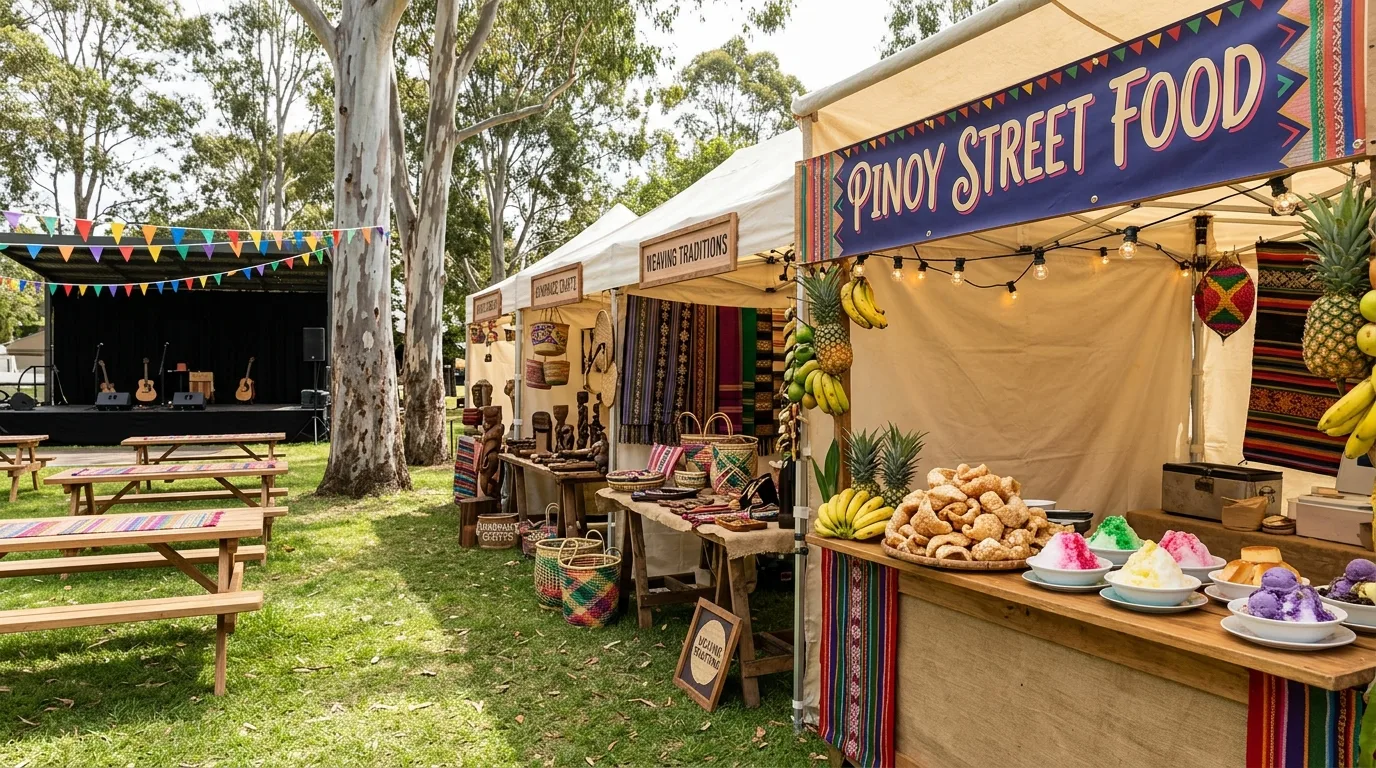
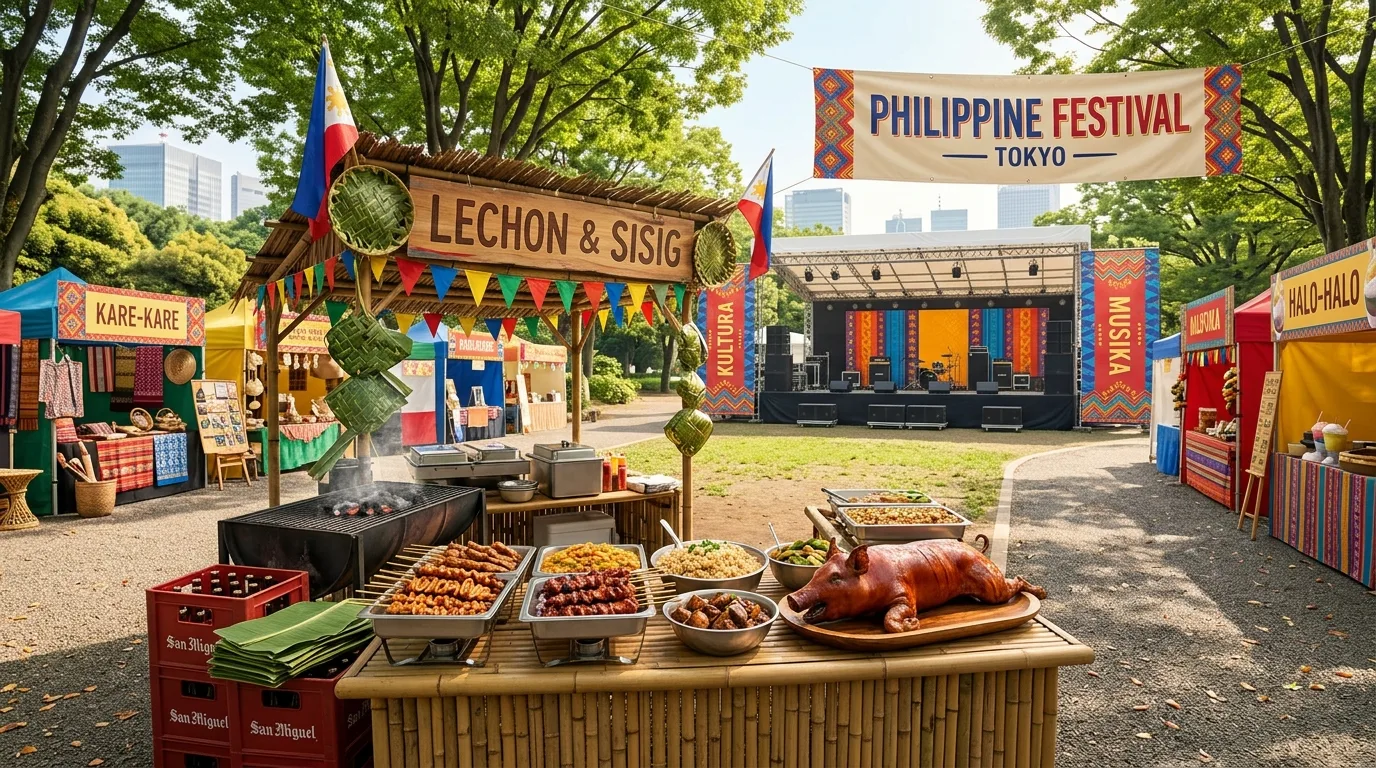
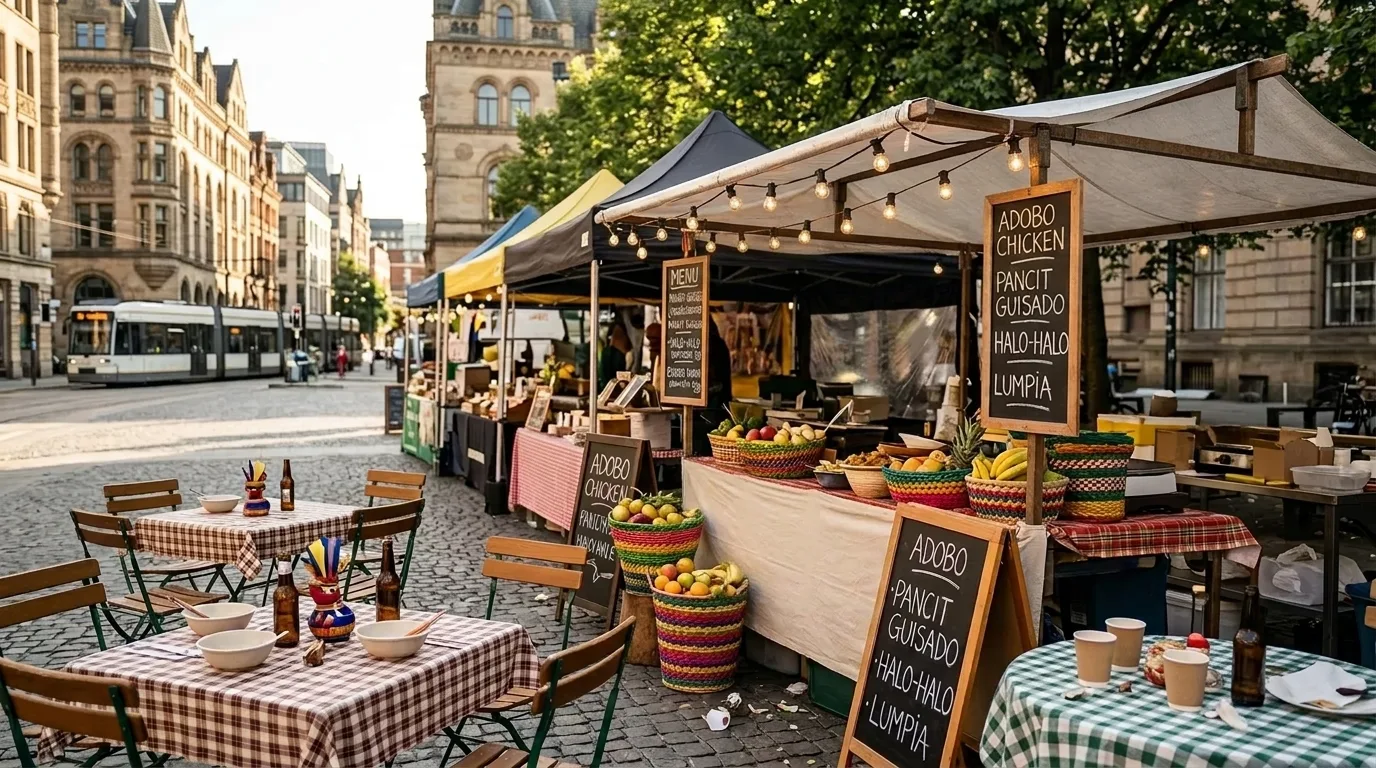
Food villages and cultural markets often showcase regional specialties from across the Philippines.
Visitors can sample favorites such as adobo, lechon, pancit, lumpia, sisig, kare-kare, halo-halo, bibingka, and many other traditional dishes.
Organizers frequently incorporate educational elements that explain the history and cultural significance of different foods.
For many participants, culinary experiences become entry points into broader conversations about culture, geography, migration, and family history.
Community leaders note that food often serves as one of the most accessible and effective ways to foster cultural curiosity.
Educational programming has become increasingly sophisticated in recent years.
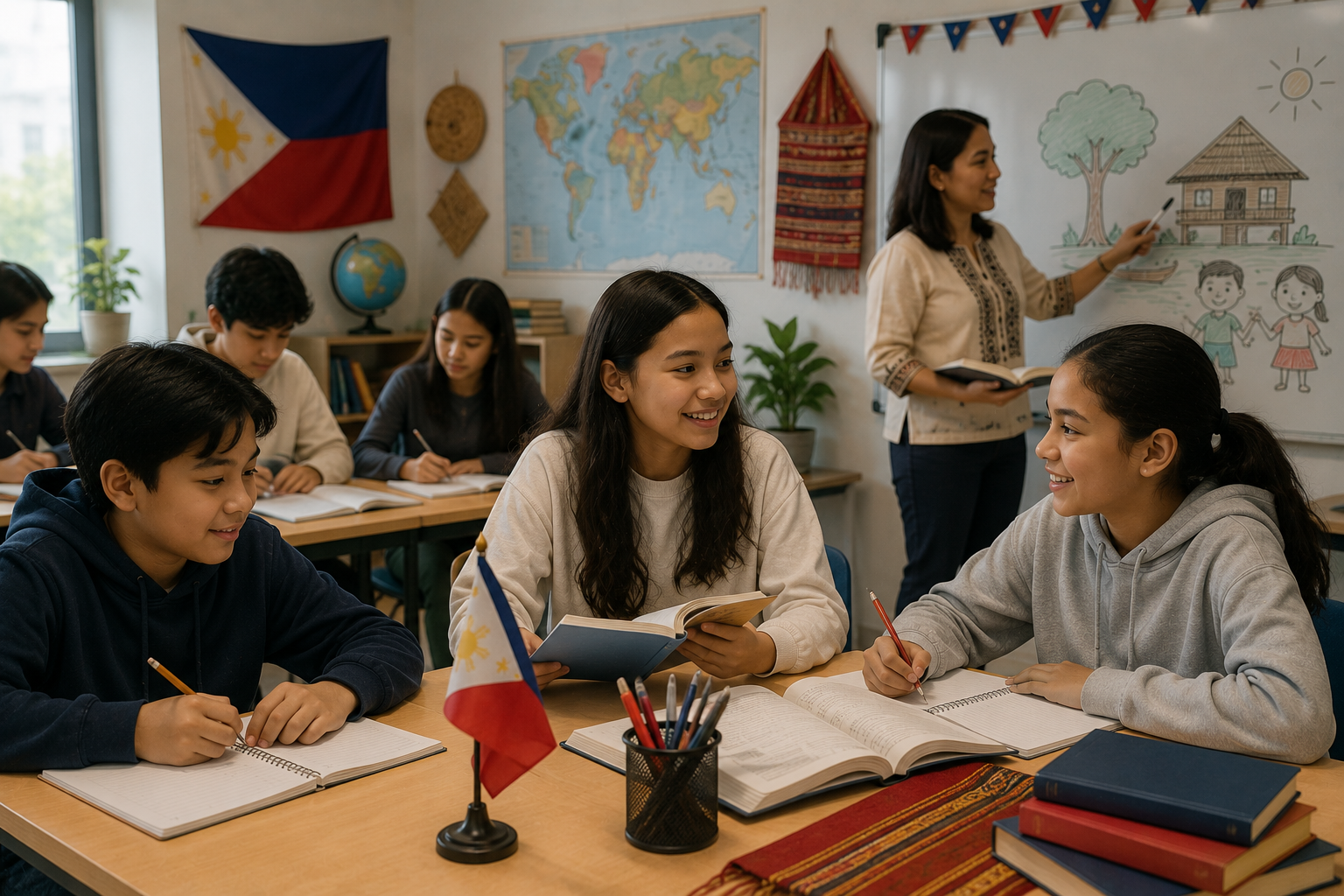
Many festivals now include heritage exhibits, historical presentations, language workshops, cultural lectures, and interactive learning experiences designed specifically for younger audiences.
These initiatives help ensure that cultural education extends beyond entertainment.
Students and young professionals often participate in discussions about Filipino history, migration experiences, leadership development, entrepreneurship, and community service.
The goal is to create well-rounded cultural experiences that connect heritage to contemporary issues and future opportunities.
Volunteerism is another important aspect of the movement.
Young people are encouraged to participate not only as attendees but also as organizers, performers, mentors, and community leaders.
By taking active roles in event planning and execution, they gain valuable experience while developing stronger connections to their communities.
Community leaders frequently describe volunteerism as a modern expression of bayanihan, the Filipino tradition of cooperation and collective action.
These experiences teach important values while helping ensure the sustainability of cultural programs.
Technology has expanded the reach and impact of global fiesta initiatives.
Social media platforms, livestreams, digital exhibits, podcasts, and online cultural content allow organizers to engage audiences far beyond physical event venues.
Younger generations who consume much of their information online can access cultural resources more easily than ever before.
Digital storytelling projects have become particularly popular.
Many organizations use video interviews, documentaries, virtual tours, and social media campaigns to share stories about Filipino history, traditions, and community experiences.
These initiatives help make cultural content more accessible and relatable.
The global fiesta movement has also encouraged greater collaboration among Filipino communities in different countries.
Organizations frequently share resources, exchange ideas, and coordinate programs that strengthen international connections.
These partnerships have created opportunities for broader cultural exchange and community development.
Many leaders believe that stronger international collaboration will further enhance efforts to preserve Filipino heritage in future generations.
The movement's success has attracted support from educators, cultural institutions, businesses, local governments, and nonprofit organizations.
Partnerships with schools and universities have helped expand educational programming, while business sponsors provide resources that enable larger and more ambitious events.
Government agencies and cultural organizations often recognize the positive role these festivals play in promoting diversity, inclusion, and intercultural understanding.
Observers note that the global fiesta movement represents a broader shift in how immigrant communities approach cultural preservation.
Rather than relying solely on traditional methods, Filipino organizations are combining heritage education with innovation, technology, and youth engagement.
This approach allows traditions to remain dynamic and relevant while maintaining their authenticity.
Many community leaders see the movement as an investment in future generations.
By helping young Filipinos understand their roots, they hope to strengthen confidence, cultural awareness, and community involvement.
These qualities can contribute positively to both personal development and broader social engagement.
Looking ahead, organizers anticipate continued growth in participation and programming.
Plans are already underway for larger festivals, expanded educational initiatives, enhanced digital content, and stronger international partnerships.
Many organizations are exploring new ways to integrate technology, entrepreneurship, leadership development, and cultural education into future events.
The objective is not simply to preserve traditions but to ensure that they remain meaningful and inspiring for generations to come.
Ultimately, the global fiesta movement demonstrates the enduring power of culture to connect people across borders and generations.
It shows that heritage is not something preserved only in history books or museums. Instead, it lives through shared experiences, community participation, storytelling, and celebration.
Every dance performance, cultural exhibit, family gathering, volunteer effort, and shared meal contributes to a larger mission of preserving Filipino identity while embracing the opportunities of a global future.
As fiestas continue to bring communities together around the world, they serve as powerful reminders that cultural roots remain important regardless of where life may lead.
For younger generations of Filipinos growing up abroad, these celebrations offer opportunities to discover who they are, where they come from, and how they can help carry their heritage forward.
Through the growing global fiesta movement, Filipino culture continues to thrive—not only as a memory of the past, but as a living tradition that inspires connection, pride, and community across continents.
Enjoyed this story?
Share this story