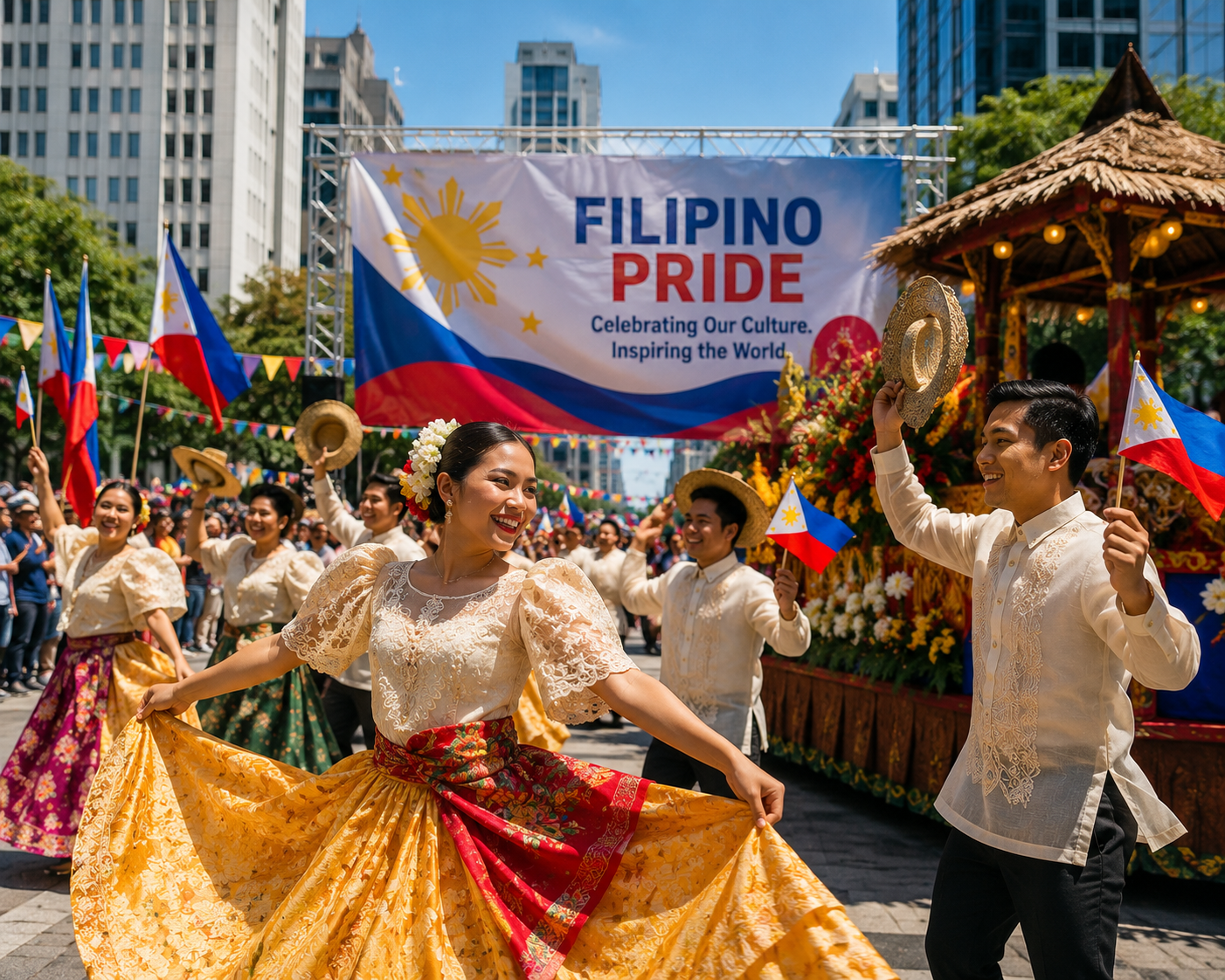
Global Filipino Pride Reaches New Height as Festivals Celebrate Philippine Culture
Share
June 18, 2026
Updated Oct 16, 2026
8 min read
233 views
MANILA, Philippines — Filipino communities around the world are celebrating their heritage with renewed enthusiasm as cultural festivals showcasing Philippine traditions continue to attract growing participation and international recognition. Across North America, Europe, Asia, Australia, the Middle East, and other regions with vibrant Filipino populations, cultural festivals are serving as powerful platforms for promoting Philippine heritage, strengthening community bonds, and inspiring pride among Filipinos living far from home.
The growing popularity of Filipino cultural festivals reflects the increasing visibility and influence of Overseas Filipino communities across the globe. With millions of Filipinos living and working abroad, community organizations have become important custodians of culture and tradition, organizing events that help preserve Filipino identity while sharing the richness of Philippine heritage with international audiences. These celebrations are not only opportunities for cultural expression but also meaningful occasions for education, community engagement, and intercultural exchange.
Festival organizers report that attendance at Filipino cultural events has steadily increased in recent years. What were once modest gatherings organized primarily for Filipino families have evolved into major community celebrations that attract people from diverse cultural backgrounds. Visitors are drawn by the unique combination of music, dance, food, art, and hospitality that characterizes Filipino festivals. Organizers believe that this growing interest demonstrates the universal appeal of Philippine culture and the ability of cultural events to bring communities together.
One of the key attractions of these festivals is the opportunity to experience the diversity of Philippine traditions. The Philippines is home to a wide range of cultural influences shaped by indigenous heritage, regional customs, historical interactions, and contemporary creativity. Cultural festivals provide opportunities to showcase this diversity through performances, exhibitions, workshops, and interactive activities that highlight the many traditions found across the archipelago. Community leaders emphasize that celebrating regional diversity helps create a more complete understanding of Philippine identity.
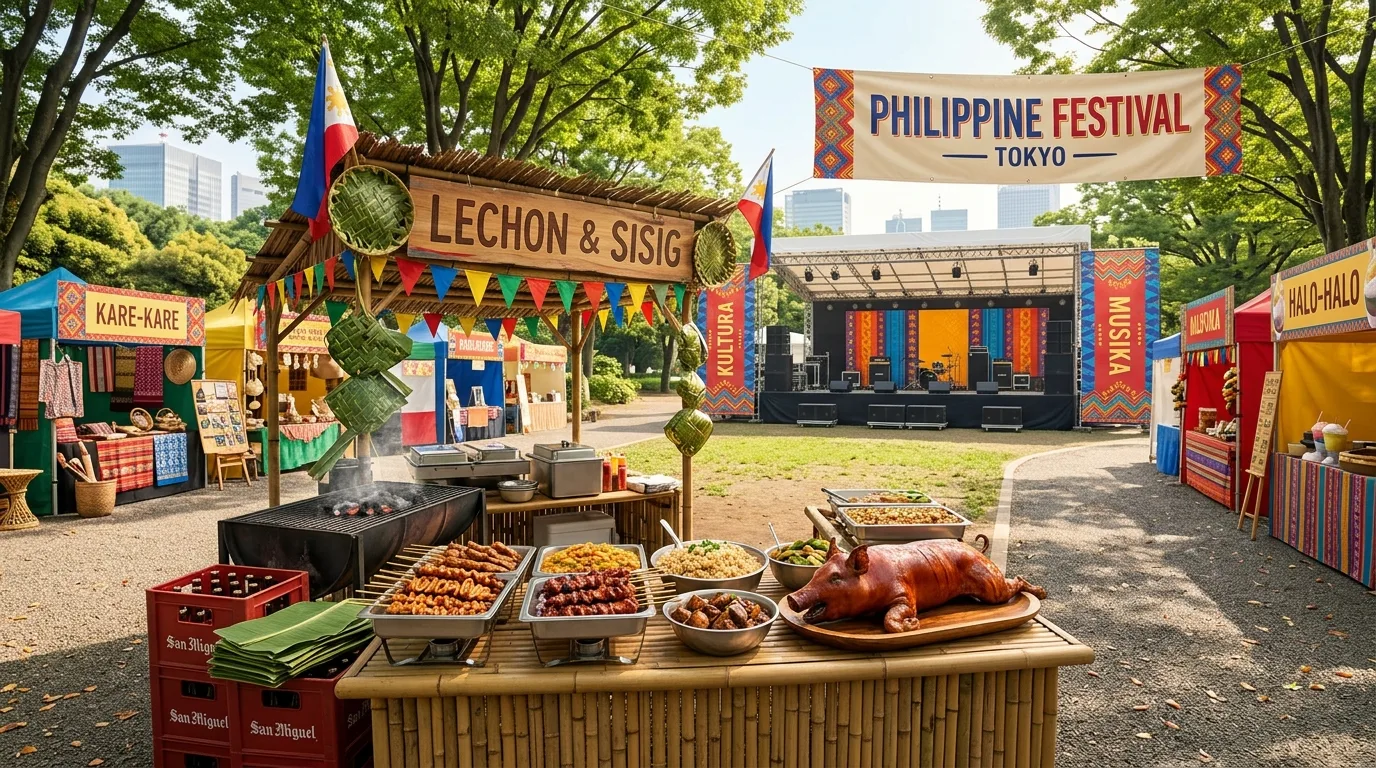
Traditional dance performances remain among the most anticipated highlights of cultural festivals. Audiences are often captivated by presentations featuring Tinikling, Singkil, Pandanggo sa Ilaw, Maglalatik, and other folk dances that reflect the history and traditions of different Philippine regions. Cultural groups spend months preparing performances that showcase not only technical skill but also the stories and values embedded within these artistic traditions. Organizers note that dance remains one of the most effective ways to introduce audiences to Filipino culture because it combines visual artistry with historical and cultural education.
Music is another essential element of festival celebrations. From traditional folk songs and indigenous musical performances to contemporary Filipino compositions and community choir presentations, music creates a lively and welcoming atmosphere that resonates with audiences of all backgrounds. Filipino musicians frequently collaborate with performers from other communities, demonstrating how music can serve as a bridge that connects cultures and fosters mutual appreciation.
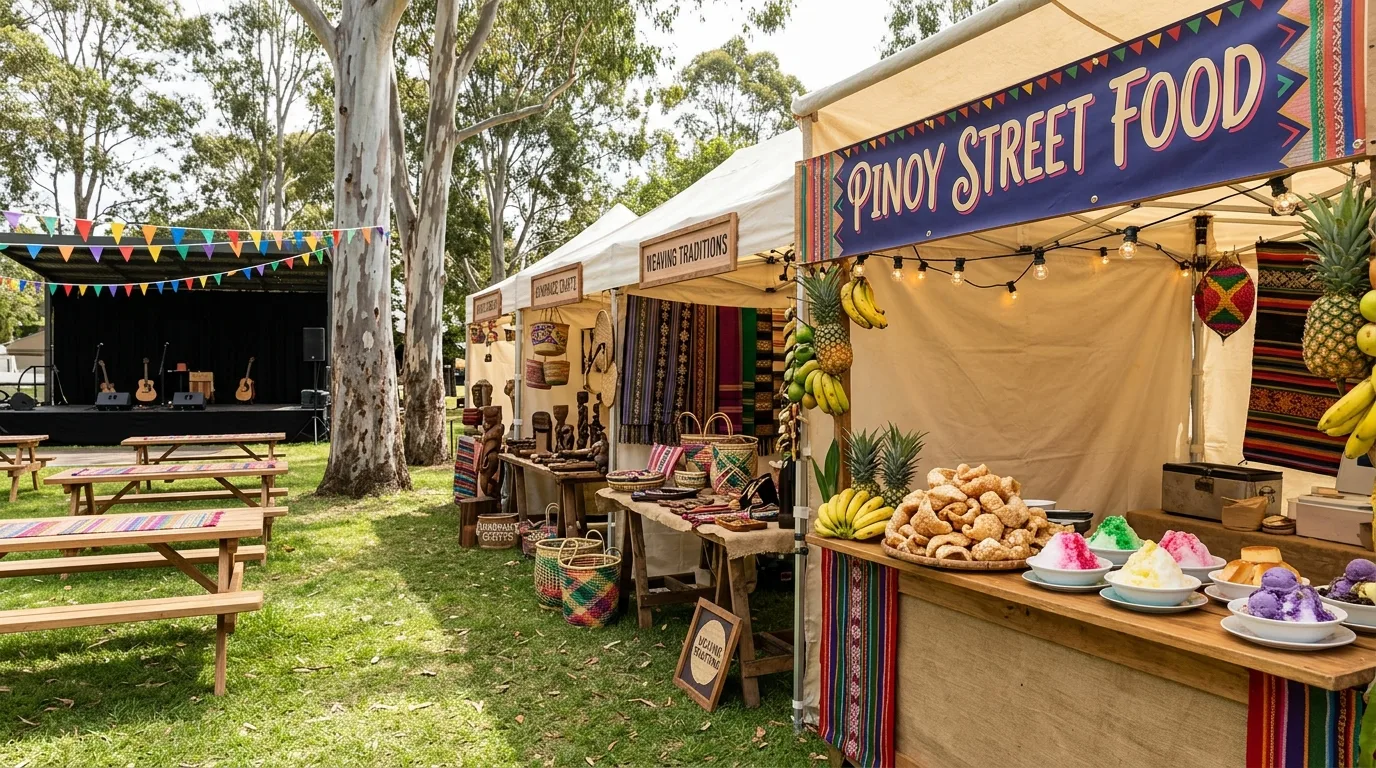
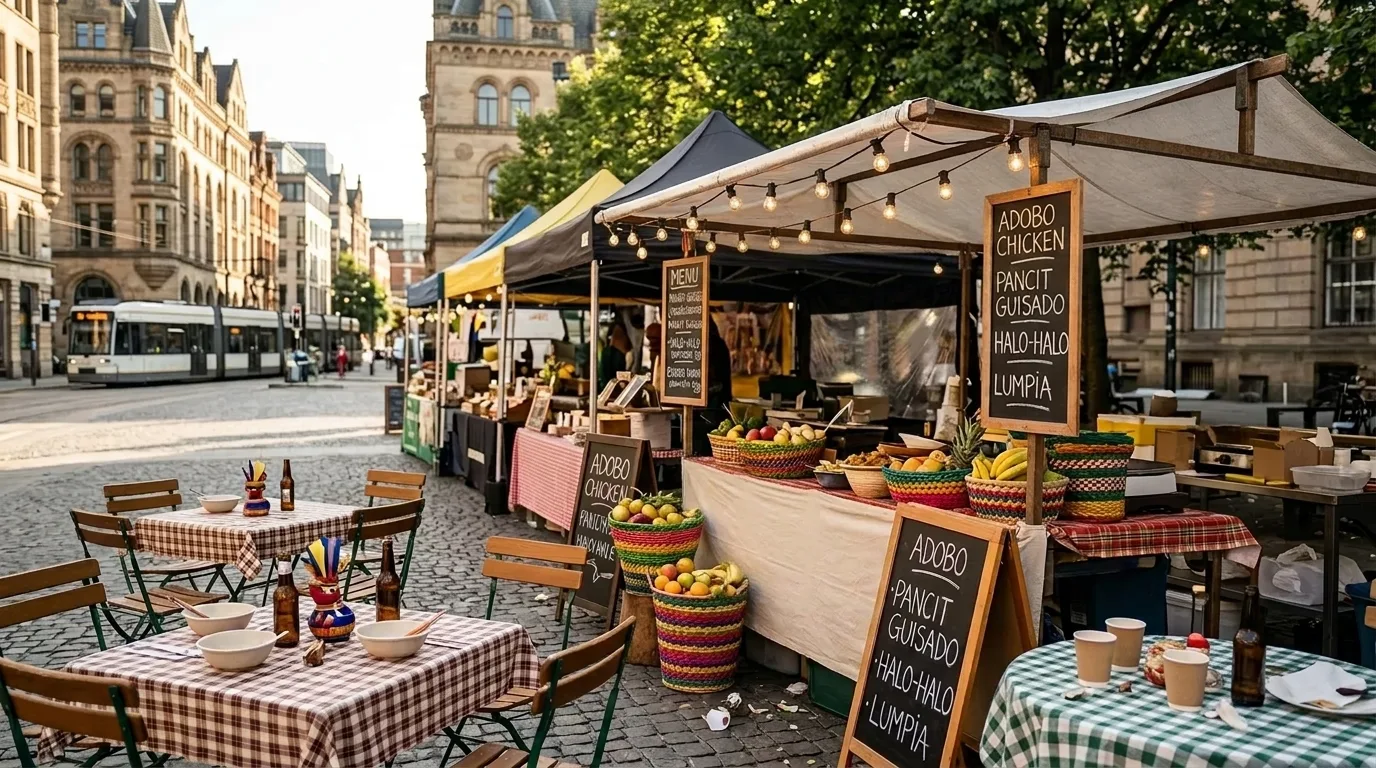
Philippine cuisine continues to play a central role in the success of cultural festivals worldwide. Food stalls, culinary demonstrations, and tasting events offer visitors opportunities to experience dishes that reflect the rich culinary heritage of the Philippines. Favorites such as adobo, pancit, lechon, lumpia, halo-halo, and various regional specialties often become major attractions at festival venues. Culinary experts note that food serves as a powerful cultural ambassador because it provides a direct and memorable way for people to engage with traditions and history.
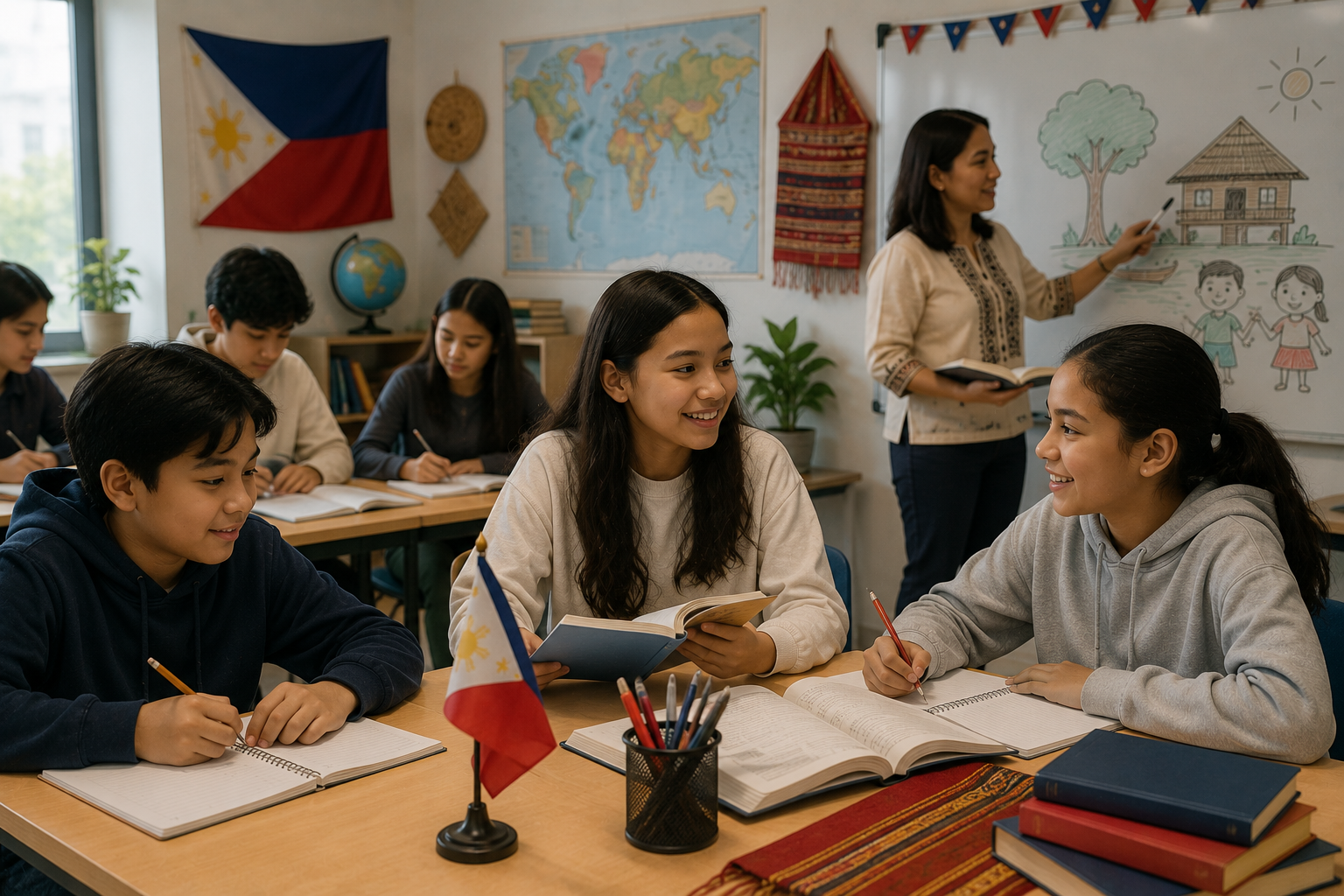
Beyond entertainment, many festivals incorporate educational components designed to deepen cultural understanding. Exhibitions featuring Philippine history, indigenous cultures, traditional crafts, literature, and visual arts help provide context for the performances and activities taking place throughout the event. Organizers believe that educational programming enriches the festival experience while encouraging participants to explore Philippine culture in greater depth.
The participation of Filipino artists, artisans, and cultural practitioners has become increasingly important in international festivals. Painters, photographers, sculptors, weavers, designers, and craft makers contribute exhibits and demonstrations that showcase the creativity and talent found within Filipino communities. These artistic presentations help preserve traditional knowledge while highlighting the continued evolution of Filipino cultural expression in contemporary settings.
Many cultural festivals also serve as important opportunities for younger generations to connect with their heritage. For second-generation and third-generation Filipinos born or raised abroad, these events provide meaningful opportunities to learn about traditions, language, and customs that may not be part of their daily lives. Community leaders emphasize that engaging young people in cultural activities is essential for ensuring the preservation of heritage and identity for future generations.
The involvement of youth volunteers and student organizations has contributed significantly to the growth and sustainability of many festivals. Young Filipinos are increasingly taking leadership roles in event planning, cultural programming, marketing, and community outreach. Their participation introduces new ideas and perspectives while helping ensure that cultural celebrations remain relevant and accessible to evolving audiences.
Technology has expanded the reach of Filipino cultural festivals beyond physical event locations. Through social media, livestream broadcasts, virtual exhibitions, and digital storytelling initiatives, organizers are able to engage audiences from around the world. These platforms allow communities to share cultural content with individuals who may not be able to attend in person while helping preserve important cultural materials for future generations. Digital engagement has become an important complement to traditional festival experiences.
The spirit of bayanihan remains evident in the organization of cultural festivals. Volunteers, community organizations, local businesses, cultural institutions, and families often work together to coordinate events and support festival activities. Organizers frequently describe these collaborative efforts as modern expressions of the traditional Filipino value of collective cooperation and mutual assistance. This spirit of community involvement contributes significantly to the success and impact of cultural celebrations.
Many festivals also support charitable and community development initiatives. Fundraising activities, scholarship programs, educational projects, and outreach efforts are often integrated into cultural celebrations, allowing participants to contribute to meaningful causes while celebrating their heritage. Community leaders view these initiatives as examples of how cultural pride can inspire positive social action and community engagement.
The multicultural environments in which many festivals take place create valuable opportunities for intercultural dialogue and understanding. Visitors from diverse backgrounds are invited to participate in activities, learn about Philippine traditions, and engage with community members. Organizers believe that these interactions help challenge stereotypes, promote inclusivity, and foster greater appreciation for cultural diversity.
Filipino cultural festivals have also become important tools for cultural diplomacy. Through artistic presentations, educational programs, and community engagement activities, these events help strengthen relationships between the Philippines and host countries. Cultural leaders note that festivals contribute positively to international understanding by showcasing the values, creativity, and hospitality that characterize Filipino communities.
Economic benefits associated with cultural festivals are also becoming increasingly apparent. Events often support local businesses, food vendors, artists, performers, and entrepreneurs while attracting visitors to host communities. Filipino-owned enterprises frequently use festivals as opportunities to showcase products and services while building connections with broader audiences. Organizers recognize that cultural celebrations can contribute to both cultural and economic development.
Many community leaders believe that the growing success of Filipino festivals reflects a broader trend toward greater recognition of Philippine culture on the global stage. As international audiences become more familiar with Filipino traditions, there is increasing interest in Philippine tourism, arts, cuisine, and cultural experiences. Festivals serve as important entry points for people seeking to learn more about the country and its people.
Looking ahead, organizers are exploring new ways to enhance cultural festivals through expanded educational programming, innovative technology, youth leadership initiatives, and international partnerships. These efforts aim to ensure that cultural celebrations remain dynamic and meaningful while continuing to attract diverse audiences. Community leaders remain committed to preserving traditions while embracing new opportunities for engagement and growth.
The resilience and adaptability of Filipino communities have been key factors in the continued success of cultural festivals. Despite the challenges associated with living far from their homeland, Overseas Filipinos have demonstrated remarkable dedication to preserving and sharing their heritage. Through collective effort, creativity, and community spirit, they have transformed cultural festivals into vibrant celebrations that inspire pride and connection across generations and geographic boundaries.
Ultimately, the growing popularity of Filipino cultural festivals demonstrates the enduring strength of Philippine heritage and the deep connections that unite Filipinos around the world. These events serve as reminders that culture is not only something to be preserved but also something to be shared, celebrated, and continually renewed through community participation and intercultural exchange.
As Filipino communities continue to thrive across continents, cultural festivals will remain powerful symbols of identity, pride, and unity. Through music, dance, food, art, education, and community engagement, these celebrations are ensuring that Philippine culture continues to inspire and connect people around the world while creating lasting legacies for future generations of Filipinos wherever they may call home.
Enjoyed this story?
Share this story