Global Filipino Pride Reaches New Heights as International Festivals Celebrate Philippine Culture and Heritage
Share
June 13, 2026
Updated Oct 16, 2026
8 min read
243 views
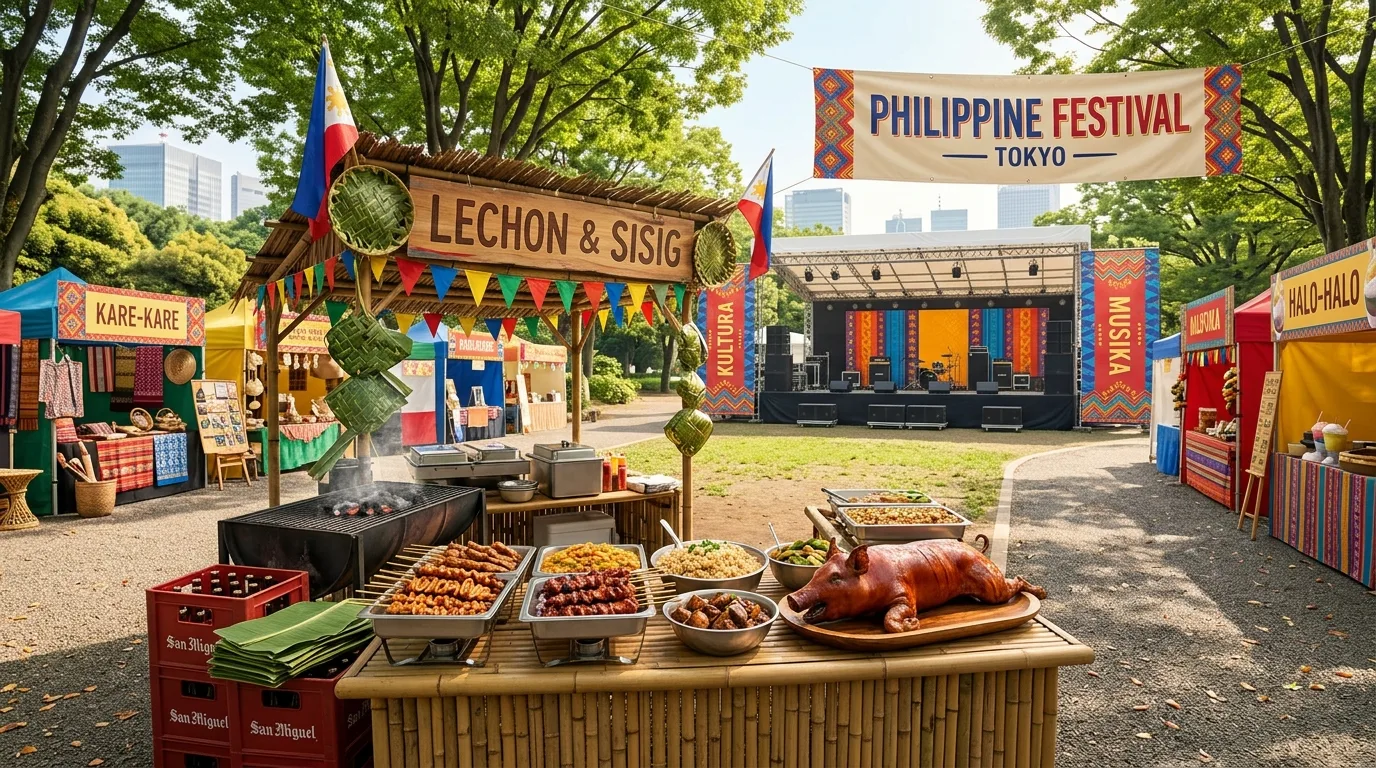
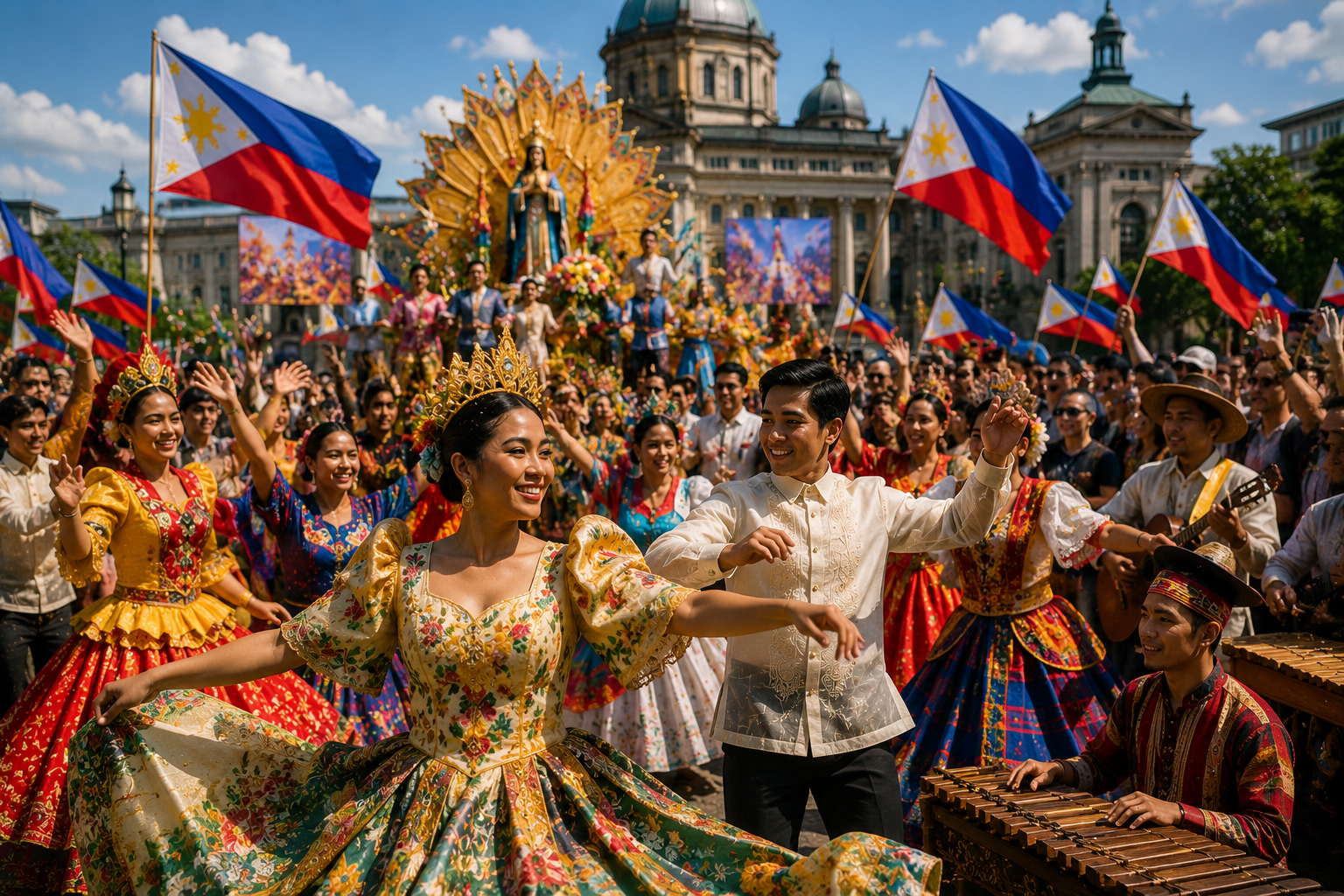
MANILA, Philippines — Filipino communities around the world are celebrating a new era of cultural visibility as international festivals dedicated to Philippine culture and heritage continue to attract larger audiences, stronger community participation, and growing international recognition. Across North America, Europe, Asia, the Middle East, Australia, and other regions, cultural celebrations highlighting Filipino traditions, arts, cuisine, music, history, and community values are bringing people together while strengthening global appreciation for the richness and diversity of Philippine heritage.
The growing popularity of these festivals reflects the expanding influence of Filipino communities across the world and the increasing interest in cultural experiences that foster understanding, connection, and appreciation. What were once primarily community gatherings for overseas Filipinos have evolved into major multicultural events that attract participants from diverse backgrounds, creating opportunities for meaningful cultural exchange while showcasing the unique traditions and achievements of the Filipino people.
Community leaders note that global Filipino festivals have become important platforms for preserving cultural identity among overseas communities. For many Filipinos living abroad, these events provide opportunities to reconnect with traditions, celebrate shared experiences, and pass cultural knowledge to younger generations. At the same time, the festivals serve as welcoming spaces where non-Filipino audiences can discover and appreciate the customs, stories, and values that shape Philippine society. This dual purpose has contributed significantly to the success and continued growth of international Filipino cultural celebrations.
Traditional performances remain among the most anticipated highlights of global festivals. Audiences regularly gather to watch folk dances representing different regions of the Philippines, each showcasing distinctive costumes, music, and cultural narratives. These performances provide visual and educational experiences that introduce visitors to the country's diverse cultural heritage. Organizers emphasize that the preservation and presentation of traditional dance forms are essential for ensuring that important cultural expressions continue to be appreciated by future generations.
Music also plays a central role in festival programming. Filipino musicians, choirs, cultural ensembles, and contemporary performers bring energy and creativity to events while highlighting the country's vibrant musical traditions. Performances often feature a combination of traditional songs, contemporary Filipino music, and collaborative presentations that reflect the evolving nature of Filipino culture. Music serves as a powerful bridge between generations and cultures, helping audiences connect with the emotional and artistic dimensions of Philippine heritage.
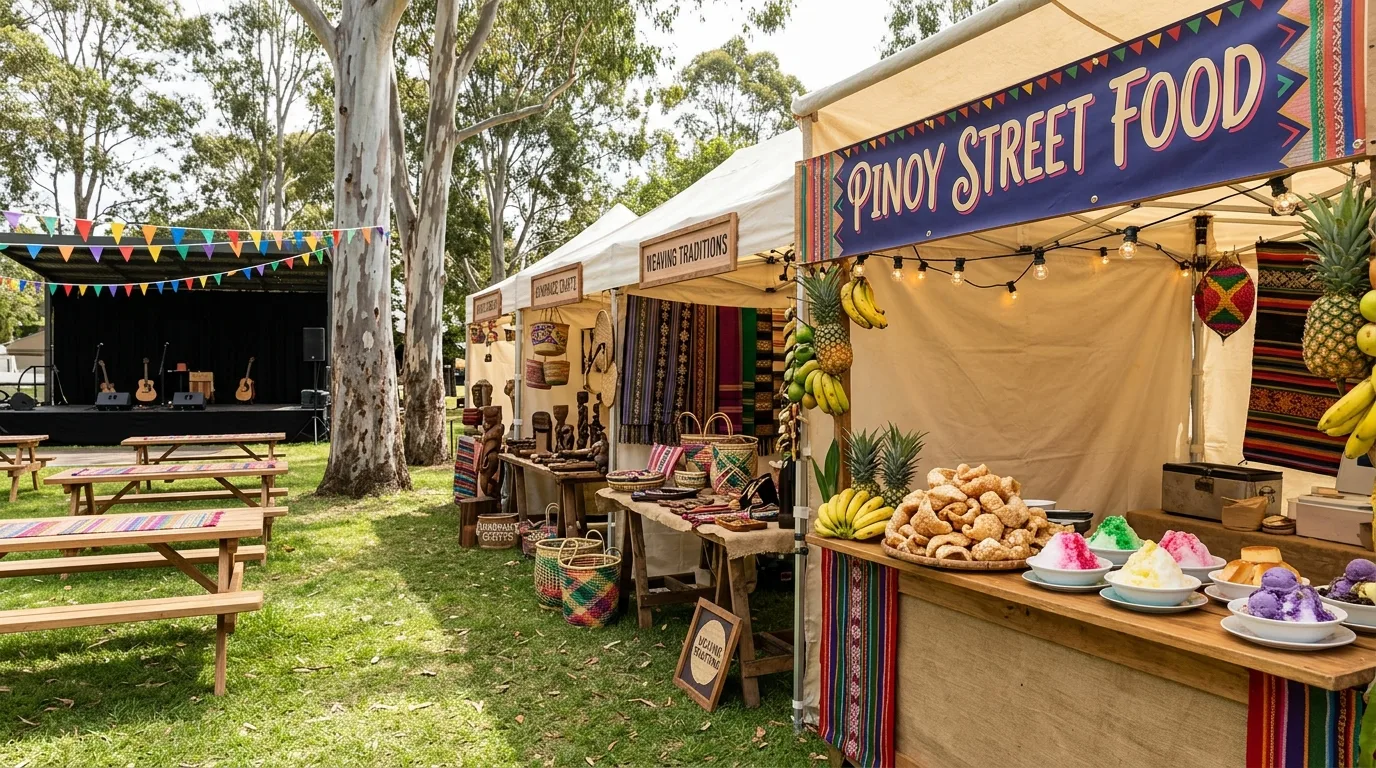
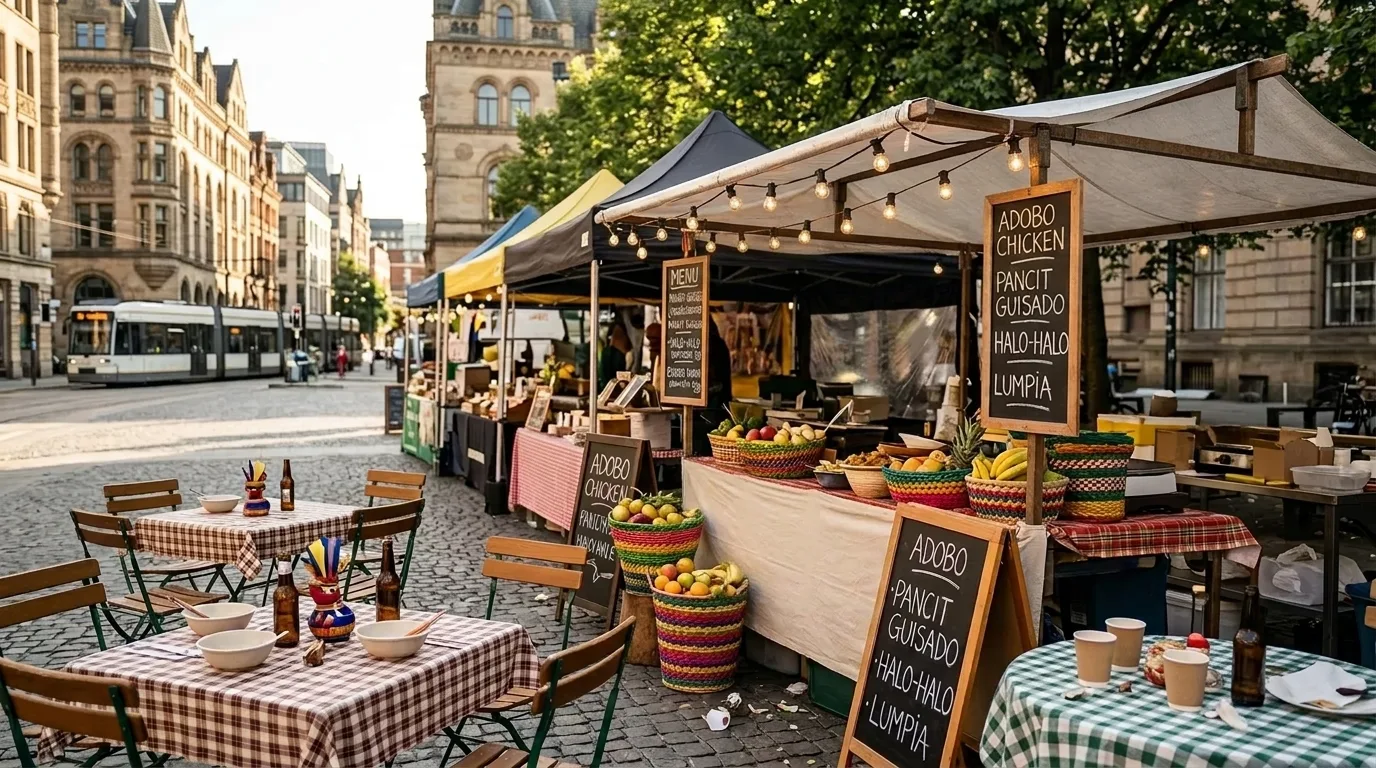
Filipino cuisine has emerged as one of the strongest attractions at international festivals. Food pavilions, culinary demonstrations, and cultural dining experiences introduce visitors to the rich flavors and regional diversity of Philippine gastronomy. From beloved traditional dishes to innovative modern interpretations, culinary presentations provide opportunities to explore Filipino culture through food. Organizers frequently note that food often serves as an effective gateway for cultural understanding, encouraging visitors to learn more about the history, traditions, and communities behind each dish.
The growing international recognition of Filipino cuisine has contributed significantly to festival attendance. Many visitors who first encounter Filipino food at cultural events later seek out restaurants, travel experiences, and educational opportunities that allow them to further explore Philippine culture. This growing interest supports cultural promotion while generating positive impacts for Filipino entrepreneurs and culinary professionals around the world.
Art exhibitions and cultural displays have become increasingly important components of international Filipino festivals. Visual arts, traditional crafts, photography, textiles, historical exhibits, and contemporary creative works provide visitors with opportunities to engage more deeply with Philippine heritage. These exhibits often highlight the creativity and resilience of Filipino communities while showcasing the country's artistic diversity. Curators and cultural advocates view exhibitions as valuable tools for storytelling and education that complement performance-based programming.
The participation of young Filipinos has become one of the defining characteristics of modern international festivals. Youth organizations, student groups, young professionals, and second-generation Filipinos frequently take leadership roles in event planning, digital engagement, volunteer coordination, and cultural presentations. Their involvement brings fresh perspectives and innovative approaches that help keep festivals relevant and engaging for contemporary audiences. Community leaders consider youth participation essential for sustaining cultural traditions and ensuring long-term community vitality.
Technology has significantly expanded the reach of Filipino cultural festivals. Social media campaigns, livestream broadcasts, virtual exhibits, online cultural workshops, and digital storytelling initiatives allow organizers to connect with audiences beyond physical event locations. Through these platforms, Filipino culture can be shared with global audiences in real time, creating opportunities for participation regardless of geographic location. Organizers report that digital engagement has helped increase awareness and strengthen connections among Filipino communities worldwide.
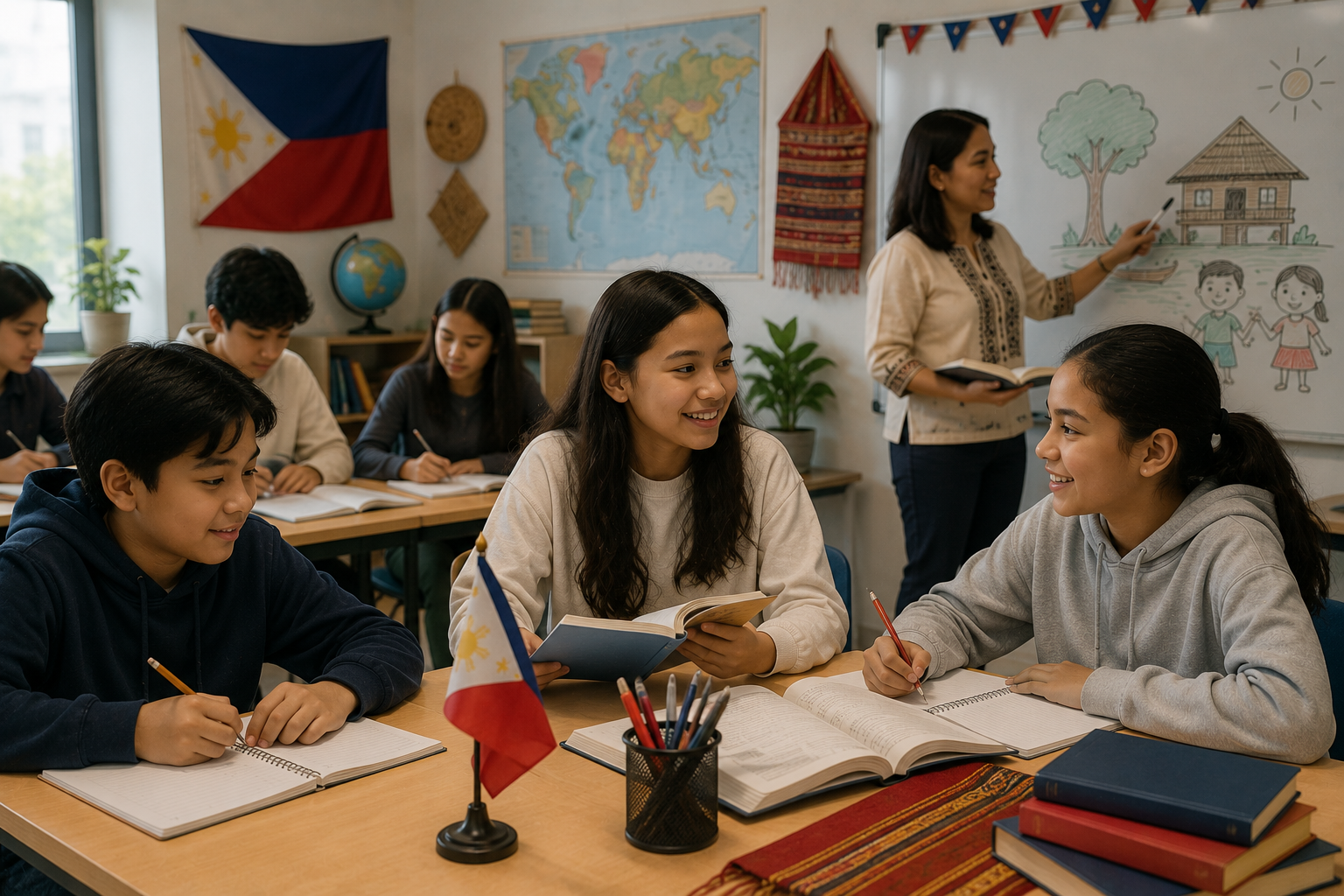
Many festivals also emphasize educational programming designed to deepen cultural understanding. Workshops, lectures, language demonstrations, historical presentations, and interactive learning activities provide visitors with opportunities to explore Philippine heritage beyond entertainment. Educational initiatives help ensure that festivals contribute to long-term cultural awareness while encouraging participants to develop meaningful appreciation for Filipino history, traditions, and contemporary achievements.
International festivals frequently highlight the contributions of Filipinos to their host countries and to global society. Community leaders, healthcare professionals, educators, entrepreneurs, artists, engineers, and public servants are often recognized for their achievements and service. These recognitions help celebrate the positive impact of Filipino communities while inspiring younger generations to pursue excellence in their own endeavors. Organizers believe that showcasing these accomplishments strengthens community pride and promotes positive representation.
The concept of bayanihan remains a central theme throughout many global Filipino celebrations. This traditional value emphasizing cooperation, mutual support, and community solidarity is reflected in the volunteer-driven nature of most festivals. Hundreds of volunteers often dedicate significant time and effort to organizing events, preparing performances, managing logistics, and supporting participants. Their contributions demonstrate the enduring relevance of Filipino cultural values even in diverse international settings.
Partnerships with local governments, cultural institutions, educational organizations, and community groups have helped expand the scale and impact of international festivals. These collaborations provide access to resources, venues, promotional support, and educational opportunities that enhance program quality and audience reach. Community advocates note that strong partnerships also promote intercultural dialogue and strengthen relationships between Filipino communities and broader society.
Tourism organizations have increasingly recognized the value of international cultural festivals as promotional platforms for Philippine destinations. Through cultural exhibits, travel presentations, and tourism showcases, festivals help generate interest in the country's natural attractions, historical sites, cultural landmarks, and regional experiences. Many visitors who attend festivals express greater curiosity about traveling to the Philippines and exploring its diverse destinations firsthand.
The economic impact of international Filipino festivals continues to grow as attendance increases and programming expands. Local businesses, food vendors, artists, performers, and cultural entrepreneurs benefit from opportunities to connect with audiences and showcase their products and services. Festivals contribute to economic activity while supporting creative industries and community-based enterprises. Organizers emphasize that cultural events can generate positive social and economic outcomes simultaneously.
Cultural diplomacy experts view the success of international Filipino festivals as evidence of the growing influence of people-to-people engagement in strengthening global relationships. By creating spaces for cultural exchange, dialogue, and collaboration, festivals contribute to mutual understanding and respect among different communities. These interactions often produce lasting relationships that extend beyond individual events and support broader goals related to international cooperation.
The increasing visibility of Filipino culture on the global stage reflects decades of effort by community organizations, cultural advocates, artists, educators, and volunteers dedicated to preserving and promoting heritage. Their work has helped transform local celebrations into internationally recognized events that attract broad audiences and generate meaningful cultural impact. Community leaders believe that this momentum will continue as younger generations become increasingly involved in cultural promotion and leadership.
As international interest in cultural experiences continues to grow, organizers anticipate further expansion of Filipino festivals around the world. New partnerships, innovative programming, digital technologies, and youth-led initiatives are expected to create additional opportunities for engagement while strengthening the global presence of Philippine culture. Stakeholders remain committed to ensuring that future festivals remain inclusive, educational, and culturally authentic.
Looking ahead, the continued success of international Filipino festivals demonstrates the enduring strength of cultural identity and community connection. By celebrating heritage while embracing innovation and diversity, these events provide powerful examples of how culture can unite people across borders and generations. They remind participants that cultural traditions remain relevant and meaningful in an increasingly interconnected world.
Ultimately, the rise of global Filipino festivals represents more than a series of cultural events. It reflects a growing movement dedicated to celebrating identity, preserving heritage, and building bridges of understanding among people from different backgrounds. Through music, dance, food, art, education, and community engagement, these festivals continue to elevate global appreciation for Philippine culture while strengthening the bonds that connect Filipinos around the world.
As Filipino pride reaches new heights through these international celebrations, the message remains clear: Philippine culture is not only thriving within its homeland but also inspiring audiences across continents. The continued success of these festivals highlights the resilience, creativity, and unity of the Filipino people while ensuring that future generations will continue to celebrate and share their heritage with the world.
Enjoyed this story?
Share this story