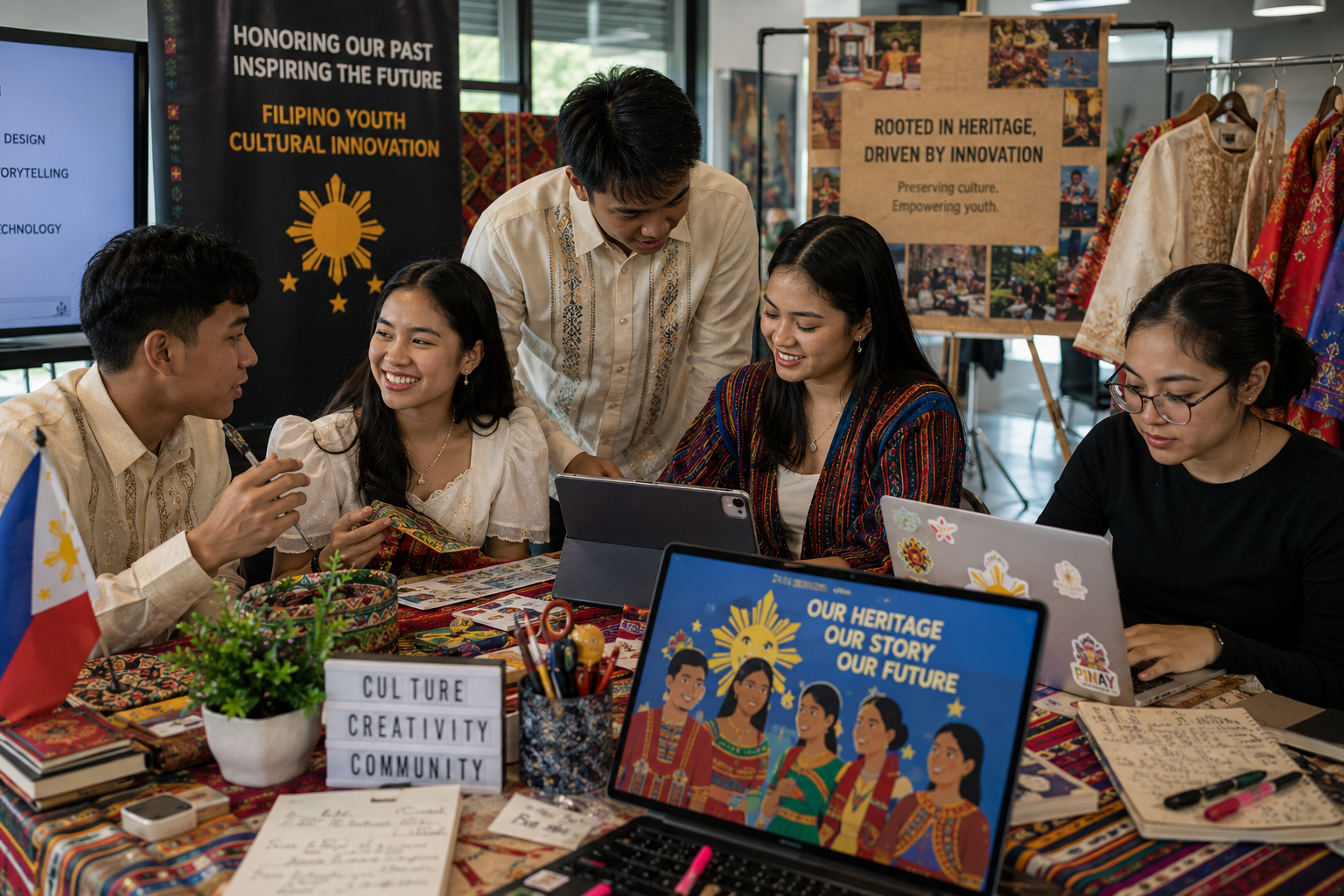
Global Filipino Youth Lead Cultural Innovation and Heritage Preservation Initiatives
Share
June 20, 2026
Updated Oct 15, 2026
8 min read
283 views
MANILA, Philippines — Young Filipinos across the world are emerging as influential leaders in cultural innovation and heritage preservation, using creativity, technology, education, and community engagement to ensure that Philippine traditions remain vibrant and relevant in the modern era. From digital storytelling projects and cultural education programs to artistic collaborations and technology-driven heritage initiatives, Filipino youth are playing increasingly important roles in safeguarding cultural identity while introducing new approaches to cultural preservation that resonate with contemporary audiences.
As global Filipino communities continue to expand across continents, younger generations have become central to efforts aimed at preserving and promoting Philippine culture. Many community leaders note that cultural preservation is no longer limited to traditional methods alone. Instead, young Filipinos are combining heritage with innovation, finding new ways to share cultural stories, celebrate traditions, and connect people to their roots. Their efforts are helping transform cultural preservation into a dynamic and evolving movement that reflects both respect for tradition and openness to modern forms of expression.
For many second-generation and third-generation Filipinos living abroad, cultural identity represents an important part of personal development and community belonging. Growing up in multicultural societies often provides opportunities to experience diverse traditions and perspectives, but it can also create challenges related to maintaining connections with ancestral heritage. In response, many young Filipinos have become actively involved in initiatives that help strengthen cultural awareness while encouraging deeper understanding of Philippine history, traditions, and values.
Digital technology has become one of the most powerful tools used by young cultural advocates. Through social media platforms, online communities, digital archives, podcasts, video documentaries, and virtual cultural events, Filipino youth are making heritage more accessible to global audiences. These digital initiatives allow cultural content to reach people regardless of geographic location while creating opportunities for interaction, learning, and collaboration. Community leaders emphasize that technology has expanded the possibilities for cultural preservation in ways that were unimaginable only a generation ago.
Digital storytelling projects have gained particular popularity among Filipino youth. Through creative videos, photography, blogs, online publications, and multimedia presentations, young creators are documenting family histories, migration experiences, traditional customs, cultural practices, and community achievements. These stories provide valuable insights into the experiences of Filipinos around the world while helping preserve important narratives that might otherwise be forgotten. Organizers note that storytelling helps transform cultural preservation into a personal and meaningful experience that resonates with both Filipino and international audiences.
Social media platforms have become important spaces for cultural engagement and education. Young Filipino content creators frequently share educational materials, historical information, language lessons, cultural trivia, traditional recipes, artistic performances, and heritage-related content that introduces audiences to different aspects of Philippine culture. Many of these initiatives attract followers from diverse backgrounds, helping expand awareness and appreciation for Filipino traditions beyond established Filipino communities.
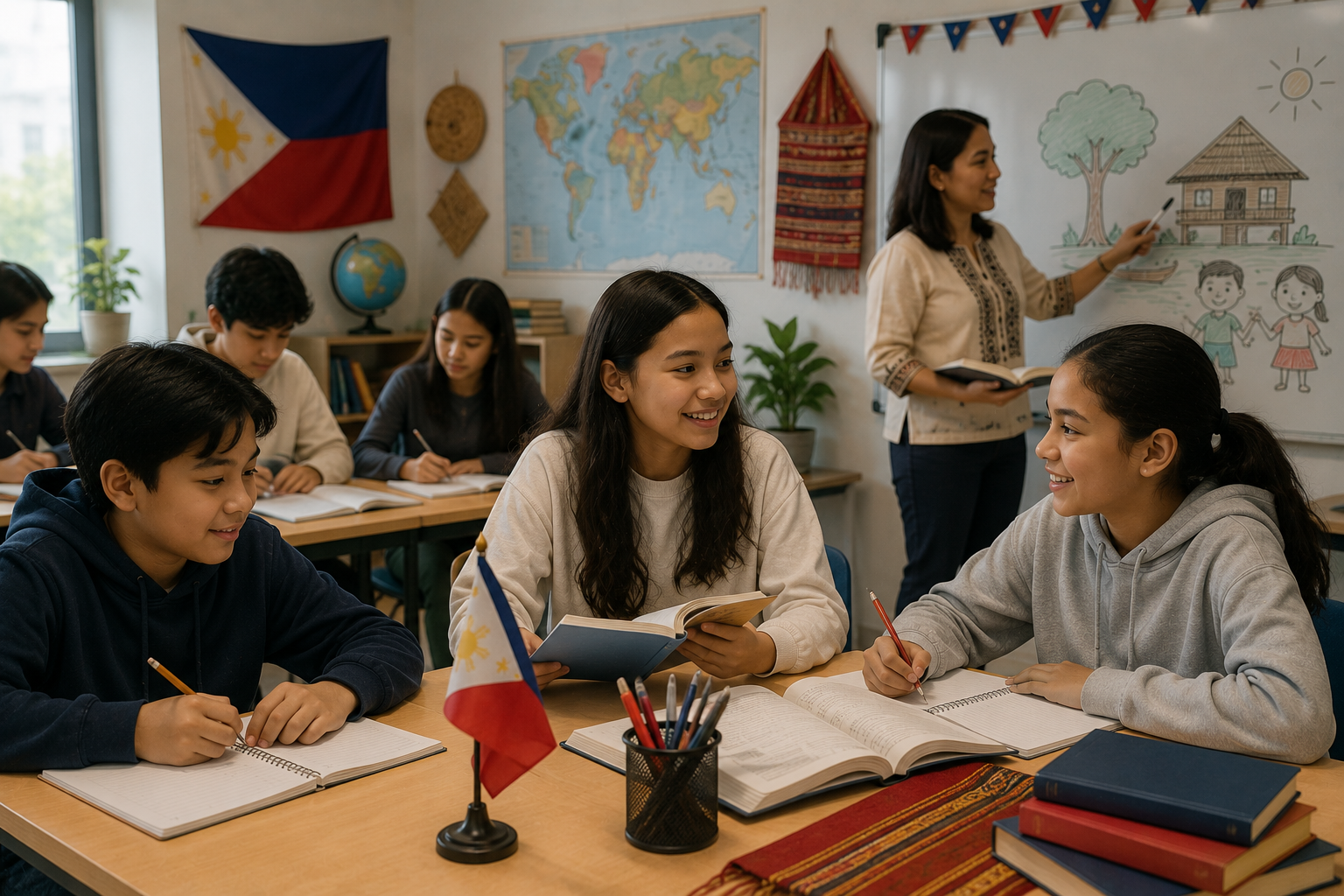
Language preservation remains another important focus of youth-led cultural initiatives. Many young advocates recognize that language serves as a key connection to heritage and identity. Through online language classes, educational content, interactive learning communities, and cultural workshops, youth organizations are encouraging greater interest in Filipino languages among younger generations. Community leaders believe that preserving language contributes significantly to maintaining cultural continuity and strengthening connections between generations.
The arts have become powerful vehicles for cultural innovation among Filipino youth. Musicians, visual artists, writers, filmmakers, designers, and performers are exploring creative ways to interpret and celebrate heritage through contemporary artistic expression. Many projects blend traditional influences with modern styles, demonstrating that cultural preservation does not require traditions to remain static. Instead, innovation allows heritage to evolve while remaining meaningful to new generations.
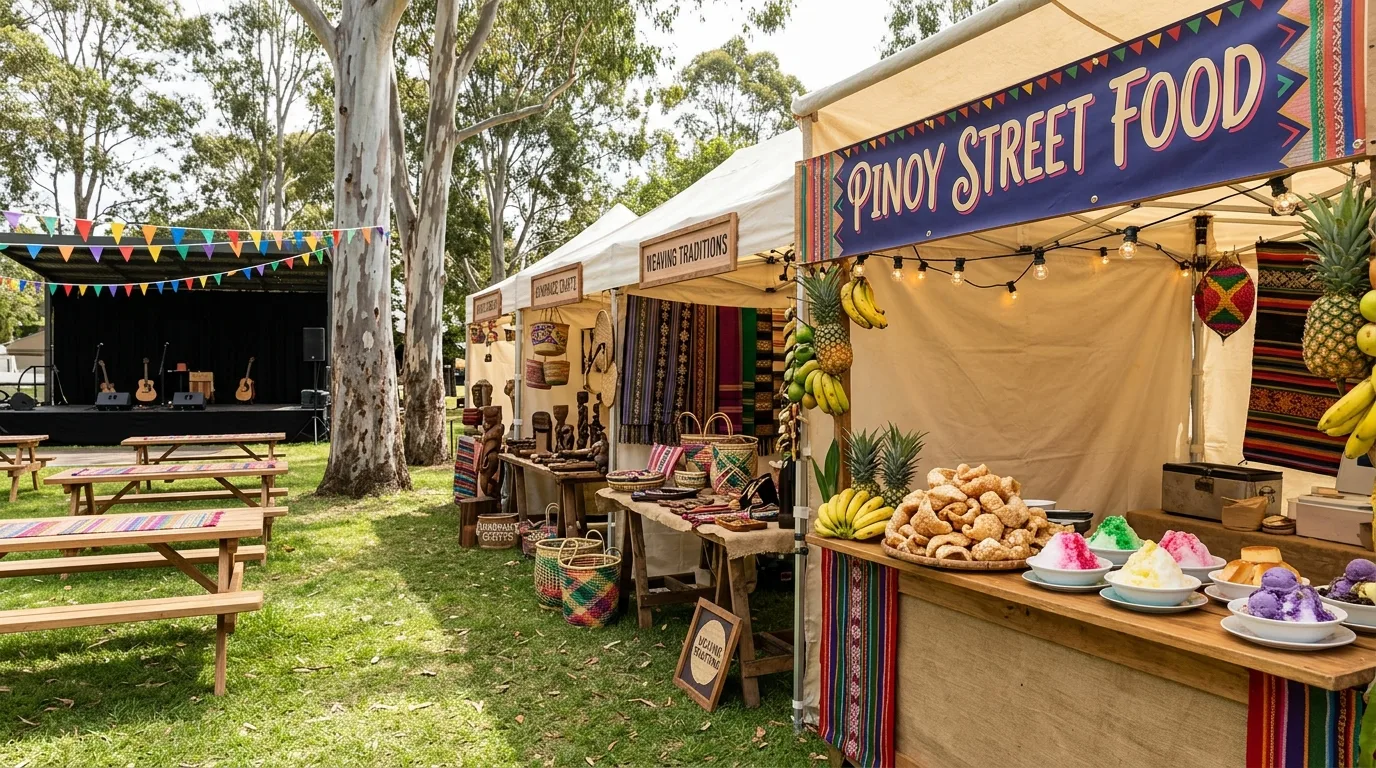
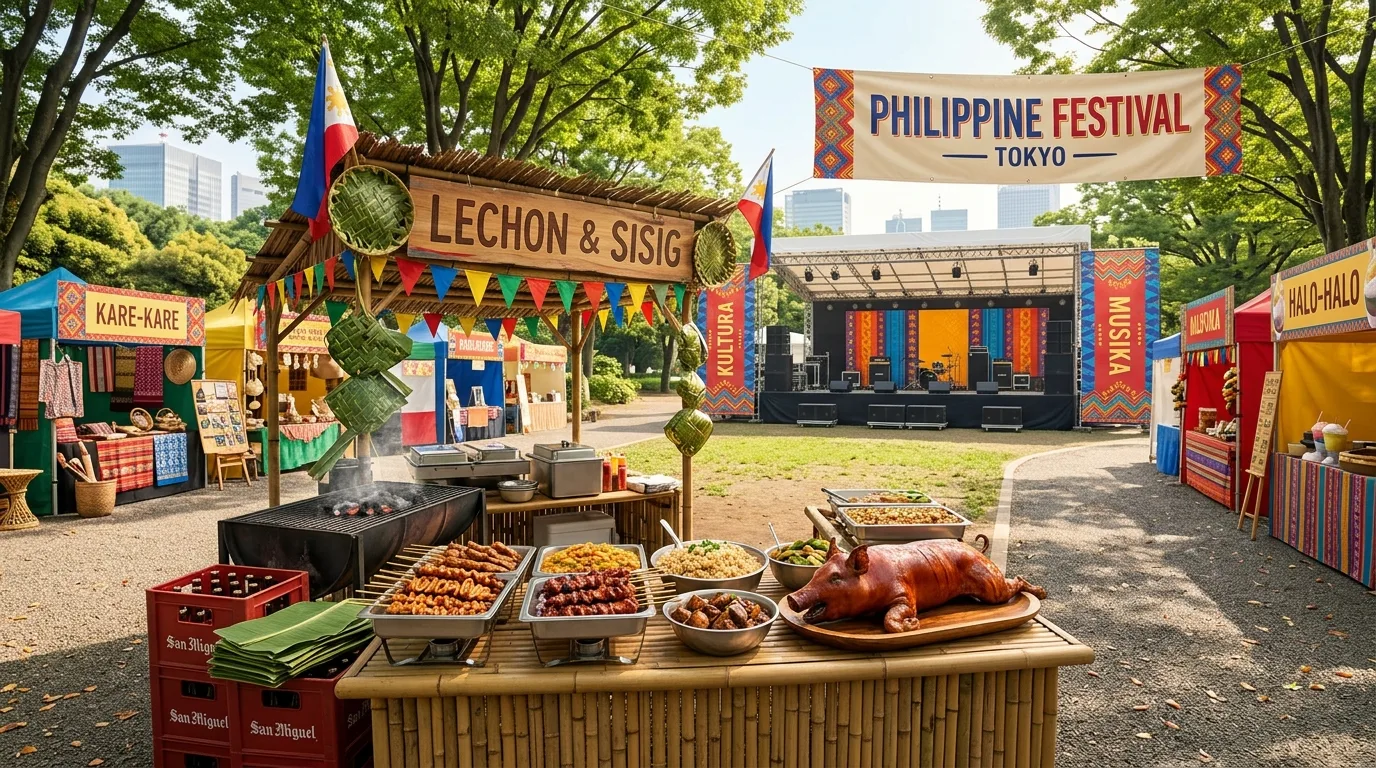
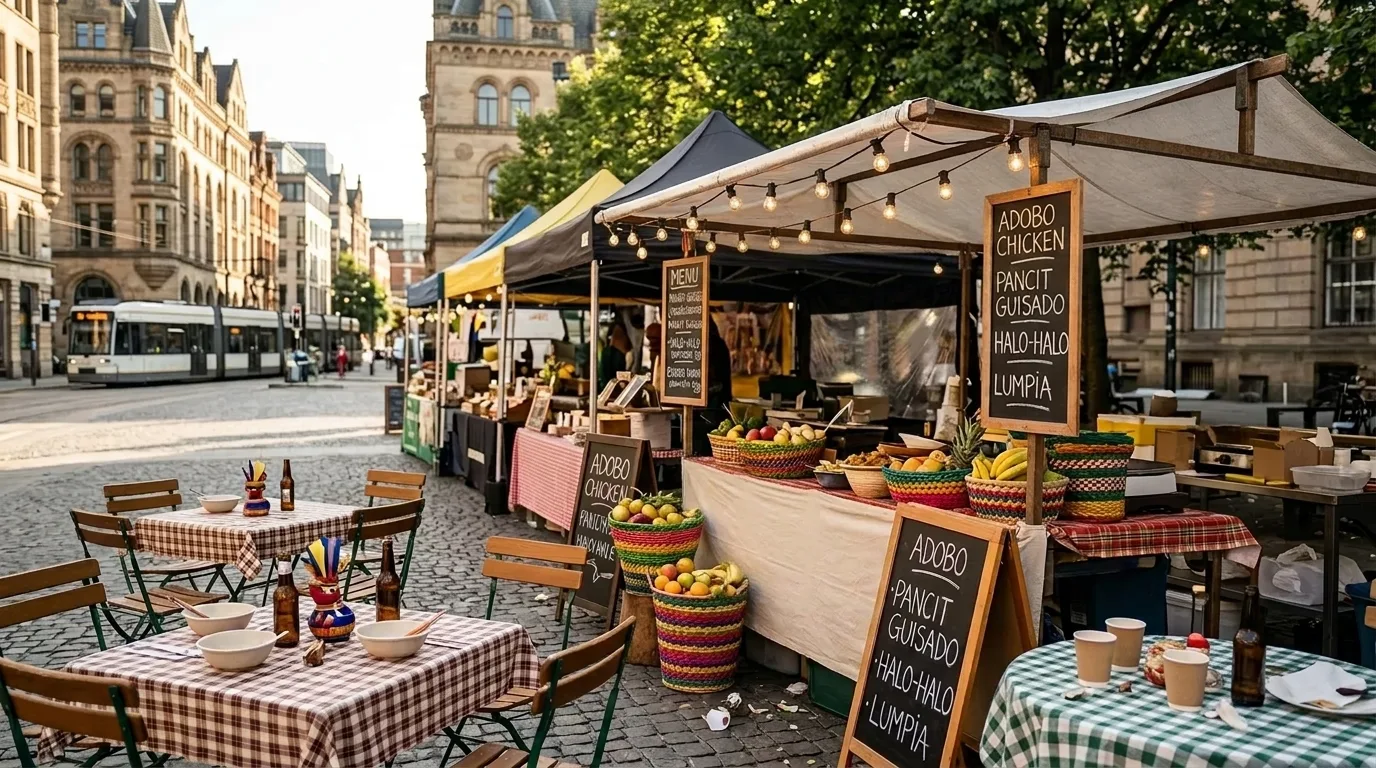
Youth-led cultural festivals and community events have become increasingly common in many global Filipino communities. These events often feature performances, educational exhibits, interactive workshops, artistic showcases, and cultural discussions designed to engage participants of all ages. Organizers note that involving young people in event planning and leadership helps ensure that cultural programs remain relevant and attractive to contemporary audiences. These experiences also provide valuable opportunities for leadership development and community engagement.
Many young Filipinos are also taking active roles in preserving indigenous knowledge and traditional cultural practices. Educational campaigns, heritage projects, and community collaborations often highlight the diversity of Philippine cultures, including the traditions of indigenous communities and regional groups. Youth leaders emphasize the importance of recognizing and celebrating the many cultural influences that contribute to Philippine identity. By promoting inclusivity and cultural diversity, these initiatives help create more comprehensive understandings of heritage.
Educational institutions have become important partners in many youth-led preservation efforts. Schools, universities, student organizations, and cultural centers frequently collaborate on projects that promote heritage awareness, cultural learning, and historical understanding. These partnerships provide access to resources, expertise, and audiences that strengthen cultural initiatives while encouraging academic engagement with heritage topics.
Community service often forms an important component of youth-led cultural programs. Many organizations integrate volunteer activities, mentorship opportunities, educational outreach, and social impact projects into their cultural initiatives. Community leaders note that combining heritage preservation with service encourages participants to view culture not only as something to celebrate but also as a source of values that inspire positive contributions to society.
The growing involvement of Filipino youth in heritage preservation reflects broader trends within global communities. Younger generations increasingly recognize that cultural identity can serve as a source of strength, creativity, and belonging in multicultural environments. By actively engaging with their heritage, young Filipinos are helping ensure that traditions remain visible and meaningful while adapting to changing social and technological realities.
Many youth-led initiatives emphasize collaboration across countries and communities. Through digital communication tools and international partnerships, young Filipinos from different parts of the world are able to exchange ideas, coordinate projects, and support one another's efforts. These global networks strengthen cultural preservation by creating opportunities for shared learning and collective action. Organizers believe that international collaboration helps build stronger and more connected Filipino communities worldwide.
The preservation of migration histories has become another area of focus for young cultural advocates. Through oral history projects, interviews, documentaries, and digital archives, youth organizations are documenting the experiences of Overseas Filipinos who contributed to community development and cultural preservation. These projects help ensure that important stories are preserved for future generations while highlighting the resilience and achievements of Filipino communities around the world.
Many community leaders observe that youth involvement has brought renewed energy and innovation to cultural preservation efforts. Younger generations often introduce new technologies, creative approaches, and communication strategies that help heritage programs reach broader audiences. Their ability to connect traditional knowledge with contemporary tools has proven particularly valuable in expanding engagement and participation.
The impact of these initiatives extends beyond Filipino communities themselves. International audiences increasingly encounter Philippine culture through youth-led projects that emphasize education, creativity, and cultural exchange. These interactions contribute to greater understanding of Filipino heritage while strengthening the global visibility of Philippine culture. Community advocates believe that cultural exchange benefits both Filipino communities and the societies in which they live by promoting diversity and mutual respect.
Many successful cultural initiatives have inspired additional youth participation. Seeing peers take active roles in preserving heritage encourages others to become involved in community programs, educational activities, artistic projects, and leadership opportunities. Organizers note that this cycle of participation helps create sustainable preservation efforts capable of continuing across generations.
Challenges remain, including maintaining long-term engagement, securing resources, and balancing cultural preservation with the realities of modern life. However, community leaders remain optimistic because of the creativity, dedication, and enthusiasm demonstrated by young Filipinos worldwide. Their willingness to embrace both tradition and innovation suggests that cultural preservation efforts will continue to evolve and thrive in the years ahead.
The increasing prominence of youth leadership in heritage preservation highlights the adaptability of Filipino culture. Rather than viewing tradition and innovation as opposing forces, many young advocates see them as complementary elements that can work together to strengthen cultural identity. This perspective allows heritage to remain relevant while encouraging creative expression and contemporary engagement.
Looking toward the future, cultural organizations anticipate continued growth in youth-led initiatives involving digital education, virtual heritage experiences, artistic collaborations, language preservation programs, and community outreach efforts. Advances in technology and expanding international networks are expected to create even greater opportunities for cultural innovation and engagement.
Ultimately, the rise of global Filipino youth as leaders in cultural innovation and heritage preservation demonstrates the enduring strength of Philippine culture in an increasingly interconnected world. Through creativity, education, technology, and community service, young Filipinos are helping ensure that traditions continue to inspire, educate, and unite people across generations and borders.
As Filipino communities continue to grow around the globe, the contributions of youth leaders will remain essential to preserving cultural heritage while shaping its future. Their efforts serve as powerful examples of how cultural pride, innovation, and collaboration can work together to strengthen identity, celebrate diversity, and ensure that the stories, traditions, and values of the Filipino people continue to thrive for generations to come.
Enjoyed this story?
Share this story