Global Pinoy Family Reunions Boost Interest in Philippine Heritage Tourism
Share
June 16, 2026
Updated Oct 15, 2026
8 min read
235 views
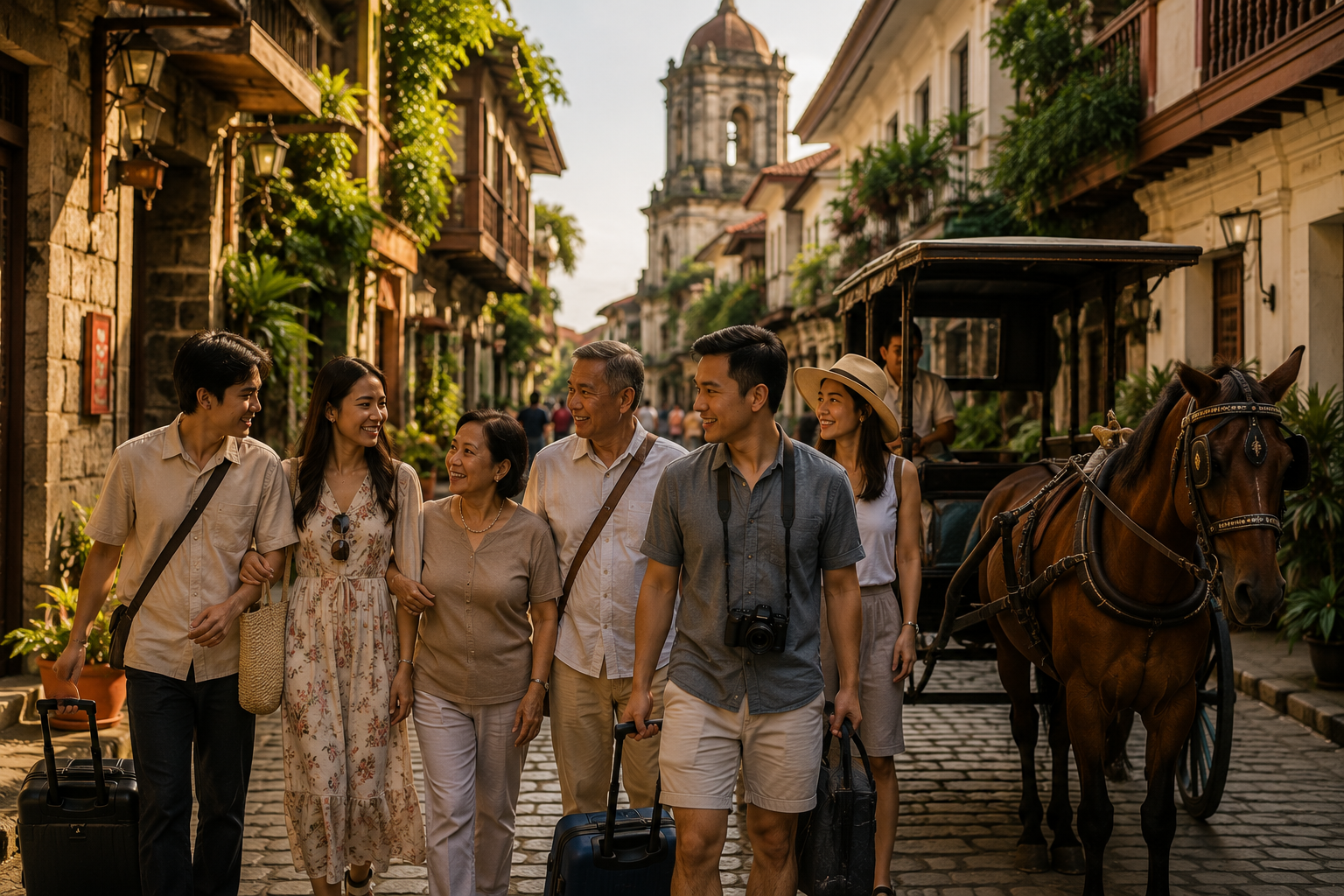
MANILA, Philippines — Family reunions involving overseas Filipino communities are increasingly contributing to the growth of heritage tourism in the Philippines as more Filipinos living abroad return to reconnect with their roots, rediscover family histories, and strengthen ties with their ancestral communities. Across the country, local destinations are welcoming growing numbers of overseas Filipinos and their descendants who are combining family gatherings with cultural exploration, historical discovery, and meaningful travel experiences centered on identity and heritage.
The Philippines has long maintained strong connections with its global diaspora, which includes millions of Filipinos living and working in different parts of the world. While many overseas Filipinos return home periodically to visit loved ones, recent trends indicate growing interest in organizing large-scale family reunions that bring together relatives from multiple countries. These gatherings often extend beyond traditional family celebrations and evolve into opportunities to explore local culture, visit ancestral hometowns, and learn more about family histories that span generations.
Tourism advocates note that family reunions are becoming important drivers of heritage tourism because they create personal and emotional motivations for travel. Unlike conventional leisure trips, heritage-focused journeys are often rooted in a desire to understand one's identity, reconnect with family traditions, and experience places that hold historical significance for relatives and ancestors. These experiences create lasting memories while fostering stronger connections between overseas Filipinos and their homeland.
Many returning Filipinos choose to visit ancestral provinces as part of family reunion activities. These visits often include tours of hometowns, historical landmarks, family properties, churches, schools, and community centers that played important roles in family histories. For younger generations born and raised abroad, these experiences provide valuable opportunities to see firsthand the communities where parents, grandparents, and earlier generations lived. Community leaders observe that such visits frequently strengthen appreciation for family heritage while creating deeper emotional connections to the Philippines.
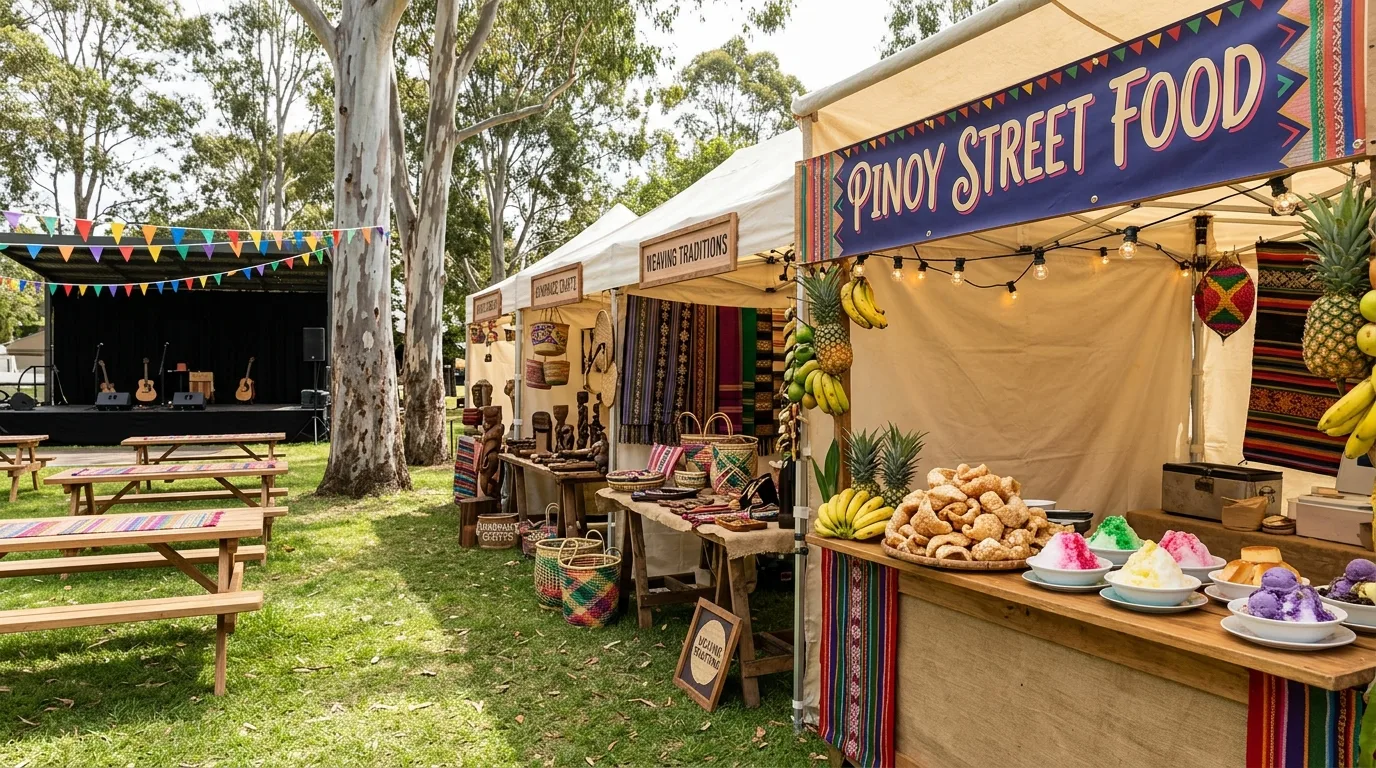
Heritage tourism associated with family reunions also encourages exploration of regional cultures and traditions. The Philippines is known for its diverse cultural landscape, with each region offering distinct customs, languages, cuisines, festivals, and historical experiences. Family gatherings often become gateways to broader cultural discovery as visitors participate in local celebrations, explore traditional crafts, sample regional cuisine, and learn about the unique characteristics of different communities. Tourism stakeholders believe that these experiences contribute significantly to cultural preservation and appreciation.
The growing popularity of genealogy and family history research has further contributed to interest in heritage tourism. Many overseas Filipinos are increasingly interested in tracing family roots, documenting family stories, and preserving historical records for future generations. Family reunions often serve as opportunities to gather information from elders, share photographs and documents, and reconstruct family narratives that may have been fragmented by migration and geographic distance. Community advocates note that these activities help strengthen intergenerational relationships while preserving valuable cultural and historical knowledge.
Technology has made family history exploration more accessible than ever before. Digital communication platforms, genealogy databases, social media groups, and online archives enable family members living in different countries to collaborate on research projects and organize reunions more efficiently. These tools also help younger generations engage with family heritage in ways that are relevant to their experiences. Organizers report that technology has become an important factor in increasing participation and sustaining interest in heritage-related activities.
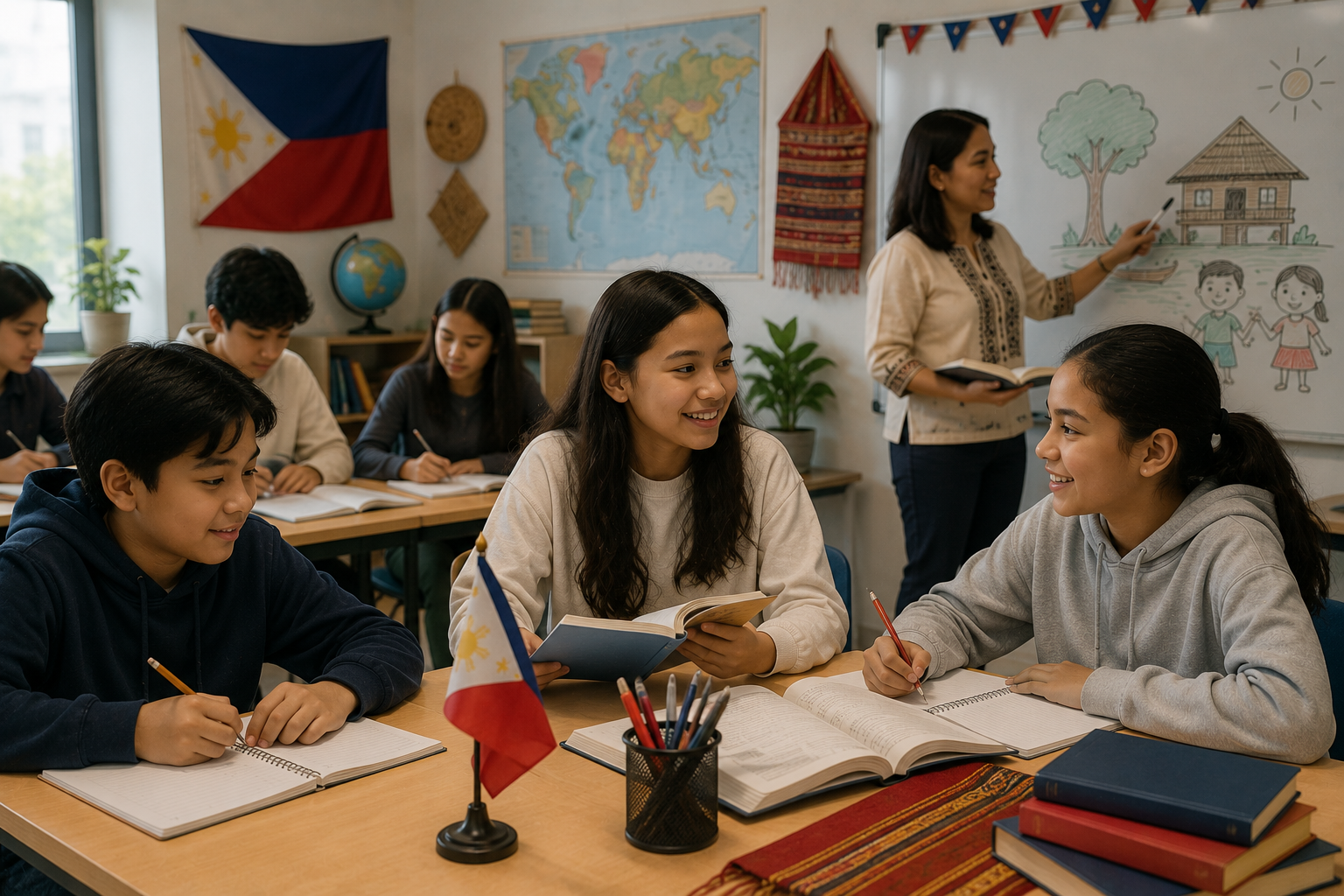
Many family reunions incorporate cultural programming designed to introduce younger generations to Philippine traditions. Activities may include storytelling sessions, cultural performances, traditional games, language lessons, cooking demonstrations, and visits to historical sites. These experiences provide meaningful opportunities for learning while helping ensure that cultural knowledge continues to be passed down across generations. Community leaders emphasize that cultural education is one of the most valuable outcomes of heritage-focused family gatherings.
Local tourism destinations are increasingly recognizing the potential of heritage tourism linked to family reunions. Municipalities, tourism offices, cultural organizations, and local businesses are developing programs and services that cater to visitors seeking cultural and historical experiences. Heritage tours, museum visits, cultural workshops, and community-based tourism initiatives are becoming popular additions to reunion itineraries. Tourism officials note that these offerings help diversify visitor experiences while supporting local economies.
The economic impact of family reunion tourism can be substantial. Returning overseas Filipinos often travel in large groups, generating demand for accommodations, transportation services, restaurants, event venues, tour operators, and local attractions. Community businesses frequently benefit from increased visitor spending, while local governments recognize heritage tourism as a valuable contributor to economic development. Industry observers note that reunion-related travel often extends beyond major cities, bringing economic benefits to smaller communities and rural areas.
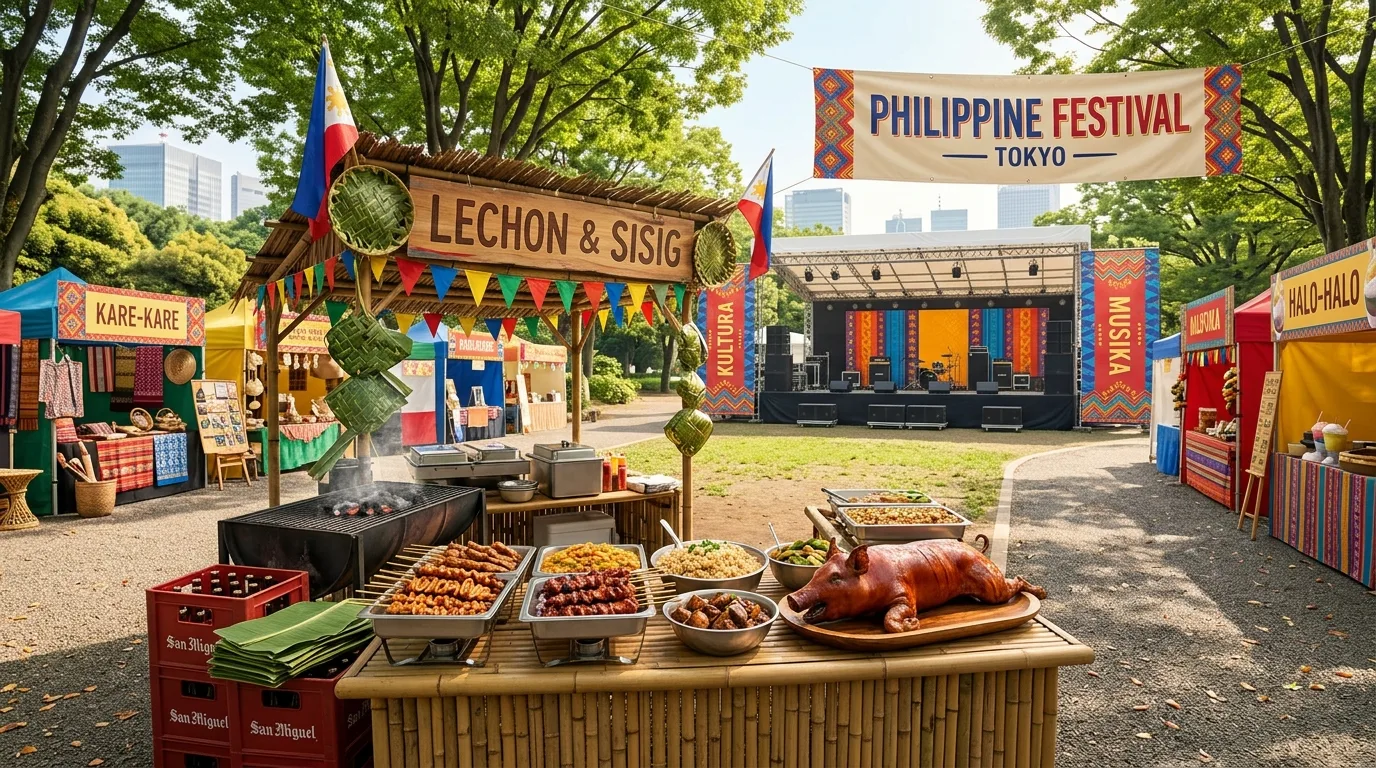
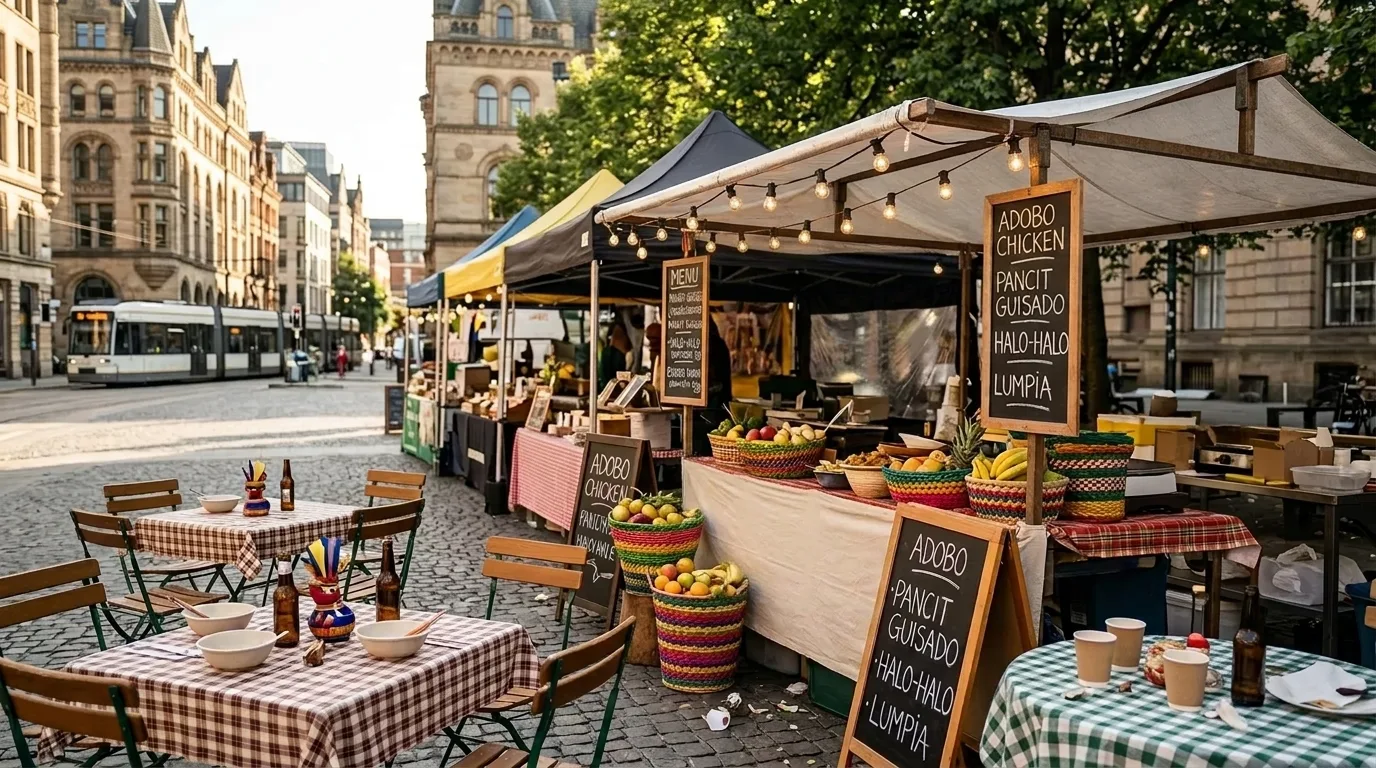
Food plays a particularly important role in family reunions and heritage tourism experiences. Shared meals provide opportunities for family members to reconnect while exploring traditional recipes and regional specialties. Many visitors express strong interest in experiencing authentic local cuisine that reflects family traditions and cultural heritage. Culinary experiences often become some of the most memorable aspects of reunion travel, creating connections between generations through food and storytelling.
Religious and historical landmarks frequently serve as focal points for heritage tourism activities. Churches, ancestral homes, cemeteries, monuments, and community landmarks provide tangible connections to family histories and local traditions. Visits to these sites help family members understand the historical contexts in which earlier generations lived while fostering appreciation for cultural and religious heritage. Community leaders note that these experiences often inspire deeper reflection on identity, belonging, and family legacy.
The participation of younger generations has become increasingly important in shaping the future of heritage tourism. Many second-generation and third-generation Filipinos express strong interest in learning about their ancestry and cultural background. Family reunions provide opportunities for these individuals to engage with heritage in meaningful ways while building relationships with relatives they may have never met before. Community advocates believe that these experiences help strengthen cultural identity and encourage long-term engagement with Filipino heritage.
Cultural festivals often coincide with reunion activities, providing additional opportunities for visitors to experience local traditions. Many families plan reunions around major festivals, allowing participants to witness traditional performances, religious observances, community celebrations, and regional customs. Tourism stakeholders note that festival participation enhances cultural immersion while contributing to the preservation of local traditions.
The spirit of bayanihan remains evident in many family reunion gatherings. Relatives often collaborate extensively to organize events, coordinate travel arrangements, and create meaningful experiences for participants. This collective effort reflects enduring Filipino values of cooperation, hospitality, and family solidarity. Community leaders emphasize that these values remain central to the success and significance of family reunions.
Heritage tourism also contributes to cultural preservation by encouraging interest in local history, traditions, and community narratives. Visitors who develop stronger connections to their roots are often more likely to support cultural initiatives, historical preservation efforts, and community development projects. Organizers believe that heritage tourism creates opportunities for both personal enrichment and broader cultural sustainability.
Many overseas Filipinos describe reunion-related travel as transformative experiences that deepen their understanding of family history and cultural identity. These journeys often provide perspectives that cannot be gained through books, photographs, or online resources alone. Personal interactions with relatives, visits to meaningful locations, and participation in community activities create powerful experiences that strengthen emotional connections to heritage.
Educational institutions and cultural organizations are increasingly supporting initiatives that promote heritage awareness among overseas Filipino communities. Workshops, cultural programs, research projects, and heritage education activities complement tourism experiences while encouraging ongoing engagement with Filipino history and culture. Community advocates view education as essential for sustaining long-term interest in heritage preservation.
Looking ahead, tourism experts anticipate continued growth in heritage tourism driven by family reunions and diaspora engagement. Increasing interest in genealogy, cultural identity, and experiential travel is expected to create new opportunities for communities, tourism providers, and cultural organizations. Advances in technology and stronger international connectivity will likely make it easier for families to organize reunions and participate in heritage-related activities.
Many local communities are already exploring ways to enhance heritage tourism experiences by developing cultural attractions, preserving historical sites, and creating programs that highlight local traditions. These efforts aim to provide meaningful experiences for visitors while supporting community development and cultural preservation. Tourism stakeholders emphasize the importance of balancing growth with sustainability to ensure that cultural resources remain protected for future generations.
Ultimately, the growing popularity of Global Pinoy family reunions demonstrates the enduring importance of family, identity, and cultural connection within the Filipino experience. These gatherings go beyond simple celebrations, serving as opportunities for learning, reflection, and rediscovery that strengthen bonds across generations and geographic boundaries.
As more overseas Filipinos return to explore their roots and reconnect with their heritage, the Philippines continues to benefit from the cultural, social, and economic impacts of heritage tourism. Through family reunions, ancestral journeys, and shared cultural experiences, Filipinos around the world are helping preserve traditions, celebrate identity, and ensure that the stories of their families and communities continue to inspire future generations wherever they may call home.
Enjoyed this story?
Share this story