Global Pinoy Family Reunions Drive Growth in Heritage Tourism Activities
Share
June 10, 2026
Updated Oct 15, 2026
7 min read
241 views
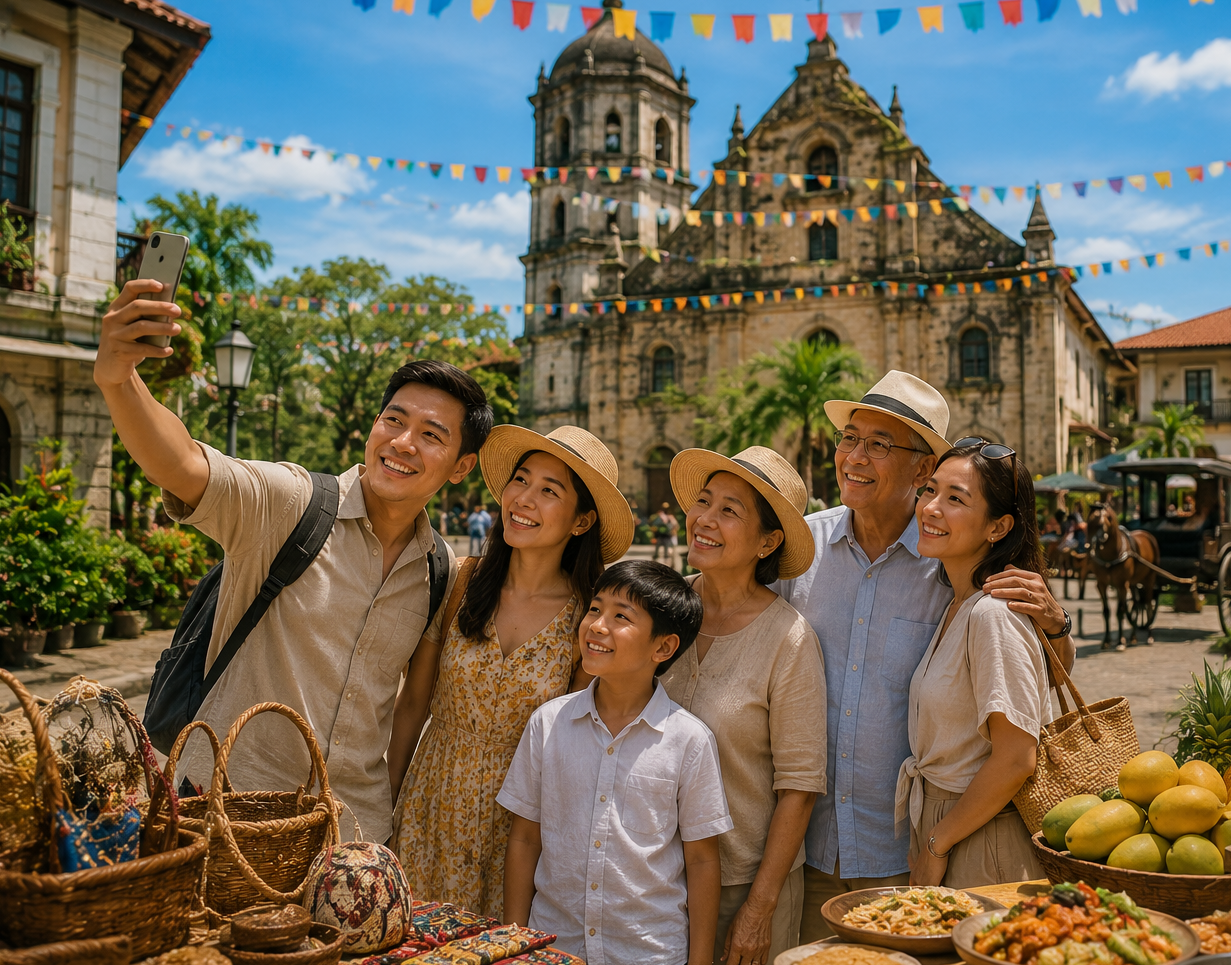
MANILA, Philippines — Global Pinoy family reunions are increasingly contributing to the growth of heritage tourism across the Philippines as overseas Filipinos and their descendants seek meaningful ways to reconnect with their ancestral roots, cultural traditions, and family histories. What was once primarily a personal family gathering has evolved into a broader movement that supports local tourism, cultural preservation, community engagement, and economic development. As more Filipino families organize reunions that bring relatives together from different countries, heritage tourism destinations throughout the Philippines are experiencing renewed interest from visitors eager to explore the places, stories, and traditions that shaped their family's journey.
The Philippines has long been home to one of the world's largest diaspora populations, with millions of Filipinos living and working across North America, Europe, the Middle East, Asia, Australia, and other regions. Over the years, many overseas Filipinos have maintained strong emotional and cultural ties to their homeland despite being separated by distance. Family reunions provide valuable opportunities to strengthen these connections while allowing younger generations to gain a deeper understanding of their heritage and identity.
Tourism stakeholders have observed a growing trend among overseas Filipino families who are incorporating cultural and historical experiences into reunion activities. Rather than limiting gatherings to private celebrations, many families are now organizing heritage tours, visits to ancestral homes, cultural immersion programs, historical site excursions, and community visits that provide meaningful insights into their family's origins. These activities transform reunions into educational and cultural experiences that leave lasting impressions on participants.
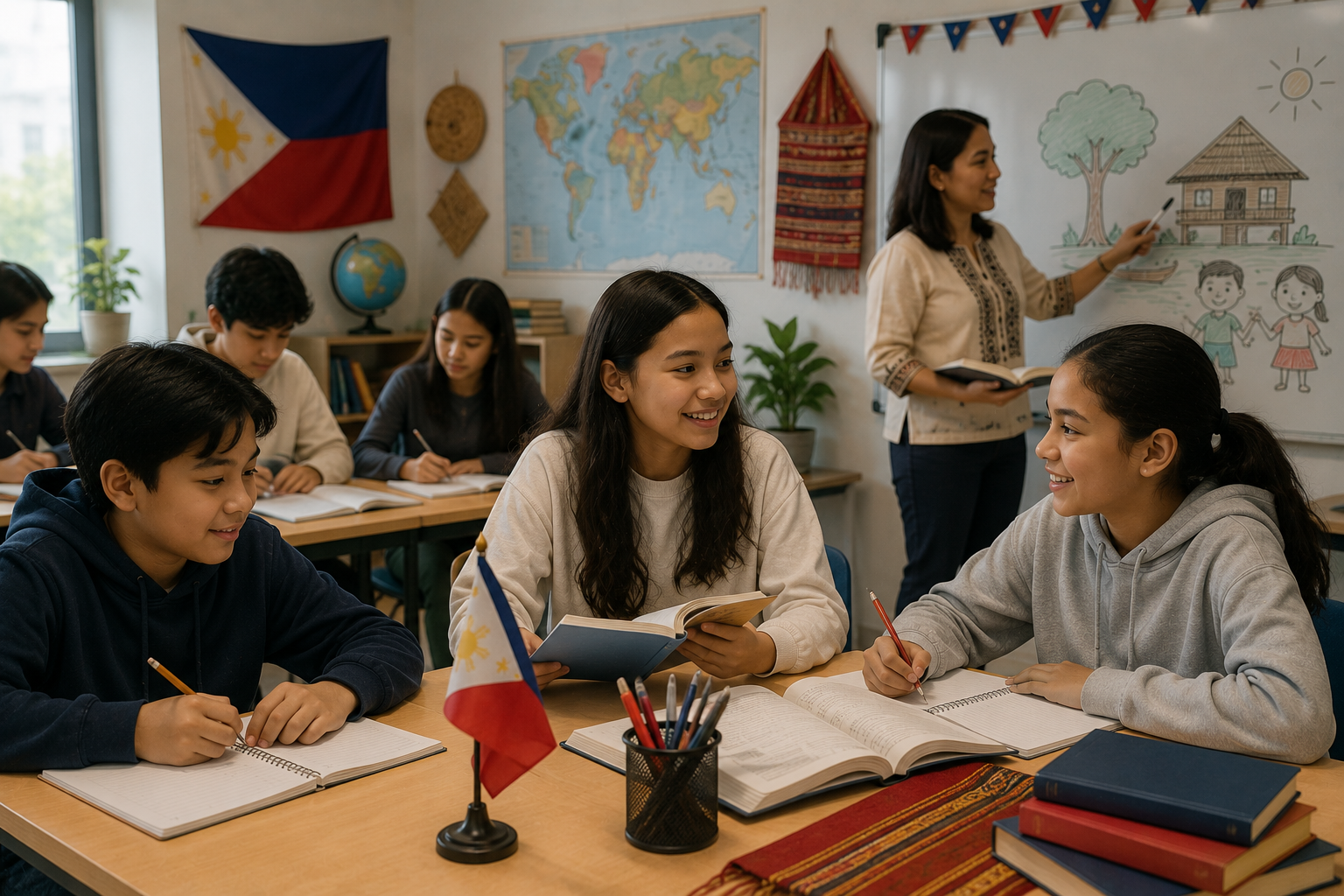
Many second- and third-generation Filipinos who were born or raised abroad often have limited firsthand exposure to the Philippines. Family reunions provide opportunities for them to experience the country beyond what they may have learned through stories, photographs, or family conversations. Visiting ancestral provinces, meeting extended relatives, exploring local traditions, and participating in cultural activities help younger generations develop stronger connections to their Filipino heritage while fostering a greater appreciation for their cultural identity.
Heritage tourism experts note that genealogy and family history have become increasingly important motivations for travel. Many overseas Filipinos are interested in tracing family roots, documenting family stories, and learning more about the communities where their ancestors lived. As a result, local destinations that offer historical significance, cultural attractions, and opportunities for family research are attracting greater interest from reunion groups and heritage travelers.
Provincial destinations have particularly benefited from this growing trend. Many family reunions involve visits to hometowns where parents, grandparents, or earlier generations once lived. These trips often include tours of historical landmarks, churches, schools, public plazas, ancestral houses, and cultural sites that hold personal significance for family members. Local tourism officials recognize that these visits generate economic activity while helping preserve community heritage and cultural traditions.
Community leaders frequently describe heritage tourism as a meaningful form of travel because it combines personal experiences with cultural education. Family members not only enjoy spending time together but also gain opportunities to learn about regional histories, local customs, traditional crafts, culinary traditions, and community stories. These experiences create stronger emotional connections to places while encouraging deeper appreciation for Philippine culture and heritage.
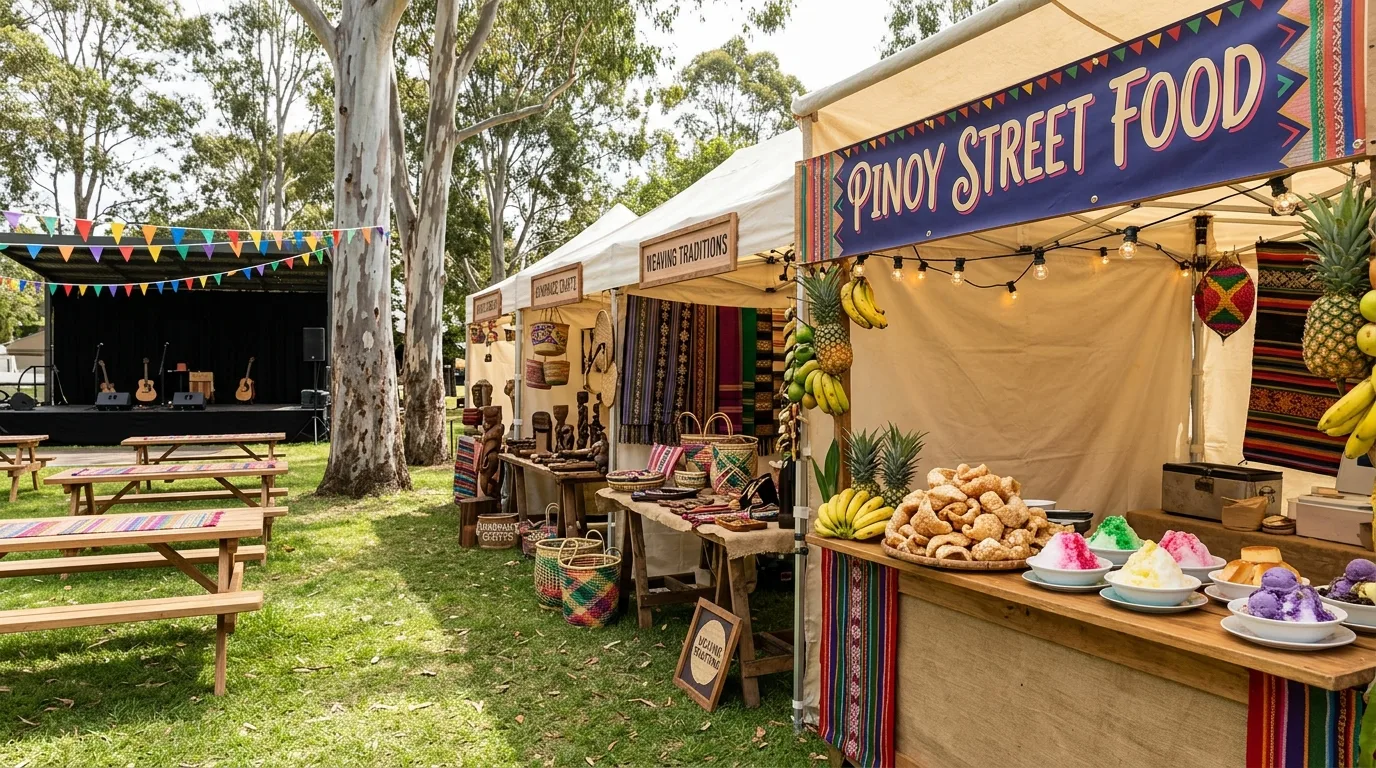
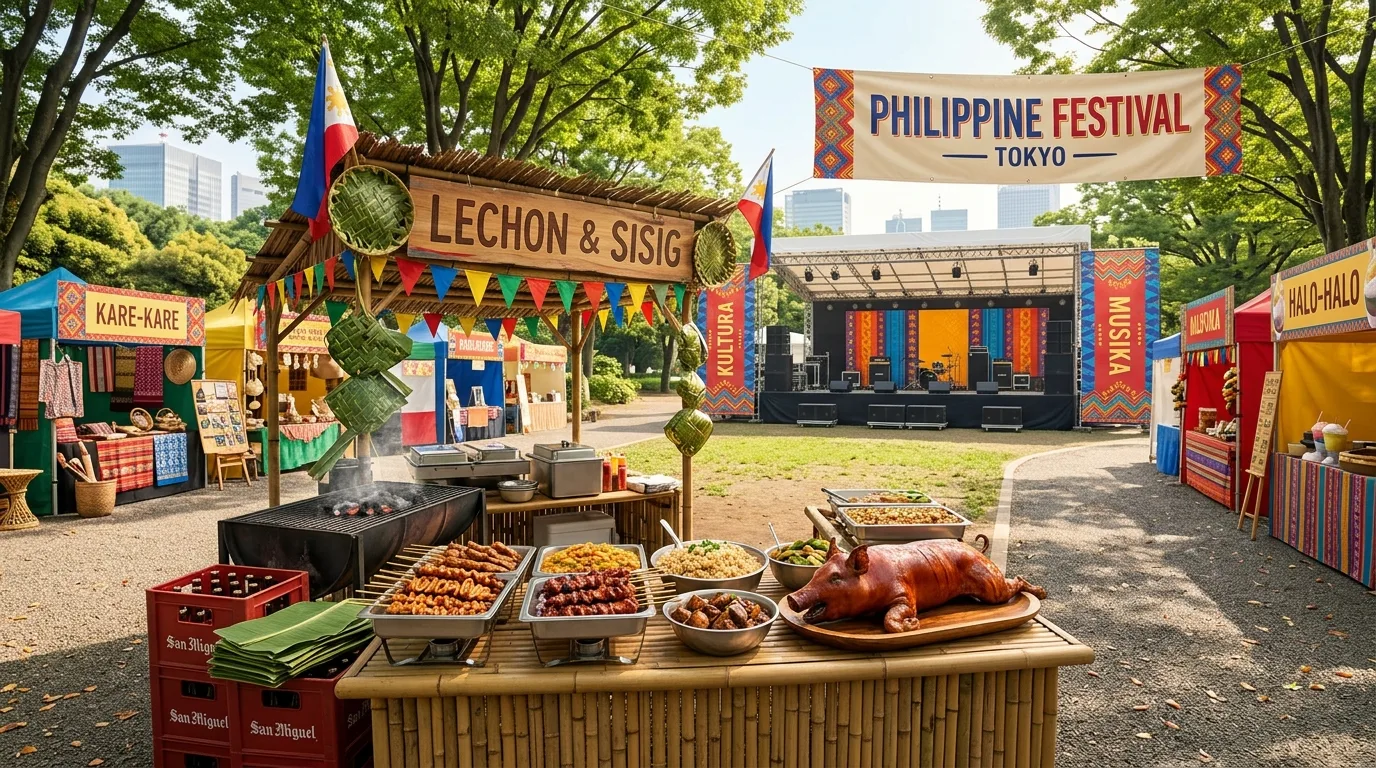
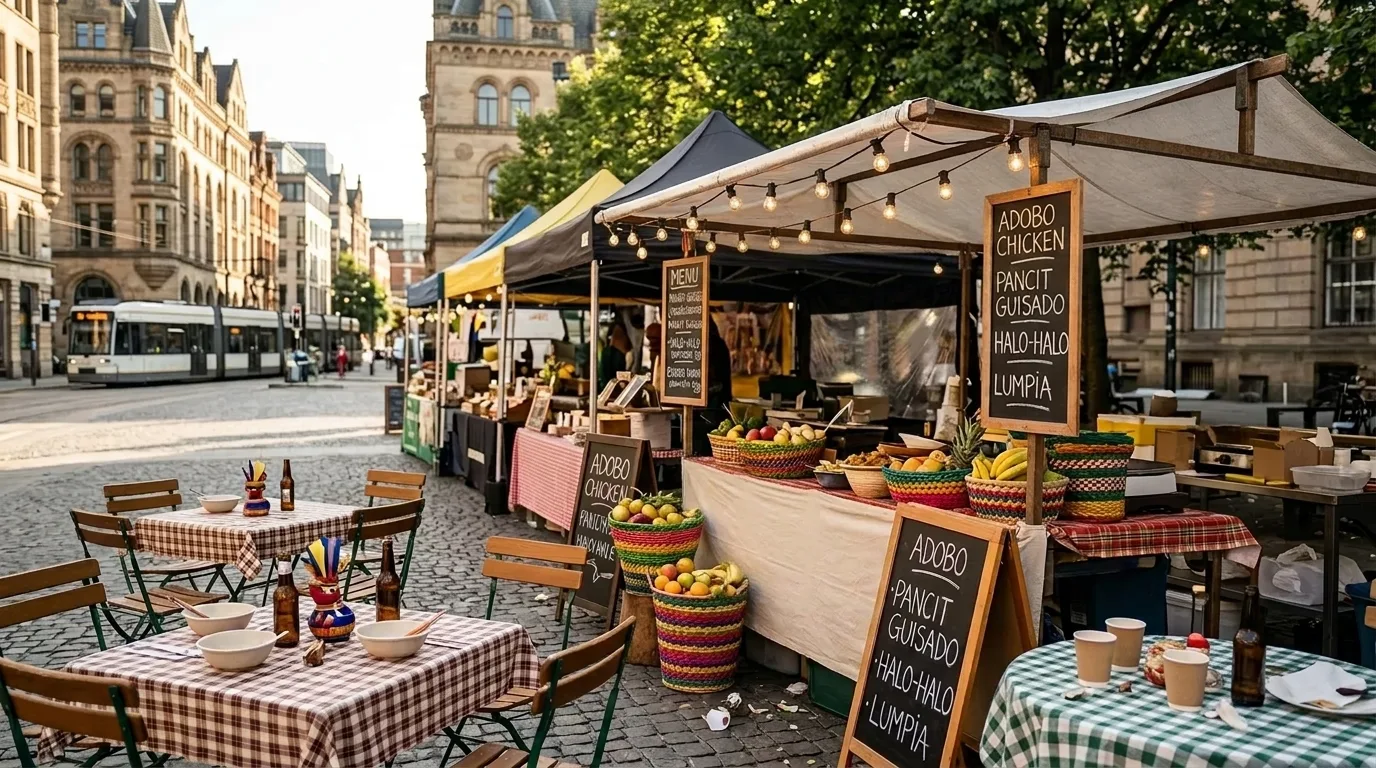
Food plays an important role in many family reunion activities. Filipino cuisine often serves as a bridge between generations, connecting family members through shared traditions and memories. Reunion programs frequently include visits to local restaurants, traditional food markets, culinary tours, and family gatherings centered around regional dishes. Culinary experiences allow participants to explore the diverse flavors of different provinces while learning about the cultural significance of local food traditions.
Cultural performances and festivals are also becoming popular components of heritage tourism itineraries. Families often schedule reunions to coincide with local celebrations, fiestas, cultural festivals, and community events. These experiences allow participants to witness traditional music, dance, religious observances, and cultural practices that reflect the unique identity of specific regions. Tourism advocates believe that participation in local festivals enhances cultural understanding while creating memorable experiences for visitors.
Technology has played a significant role in facilitating the growth of heritage tourism among global Filipino families. Social media platforms, genealogy websites, digital archives, and online communication tools make it easier for relatives to organize reunions, conduct family research, and share historical information. Families can now collaborate across continents to trace family histories, collect photographs, preserve stories, and coordinate travel plans more efficiently than ever before.
Local businesses are also benefiting from increased heritage tourism activity. Hotels, transportation providers, restaurants, tour operators, event venues, photographers, cultural guides, and souvenir shops often experience increased demand during reunion events. Many communities recognize family reunions as valuable contributors to local economies, particularly in provinces that receive returning visitors from overseas Filipino communities.
The emotional significance of heritage tourism cannot be overlooked. For many overseas Filipinos, returning to ancestral communities represents more than a vacation. It is often an opportunity to reconnect with family members, revisit childhood memories, honor previous generations, and strengthen personal identity. These experiences frequently create powerful emotional connections that inspire future visits and ongoing engagement with local communities.
Educational institutions and cultural organizations have also become involved in supporting heritage tourism initiatives. Museums, historical societies, cultural centers, and heritage advocates frequently collaborate with communities to provide resources, historical information, and cultural programming that enhance visitor experiences. These efforts help ensure that heritage tourism contributes not only to economic development but also to cultural preservation and historical awareness.
Many local governments have recognized the growing importance of heritage tourism and are investing in programs that support cultural preservation, destination development, and visitor engagement. Restoration of historical sites, improvements to tourism infrastructure, community-based tourism initiatives, and cultural education programs are helping create more meaningful experiences for visitors while protecting important heritage assets.
The increasing popularity of heritage tourism has also encouraged many families to document their histories more actively. Oral history projects, family archives, digital storytelling initiatives, and genealogy research efforts are helping preserve valuable knowledge that might otherwise be lost over time. Community leaders emphasize that preserving family stories contributes to broader efforts aimed at protecting cultural heritage and strengthening intergenerational connections.
Tourism experts believe that heritage tourism aligns well with broader global trends favoring meaningful, experience-based travel. Modern travelers increasingly seek authentic experiences that provide personal enrichment, cultural learning, and emotional connection. Heritage tourism offers all of these elements while supporting local communities and preserving cultural traditions. This makes it particularly appealing to global Filipino families seeking deeper connections to their roots.
As international travel continues to recover and expand, tourism stakeholders anticipate continued growth in family reunion-related travel. Improved connectivity, stronger diaspora networks, and growing interest in ancestry and cultural identity are expected to support future demand for heritage tourism experiences. Communities across the Philippines are preparing to welcome more returning visitors eager to explore their family histories and cultural heritage.
Looking ahead, tourism leaders are exploring ways to further strengthen heritage tourism offerings through digital innovation, cultural programming, community partnerships, and destination development. New initiatives focused on genealogy tourism, cultural immersion experiences, heritage trails, and family history resources are expected to create additional opportunities for visitors and local communities alike.
Ultimately, the rise of global Pinoy family reunions as drivers of heritage tourism reflects the enduring importance of family, culture, and identity within Filipino society. These gatherings demonstrate how personal connections can inspire broader cultural engagement while supporting local economies and preserving important traditions. By bringing generations together and encouraging exploration of ancestral roots, family reunions are helping create meaningful experiences that strengthen bonds between people, places, and heritage.
As more overseas Filipinos return to discover the stories and communities that shaped their families, heritage tourism is poised to become an even more important part of the Philippine tourism landscape. Through these journeys of reconnection and discovery, global Filipino families continue to celebrate their shared heritage while contributing to the preservation and promotion of the rich cultural legacy that unites Filipinos around the world.
Enjoyed this story?
Share this story