Global Pinoy Festivals Continue to Attract Record Crowds Across Major Cities
Share
June 07, 2026
Updated Oct 15, 2026
8 min read
312 views
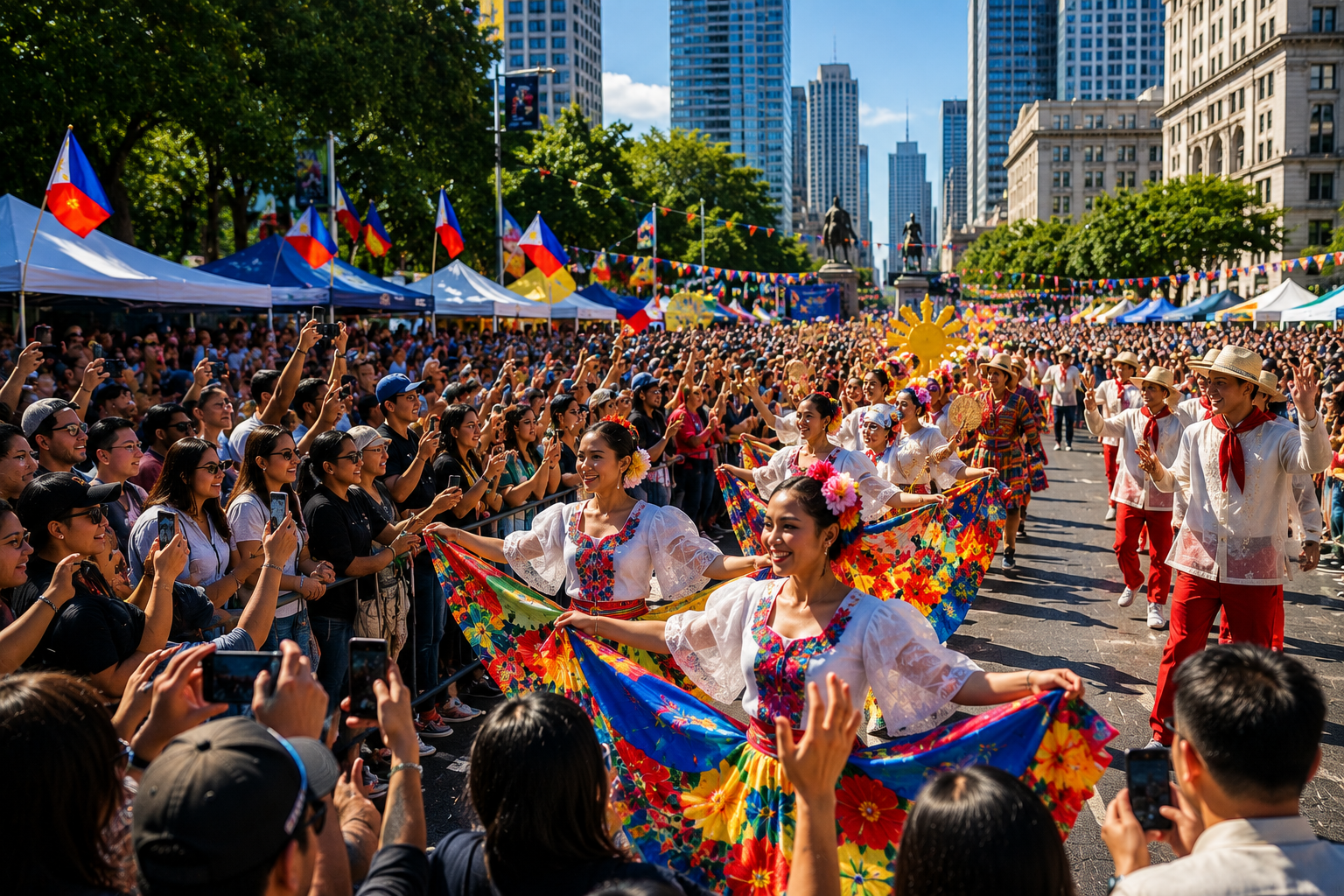
MANILA, Philippines — Global Pinoy festivals are continuing to attract record crowds across major cities around the world as overseas Filipino communities expand cultural celebrations that showcase Philippine heritage, traditions, cuisine, music, and community spirit. From North America and Europe to Australia, Asia, and the Middle East, these festivals have evolved into major cultural events that not only bring Filipinos together but also attract growing numbers of international visitors interested in experiencing the richness and diversity of Filipino culture.
Community leaders and event organizers report that attendance at many Filipino festivals has increased significantly in recent years. What were once primarily community-centered gatherings have transformed into large-scale multicultural events attended by thousands of people from various cultural backgrounds. The growing popularity of these festivals reflects both the expanding global Filipino population and the increasing international recognition of Philippine culture, cuisine, and artistic traditions. Organizers note that many events now attract attendees who have no Filipino heritage but are eager to learn about the Philippines through immersive cultural experiences.
The success of Global Pinoy festivals is closely linked to the strong sense of identity and community that characterizes Filipino populations abroad. Across different countries, overseas Filipinos have consistently demonstrated a commitment to preserving cultural traditions while adapting them to new environments. Festivals provide opportunities for individuals and families to reconnect with their heritage, celebrate shared experiences, and strengthen relationships within their communities. Community advocates often describe these gatherings as powerful expressions of cultural pride that help maintain important connections to the Philippines.
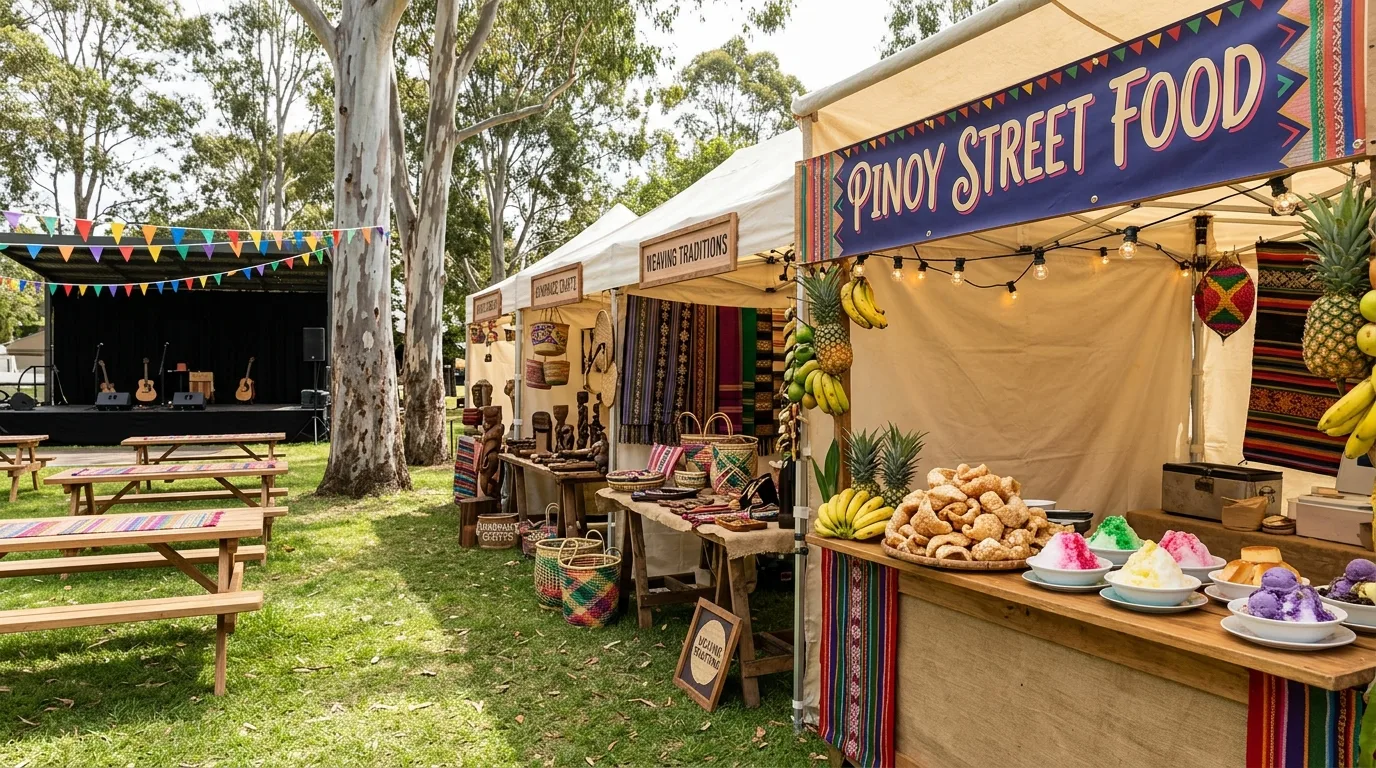
One of the primary attractions of these festivals is their ability to showcase the extraordinary diversity of Philippine culture. The Philippines is composed of thousands of islands and numerous cultural groups, each with distinct traditions, languages, artistic expressions, and culinary practices. Festival organizers frequently highlight this diversity by presenting regional dances, music, traditional clothing, handicrafts, and food specialties from different parts of the country. Visitors gain exposure to a broad range of cultural experiences that reflect the richness and complexity of Filipino identity.
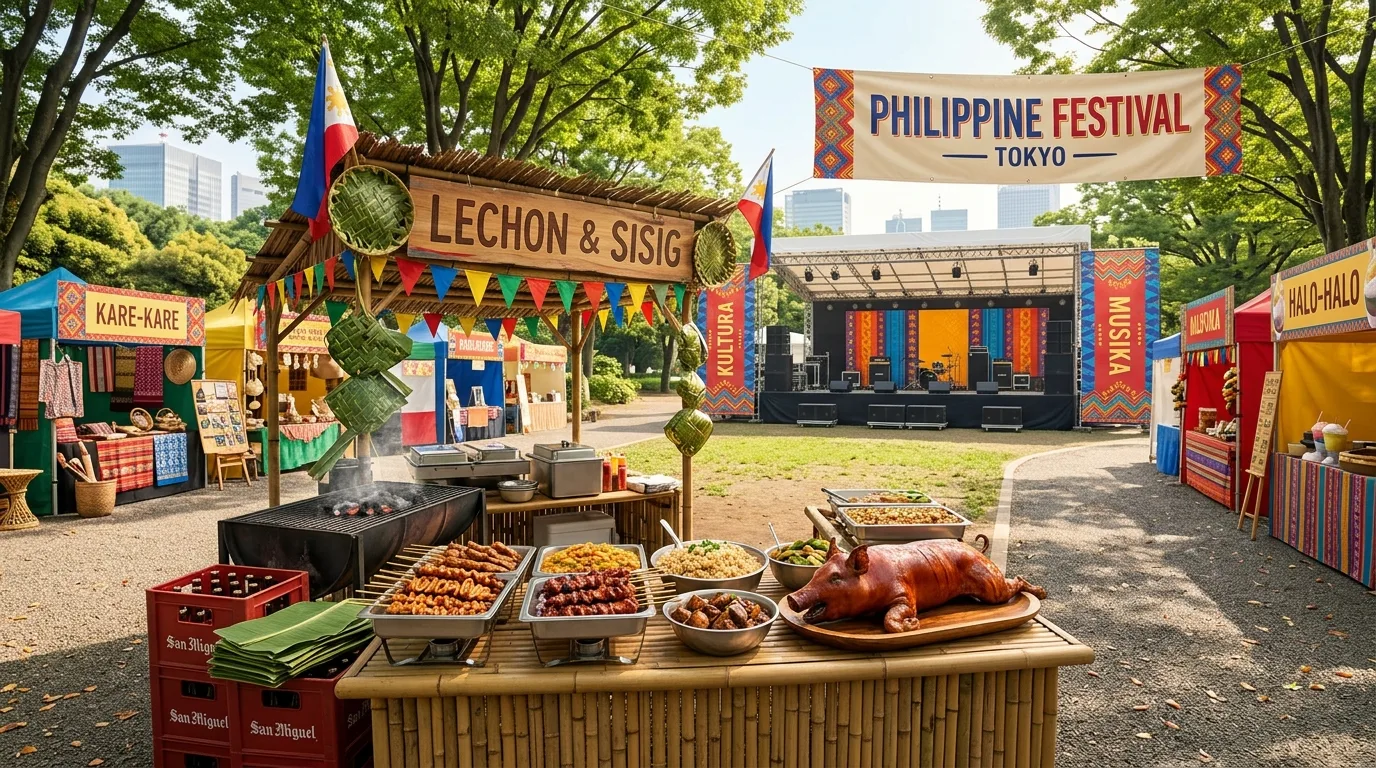
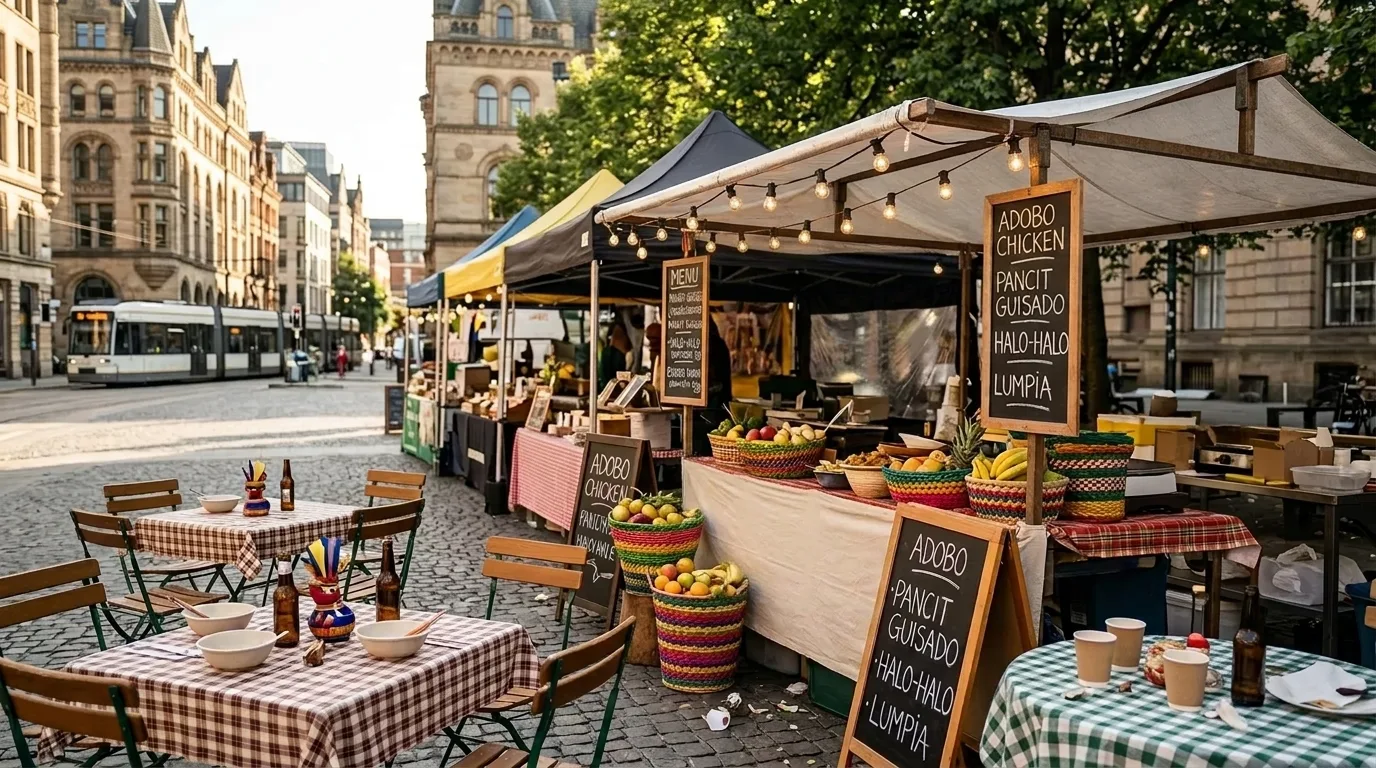
Food remains one of the most popular components of Global Pinoy festivals. Filipino cuisine has experienced a surge in international recognition, and festival attendees often view culinary experiences as an accessible and enjoyable way to learn about Philippine culture. Food vendors offer a wide variety of traditional dishes and regional specialties that introduce visitors to the flavors and traditions of the Philippines. Organizers report that food areas consistently attract some of the largest crowds at festivals, with many attendees specifically seeking opportunities to explore Filipino culinary heritage.
The increasing popularity of Filipino food globally has contributed significantly to festival growth. Dishes such as adobo, lechon, pancit, lumpia, sinigang, kare-kare, and halo-halo have become familiar to many international audiences. Culinary demonstrations, cooking competitions, and food-tasting activities provide additional opportunities for engagement and education. Festival organizers frequently collaborate with chefs, restaurateurs, and culinary entrepreneurs to create experiences that celebrate both traditional and contemporary Filipino cuisine.
Cultural performances continue to serve as major highlights of Global Pinoy festivals. Traditional folk dances, indigenous presentations, choral performances, contemporary music, and cultural showcases attract large audiences and generate strong community participation. These performances often tell stories about Philippine history, regional traditions, daily life, and cultural values. Through music and dance, performers help audiences develop a deeper appreciation for the artistic heritage of the Philippines while creating memorable and engaging experiences.
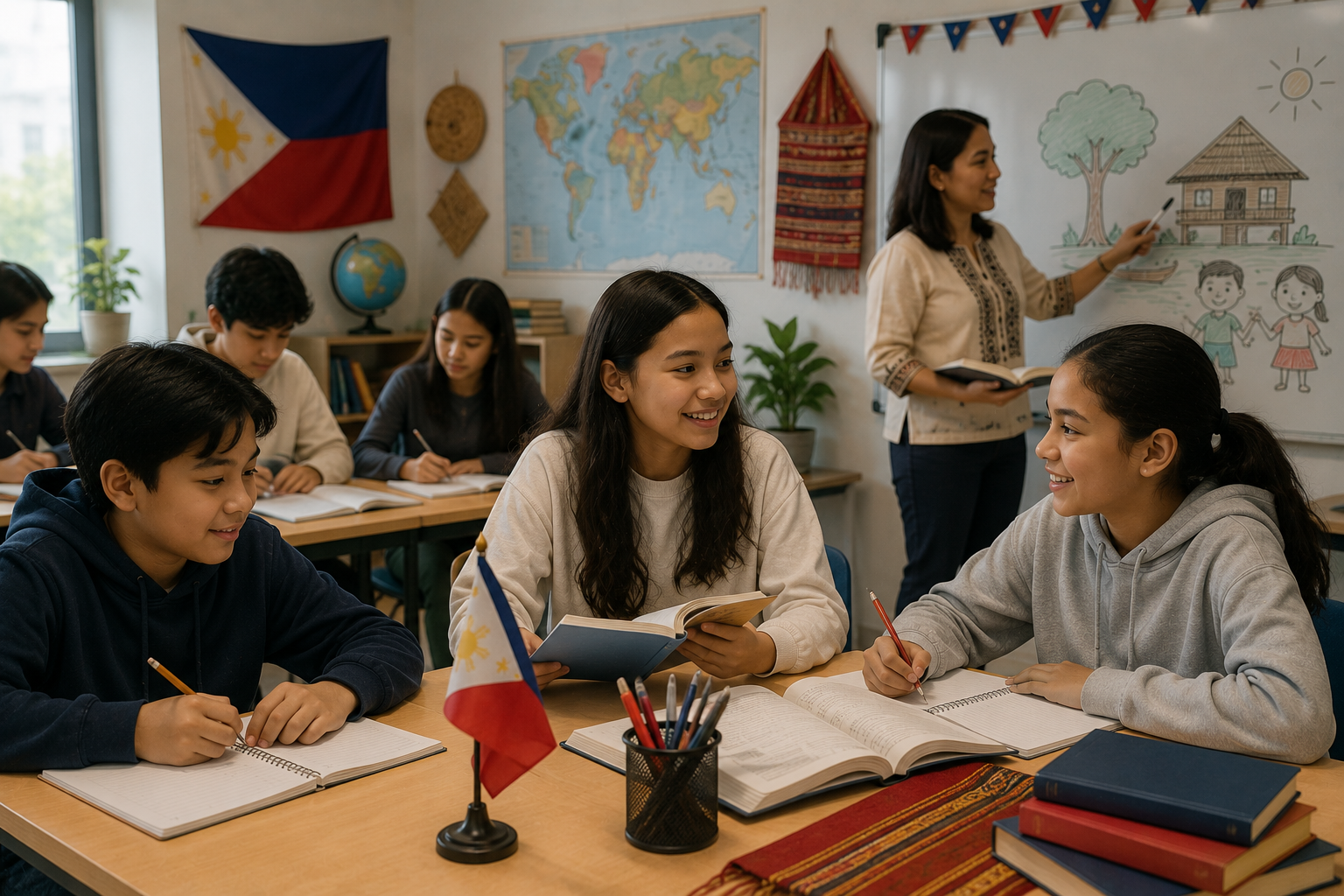
Many festivals also emphasize cultural education as a central objective. Exhibits, workshops, historical presentations, language programs, and interactive activities help attendees understand the historical and cultural significance of various traditions. Community leaders believe education plays an essential role in ensuring that younger generations remain connected to their heritage while helping non-Filipino attendees gain meaningful insights into Philippine culture. Educational initiatives often focus on themes such as migration, history, community development, and cultural preservation.
Youth participation has become increasingly important to the success of Global Pinoy festivals. Young Filipinos are assuming leadership roles in event planning, marketing, volunteer coordination, and cultural programming. Their involvement introduces fresh ideas and innovative approaches that help festivals remain relevant to contemporary audiences. Community leaders frequently emphasize that youth engagement is critical to the long-term sustainability of cultural preservation efforts. By actively participating in festival activities, younger generations develop stronger connections to their heritage and gain valuable leadership experience.
Technology has dramatically expanded the reach of Filipino festivals. Social media platforms, livestream broadcasts, digital content creation, and online community networks enable festivals to connect with audiences around the world. Events that once served primarily local communities now attract virtual participants from multiple countries. Festival organizers use digital tools to promote activities, engage supporters, and share cultural content with broader audiences. The visibility created through social media has played a significant role in attracting new attendees and increasing public awareness of Filipino cultural events.
The economic impact of Global Pinoy festivals has also become increasingly significant. Large-scale events generate opportunities for local businesses, food vendors, artists, performers, artisans, and service providers. Many entrepreneurs rely on festivals as platforms to introduce products and services to new customers. Community organizations often use festival proceeds to support scholarships, charitable initiatives, educational programs, and cultural preservation projects. The economic benefits associated with these events contribute to both community development and local business growth.
Tourism stakeholders have also recognized the value of Global Pinoy festivals as tools for promoting the Philippines internationally. Visitors who attend Filipino cultural events frequently develop interest in learning more about Philippine destinations, traditions, and experiences. Tourism advocates view these festivals as informal ambassadors that inspire curiosity and encourage travel to the Philippines. Cultural festivals provide authentic introductions to the country's heritage while highlighting the warmth and hospitality associated with Filipino communities.
The role of volunteerism remains central to the success of many festivals. Hundreds of volunteers often contribute time and expertise to planning, organizing, and executing major events. Their efforts reflect the enduring Filipino value of bayanihan, which emphasizes cooperation and collective action. Community leaders note that volunteer participation strengthens social bonds while reinforcing shared commitments to cultural preservation and community service.
International partnerships and collaborations have also contributed to festival growth. Cultural institutions, local governments, educational organizations, and multicultural associations increasingly recognize the value of Filipino festivals as contributors to cultural diversity and community engagement. Partnerships often provide resources, venues, promotional support, and opportunities for collaboration that help expand the reach and impact of events. These relationships strengthen connections between Filipino communities and broader society while promoting intercultural understanding.
Another factor contributing to growing attendance is the increasing interest in authentic cultural experiences. Modern audiences are often seeking opportunities to engage directly with traditions, communities, and heritage rather than simply consuming entertainment. Global Pinoy festivals provide immersive experiences that combine education, culture, food, music, and community interaction. This combination appeals to visitors interested in meaningful cultural exchange and exploration.
Many organizers report that festival attendees often return year after year, creating traditions that strengthen community continuity and engagement. Families introduce younger generations to cultural practices, community members reconnect with friends and relatives, and new visitors discover aspects of Filipino culture for the first time. These recurring experiences help build lasting relationships while reinforcing the importance of cultural celebration within community life.
The future of Global Pinoy festivals appears exceptionally promising. Continued growth in overseas Filipino populations, increasing global interest in Filipino culture, expanding digital engagement, and strong community participation provide favorable conditions for further expansion. Organizers are exploring new formats, larger venues, enhanced programming, and international collaborations designed to create even more engaging and inclusive experiences.
Cultural preservation advocates view the success of these festivals as evidence that Filipino heritage remains vibrant and resilient despite geographic distance from the homeland. Festivals demonstrate that culture is not static but evolves through active participation, creativity, and community engagement. By adapting traditions to new environments while maintaining their core values, overseas Filipino communities continue to strengthen cultural identity and promote meaningful connections across generations.
Ultimately, the record crowds attending Global Pinoy festivals reflect the enduring appeal of Filipino culture and the powerful sense of community shared by Filipinos around the world. Through food, music, dance, education, and celebration, these events create opportunities for cultural exchange while fostering pride, understanding, and unity. They showcase the best of the Philippines to international audiences while reminding Filipinos everywhere of the traditions, values, and experiences that connect them to one another.
As Global Pinoy festivals continue to grow in scale and influence, they are helping position Filipino culture as an increasingly visible and celebrated part of the international cultural landscape. Their success demonstrates that cultural heritage remains a powerful force capable of bringing people together, building bridges between communities, and inspiring appreciation for the diversity and richness of the Filipino experience around the world.
Enjoyed this story?
Share this story