Global Pinoy Gatherings Highlight Regional Philippine Cuisine and Traditions
Share
June 08, 2026
Updated Oct 15, 2026
7 min read
320 views
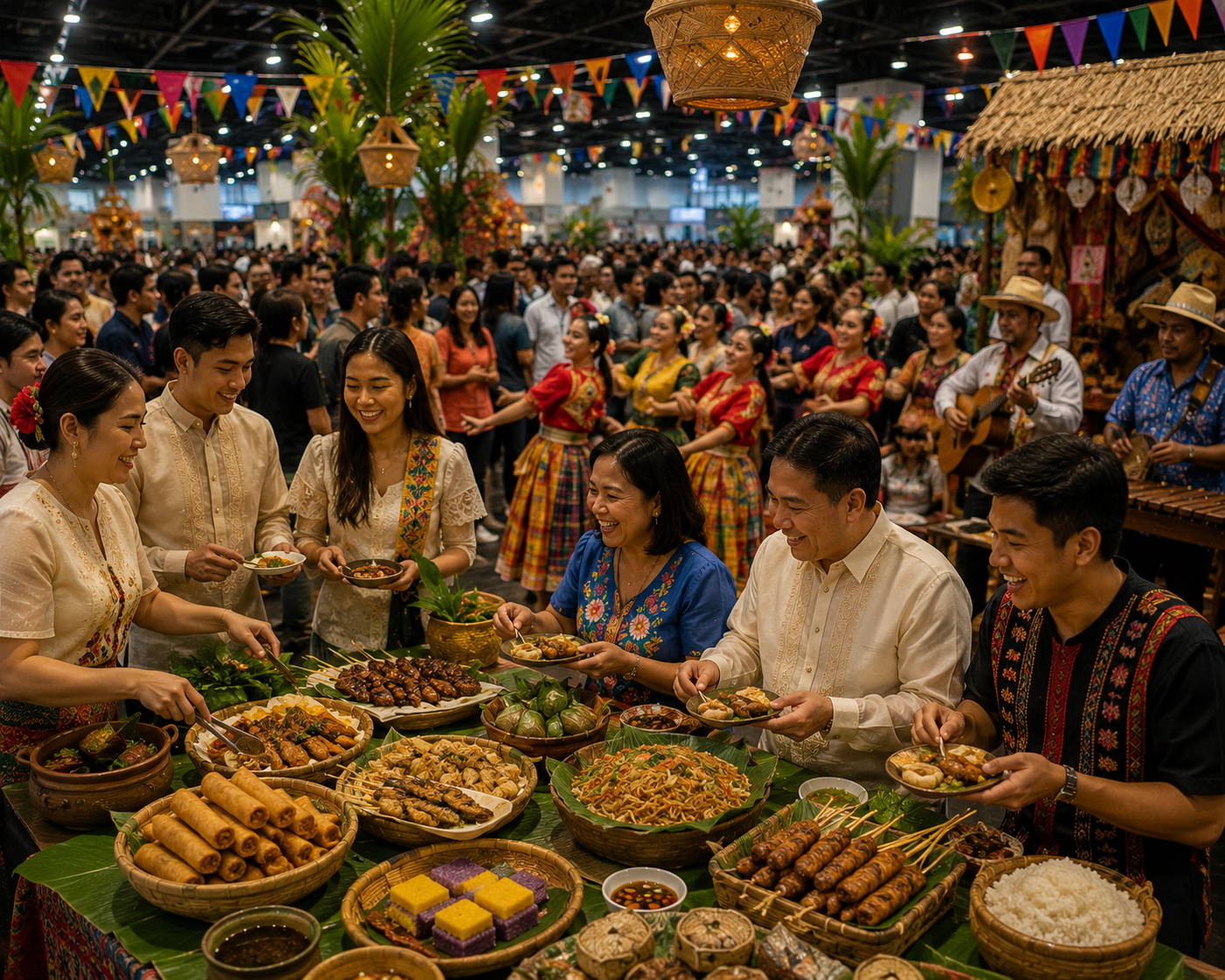
MANILA, Philippines — Global Pinoy gatherings are increasingly becoming vibrant celebrations of regional Philippine cuisine and cultural traditions as overseas Filipino communities around the world organize events that showcase the rich diversity of the country's heritage. Through food festivals, cultural fairs, heritage celebrations, community reunions, and multicultural events, Filipinos abroad are creating opportunities to preserve traditions, strengthen cultural identity, and introduce international audiences to the unique flavors and customs that define different regions of the Philippines.
As Filipino communities continue to grow across North America, Europe, Australia, Asia, and the Middle East, community leaders have recognized the importance of preserving cultural traditions while fostering a deeper understanding of the country's regional diversity. While many international audiences are familiar with iconic Filipino dishes and cultural symbols, Global Pinoy gatherings provide opportunities to explore the broader spectrum of traditions that exist across the Philippine archipelago. These events celebrate not only national identity but also the distinctive histories, cuisines, languages, and customs that contribute to the richness of Filipino culture.
Community organizers often describe these gatherings as cultural bridges that connect Filipinos living abroad with their roots. For many participants, especially younger generations born or raised outside the Philippines, these events provide meaningful opportunities to learn about the traditions and stories associated with their families' home provinces and regions. Through interactive experiences that combine food, music, dance, storytelling, and education, attendees gain deeper appreciation for the diversity that exists within Filipino identity.
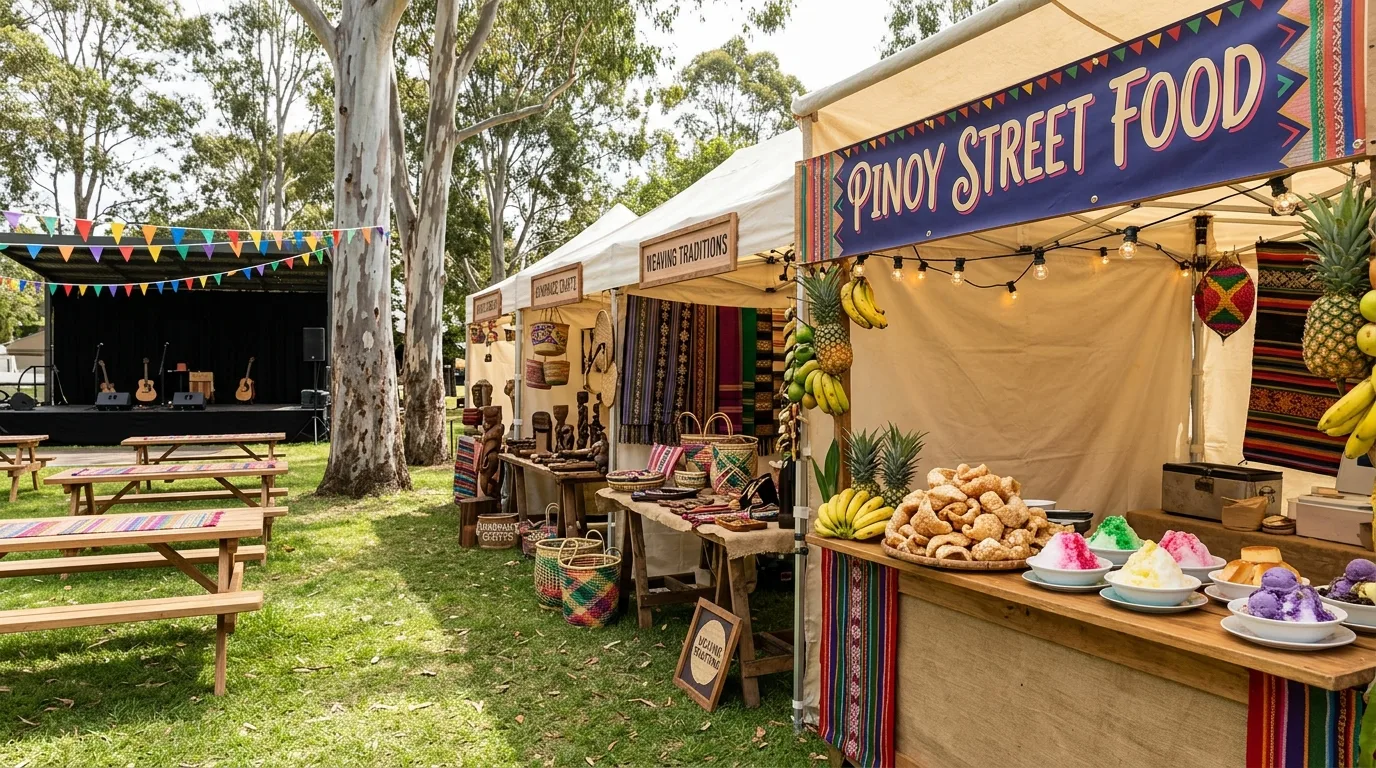
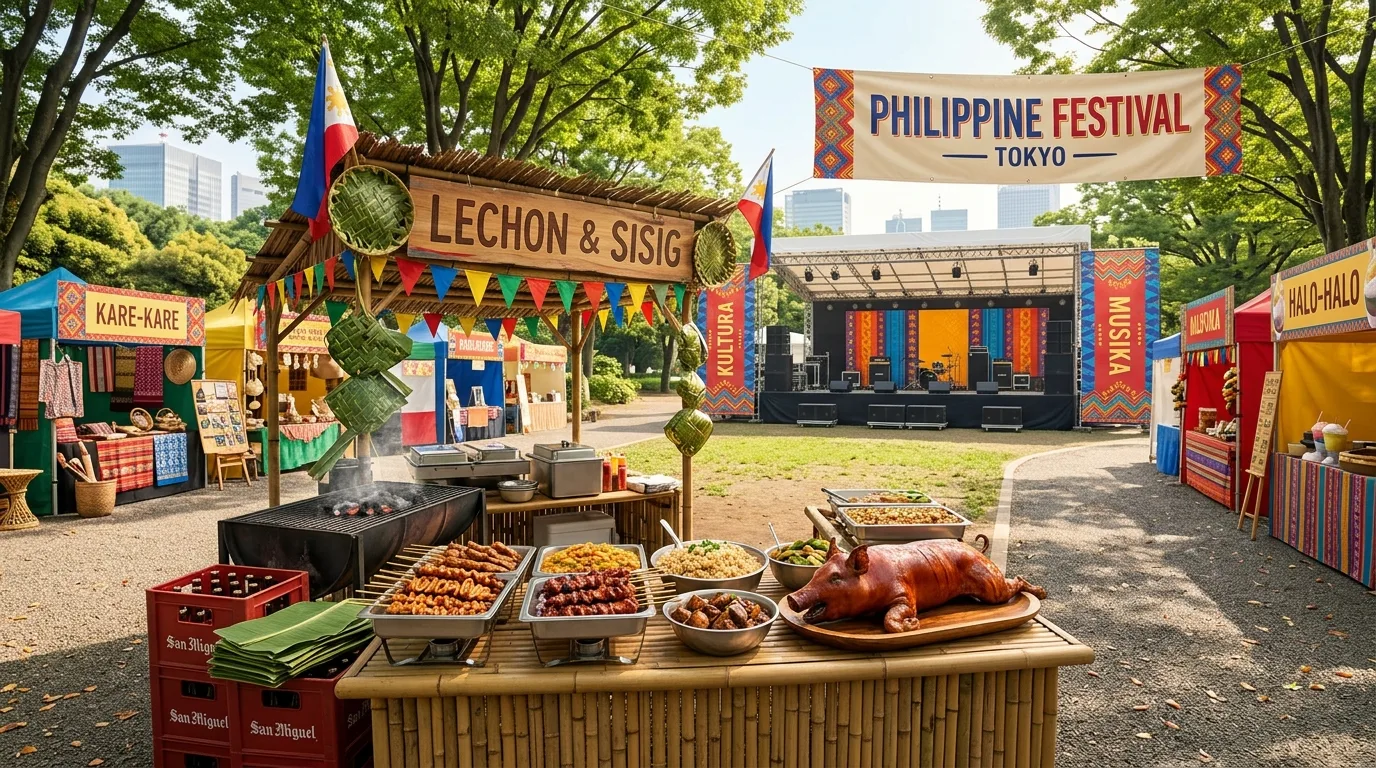
Food remains the centerpiece of many Global Pinoy gatherings. Philippine cuisine is renowned for its variety, reflecting centuries of cultural exchange, geographic diversity, and local innovation. Each region of the country offers distinctive dishes, ingredients, preparation methods, and culinary traditions that reflect local history and environmental conditions. Community festivals often feature food stations representing different regions, allowing attendees to experience a culinary journey across the Philippines without leaving their host country.
Regional specialties from Luzon, Visayas, and Mindanao frequently attract strong interest from both Filipinos and non-Filipinos. Attendees have opportunities to sample dishes that may be unfamiliar even to fellow Filipinos from other regions. Organizers emphasize that food serves as an accessible and engaging way to introduce people to cultural diversity while creating opportunities for conversation and storytelling. Every dish carries with it a history that reflects local customs, family traditions, and community experiences.
Many community members take pride in sharing family recipes that have been passed down through generations. These recipes often represent more than culinary traditions; they embody memories, relationships, and cultural values. During gatherings, elders frequently share stories about how certain dishes are prepared, the occasions on which they are traditionally served, and the significance they hold within local communities. These interactions help preserve cultural knowledge while strengthening intergenerational connections.
Cultural performances are another major feature of Global Pinoy gatherings. Traditional dances, musical presentations, folk songs, and artistic showcases provide opportunities to highlight regional identities and artistic traditions. Dance groups often perform routines inspired by local customs, historical events, and indigenous practices. Through these performances, audiences gain visual and emotional insights into the diverse cultural landscapes that exist throughout the Philippines.
Music plays a particularly important role in bringing communities together. Traditional instruments, regional songs, and contemporary interpretations of cultural themes help create engaging experiences that resonate across generations. Performers frequently blend traditional and modern elements, demonstrating how cultural heritage continues to evolve while remaining connected to its roots. Organizers note that music serves as a powerful tool for fostering emotional connections and cultural pride.
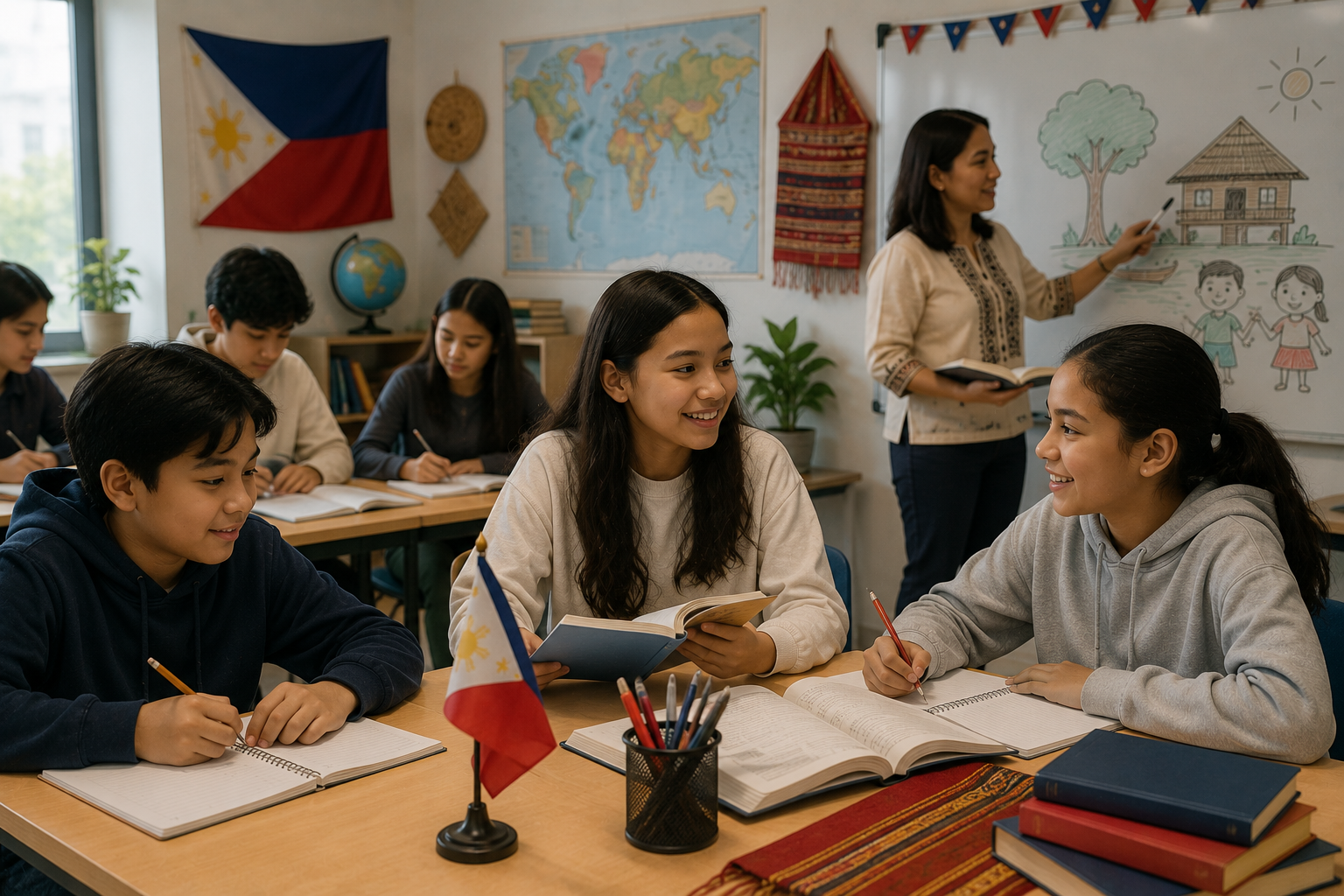
Educational activities have become increasingly important components of community gatherings. Heritage exhibits, cultural workshops, language demonstrations, and historical presentations help attendees develop a deeper understanding of Philippine traditions. These programs often focus on topics such as migration history, indigenous cultures, regional identities, local crafts, and community achievements. Community leaders believe that education is essential for ensuring that cultural traditions remain meaningful and relevant for future generations.
Second-generation Filipinos are among the primary beneficiaries of these educational efforts. Growing up in multicultural societies can sometimes create distance from ancestral traditions, making opportunities for cultural engagement especially valuable. Community gatherings provide spaces where young people can explore their heritage in positive and supportive environments. Through participation in cultural activities, they develop stronger connections to their roots while gaining a greater appreciation for the diversity of Filipino identity.
Technology has significantly expanded the reach and impact of Global Pinoy gatherings. Social media platforms, livestream broadcasts, digital storytelling projects, and online communities allow events to engage audiences far beyond their physical locations. Organizers use digital tools to share cultural content, promote educational initiatives, and connect with participants around the world. This increased visibility helps strengthen global Filipino networks while introducing Philippine culture to broader audiences.
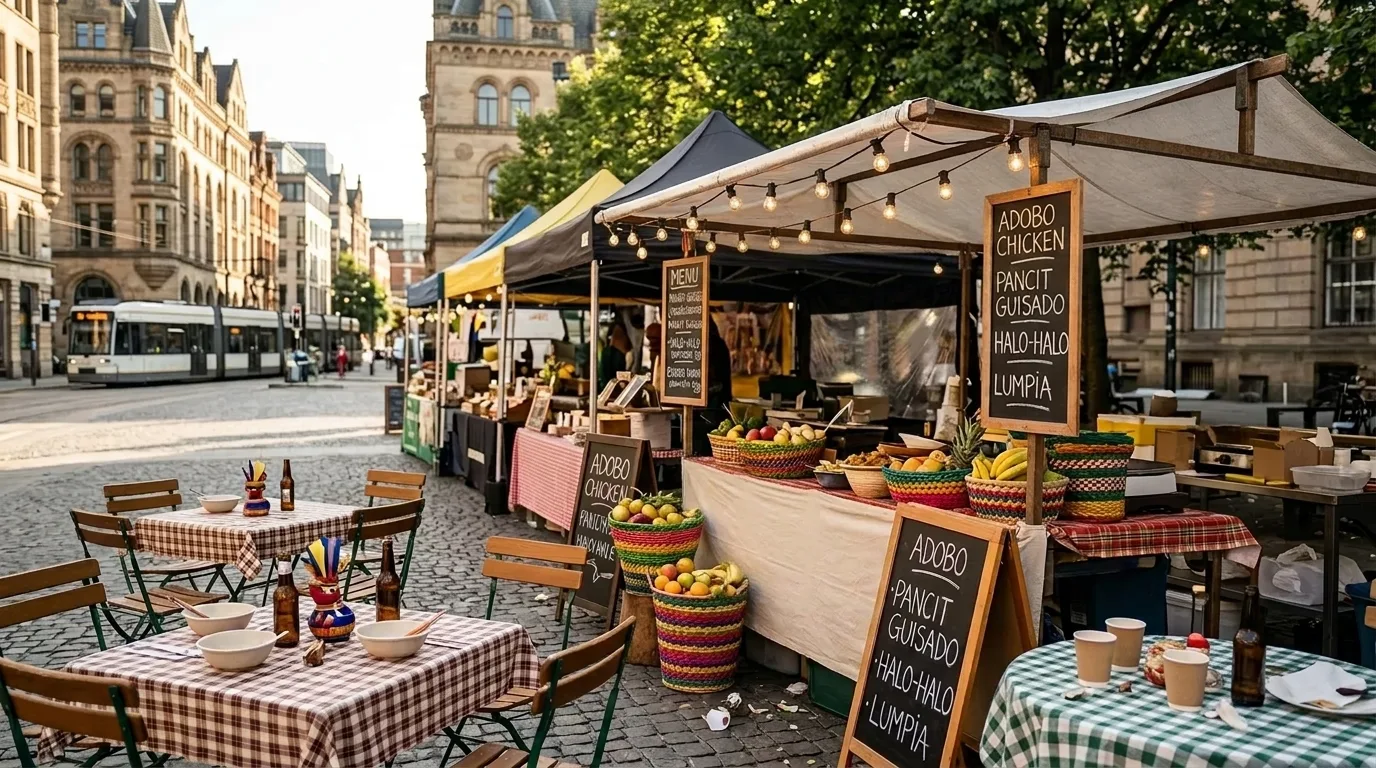
The popularity of Filipino cuisine internationally has also contributed to the success of these gatherings. As Filipino restaurants, food businesses, and culinary influencers gain recognition worldwide, interest in regional Philippine food traditions continues to grow. Many attendees arrive at community events eager to learn more about the origins and cultural significance of dishes they have encountered through restaurants, media, or social networks. Organizers view this growing interest as an opportunity to deepen cultural understanding while promoting culinary heritage.
Entrepreneurs and small business owners often play important roles in community festivals. Food vendors, artisans, designers, performers, and cultural organizations benefit from opportunities to showcase products and services while connecting with potential customers and supporters. Community leaders emphasize that these events contribute not only to cultural preservation but also to economic activity and entrepreneurship within overseas Filipino communities.
The spirit of bayanihan is evident throughout many Global Pinoy gatherings. Volunteers dedicate significant time and effort to planning events, coordinating activities, preparing food, organizing performances, and supporting participants. Their collective contributions reflect traditional Filipino values centered on cooperation, generosity, and community responsibility. Organizers often cite volunteerism as one of the key factors behind the continued success and growth of cultural celebrations worldwide.
Many gatherings also serve charitable and community-focused purposes. Fundraising initiatives, scholarship programs, outreach projects, and humanitarian efforts are frequently incorporated into event programming. Community members recognize that cultural celebration and social responsibility can work hand in hand, creating opportunities to support meaningful causes while strengthening cultural identity. These activities reinforce values that have long been central to Filipino communities.
The multicultural nature of many host countries creates valuable opportunities for cultural exchange. Non-Filipino attendees are often drawn to events by their interest in food, music, and cultural experiences. Community leaders view these interactions as opportunities to promote understanding, respect, and appreciation among different cultural groups. Through shared experiences, participants develop greater awareness of Philippine culture while building relationships that transcend cultural boundaries.
Local governments, educational institutions, and cultural organizations increasingly recognize the value of Global Pinoy gatherings. Partnerships with these entities often provide additional resources, visibility, and support that help expand the reach of community events. Such collaborations contribute to broader goals related to multicultural engagement, cultural preservation, and community development.
The growing success of these gatherings reflects a broader trend toward cultural celebration within global Filipino communities. Rather than allowing traditions to fade over time, community leaders and participants are actively finding new ways to preserve and share their heritage. By embracing both traditional practices and modern technologies, they are ensuring that cultural traditions remain accessible and relevant to contemporary audiences.
Looking ahead, organizers anticipate continued growth in both the scale and impact of Global Pinoy gatherings. Increased participation from younger generations, stronger digital engagement, expanding partnerships, and growing international interest in Filipino culture provide favorable conditions for future development. New programs, educational initiatives, and cultural collaborations are expected to further strengthen community engagement and cultural preservation efforts.
Ultimately, Global Pinoy gatherings demonstrate the enduring strength and diversity of Filipino culture. Through food, music, dance, education, and community participation, these events celebrate the many regional traditions that contribute to the nation's rich cultural heritage. They provide opportunities for Filipinos abroad to reconnect with their roots while sharing the beauty and diversity of Philippine culture with the world.
As overseas Filipino communities continue to thrive, these gatherings will remain important platforms for preserving traditions, fostering pride, and strengthening cultural connections across generations and borders. By highlighting regional cuisine and customs, they remind participants that Filipino identity is both diverse and united, rooted in shared values while enriched by the unique traditions of countless communities throughout the Philippines.
Enjoyed this story?
Share this story