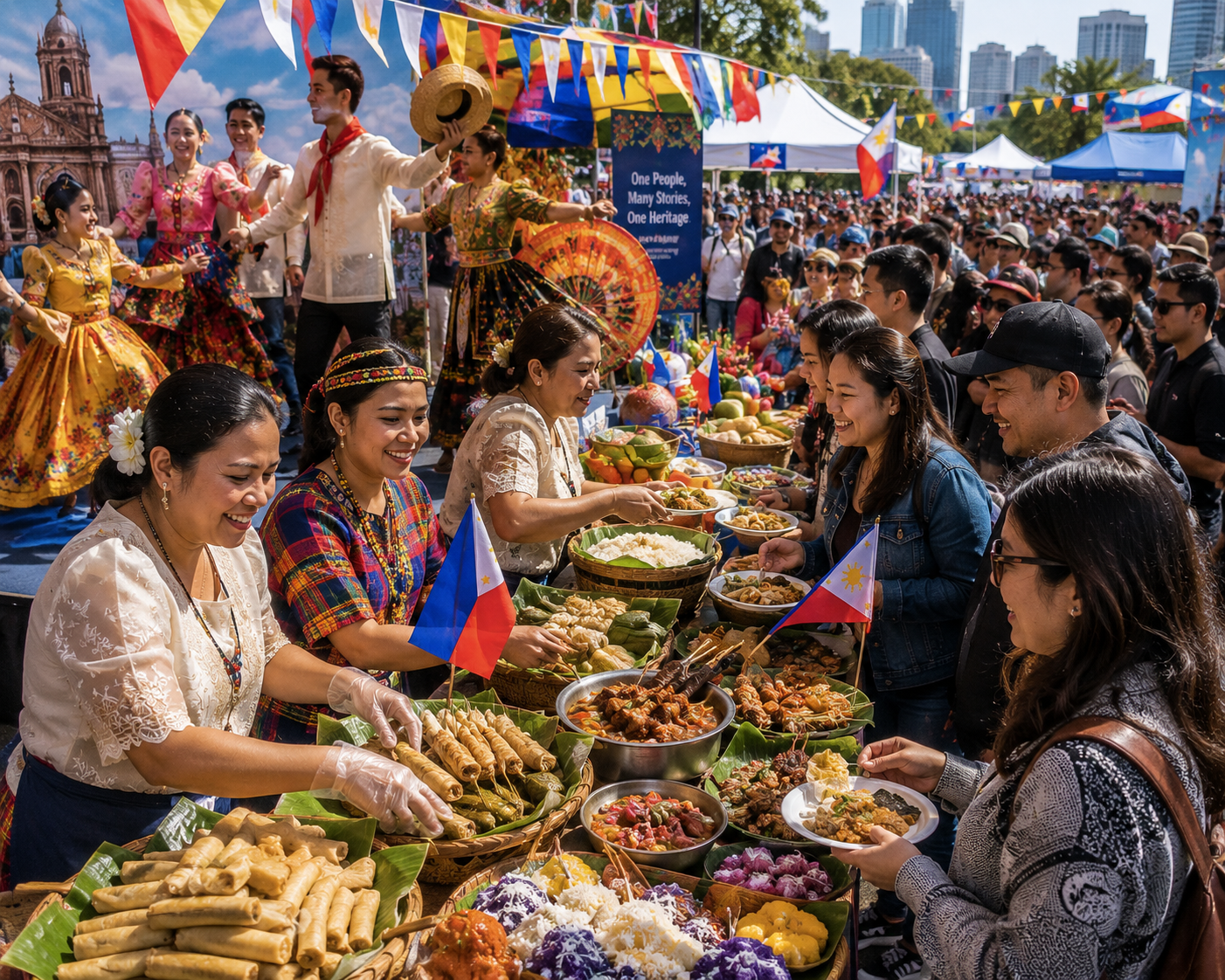
Global Pinoy Gatherings Showcase Regional Philippine Cuisine and Traditions
Share
June 17, 2026
Updated Oct 15, 2026
7 min read
240 views
MANILA, Philippines — Filipino communities around the world are increasingly organizing large-scale cultural gatherings that celebrate the richness and diversity of regional Philippine cuisine and traditions. These events, which are taking place across North America, Europe, Australia, Asia, and the Middle East, are providing meaningful opportunities for Overseas Filipinos to reconnect with their heritage while introducing international audiences to the unique cultural identities that exist across the Philippine archipelago.
As the global Filipino population continues to grow, community leaders have placed greater emphasis on preserving cultural traditions and promoting a deeper understanding of Philippine heritage among younger generations. Global Pinoy gatherings have emerged as important cultural platforms that bring together families, organizations, artists, entrepreneurs, and cultural advocates who share a common goal of celebrating and preserving Filipino identity. Through food, music, dance, storytelling, and community activities, these gatherings help strengthen cultural connections while highlighting the diversity that makes Philippine culture unique.
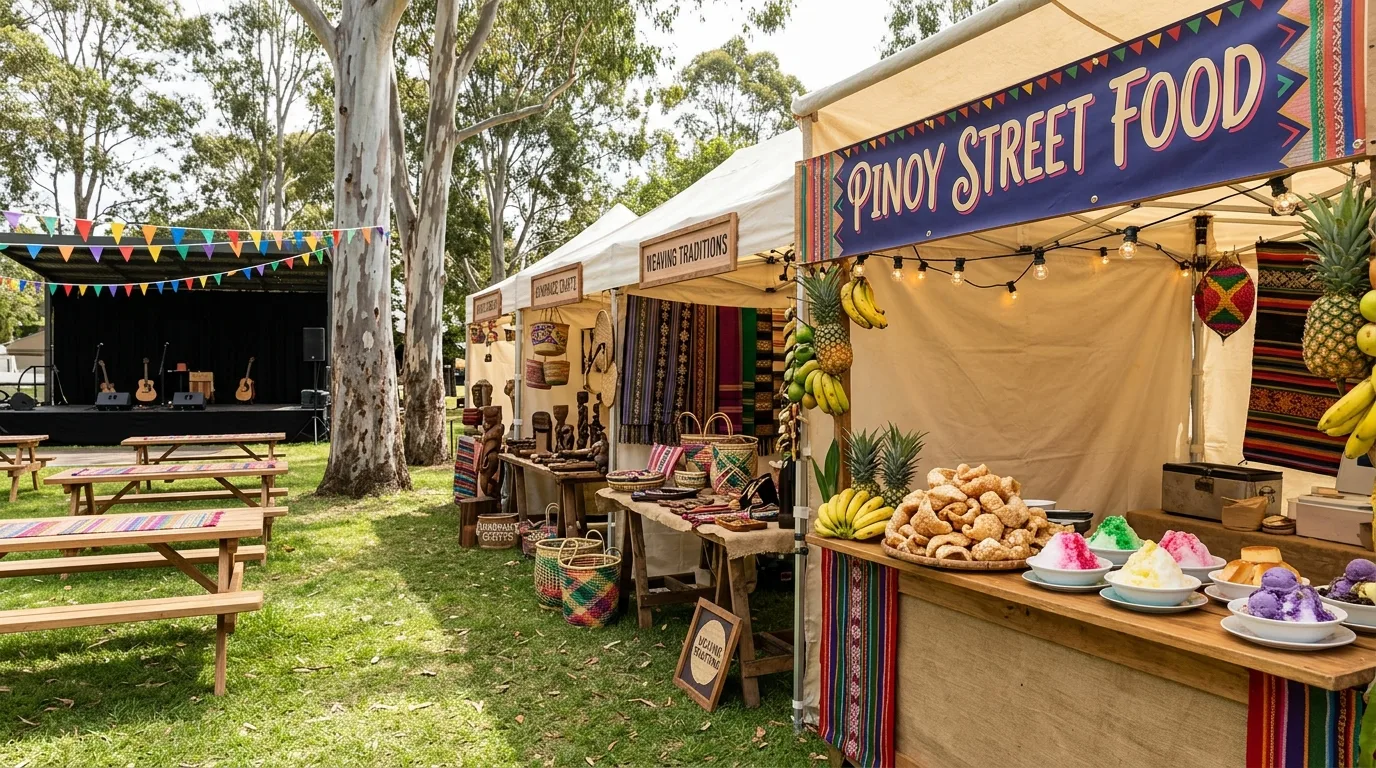
One of the most popular features of these gatherings is the celebration of regional cuisine. The Philippines is known for its rich culinary landscape, shaped by centuries of history, geography, trade, migration, and local innovation. Each region offers distinct flavors, ingredients, and cooking traditions that reflect local customs and ways of life. Global Pinoy events frequently showcase dishes from various provinces and regions, allowing attendees to experience the culinary diversity of the country without leaving their host communities.
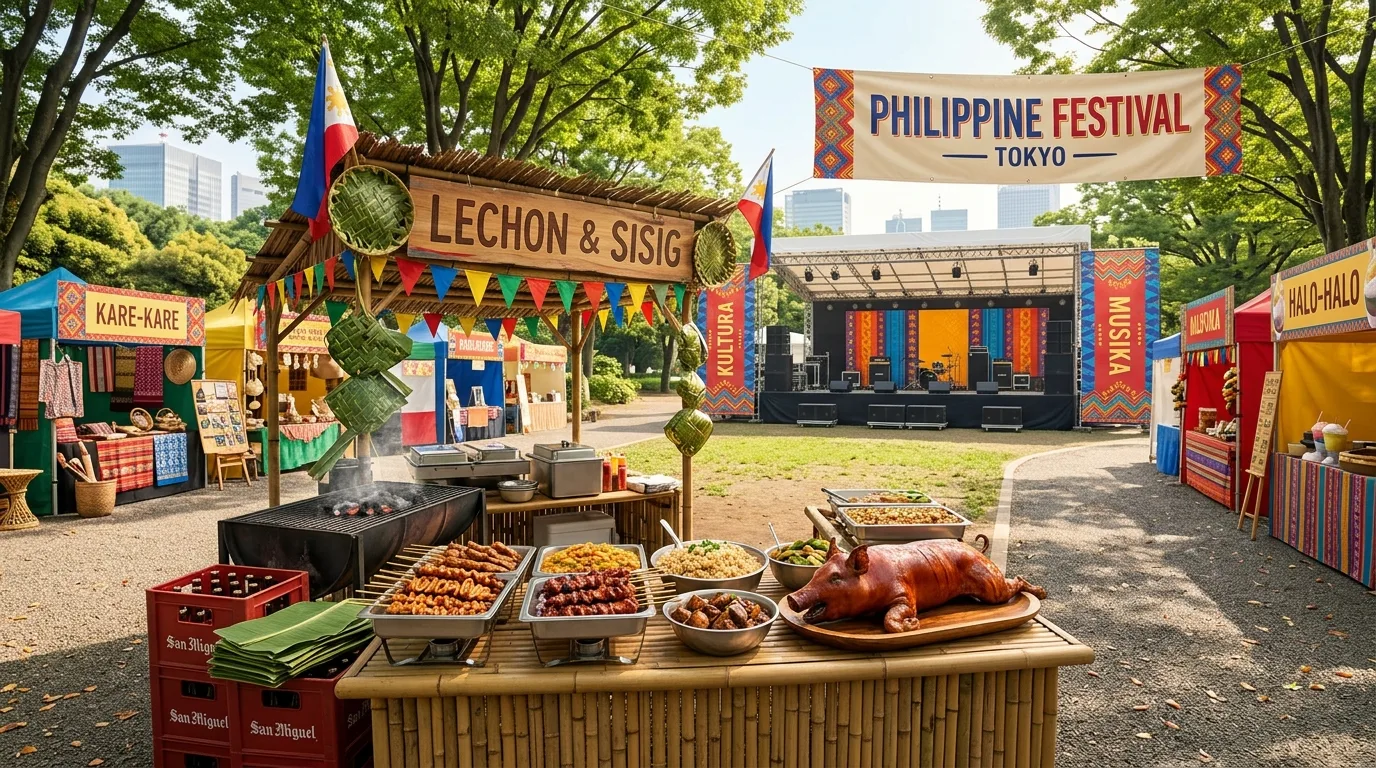
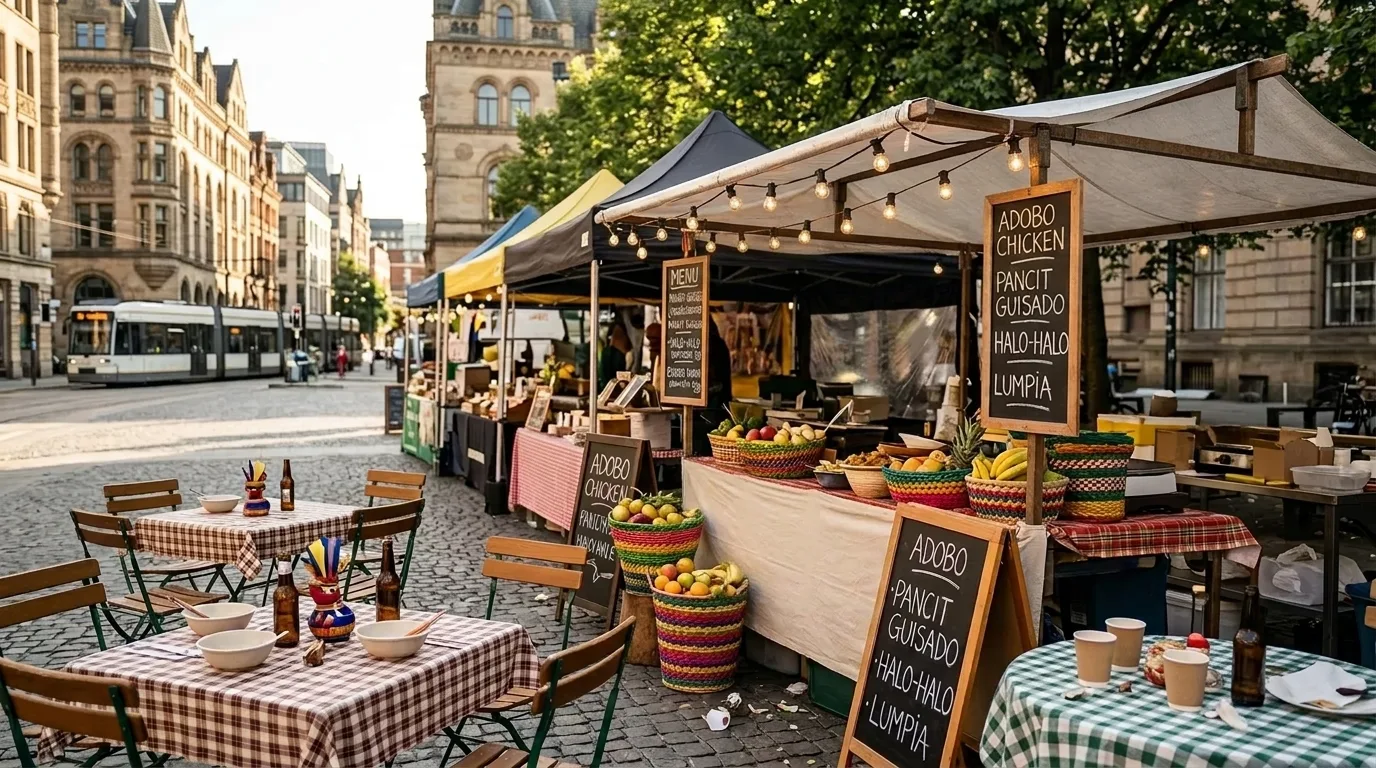
Visitors often enjoy tasting iconic dishes from Luzon, including adobo, pancit, kare-kare, and longganisa, alongside delicacies that reflect the traditions of specific provinces. Culinary demonstrations and food exhibits provide opportunities to learn about the historical and cultural significance of these dishes while highlighting the creativity and resourcefulness of Filipino cooking traditions. Organizers note that food serves as one of the most effective ways to introduce people to culture because it creates memorable experiences that encourage curiosity and engagement.
The Visayas region is also prominently featured in many cultural gatherings. Traditional dishes such as lechon, batchoy, chicken inasal, and various seafood specialties attract considerable interest from attendees eager to explore regional flavors. Festival organizers often invite community cooks, chefs, and culinary enthusiasts to prepare authentic regional dishes while sharing stories about the traditions and celebrations associated with them. These experiences help preserve culinary knowledge while encouraging appreciation for regional diversity.
Mindanao's rich cultural and culinary heritage is increasingly gaining recognition at international Filipino gatherings. Traditional dishes, indigenous cooking methods, and Muslim Filipino culinary influences contribute to a broader understanding of the country's cultural complexity. Organizers emphasize the importance of ensuring that all regions of the Philippines are represented in cultural celebrations, helping audiences appreciate the many communities that contribute to the nation's identity.
Beyond food, cultural traditions are central to the success of Global Pinoy gatherings. Traditional dances, folk music performances, indigenous cultural presentations, and regional artistic expressions are frequently incorporated into festival programs. These performances showcase the diversity of Philippine cultural traditions while educating audiences about the histories and communities behind them. Cultural advocates believe that artistic presentations play an important role in preserving heritage and promoting intercultural understanding.
Many gatherings feature performances of traditional dances such as Tinikling, Singkil, Pandanggo sa Ilaw, and Maglalatik, each representing different aspects of Philippine culture and history. Audiences are often captivated by the colorful costumes, rhythmic movements, and cultural narratives that accompany these presentations. Organizers note that dance remains one of the most effective ways to communicate cultural stories and values across generations and cultural boundaries.
Music serves as another important component of these events. Filipino musicians, choirs, and cultural ensembles frequently perform traditional and contemporary works that reflect regional identities and artistic traditions. Through music, audiences gain insight into the emotional and cultural experiences of different Filipino communities while enjoying performances that celebrate creativity and cultural pride.
The participation of artisans and craft makers has also become increasingly important at Global Pinoy gatherings. Exhibits featuring traditional weaving, wood carving, embroidery, basketry, jewelry-making, and visual arts provide opportunities for attendees to learn about Philippine craftsmanship and creative heritage. These displays often highlight the work of artisans whose skills have been passed down through generations, emphasizing the importance of preserving traditional knowledge and artistic practices.
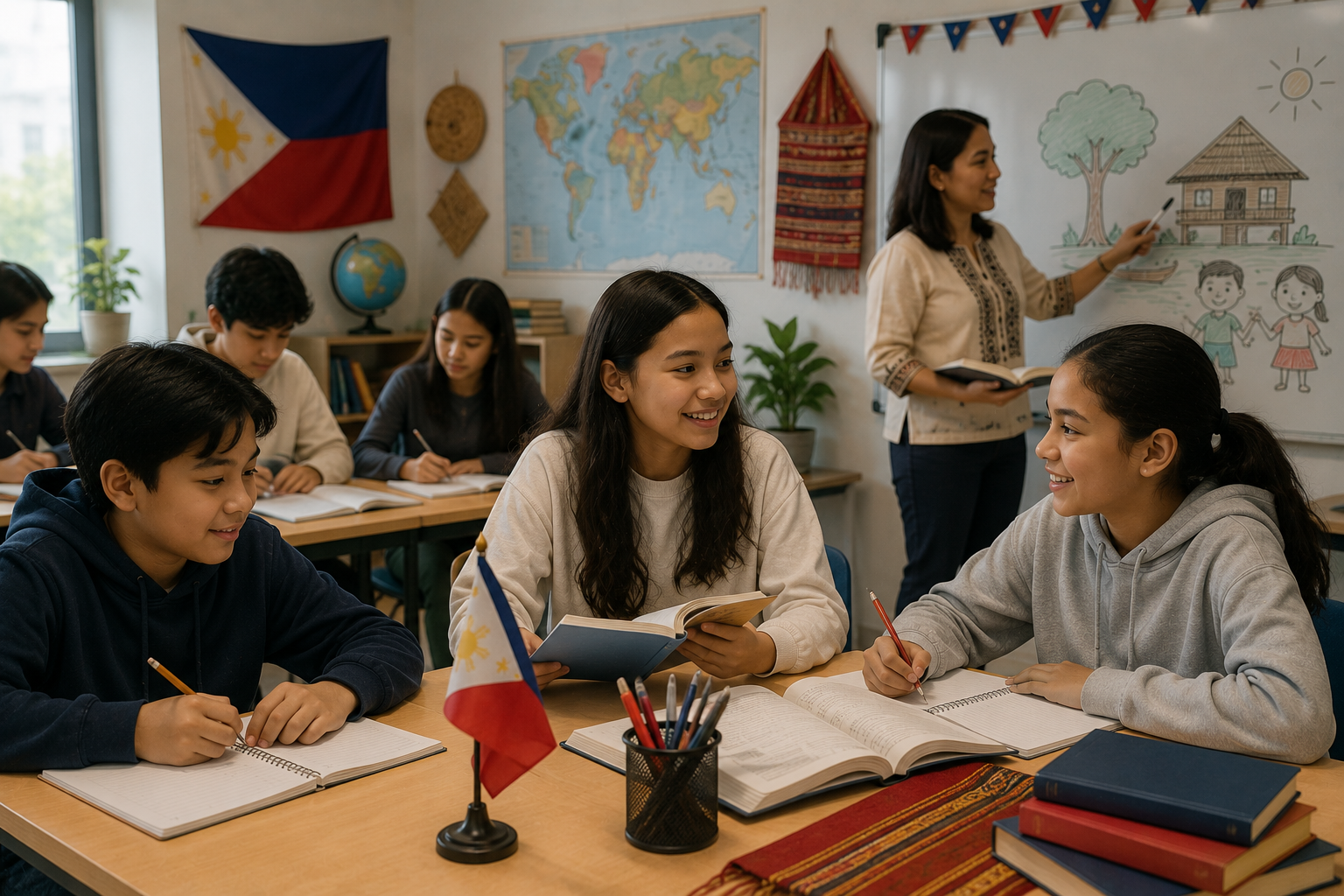
Educational exhibits and cultural workshops are becoming more common as organizers seek to create deeper learning experiences for attendees. Interactive sessions on Philippine history, indigenous cultures, traditional languages, regional customs, and cultural practices help visitors gain a broader understanding of the country's diversity. Community leaders believe that educational programming strengthens cultural awareness while encouraging meaningful engagement with heritage.
For second-generation and third-generation Filipinos living abroad, these gatherings often serve as important opportunities to reconnect with their cultural roots. Many young Filipinos may have limited exposure to regional traditions in their everyday lives, making festivals and cultural events valuable sources of learning and identity formation. Community advocates emphasize that cultural preservation depends on successfully engaging younger generations and providing opportunities for meaningful participation.
Technology has helped expand the reach and impact of Global Pinoy gatherings. Social media platforms, livestream events, digital storytelling projects, and online cultural communities allow organizers to engage audiences beyond physical event locations. These digital tools help preserve cultural content while making cultural experiences more accessible to Filipinos and non-Filipinos around the world.
The spirit of bayanihan remains a defining characteristic of many cultural gatherings. Volunteers, community organizations, businesses, and cultural groups often work together to plan and execute events that celebrate Filipino heritage. Organizers frequently describe these collaborative efforts as modern expressions of traditional Filipino values centered on cooperation, generosity, and community support.
Many festivals also serve as platforms for promoting Filipino entrepreneurship. Small businesses, food vendors, artisans, and community enterprises often participate in events to showcase products and services that reflect Filipino creativity and innovation. These opportunities contribute to local economic activity while supporting entrepreneurs who help sustain cultural traditions through their work.
The multicultural environments in which many of these gatherings take place create valuable opportunities for cultural exchange. Visitors from different backgrounds are invited to participate in activities, sample traditional foods, and learn about Filipino customs and traditions. Organizers believe that these interactions help strengthen intercultural understanding while promoting appreciation for diversity within broader communities.
Community leaders report that attendance at Global Pinoy gatherings continues to increase each year. The growing popularity of these events reflects strong interest among Filipinos abroad in maintaining cultural connections while sharing their heritage with others. The expansion of festival programming, increased community participation, and broader public engagement demonstrate the enduring relevance of cultural celebrations within overseas Filipino communities.
Many organizations are now exploring ways to further enhance future gatherings through expanded educational programs, youth leadership initiatives, cultural exchanges, and partnerships with cultural institutions. These efforts aim to ensure that cultural celebrations remain vibrant, inclusive, and relevant while adapting to the needs of evolving communities.
Cultural experts note that preserving regional traditions is particularly important because they represent the diversity and richness of the Philippine experience. While national identity remains important, regional cultures provide unique perspectives that contribute to a more complete understanding of Philippine heritage. Global Pinoy gatherings help ensure that these traditions continue to be celebrated and appreciated across generations and geographic boundaries.
The success of these cultural events demonstrates the enduring importance of heritage within overseas Filipino communities. Despite living far from their homeland, Filipinos continue to find meaningful ways to preserve traditions, strengthen community ties, and celebrate their cultural identity. Through food, art, music, education, and shared experiences, Global Pinoy gatherings create opportunities for connection, learning, and cultural pride.
As Filipino communities continue to expand around the world, these gatherings are expected to play an increasingly important role in cultural preservation and community building. Organizers remain committed to creating inclusive and engaging events that reflect the diversity of Philippine culture while fostering stronger connections among Filipinos and their host communities.
Ultimately, Global Pinoy gatherings serve as powerful reminders that culture remains a living and evolving force that connects people across distances, generations, and experiences. By showcasing regional Philippine cuisine and traditions, these events celebrate the many stories, customs, and identities that make up the Filipino experience. Through collective effort and cultural pride, overseas Filipino communities are ensuring that the richness of Philippine heritage continues to thrive and inspire future generations wherever they may call home.
Enjoyed this story?
Share this story