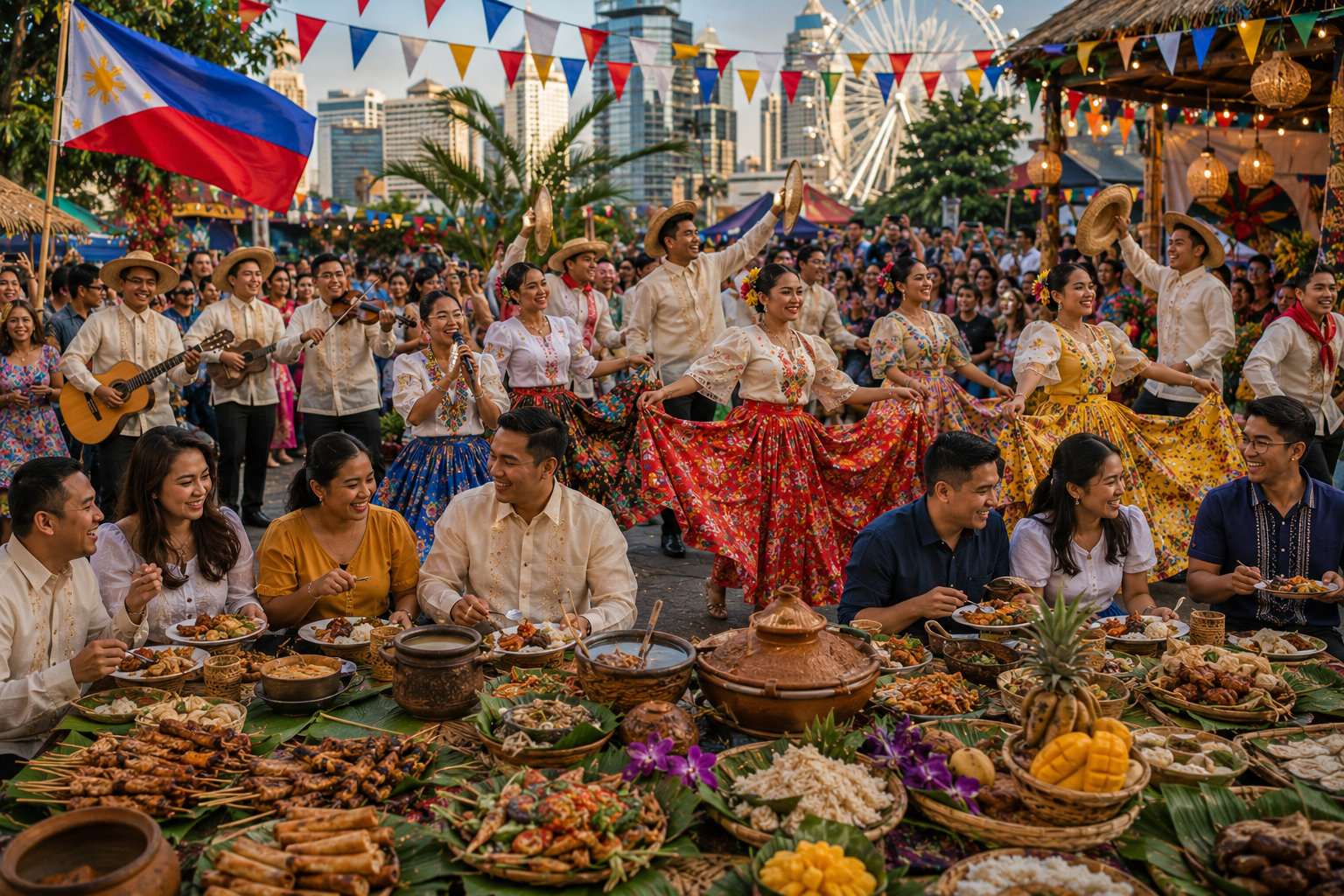
Global Pinoy Gatherings Showcase the Best of Philippine Food, Music, and Culture
Share
June 03, 2026
Updated Oct 16, 2026
7 min read
334 views
MANILA, Philippines — Filipino communities around the world are coming together in record numbers through cultural gatherings that celebrate the best of Philippine food, music, arts, traditions, and community spirit, creating vibrant international events that showcase the richness of Filipino heritage on a global stage.
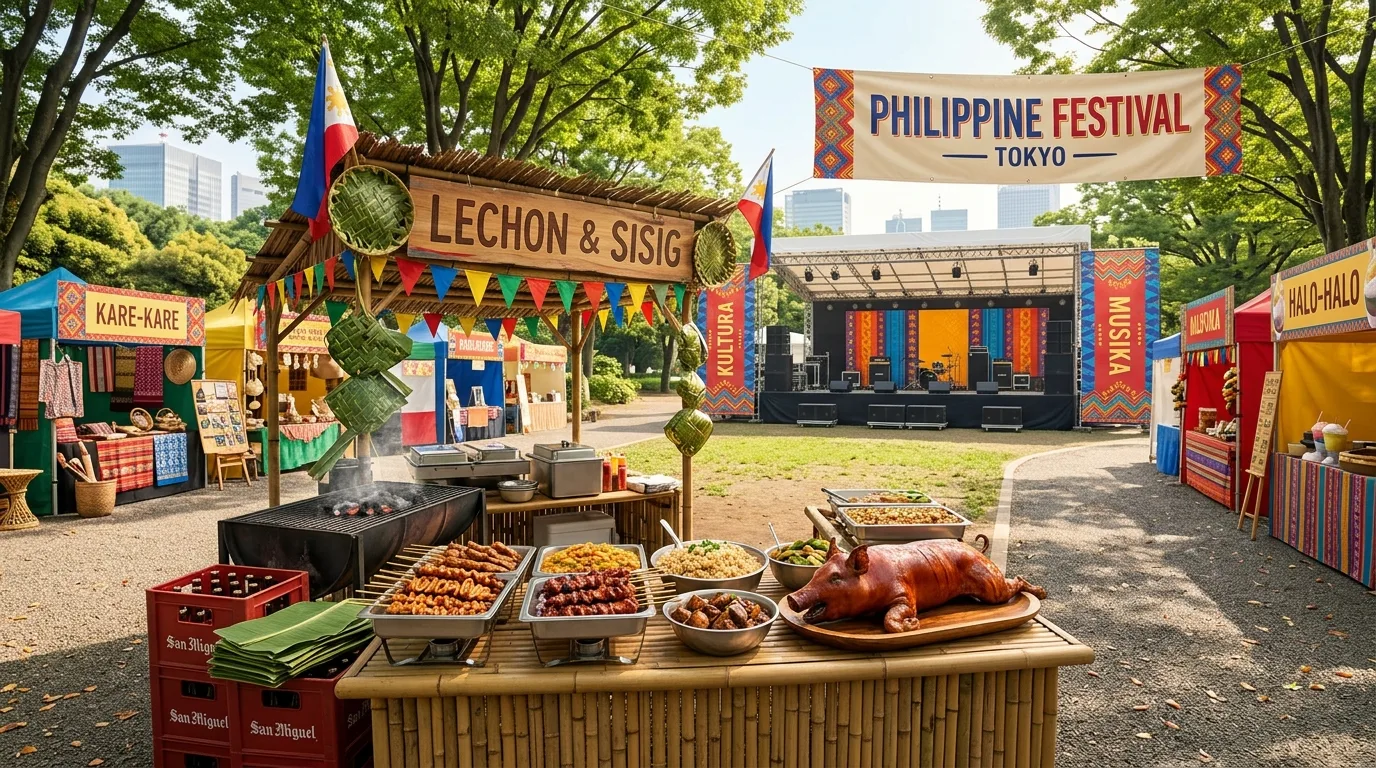
From Toronto and New York to London, Dubai, Singapore, Tokyo, Sydney, and dozens of other international cities, Global Pinoy gatherings are attracting thousands of participants eager to experience the unique traditions, flavors, and creativity that define Filipino culture.
Community leaders say these celebrations have evolved into powerful platforms for cultural preservation, tourism promotion, youth engagement, and international cultural exchange. At a time when overseas Filipino communities continue to grow and diversify, these events provide important opportunities to strengthen connections to heritage while building meaningful relationships across borders.
For many participants, Global Pinoy gatherings represent more than cultural festivals. They are celebrations of identity, resilience, family, and community.
The Philippines has one of the largest and most globally connected diasporas in the world. Millions of Filipinos live and work abroad, contributing to industries such as healthcare, education, engineering, technology, hospitality, finance, maritime services, and public administration.
Despite geographic distance, Filipino communities have maintained strong cultural ties through festivals, religious celebrations, family gatherings, and community organizations.
In recent years, these efforts have expanded significantly, resulting in larger and more sophisticated cultural events that attract audiences from various backgrounds.
Organizers note that the growing popularity of Global Pinoy gatherings reflects increasing interest in Filipino culture among both Filipinos and non-Filipinos alike.
Food has become one of the most powerful ambassadors of Philippine culture.
At major gatherings around the world, culinary showcases often serve as primary attractions, drawing large crowds eager to sample authentic Filipino dishes and regional specialties.
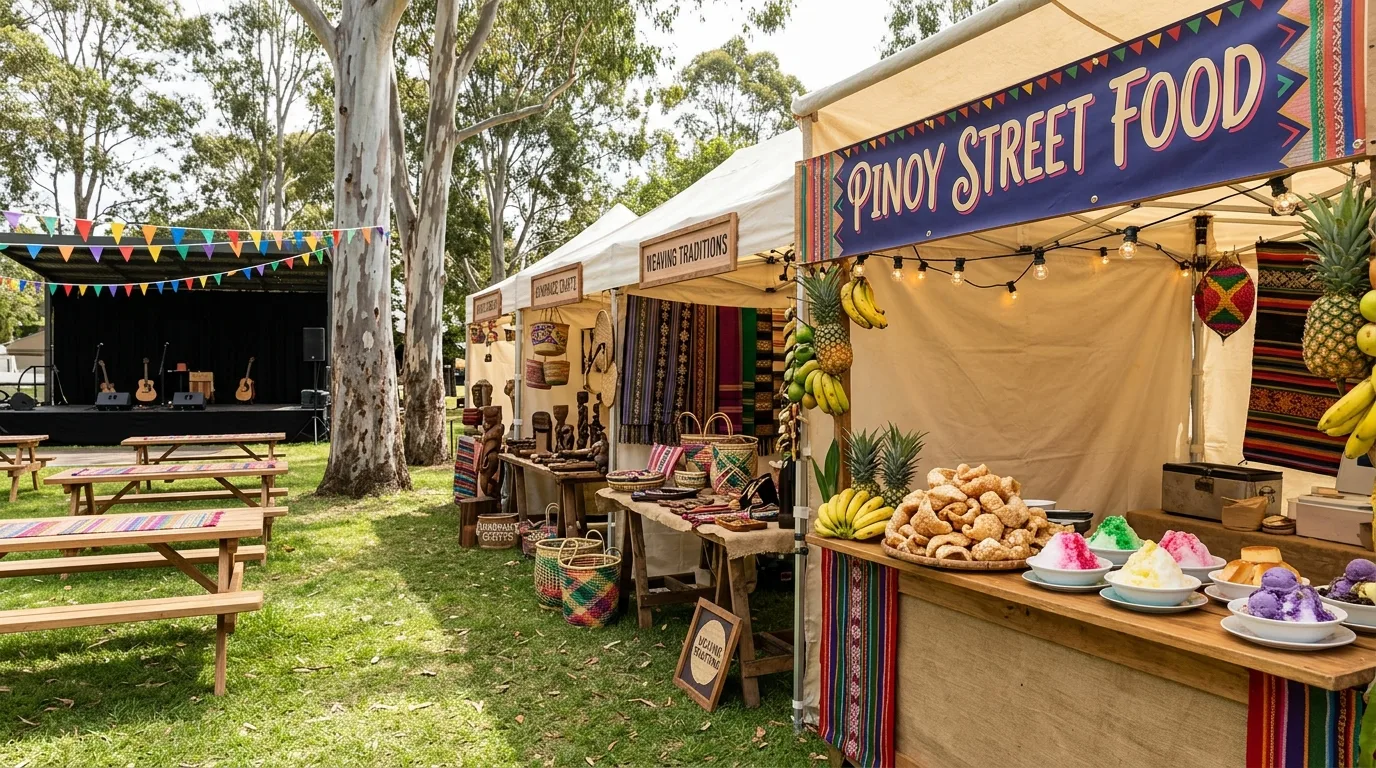
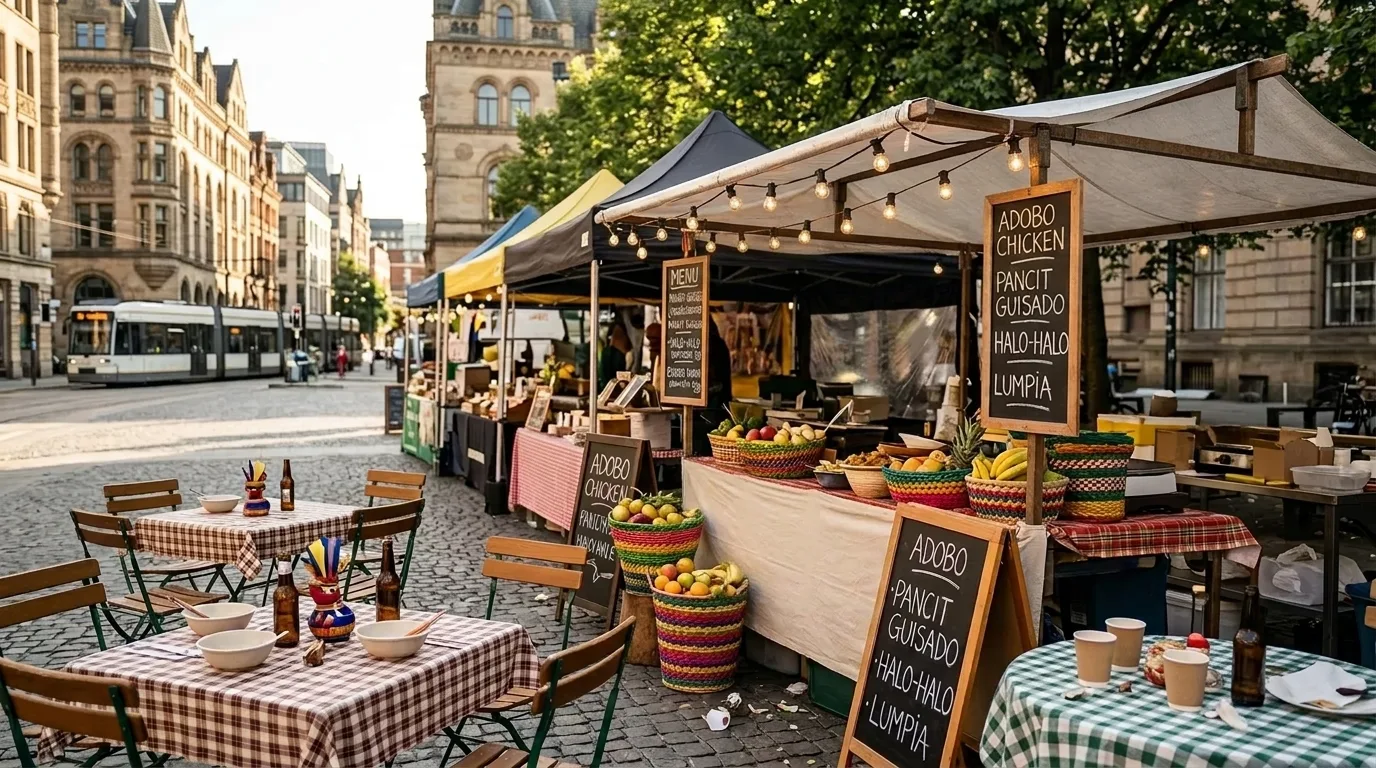
Visitors can explore food villages featuring favorites such as adobo, lechon, pancit, lumpia, sisig, kare-kare, halo-halo, bibingka, barbecue, and countless other traditional dishes.
Many festivals also highlight regional cuisines from Luzon, Visayas, and Mindanao, allowing attendees to appreciate the diversity of Philippine culinary traditions.
Community leaders frequently describe food as a gateway to cultural understanding.
Through shared meals and culinary experiences, people develop deeper appreciation for Filipino history, traditions, and values.
The international popularity of Filipino cuisine has grown steadily in recent years, helping attract broader audiences to cultural events and strengthening interest in Philippine heritage.
Music remains another defining feature of Global Pinoy gatherings.
Festival stages regularly feature Filipino musicians, singers, choirs, cultural ensembles, and contemporary artists who showcase the breadth of Filipino musical talent.
Performances often include a mix of traditional folk music, contemporary pop, cultural fusion projects, acoustic presentations, and community-based productions.
Music serves as a powerful unifying force, creating shared experiences that transcend language and geographic boundaries.
Community leaders note that musical performances often become emotional highlights for attendees who reconnect with familiar songs and cultural traditions.
Dance performances also play important roles in cultural celebrations.
Traditional folk dances inspired by different regions of the Philippines provide opportunities to showcase the country's rich cultural diversity.
Performers often wear colorful traditional attire while presenting routines that tell stories about history, community life, courtship, celebrations, and indigenous traditions.
These performances help preserve cultural knowledge while introducing international audiences to aspects of Filipino heritage they may not have previously encountered.
Visual arts, crafts, and cultural exhibits further enrich the experience.
Many gatherings include displays featuring traditional weaving, visual arts, photography, sculpture, fashion, and historical exhibits.
Artists and cultural organizations use these platforms to educate audiences while celebrating Filipino creativity and craftsmanship.
Visitors frequently express admiration for the artistic diversity represented throughout festival grounds.
Community leaders emphasize that showcasing multiple forms of cultural expression creates more comprehensive and meaningful experiences.
Youth engagement has become a major focus of Global Pinoy gatherings.
Organizers recognize that younger generations of overseas Filipinos may have limited opportunities to experience Philippine culture directly.
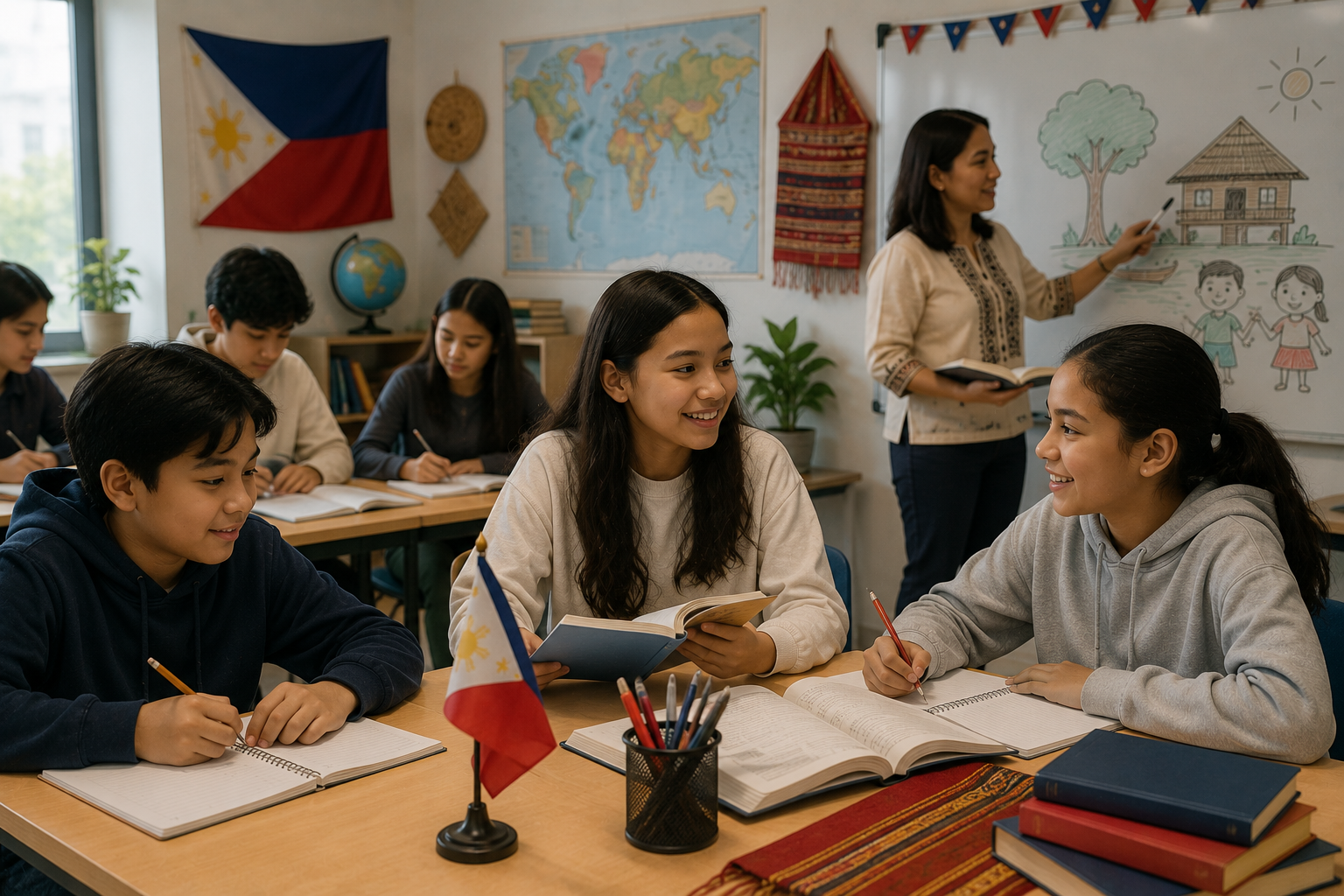
As a result, many festivals include educational workshops, cultural activities, leadership programs, language initiatives, and youth-centered performances.
These programs help young participants develop stronger connections to their heritage while building confidence, leadership skills, and community involvement.
Parents often describe these opportunities as invaluable tools for cultural preservation.
Educational components have likewise expanded significantly.
Community organizations increasingly incorporate historical exhibits, cultural lectures, storytelling sessions, heritage workshops, and interactive learning experiences into festival programming.
These initiatives help participants understand not only what Filipino traditions are but also why they remain important.
Organizers believe cultural education is essential for ensuring that traditions continue to thrive across future generations.
Technology has played a transformative role in expanding the reach of Global Pinoy gatherings.
Social media platforms, livestreams, digital exhibitions, virtual performances, and online content allow events to reach audiences far beyond physical venues.
Photos, videos, and cultural content shared online frequently attract significant international engagement.
This digital visibility has helped introduce Filipino culture to millions of people who may never have attended a cultural event in person.
Community organizations increasingly use digital tools to strengthen engagement and build international networks.
The spirit of bayanihan remains at the heart of these gatherings.
Volunteers dedicate countless hours to planning events, coordinating performances, managing logistics, supporting vendors, organizing educational activities, and assisting attendees.
Community leaders consistently describe volunteerism as one of the strongest examples of Filipino values in action.
The collaborative effort required to organize large-scale festivals reflects traditions of cooperation and mutual support that continue to define Filipino communities worldwide.
Entrepreneurs and business leaders also play important roles.
Filipino-owned businesses frequently sponsor events, support cultural programming, and participate as vendors and exhibitors.
Their involvement helps sustain community initiatives while creating opportunities for economic development and networking.
Many business owners view cultural engagement as both a responsibility and an investment in community growth.
Tourism promotion has become another significant aspect of Global Pinoy gatherings.
Travel exhibits, destination showcases, tourism presentations, and cultural storytelling initiatives encourage attendees to learn more about the Philippines as a travel destination.
Organizers often highlight iconic locations such as Boracay, Palawan, Cebu, Bohol, Siargao, Batanes, Davao, and many emerging destinations.
Visitors who attend cultural festivals frequently express increased interest in exploring the Philippines firsthand.
Tourism advocates view these events as valuable opportunities to showcase the country's natural beauty, cultural heritage, and hospitality.
Charitable initiatives are also commonly integrated into festival programming.
Fundraising campaigns, scholarship programs, disaster relief efforts, healthcare projects, and community development initiatives often accompany cultural celebrations.
These efforts reflect the enduring influence of Filipino values centered on compassion, generosity, and community responsibility.
Community leaders believe charitable engagement strengthens both social impact and cultural relevance.
The growing success of Global Pinoy gatherings reflects broader trends in cultural preservation and diaspora engagement.
As overseas Filipino populations continue to expand, communities are finding innovative ways to celebrate heritage while adapting to changing social and technological environments.
Observers note that Filipino organizations have successfully combined tradition with innovation, creating experiences that resonate with both older and younger generations.
The result is a dynamic cultural movement that continues to grow in scale and influence.
Looking ahead, organizers anticipate even larger festivals, expanded educational programs, increased international collaboration, and stronger youth participation.
Many communities are already exploring new approaches that integrate technology, entrepreneurship, leadership development, and cultural education into future events.
The goal is not only to preserve traditions but also to ensure that they remain relevant and inspiring for generations to come.
Ultimately, Global Pinoy gatherings demonstrate the extraordinary ability of culture to connect people across borders.
They show that heritage remains a living and evolving force capable of bringing communities together regardless of distance.
Through food, music, dance, art, education, volunteerism, and community engagement, Filipinos around the world continue to celebrate what makes their culture unique while sharing it with wider audiences.
Every performance, every shared meal, every cultural exhibit, and every act of bayanihan contributes to a larger story of connection, pride, and belonging.
As Global Pinoy gatherings continue to expand, they serve as powerful reminders that Filipino culture is thriving on the world stage.
From major international cities to local community centers, these celebrations are preserving traditions, inspiring future generations, and showcasing the very best of Philippine food, music, and culture to audiences around the globe.
In doing so, they reaffirm a simple but powerful truth: wherever Filipinos may be, their culture remains a source of strength, unity, and pride that continues to bring people together across continents and generations.
Enjoyed this story?
Share this story