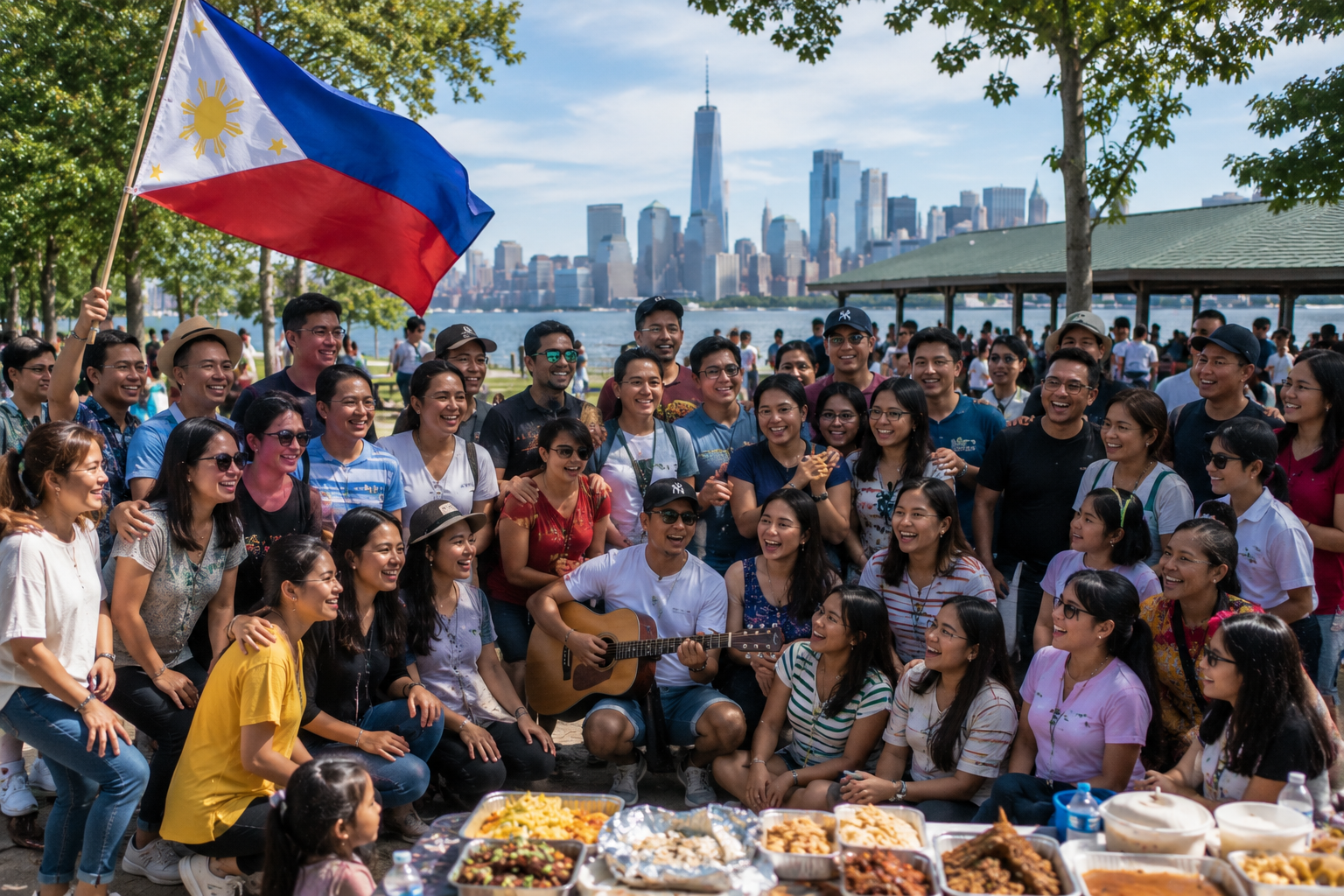
Global Pinoy Gatherings Strengthen Community Ties Among Filipinos Abroad
Share
June 05, 2026
Updated Oct 15, 2026
7 min read
436 views
MANILA, Philippines — Across continents and time zones, Filipino communities continue to gather through cultural festivals, community celebrations, networking events, heritage programs, and social initiatives that strengthen bonds among overseas Filipinos while preserving a shared sense of identity and belonging.
From bustling metropolitan centers in North America and Europe to thriving communities in the Middle East, Asia, Australia, and New Zealand, Global Pinoy gatherings have become important platforms for celebrating Filipino culture, supporting community members, and fostering meaningful connections among people who share common roots.
Community leaders describe these events as more than social occasions. They represent opportunities to build relationships, preserve traditions, support newcomers, and reinforce cultural values that continue to unite Filipinos regardless of where they live.
As the global Filipino population continues to grow, the importance of maintaining strong community networks has become increasingly evident.
For many overseas Filipinos, community gatherings provide valuable opportunities to reconnect with their heritage while navigating life in foreign environments. These events offer a sense of familiarity, belonging, and support that helps strengthen emotional and cultural connections to the Philippines.
Community advocates note that such gatherings often become essential spaces where individuals can celebrate shared experiences, exchange knowledge, and build lasting friendships.
One of the defining characteristics of Global Pinoy gatherings is their diversity.
Events range from large-scale cultural festivals and Independence Day celebrations to smaller neighborhood gatherings, family picnics, professional networking forums, sports tournaments, youth conferences, and charitable initiatives.
This variety allows community members of different ages, interests, and backgrounds to participate in ways that are meaningful to them.
Organizers emphasize that inclusiveness remains a central goal of many community programs.
Cultural preservation continues to be one of the primary motivations behind these gatherings.
Many events showcase traditional Filipino music, folk dances, regional customs, indigenous traditions, and historical narratives that reflect the country's rich cultural heritage.
Through performances, exhibits, workshops, and educational activities, participants gain opportunities to learn about and celebrate the traditions that connect them to their homeland.
Community leaders believe cultural engagement plays a critical role in preserving identity across generations.
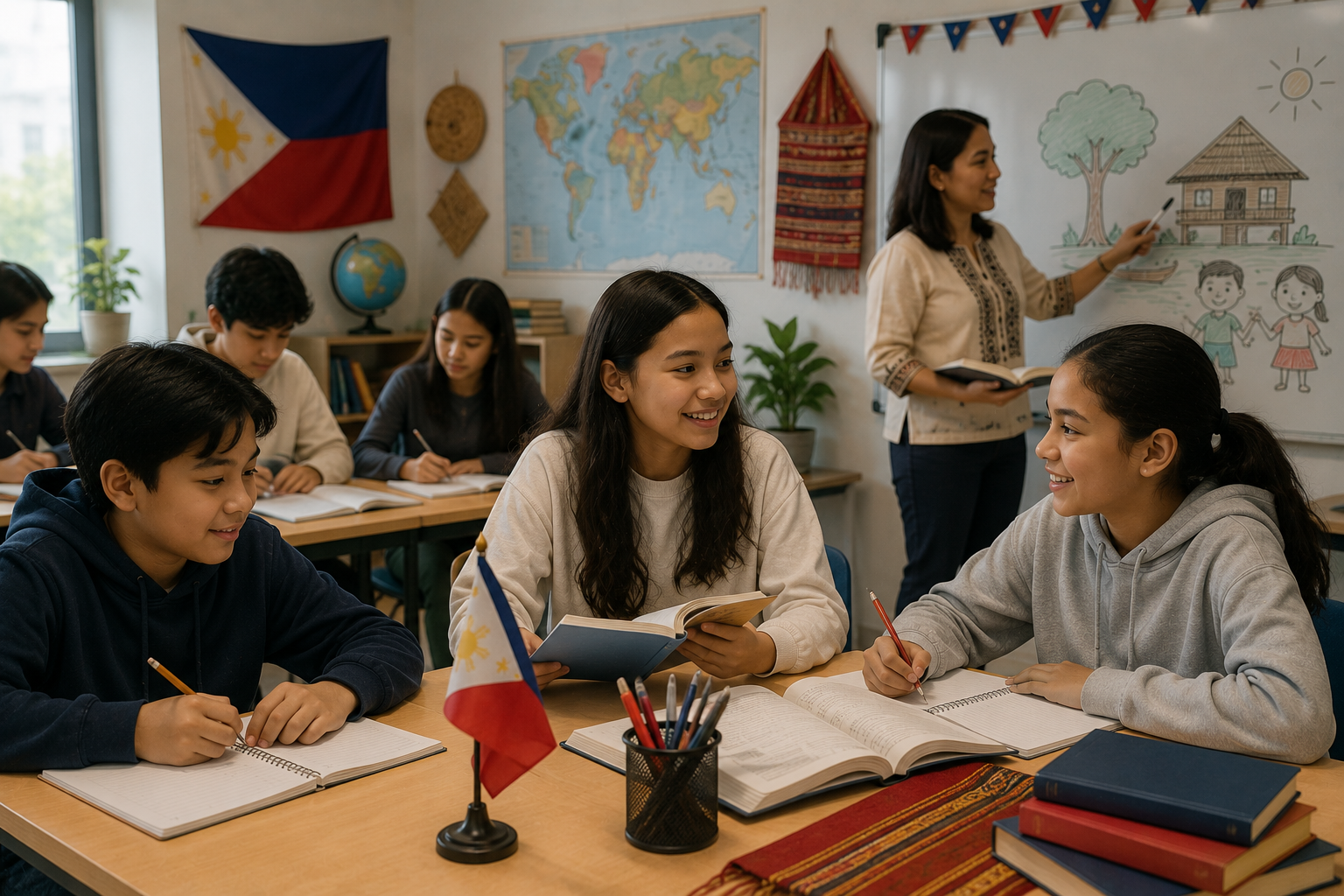
For younger Filipinos born or raised abroad, these events often serve as important gateways to understanding their heritage.
Parents and community organizations frequently view cultural gatherings as opportunities to introduce younger generations to Filipino values, traditions, and history.
Educational activities, storytelling programs, language workshops, and youth-focused initiatives help strengthen cultural awareness while encouraging active participation.
Many young attendees describe community events as meaningful experiences that deepen their understanding of their identity.
The Filipino tradition of bayanihan remains highly visible during community gatherings worldwide.
Volunteers often dedicate significant time and effort to organizing events, coordinating logistics, raising funds, recruiting participants, and supporting charitable activities.
This spirit of cooperation and mutual assistance reflects values that continue to define Filipino communities regardless of geographic location.
Observers frequently cite volunteerism as one of the strongest indicators of community cohesion among overseas Filipinos.
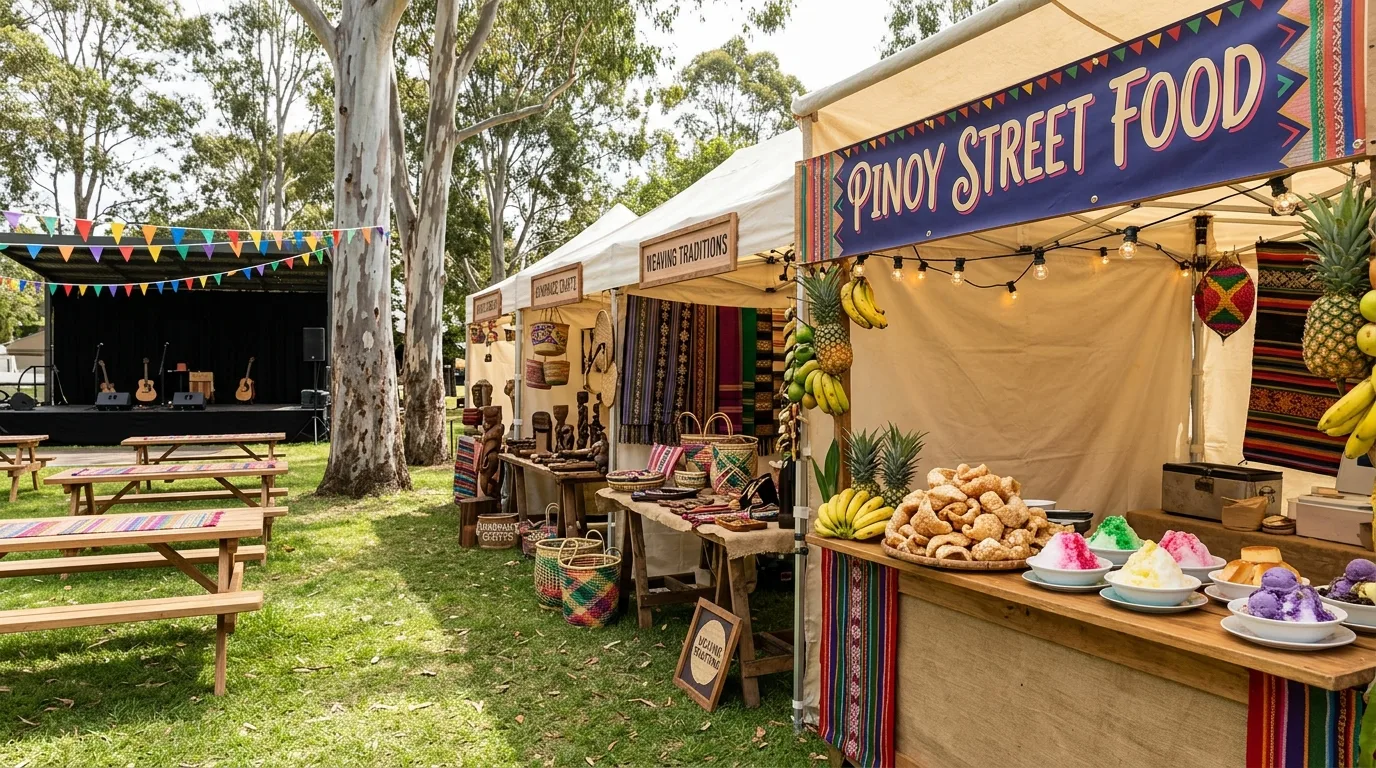
Food serves as another powerful element that brings communities together.
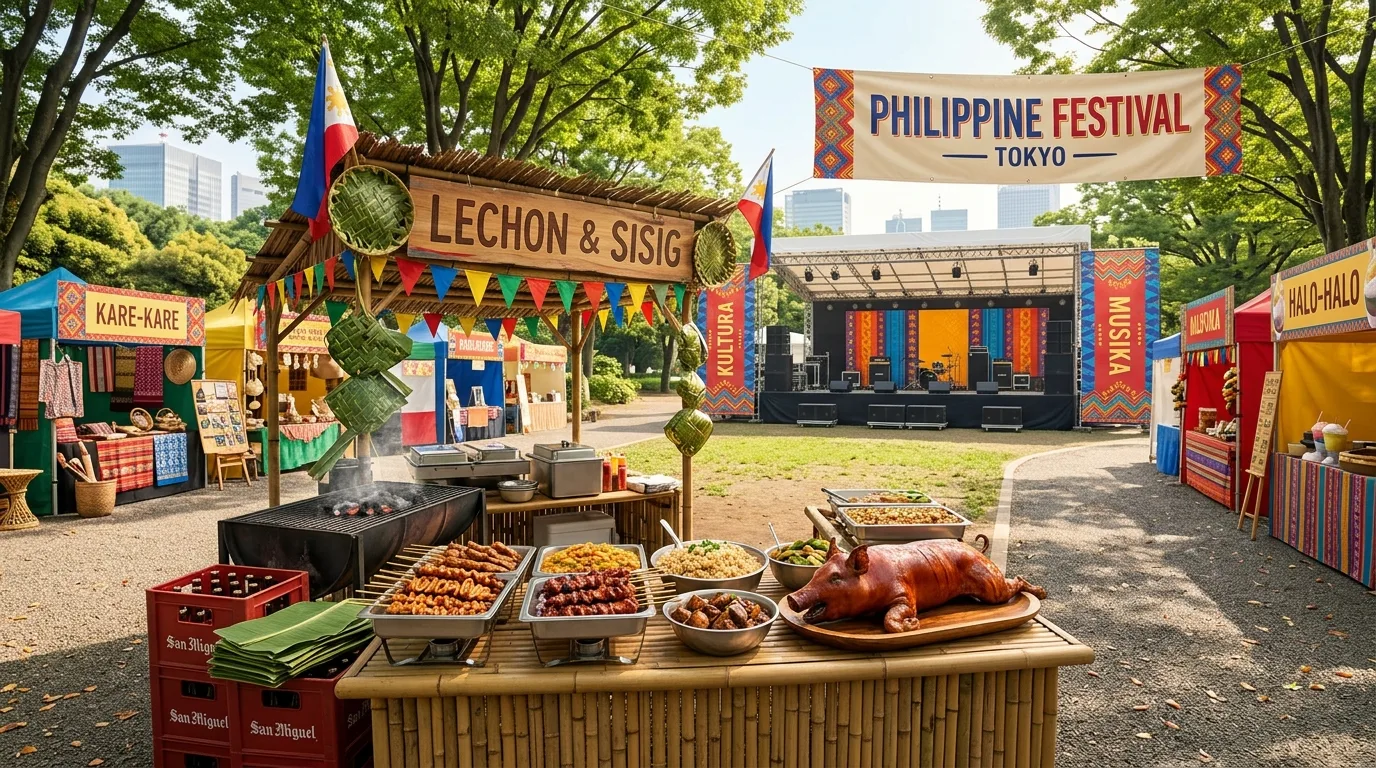
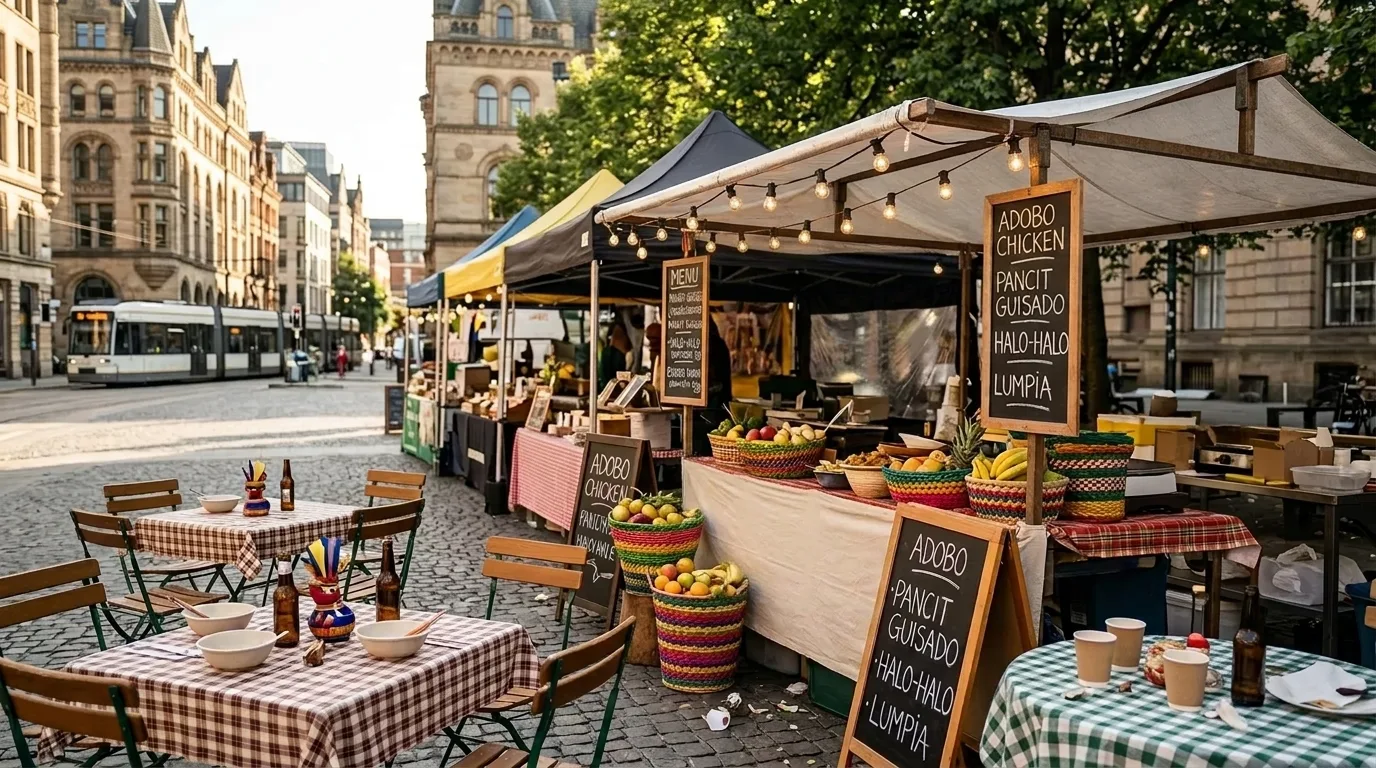
Community gatherings frequently feature traditional Filipino dishes, regional specialties, culinary competitions, food markets, and shared dining experiences.
Meals often become central moments of connection, allowing participants to celebrate familiar flavors while sharing cultural stories and traditions.
Popular dishes such as adobo, pancit, lumpia, lechon, kare-kare, sinigang, and halo-halo consistently attract enthusiastic participants.
Many attendees consider food one of the most important expressions of Filipino identity.
The growing international popularity of Filipino cuisine has also helped attract broader audiences to community events.
Non-Filipino visitors often attend gatherings out of curiosity and leave with a deeper appreciation for Filipino culture and hospitality.
Community leaders recognize food as an effective way to build bridges between cultures while promoting greater understanding and inclusion.
Professional networking has become an increasingly important component of many Global Pinoy gatherings.
Filipino professionals working in healthcare, education, engineering, technology, finance, hospitality, and other industries often participate in forums designed to facilitate mentorship, career development, and collaboration.
These networks help strengthen professional relationships while creating opportunities for knowledge sharing and community support.
Many participants describe these connections as valuable resources for personal and professional growth.
Entrepreneurs and business owners also benefit from community gatherings.
Events frequently provide platforms for showcasing products, services, and business ventures while expanding professional networks.
Filipino-owned businesses often play active roles as sponsors, exhibitors, and community partners.
Their involvement contributes to local economic activity while supporting cultural initiatives and community development efforts.
Many business leaders view community engagement as both a social responsibility and an investment in future growth.
Technology has transformed the way Filipino communities connect and organize.
Social media platforms, online forums, messaging applications, livestreams, and digital communities allow organizers to reach broader audiences and coordinate activities more efficiently.
Digital tools have made it easier for communities to remain connected between physical gatherings and to engage participants who may live in different cities or countries.
Online engagement often complements in-person activities, creating stronger and more resilient community networks.
The role of charitable initiatives has become increasingly prominent within many Global Pinoy gatherings.
Fundraising drives, scholarship programs, disaster relief efforts, educational projects, healthcare initiatives, and humanitarian campaigns frequently accompany cultural celebrations and community events.
These activities reflect a longstanding tradition of generosity and collective responsibility within Filipino communities.
Community leaders emphasize that supporting others remains one of the most meaningful expressions of Filipino values.
Many overseas Filipinos maintain strong ties to their hometowns and regions in the Philippines.
Community organizations often coordinate projects designed to support local development, educational opportunities, infrastructure improvements, and social services in areas where members have family roots.
These efforts demonstrate how overseas communities continue contributing to the welfare and progress of their homeland.
Cultural festivals remain among the most visible forms of Global Pinoy gatherings.
Large-scale celebrations often attract thousands of attendees and feature cultural performances, heritage exhibits, food fairs, traditional games, music concerts, and community recognition programs.
These events create opportunities to celebrate Filipino culture while fostering pride and unity among participants.
Tourism organizations and cultural advocates increasingly recognize the role such festivals play in promoting the Philippines internationally.
The participation of multicultural audiences continues to expand.
Many gatherings welcome attendees from diverse backgrounds who are interested in learning more about Filipino culture, traditions, and values.
These interactions encourage dialogue, cultural exchange, and mutual respect while strengthening the positive reputation of Filipino communities abroad.
Community leaders often describe these events as opportunities to build friendships that transcend cultural and national boundaries.
The visibility of Filipino achievements is another important aspect of many gatherings.
Recognition ceremonies frequently honor individuals who have made significant contributions in fields such as healthcare, education, public service, business, arts, science, technology, and community leadership.
Celebrating these accomplishments helps inspire younger generations while highlighting the positive impact of Filipinos around the world.
Observers note that these success stories contribute to stronger community pride and confidence.
As communities continue evolving, organizers remain focused on adapting to changing needs and expectations.
Many are exploring new approaches to engage younger participants, expand digital outreach, strengthen cultural education, and increase collaboration with local institutions.
Innovation and adaptability are helping ensure that community gatherings remain relevant and meaningful.
Looking ahead, community leaders remain optimistic about the future of Global Pinoy gatherings.
The continued growth of Filipino communities worldwide, combined with increasing interest in cultural heritage and community engagement, suggests strong opportunities for further development.
Organizers are committed to creating inclusive, welcoming, and impactful events that reflect both tradition and progress.
Ultimately, Global Pinoy gatherings demonstrate the enduring strength of Filipino identity and community spirit.
Despite living thousands of miles from the Philippines, overseas Filipinos continue finding ways to remain connected through shared traditions, values, and experiences.
Every cultural performance, community meal, volunteer project, networking event, and family celebration contributes to a larger story of resilience, unity, and belonging.
These gatherings remind participants that being Filipino extends beyond geography.
It is reflected in relationships, traditions, acts of service, and the enduring commitment to support one another wherever life may lead.
As Filipino communities continue coming together across the globe, they reaffirm the timeless values of bayanihan, hospitality, and cultural pride that have long defined the Filipino spirit.
In doing so, they strengthen community ties, preserve heritage, and inspire future generations to carry these traditions forward—ensuring that the global Filipino community remains vibrant, connected, and united for years to come.
Enjoyed this story?
Share this story