Global Pinoy Networks Encourage Volunteerism Through Community Service Campaigns
Share
June 24, 2026
Updated Oct 16, 2026
8 min read
308 views
MANILA, Philippines — Filipino communities around the world are strengthening their commitment to volunteerism through a growing number of community service campaigns designed to support local populations, address social challenges, and promote the enduring Filipino value of bayanihan. Across North America, Europe, Asia, Australia, and the Middle East, global Pinoy networks are organizing outreach programs, charitable initiatives, educational projects, environmental campaigns, and humanitarian activities that bring together volunteers from diverse backgrounds in pursuit of meaningful community impact. These efforts are helping reinforce social responsibility while demonstrating the positive contributions that Overseas Filipinos continue to make within the communities where they live and work.
Community leaders explain that volunteerism has always been deeply connected to Filipino culture. The traditional concept of bayanihan, which emphasizes cooperation, mutual assistance, and collective action, remains a guiding principle for many Filipino organizations operating abroad. While the modern world presents different challenges and circumstances than those experienced by earlier generations, the spirit behind bayanihan continues to inspire Filipinos to work together for the benefit of others. Through community service campaigns, Overseas Filipinos are finding new ways to express these values while strengthening relationships within their host societies.
The expansion of volunteer initiatives reflects a growing recognition that community engagement can create lasting benefits for both volunteers and the people they serve. Many Filipino organizations have moved beyond occasional charitable activities and are now developing long-term programs focused on education, healthcare, youth development, environmental sustainability, food security, and social inclusion. Organizers note that sustained engagement often produces deeper and more meaningful outcomes than one-time events, allowing communities to address challenges more effectively over time.
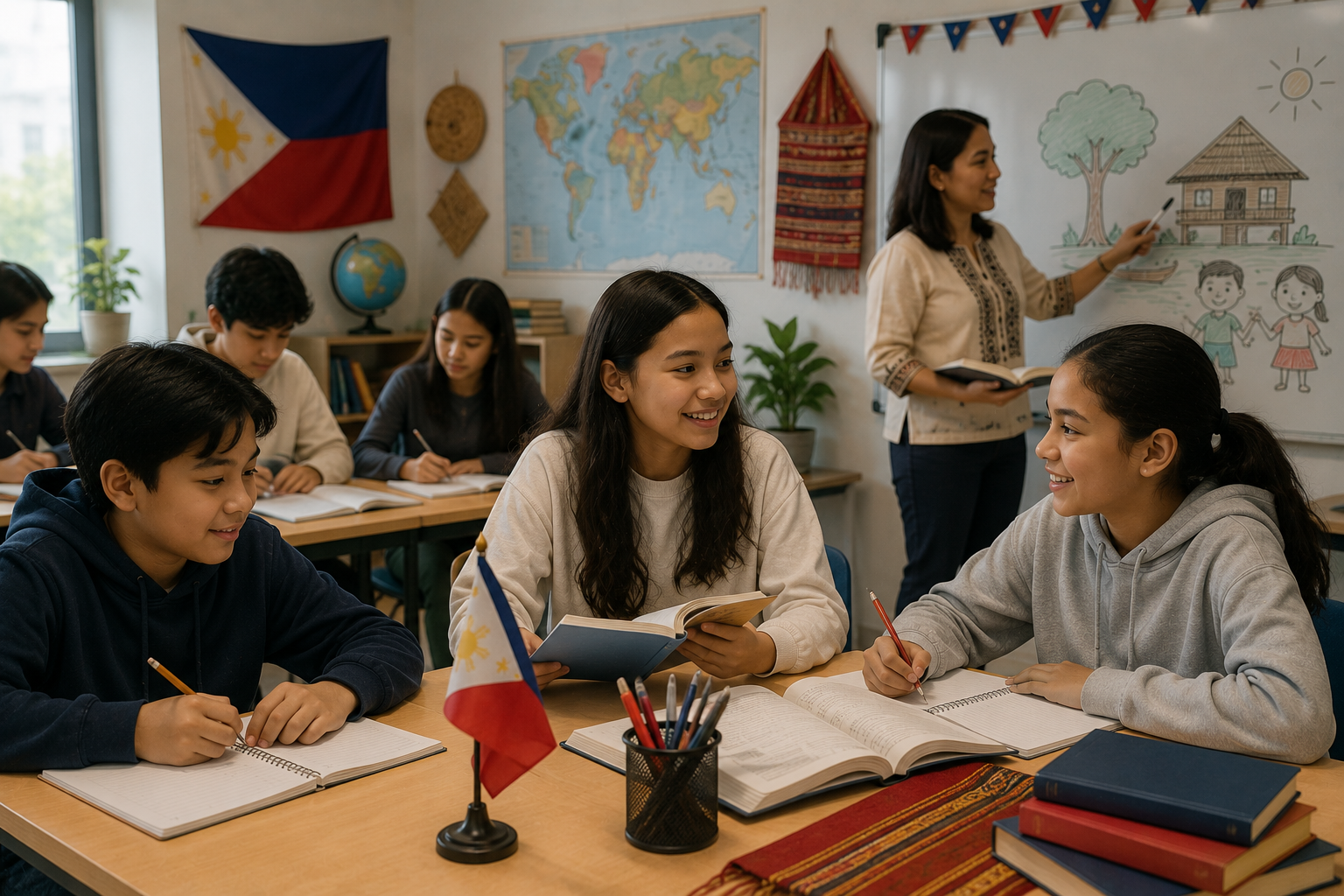
Educational outreach remains one of the most common forms of volunteer service undertaken by global Pinoy networks. Filipino professionals, educators, students, and community leaders frequently organize tutoring programs, scholarship drives, literacy initiatives, and educational workshops designed to support learners from various backgrounds. Community organizers believe that education provides one of the most powerful pathways to personal and social development, making it a natural focus for volunteer efforts. These programs often help young people gain access to learning opportunities while encouraging academic achievement and personal growth.
Healthcare-related volunteer campaigns have also become increasingly prominent. Filipino healthcare workers, including nurses, doctors, therapists, caregivers, and public health advocates, regularly participate in wellness programs, health awareness campaigns, community screenings, and educational seminars. These activities provide valuable information and support to individuals and families while promoting healthier lifestyles and preventive care. Community leaders note that healthcare outreach not only improves access to information but also helps strengthen trust and collaboration between volunteers and local communities.
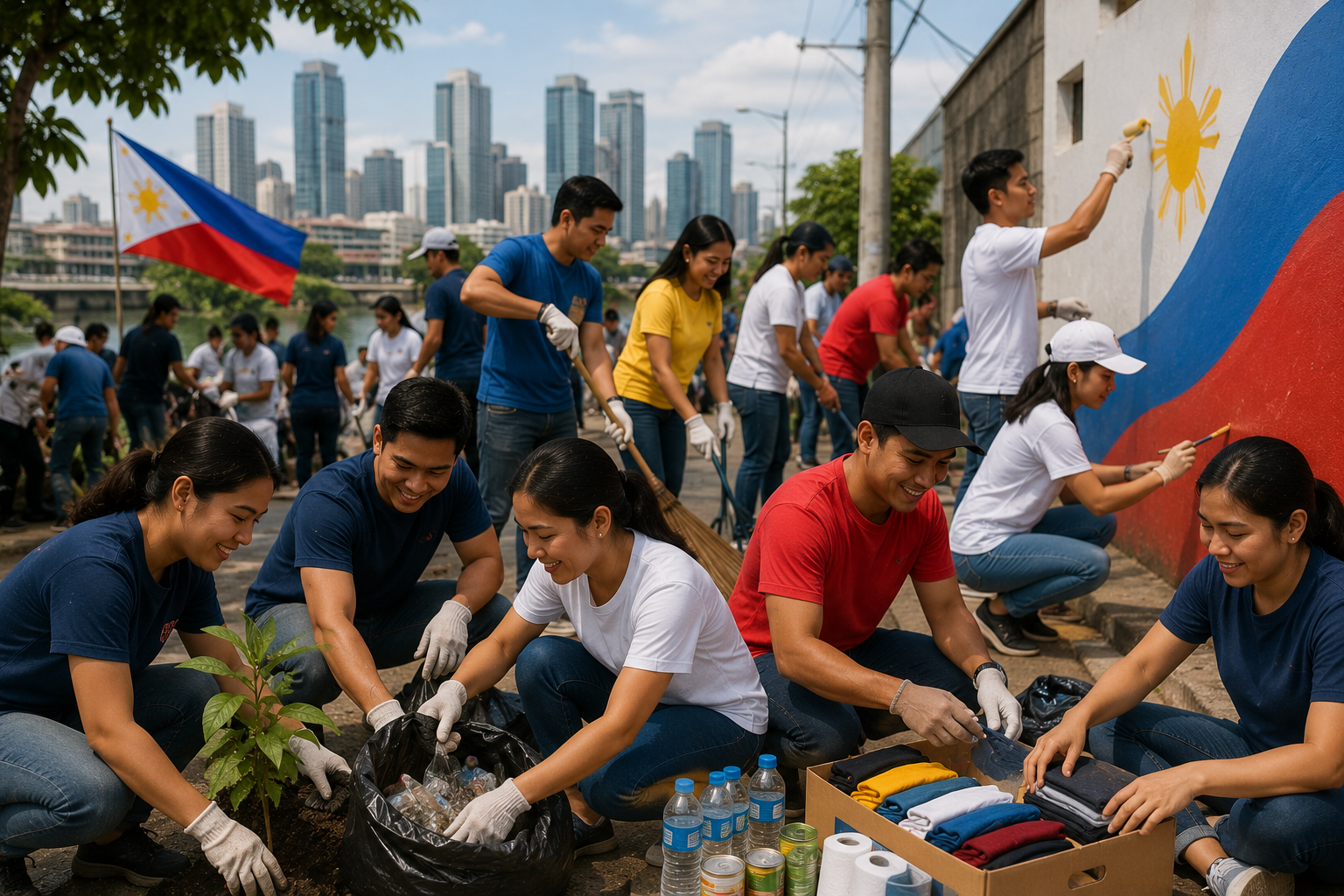
Environmental volunteerism has emerged as another major area of focus. Many Filipino organizations organize tree-planting activities, coastal cleanups, recycling drives, sustainability workshops, and environmental awareness campaigns aimed at promoting responsible stewardship of natural resources. Participants often include families, students, professionals, and local residents who share a commitment to protecting the environment for future generations. Organizers explain that environmental projects provide opportunities for collective action while addressing issues that affect communities worldwide.
Food assistance programs continue to play an important role in volunteer campaigns organized by global Pinoy networks. Community groups frequently coordinate food drives, meal distribution activities, donation campaigns, and support programs for vulnerable populations. These initiatives often respond to specific community needs identified through collaboration with local organizations and social service providers. Volunteers emphasize that access to basic necessities remains a critical concern in many communities and that collective efforts can make meaningful differences in people's lives.
The participation of Filipino youth has become increasingly important within volunteer initiatives. Many organizations actively encourage younger generations to become involved in community service projects, leadership programs, and outreach activities. Community leaders believe that volunteer experiences help young people develop empathy, leadership skills, teamwork, and civic responsibility. Through active participation, youth gain opportunities to contribute positively to society while strengthening connections to Filipino values and cultural traditions.
Technology has significantly enhanced the reach and effectiveness of volunteer campaigns. Social media platforms, digital fundraising tools, online volunteer recruitment systems, and virtual collaboration technologies enable organizations to coordinate activities more efficiently and engage broader audiences. Organizers report that technology has made it easier to mobilize support, raise awareness, and maintain communication among volunteers located in different regions and countries. Digital platforms also help organizations share success stories that inspire additional participation and community engagement.
Many global Pinoy networks collaborate closely with local governments, nonprofit organizations, educational institutions, religious groups, and community associations. These partnerships help ensure that volunteer programs align with community needs and maximize available resources. Community leaders emphasize that collaboration strengthens the impact of service initiatives by combining expertise, knowledge, and resources from multiple stakeholders. Effective partnerships also contribute to the sustainability of long-term programs and community projects.
Cultural values continue to play a significant role in motivating volunteer participation. Many Overseas Filipinos view community service as an extension of the values they learned from their families and communities in the Philippines. Concepts such as generosity, compassion, respect, hospitality, and collective responsibility often serve as guiding principles for volunteer activities. Organizers note that these cultural foundations help create strong commitments to service and encourage continued involvement in community initiatives.
Volunteerism has also become a valuable tool for strengthening social connections among Filipinos living abroad. Community service projects provide opportunities for individuals from different backgrounds, professions, and generations to work together toward common goals. Participants often develop meaningful friendships and professional relationships while contributing to positive community outcomes. Community leaders explain that volunteer activities help foster stronger and more cohesive Filipino communities while encouraging broader social engagement.
Many organizations have expanded their focus to include support for newly arrived immigrants, migrant workers, international students, and families adjusting to life in new environments. Volunteer programs often provide orientation assistance, mentorship, language support, resource referrals, and social integration opportunities. These services help individuals navigate challenges associated with relocation while creating welcoming and supportive environments. Community leaders view these efforts as important examples of solidarity and mutual assistance within global Filipino communities.
The economic value of volunteer contributions should not be overlooked. Although volunteers typically donate their time and expertise without financial compensation, their efforts generate significant social and economic benefits. Community projects, educational programs, healthcare initiatives, and environmental campaigns often produce positive outcomes that would otherwise require substantial financial resources. Organizers note that volunteerism represents an important form of community investment that strengthens social infrastructure and enhances quality of life.
Many volunteer campaigns also focus on disaster response and humanitarian assistance. Filipino organizations have a long history of mobilizing support during emergencies, natural disasters, and humanitarian crises. Through fundraising efforts, donation drives, relief operations, and recovery assistance programs, volunteers provide critical support to affected communities. Community leaders emphasize that rapid and coordinated responses demonstrate the strength and resilience of global Filipino networks during times of need.
Recognition of volunteer contributions has increased in many countries as local communities acknowledge the positive role played by Filipino organizations and volunteers. Awards, public acknowledgments, community partnerships, and media coverage help highlight the impact of volunteer initiatives while encouraging continued participation. Community leaders believe that recognition not only honors volunteers but also raises awareness about the importance of civic engagement and social responsibility.
The growth of community service campaigns reflects broader trends within global Filipino communities. As organizations become more established and interconnected, they are increasingly able to develop larger and more ambitious projects that address a wide range of social issues. Advances in communication technology, stronger partnerships, and growing volunteer participation have all contributed to the expansion of service initiatives across different regions.
Many organizations are now exploring innovative approaches to volunteerism that combine traditional community service with emerging technologies and new forms of engagement. Virtual volunteering, digital mentoring, online educational support, and technology-based community projects are becoming more common as organizations adapt to changing needs and opportunities. Community leaders believe that innovation will play an important role in expanding the reach and effectiveness of future volunteer programs.
Looking ahead, global Pinoy networks remain committed to strengthening volunteerism through expanded outreach efforts, leadership development programs, youth engagement initiatives, and collaborative partnerships. Organizers are optimistic that growing interest in community service will continue to inspire new generations of volunteers while creating opportunities for meaningful social impact. Continued investment in volunteer development and community engagement is expected to further strengthen the positive contributions of Filipino communities worldwide.
Ultimately, the success of community service campaigns organized by global Pinoy networks demonstrates the enduring relevance of bayanihan in the modern world. Through volunteerism, Overseas Filipinos are translating traditional values into meaningful action that benefits individuals, families, and communities across diverse cultural and geographic settings. Their efforts show that compassion, cooperation, and civic responsibility remain powerful forces for positive change.
As Filipino communities continue to expand and evolve around the world, volunteerism will remain a vital expression of cultural identity, social commitment, and community leadership. Through outreach programs, educational initiatives, environmental campaigns, healthcare projects, and humanitarian efforts, global Pinoy networks are helping create stronger, more resilient, and more connected communities while preserving the values that have long defined the Filipino spirit.
Enjoyed this story?
Share this story