Global Pinoy Networks Strengthen Community Connections Through Cultural Events
Share
June 22, 2026
Updated Oct 15, 2026
8 min read
248 views
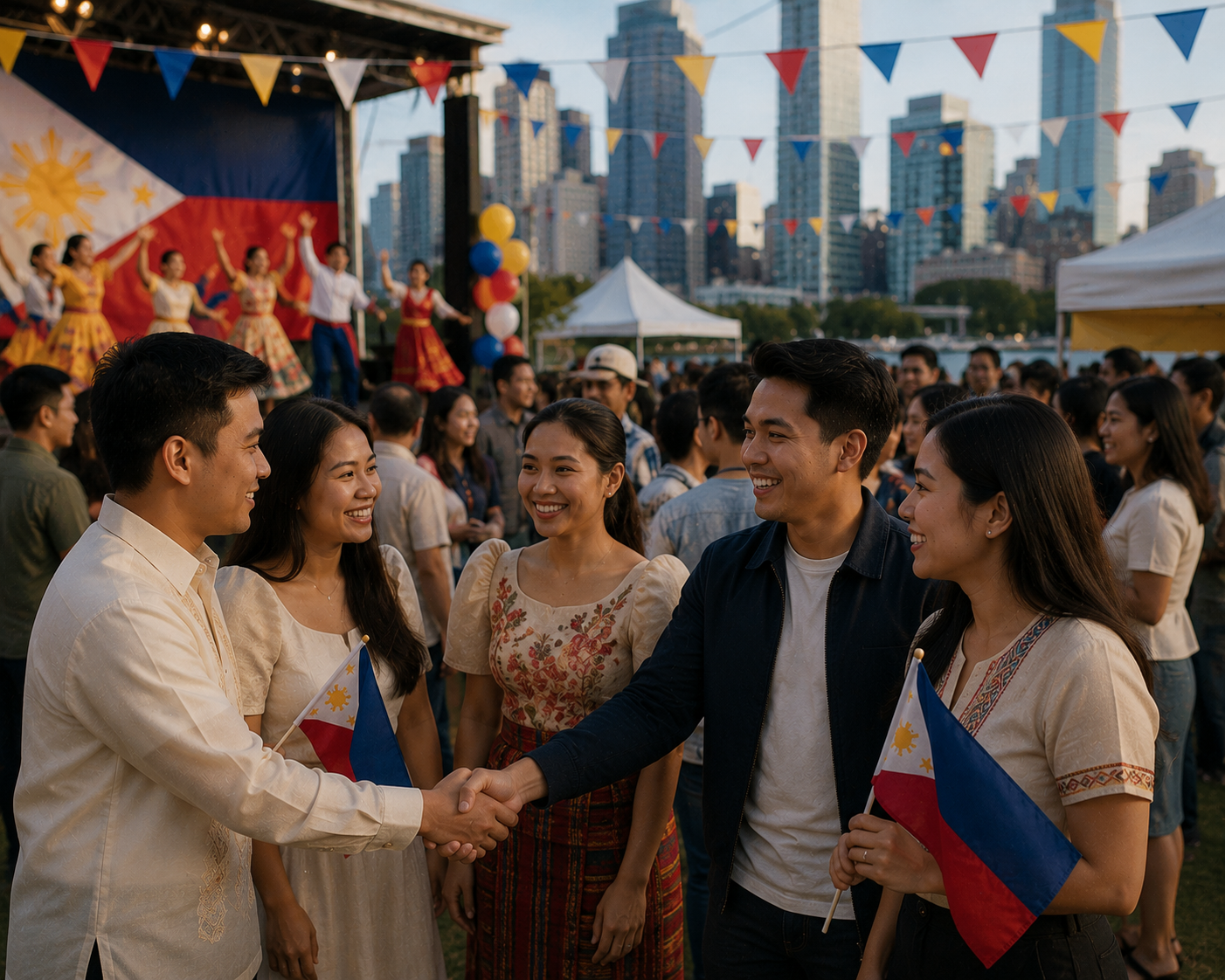
MANILA, Philippines — Filipino communities around the world are strengthening social ties, preserving cultural traditions, and fostering a greater sense of belonging through an expanding range of cultural events organized by global Pinoy networks. From community festivals and heritage celebrations to educational programs, artistic showcases, and family-oriented gatherings, these initiatives are creating meaningful opportunities for Overseas Filipinos to connect with one another while celebrating the rich cultural identity that unites them across continents. Community leaders describe these events as vital platforms for strengthening relationships, promoting cultural pride, and supporting the long-term growth of global Filipino communities.
As millions of Filipinos continue to live, work, and study abroad, the importance of maintaining strong community connections has become increasingly evident. While modern technology has made communication easier than ever before, community leaders emphasize that face-to-face cultural engagement remains essential in building meaningful relationships and fostering a sense of belonging. Cultural events provide opportunities for individuals and families to come together, share experiences, and celebrate the traditions that connect them to their heritage and to one another.
Many global Pinoy networks were originally formed to support newly arrived Filipinos adjusting to life in different countries. Over time, these organizations expanded their missions to include cultural preservation, community development, education, professional networking, and charitable activities. Today, cultural events serve as some of the most visible and impactful initiatives organized by these networks, attracting participants from multiple generations and diverse backgrounds.
Community organizers note that cultural events offer more than entertainment. They create spaces where individuals can form friendships, exchange ideas, seek support, and strengthen community bonds. In many cases, these gatherings become important social anchors that help Filipinos maintain a sense of connection to their culture while adapting to new environments. Through shared experiences, participants often develop relationships that extend beyond individual events and contribute to stronger community networks.
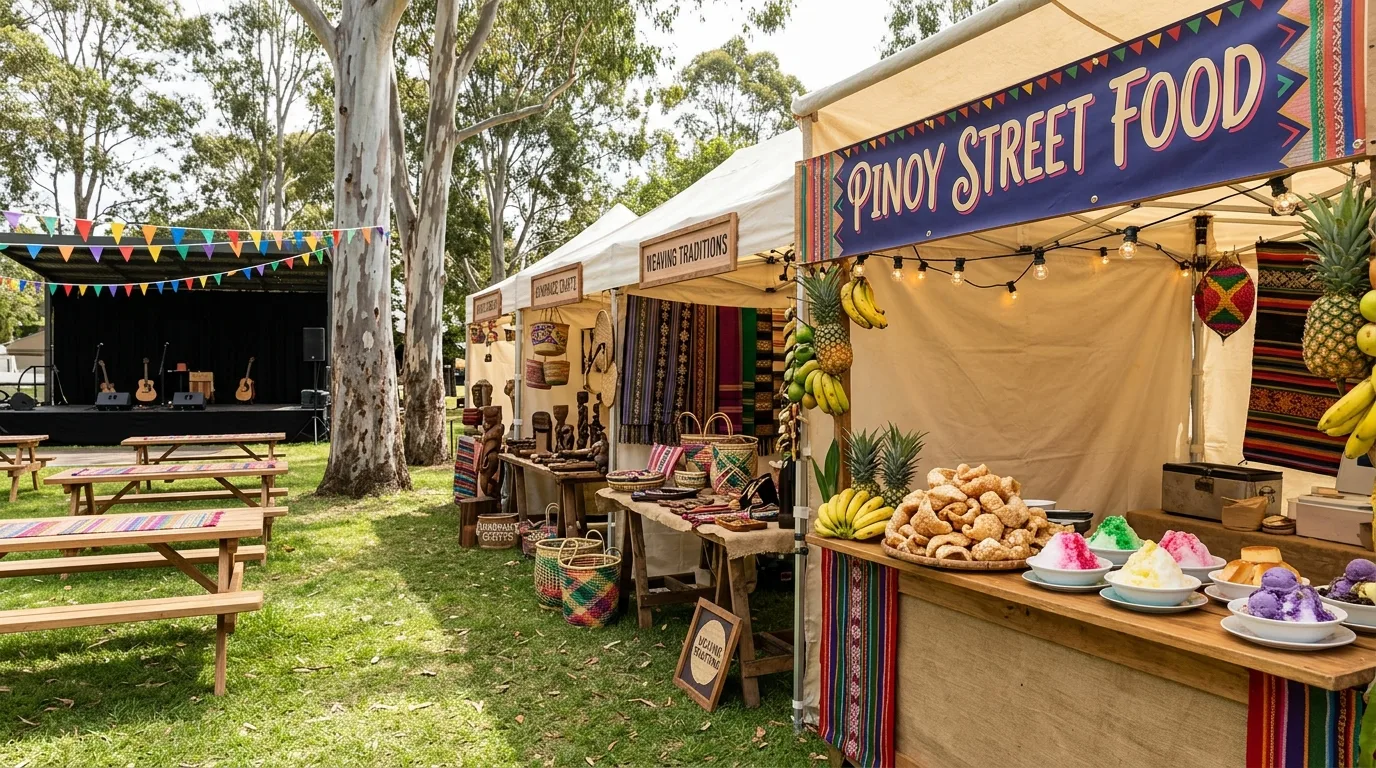
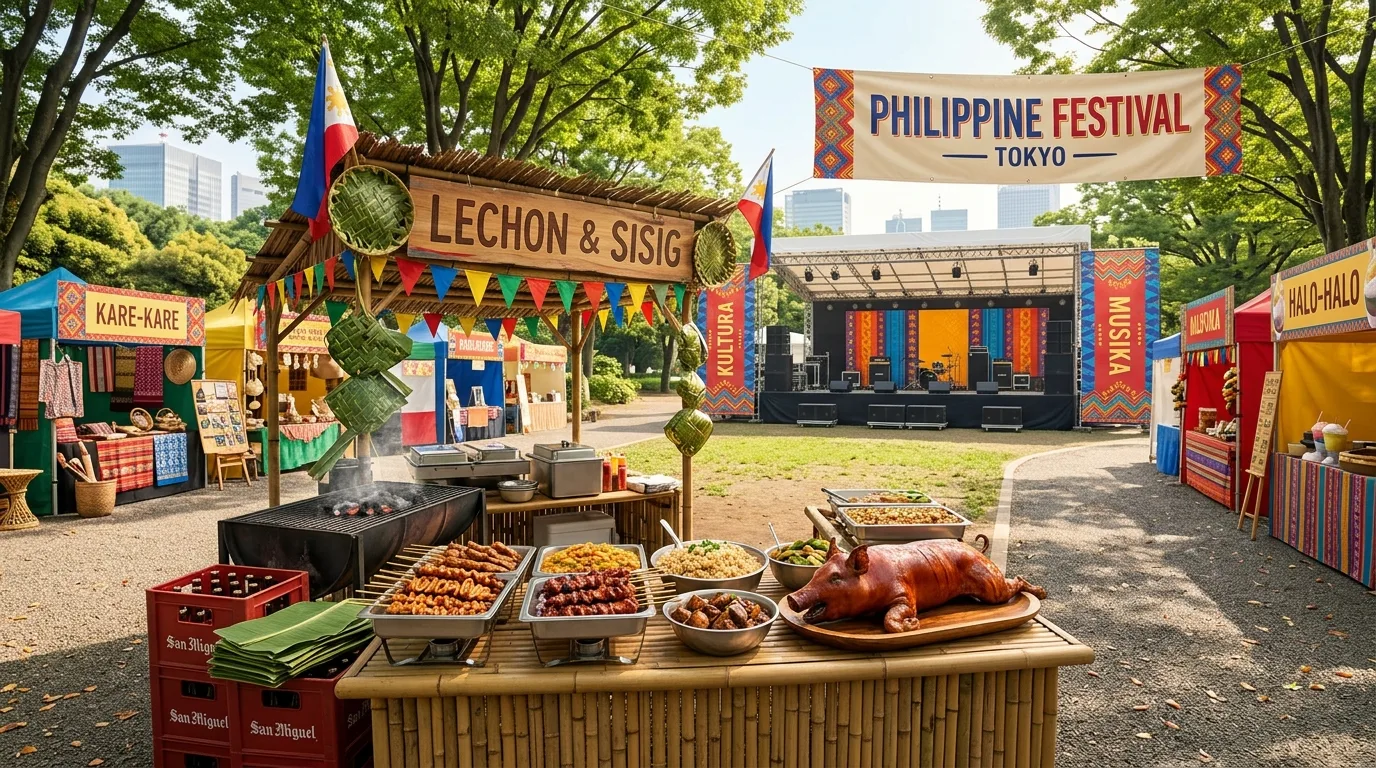
Heritage festivals remain among the most popular activities organized by global Pinoy networks. These celebrations often feature traditional music, folk dances, cultural exhibits, culinary showcases, and educational presentations that highlight the diversity of Philippine culture. Organizers believe that festivals provide ideal opportunities to engage both Filipino and non-Filipino audiences while creating vibrant environments where cultural traditions can be experienced and appreciated firsthand.
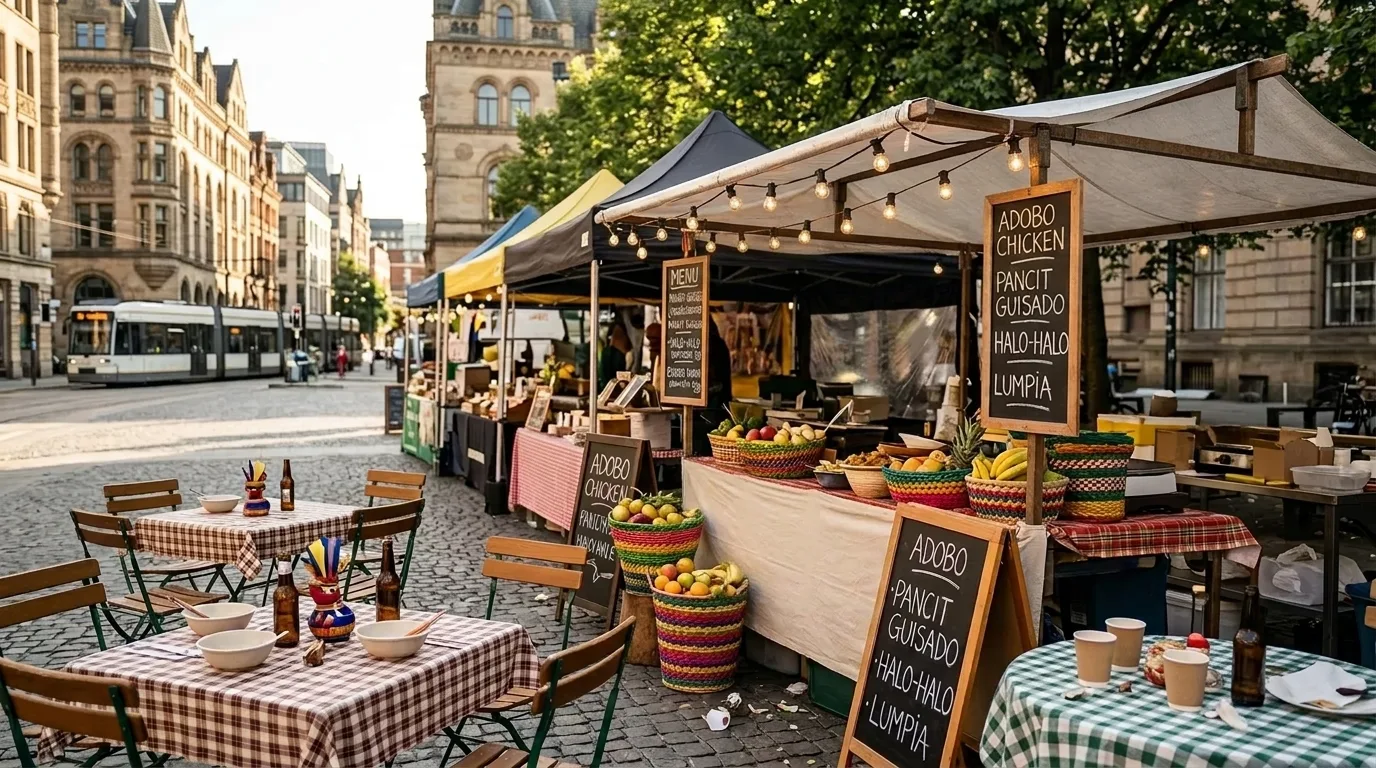
Food continues to play a central role in community-building efforts. Culinary events frequently bring together families, volunteers, entrepreneurs, and cultural organizations to celebrate Filipino cuisine while creating opportunities for social interaction. Dishes such as adobo, pancit, lumpia, lechon, halo-halo, and numerous regional specialties often become focal points of gatherings, sparking conversations and encouraging cultural exchange. Community leaders note that food serves as a universal language that helps strengthen relationships and create welcoming environments.
Traditional music and dance performances contribute significantly to the success of cultural events. Performers of all ages participate in presentations that showcase the artistic traditions of the Philippines, allowing audiences to experience the country's cultural diversity through creative expression. These performances not only entertain but also educate, helping preserve traditions while inspiring younger generations to learn about their heritage.
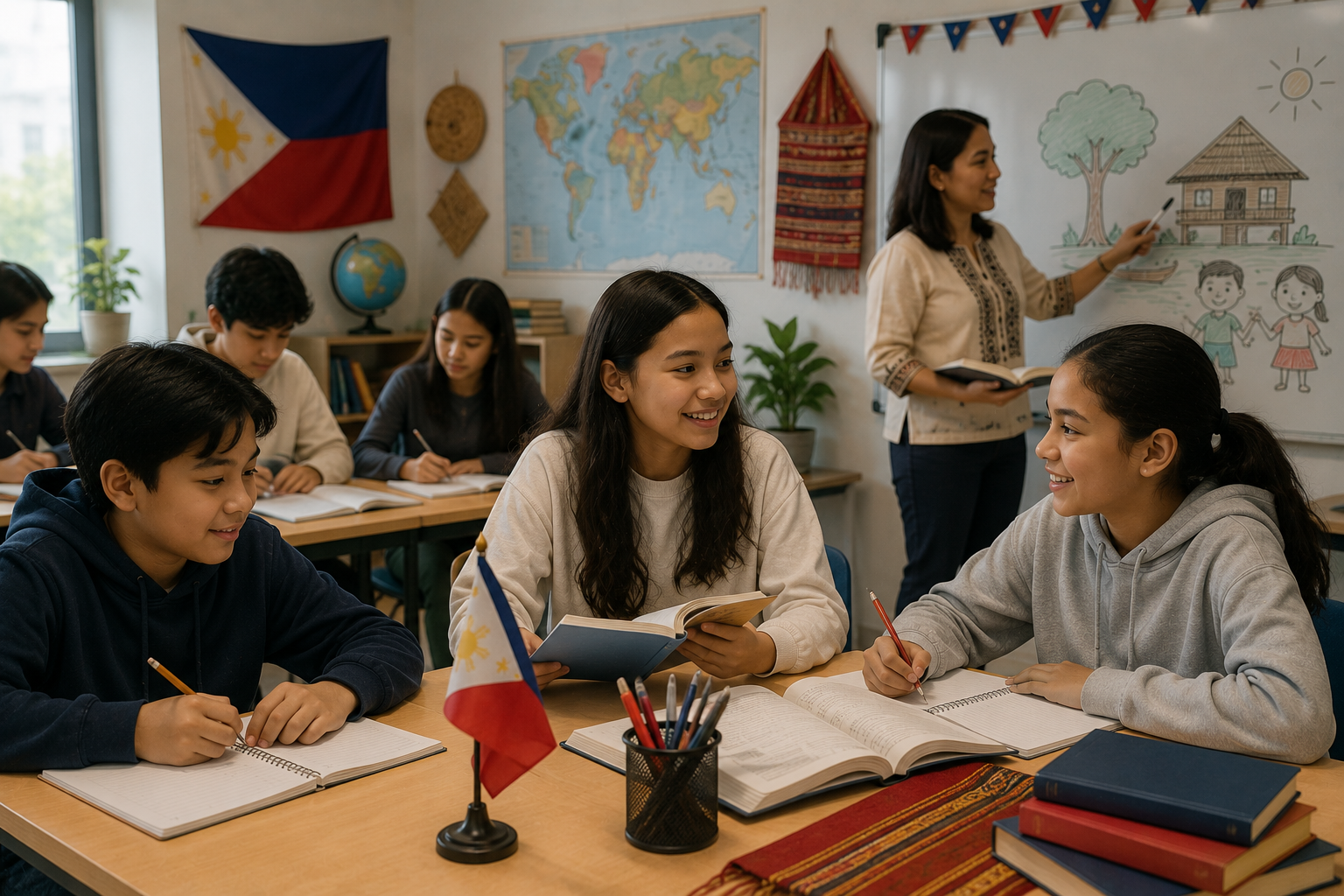
Youth involvement has become a major priority for many global Pinoy networks. Community leaders recognize that the future of cultural preservation depends on active participation from younger generations. As a result, many organizations have developed programs that encourage youth leadership, volunteerism, cultural education, and creative engagement. Through cultural events, young Filipinos have opportunities to explore their heritage, develop leadership skills, and build relationships with peers who share similar cultural backgrounds.
Second-generation and third-generation Filipinos often play key roles in organizing and promoting cultural initiatives. Many young community members use social media platforms, digital storytelling tools, and creative content development strategies to expand the reach of cultural programs. Their contributions help make events more accessible and relevant while introducing innovative approaches to heritage preservation and community engagement.
Technology has significantly enhanced the ability of global Pinoy networks to connect communities across geographic boundaries. Social media groups, livestreamed cultural programs, virtual heritage events, and online educational initiatives allow organizations to reach audiences beyond their immediate locations. These digital tools help strengthen relationships among Filipino communities in different countries while providing opportunities for broader participation in cultural activities.
Many cultural events also serve educational purposes. Heritage workshops, language programs, cultural presentations, and historical exhibits provide participants with opportunities to learn more about Philippine history, traditions, values, and achievements. Organizers believe that education is an essential component of cultural preservation because it helps individuals develop deeper understanding and appreciation of their heritage.
The spirit of bayanihan remains central to the success of community events organized by global Pinoy networks. Volunteers dedicate countless hours to planning, fundraising, coordinating activities, and supporting participants. Community leaders often describe these collaborative efforts as examples of traditional Filipino values in action. Through collective participation and shared responsibility, communities are able to create meaningful experiences that benefit a wide range of individuals and families.
Cultural events also play important roles in supporting the well-being of Overseas Filipinos. Living far from home can sometimes create feelings of isolation or disconnection, particularly for individuals adjusting to new environments. Community gatherings provide opportunities for social interaction, emotional support, and cultural familiarity that help strengthen resilience and overall well-being. Organizers frequently observe that strong community relationships contribute positively to participants' quality of life.
Many global Pinoy networks incorporate charitable and community service initiatives into their cultural programming. Fundraising events, scholarship programs, educational outreach efforts, disaster relief campaigns, and volunteer projects are often organized alongside cultural celebrations. These initiatives reflect the values of compassion, generosity, and social responsibility that remain deeply rooted within Filipino communities worldwide.
Partnerships with schools, universities, cultural institutions, local governments, and nonprofit organizations have further expanded the reach and impact of cultural events. Collaborative efforts provide access to resources, venues, expertise, and broader audiences while helping promote greater awareness of Filipino culture. Community leaders note that these partnerships strengthen both cultural programming and community engagement.
International audiences are increasingly participating in events organized by global Pinoy networks. Many visitors attend out of curiosity and leave with greater appreciation for Filipino culture, values, and traditions. Organizers view this engagement as an important form of cultural exchange that promotes understanding and strengthens relationships among diverse communities. These interactions often help break down stereotypes while highlighting the positive contributions of Filipinos around the world.
The economic benefits associated with cultural events have also become more apparent. Filipino-owned businesses, food vendors, artists, performers, and entrepreneurs often benefit from increased visibility and participation during community gatherings. Events create opportunities for local economic activity while supporting small businesses and cultural enterprises that contribute to community development.
Community leaders report that attendance at cultural events has continued to grow in many regions. Increased participation reflects strong interest in heritage preservation, community engagement, and cultural celebration among both Filipinos and non-Filipinos. Organizers attribute this growth to effective community outreach, strong volunteer support, expanded programming, and growing recognition of the importance of cultural diversity within multicultural societies.
The success of global Pinoy networks demonstrates how cultural events can serve as powerful tools for strengthening social connections. Through music, food, art, education, volunteerism, and community participation, these organizations create opportunities for meaningful interaction that help foster unity and belonging. Their efforts contribute not only to cultural preservation but also to stronger, more resilient communities.
Many organizations are now exploring new approaches to cultural programming, including youth mentorship initiatives, digital heritage projects, international collaborations, and expanded educational offerings. These innovations aim to ensure that community events remain relevant and accessible while continuing to meet the evolving needs of global Filipino populations.
Looking ahead, community leaders remain optimistic about the future of cultural engagement within global Pinoy networks. Strong participation, active volunteerism, increasing youth involvement, and growing public interest provide encouraging signs that cultural events will continue to play central roles in community life. Organizers believe that these gatherings will remain essential platforms for fostering relationships, celebrating heritage, and promoting cultural understanding.
Ultimately, the ability of global Pinoy networks to strengthen community connections through cultural events reflects the enduring power of shared traditions and collective identity. By bringing people together around common values, experiences, and cultural expressions, these initiatives help ensure that Filipino heritage remains vibrant while supporting the growth of strong and connected communities around the world.
As Filipino communities continue to thrive across continents, cultural events will remain important symbols of unity, pride, and resilience. Through the ongoing efforts of global Pinoy networks, the traditions, values, and spirit of the Filipino people continue to inspire connection, foster understanding, and strengthen communities for generations to come.
Enjoyed this story?
Share this story