International Audiences Discover Philippine Culture Through Community Festivals
Share
June 21, 2026
Updated Oct 15, 2026
8 min read
232 views
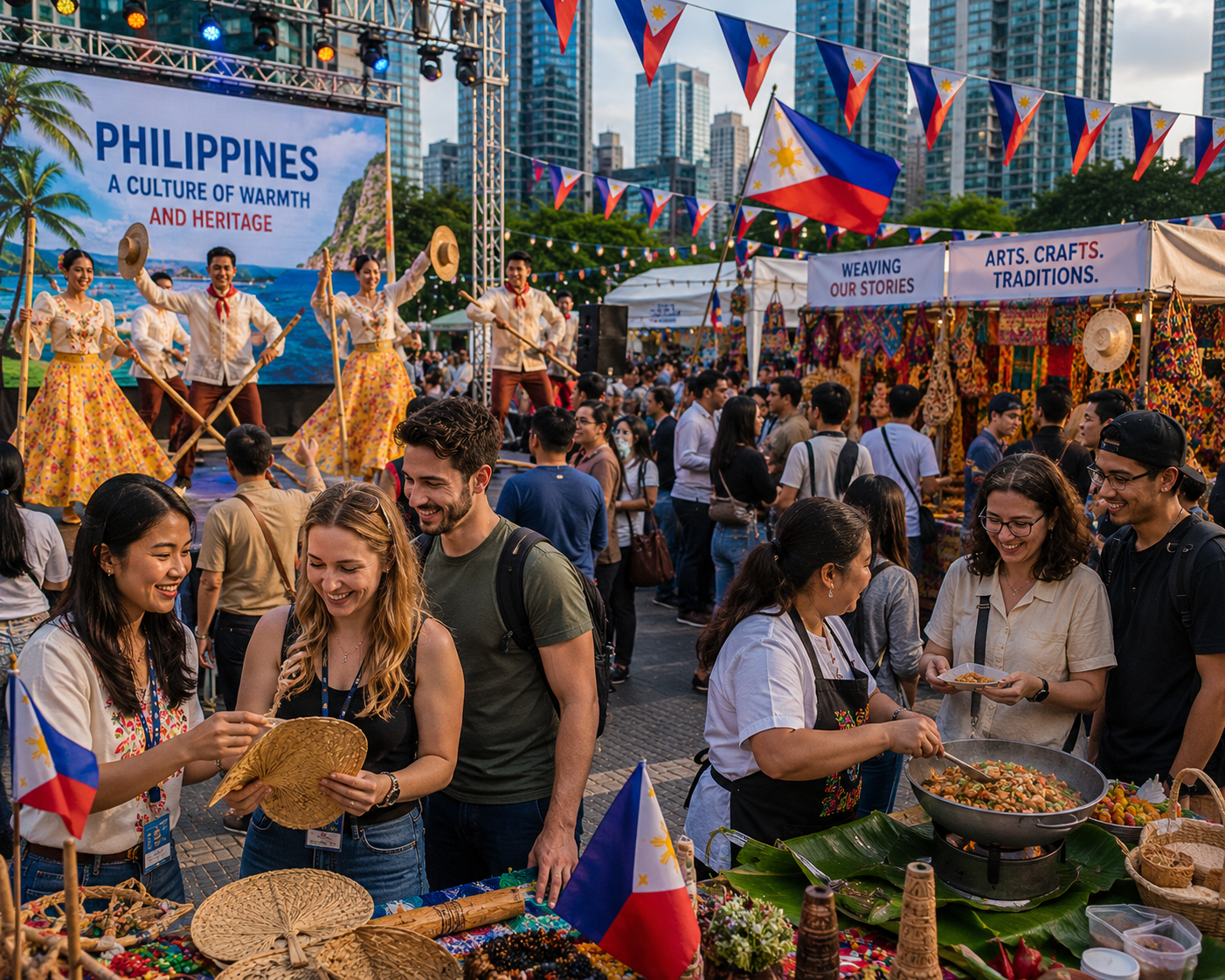
MANILA, Philippines — Community festivals organized by Filipino communities across the globe are introducing increasing numbers of international audiences to the rich and diverse culture of the Philippines. From major cities in North America and Europe to multicultural centers in Asia, Australia, and the Middle East, these festivals are becoming important platforms for cultural exchange, heritage preservation, and international engagement. Through music, dance, food, art, educational exhibits, and interactive experiences, Filipino organizations are helping people from different backgrounds discover and appreciate the traditions, values, and cultural achievements that have shaped Philippine society for generations.
Community leaders explain that the growing popularity of Filipino cultural festivals reflects broader global interest in authentic cultural experiences. In many countries, residents are seeking opportunities to learn about different cultures through firsthand experiences rather than through books or media alone. Community festivals provide immersive environments where visitors can interact with cultural traditions directly, allowing them to gain deeper understanding and appreciation. Organizers note that these events often become meaningful introductions to Philippine culture for individuals who may have had limited previous exposure to Filipino heritage.
The expansion of community festivals has been driven in part by the growth of Overseas Filipino populations around the world. As Filipino communities become more established in their host countries, there is increasing interest in creating cultural programs that celebrate heritage while fostering connections with broader local populations. Festivals serve as ideal venues for achieving these goals because they combine entertainment, education, and community engagement in ways that appeal to diverse audiences.
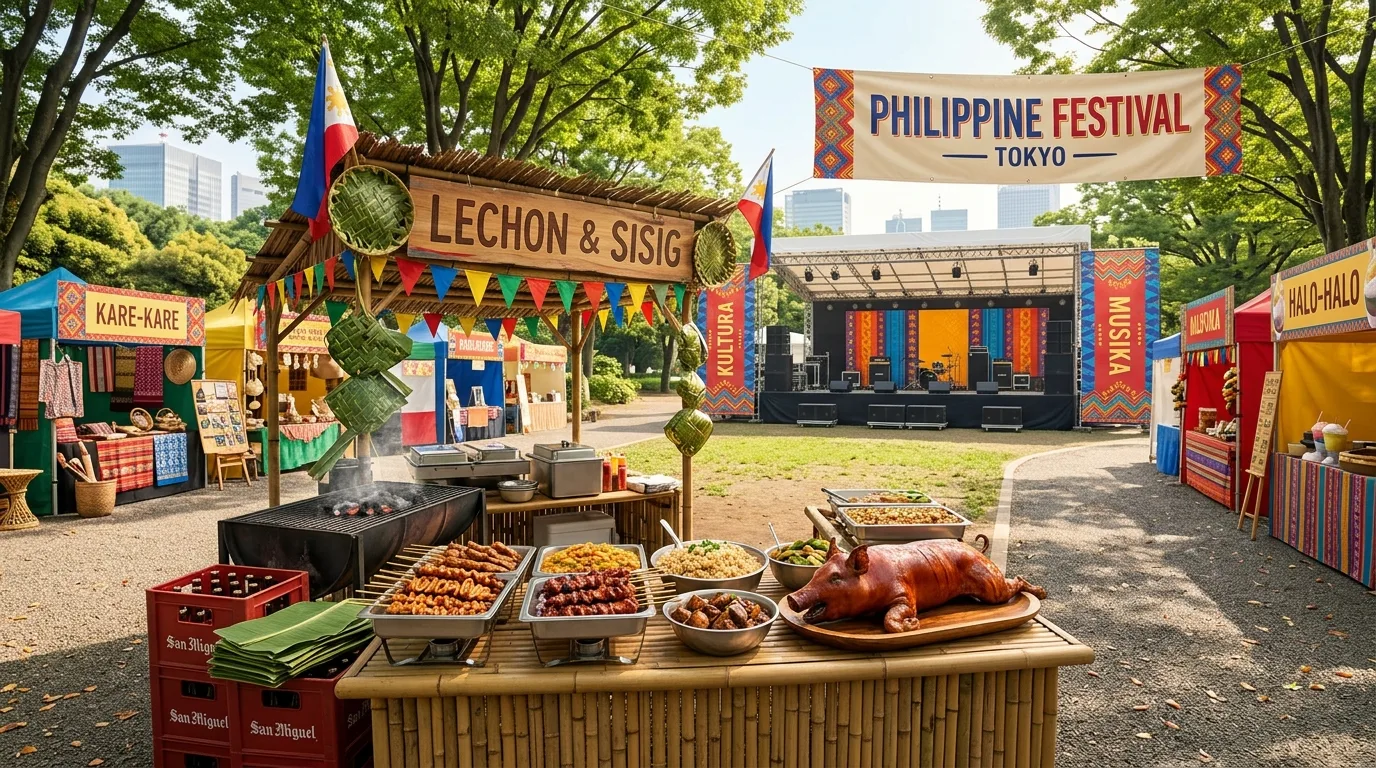
Traditional dance performances remain among the most popular attractions at Filipino community festivals. Audiences are often fascinated by performances such as Tinikling, Singkil, Pandanggo sa Ilaw, Cariñosa, Maglalatik, and other regional dances that reflect different aspects of Philippine history and culture. The vibrant costumes, intricate choreography, and historical narratives associated with these performances create memorable experiences for visitors while helping preserve important artistic traditions. Organizers frequently observe that cultural performances inspire curiosity and encourage attendees to learn more about the Philippines and its diverse cultural heritage.
Music serves as another powerful tool for cultural engagement. Community festivals often feature traditional Filipino music, rondalla ensembles, choir performances, folk songs, and contemporary cultural artists who showcase the breadth of Philippine musical traditions. Through these performances, audiences gain insight into the country's artistic heritage while experiencing forms of expression that connect communities across generations. Music's universal appeal allows cultural messages to transcend language barriers and create emotional connections among diverse audiences.
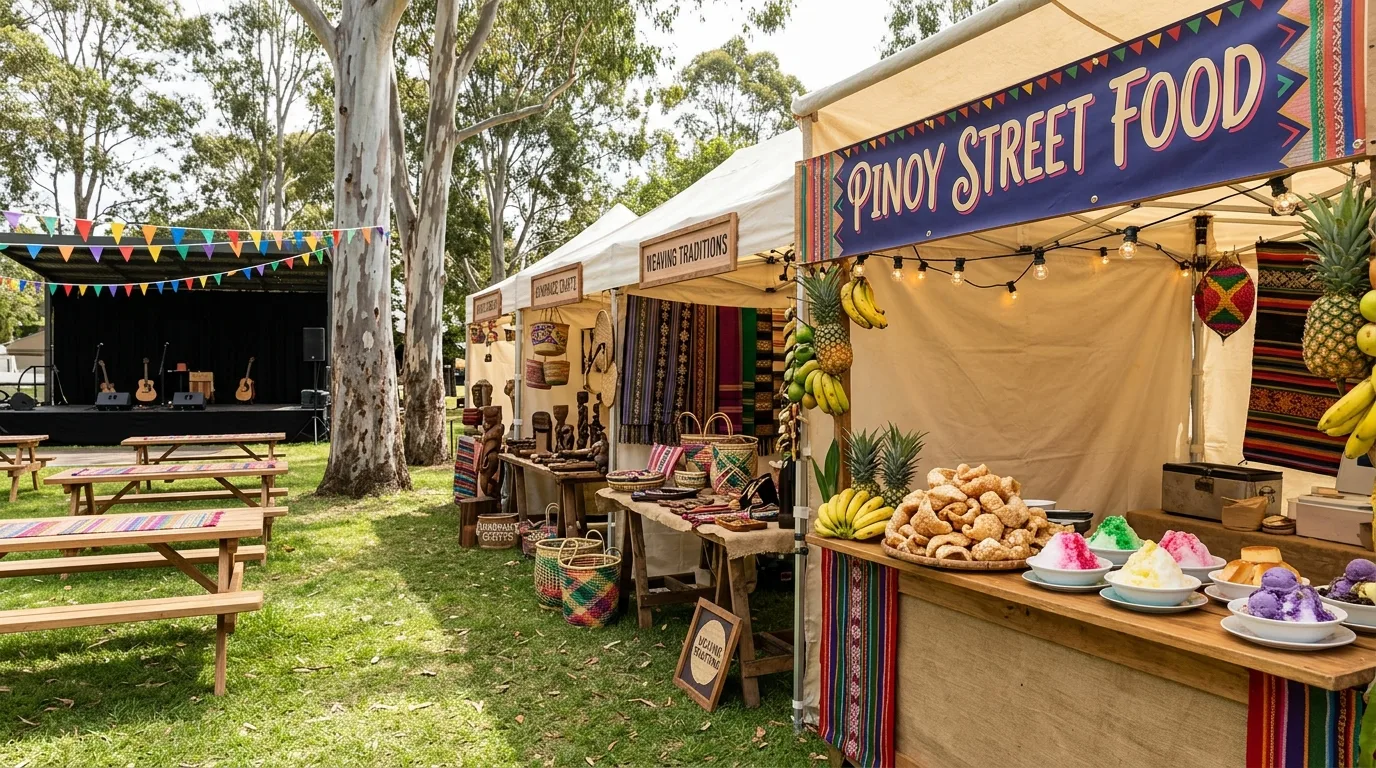
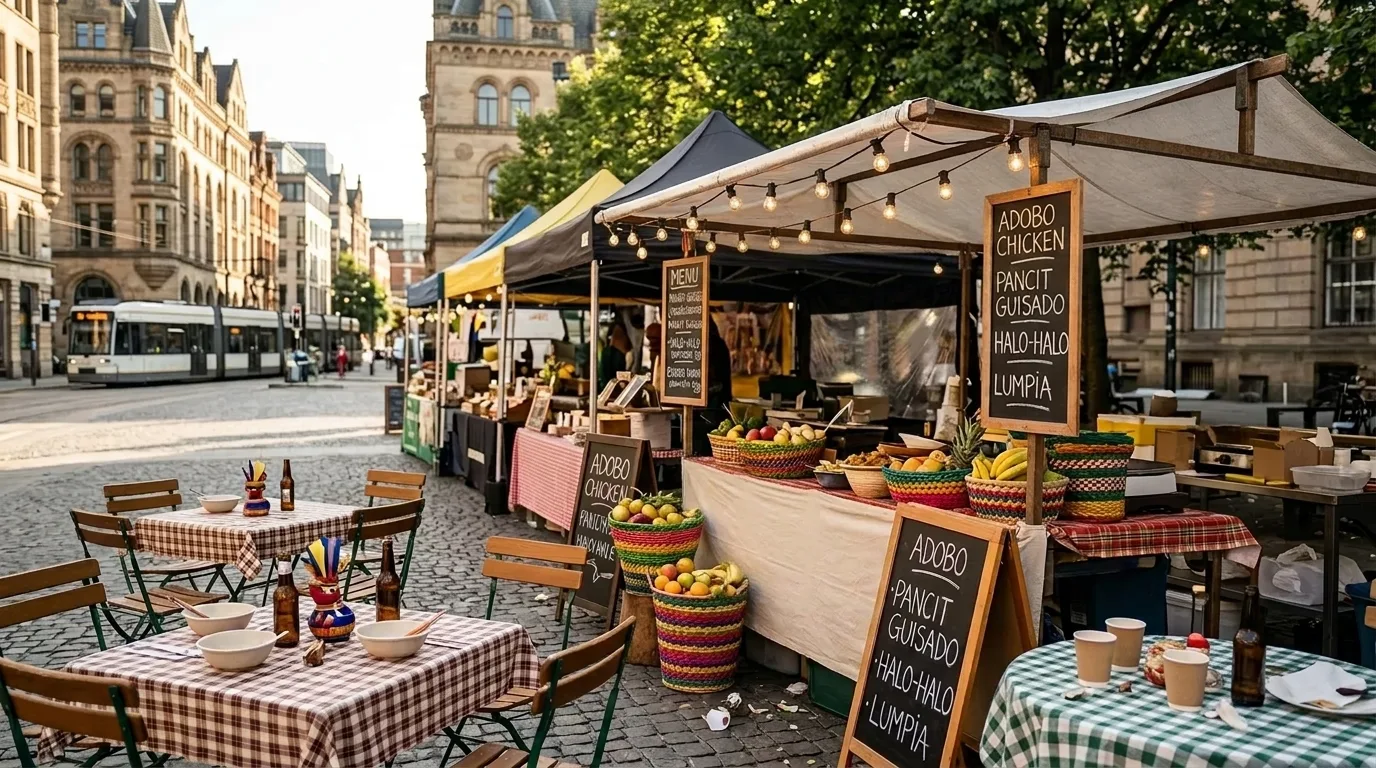
Food has emerged as one of the most effective ways of introducing Philippine culture to international visitors. Culinary festivals and food showcases consistently attract large crowds eager to explore Filipino cuisine. Popular dishes such as adobo, pancit, lumpia, lechon, kare-kare, sisig, halo-halo, and numerous regional specialties provide accessible entry points into broader cultural conversations. Organizers often describe food as a gateway to understanding culture because it combines tradition, family history, community values, and creativity in tangible and memorable ways.
Many visitors attending Filipino festivals for the first time express surprise at the diversity of Philippine cuisine. Community leaders explain that the Philippines' unique history and geographic diversity have produced a wide range of culinary traditions influenced by indigenous practices as well as centuries of cultural interaction with neighboring regions and international communities. Culinary demonstrations, cooking workshops, and food exhibits often help visitors understand these influences while deepening appreciation for Filipino food culture.
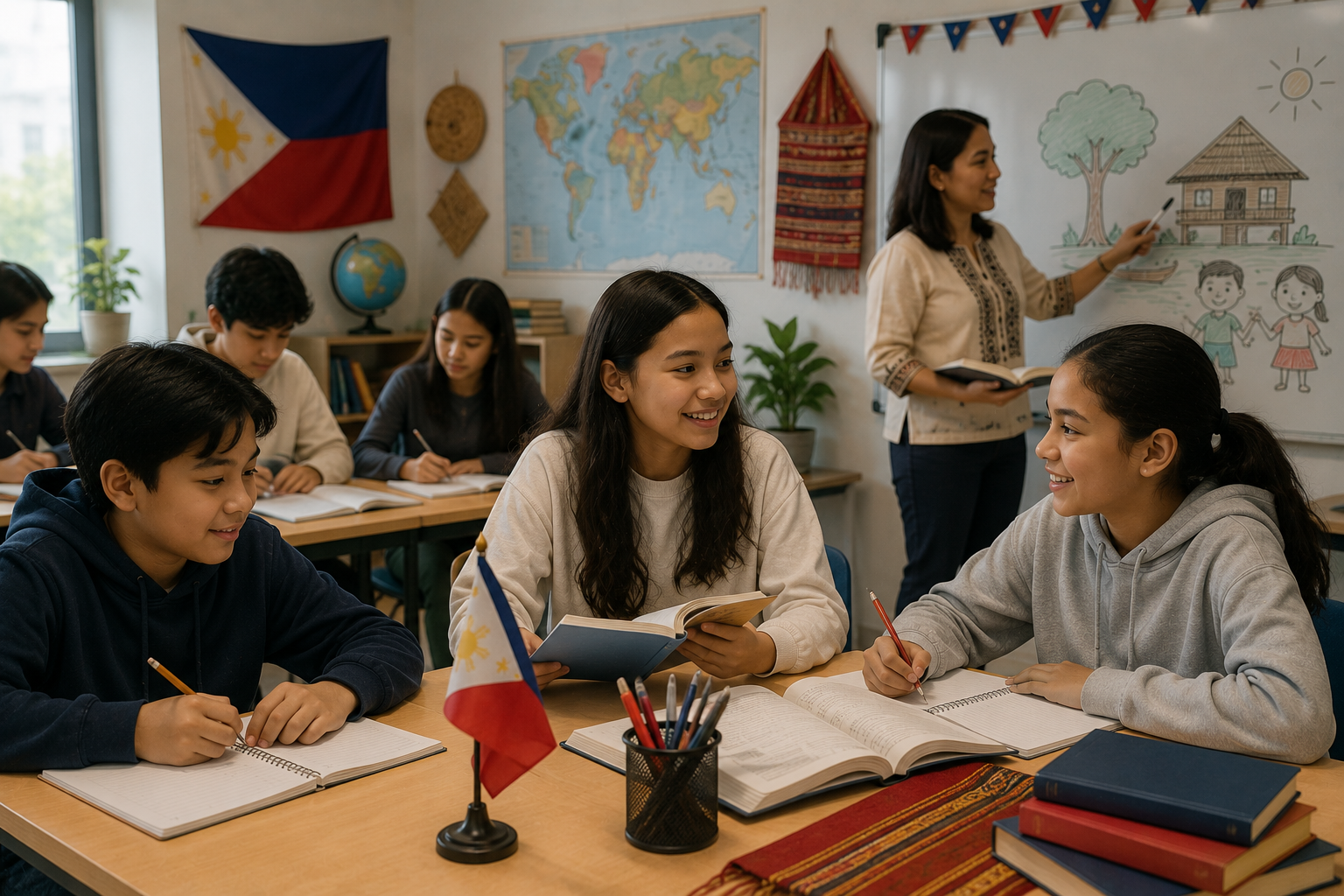
Educational programming has become increasingly important as community festivals continue to evolve. Organizers recognize that cultural appreciation is strengthened when visitors gain historical and social context alongside entertainment experiences. As a result, many festivals include heritage exhibits, historical displays, language workshops, cultural presentations, and educational discussions designed to provide deeper understanding of Philippine traditions and identity. These programs often attract students, educators, researchers, and individuals interested in cultural learning.
Visual arts and creative exhibitions have also become prominent features of many community festivals. Filipino artists frequently showcase paintings, photography, sculpture, textile arts, handicrafts, and contemporary creative works that reflect both traditional and modern interpretations of Filipino identity. Art exhibitions provide opportunities for visitors to engage with cultural narratives through visual storytelling while highlighting the creativity and innovation found within Filipino communities.
The participation of younger generations has contributed significantly to the growth and success of community festivals. Many second-generation and third-generation Filipinos living abroad serve as organizers, performers, volunteers, content creators, and cultural ambassadors who help shape festival experiences. Their involvement introduces fresh perspectives while ensuring that cultural traditions remain relevant to contemporary audiences. Community leaders note that youth participation strengthens the long-term sustainability of heritage preservation efforts.
Digital technology has expanded the reach of Filipino community festivals beyond physical event spaces. Social media platforms, livestream broadcasts, online exhibits, digital storytelling projects, and virtual cultural experiences allow organizers to engage audiences around the world. These tools have proven particularly effective in introducing Philippine culture to individuals who may not have opportunities to attend festivals in person. Organizers report that online engagement frequently inspires future participation and continued interest in Filipino culture.
Many festivals emphasize the importance of cultural exchange rather than simply cultural presentation. Organizers create opportunities for visitors to engage directly with community members through workshops, discussions, demonstrations, and interactive activities. These experiences encourage dialogue and mutual learning while helping visitors develop personal connections to the traditions being showcased. Community leaders believe that meaningful cultural exchange contributes significantly to greater understanding and respect among different communities.
The spirit of hospitality often associated with Filipino culture plays a major role in shaping positive visitor experiences. Festival attendees frequently comment on the welcoming atmosphere, friendliness, and generosity displayed by organizers and participants. Community leaders view hospitality as an important cultural value that helps create environments where visitors feel comfortable exploring unfamiliar traditions and engaging with diverse perspectives.
Community festivals also provide opportunities to challenge stereotypes and broaden perceptions of Philippine culture. Organizers strive to present comprehensive and inclusive representations that highlight the diversity of Filipino experiences, traditions, and achievements. Through educational exhibits and cultural programming, festivals help visitors move beyond simplified understandings while developing greater appreciation for the complexity and richness of Filipino heritage.
Many events feature regional cultural showcases that highlight the unique traditions, languages, artistic practices, and customs found throughout different parts of the Philippines. Community leaders emphasize that Filipino identity encompasses a wide range of cultural influences and experiences. By presenting regional diversity, festivals offer more nuanced and accurate representations of the country's heritage while encouraging deeper exploration of Philippine culture.
Partnerships with schools, museums, libraries, cultural institutions, and local governments have strengthened the impact of many community festivals. Collaborative efforts provide access to additional resources, educational opportunities, and broader audiences. Organizers note that institutional partnerships help elevate the visibility of Filipino culture while supporting long-term community engagement and cultural education initiatives.
The economic benefits associated with community festivals have also become increasingly significant. Local businesses, food vendors, artists, performers, and entrepreneurs often benefit from increased visibility and participation. Some festivals attract visitors from neighboring regions and contribute to local tourism activity, creating positive impacts that extend beyond cultural programming. Community leaders believe that these economic benefits complement broader goals related to cultural promotion and community development.
International visitors frequently describe community festivals as valuable opportunities to experience authentic cultural traditions in welcoming and engaging environments. Many attendees leave with increased appreciation for Philippine culture and a desire to learn more about the country's history, destinations, and people. Organizers view these outcomes as evidence of the important role festivals play in building cultural understanding and strengthening global connections.
The continued growth of Filipino community festivals reflects broader recognition of the importance of cultural diversity in contemporary societies. As communities become increasingly interconnected, opportunities for cultural exchange help foster mutual respect, inclusion, and social cohesion. Filipino organizations are contributing meaningfully to these goals by creating events that celebrate heritage while inviting participation from people of all backgrounds.
Looking ahead, community leaders anticipate continued expansion of cultural programming through enhanced educational initiatives, youth leadership programs, digital engagement strategies, and international collaborations. Many organizers remain committed to finding innovative ways to share Philippine culture while preserving traditions for future generations. The growing interest among international audiences provides strong motivation to continue developing programs that promote cultural understanding and appreciation.
Ultimately, the success of Filipino community festivals demonstrates the power of culture to connect people across borders, languages, and backgrounds. Through music, dance, food, art, education, and personal interaction, these events create opportunities for meaningful engagement that transcend differences and build lasting connections. They remind participants that cultural heritage is not only something to be preserved but also something to be shared and celebrated with the wider world.
As international audiences continue to discover Philippine culture through community festivals, Filipino organizations remain at the forefront of efforts to promote understanding, appreciation, and cultural exchange. Their work ensures that the traditions, values, creativity, and stories of the Filipino people continue to inspire audiences globally while strengthening pride and unity within communities both at home and abroad.
Enjoyed this story?
Share this story