International Culinary Events Feature Growing Number of Filipino Food Exhibitors
Share
June 15, 2026
Updated Oct 16, 2026
8 min read
227 views
MANILA, Philippines — Filipino food exhibitors are gaining greater visibility and recognition at international culinary events as the global appetite for Philippine cuisine continues to expand. Across major food festivals, trade exhibitions, culinary competitions, restaurant showcases, tourism expos, and international food conferences, Filipino chefs, restaurateurs, food entrepreneurs, and culinary organizations are increasingly participating in events that highlight the diversity, creativity, and cultural significance of Filipino gastronomy.
The growing presence of Filipino exhibitors reflects a broader trend in the international food industry, where consumers are seeking authentic culinary experiences that offer both unique flavors and meaningful cultural stories. For many years, Filipino cuisine remained one of the world's best-kept culinary secrets despite the size of the global Filipino diaspora and the richness of the country's food traditions. Today, however, culinary experts, food critics, restaurateurs, and event organizers are increasingly recognizing Filipino cuisine as one of the most exciting and rapidly emerging food cultures in the international culinary landscape.
International culinary events provide important platforms for introducing Filipino cuisine to new audiences. These gatherings attract chefs, food buyers, distributors, hospitality professionals, media representatives, tourism stakeholders, and culinary enthusiasts from around the world. By participating in these events, Filipino exhibitors gain opportunities to present traditional dishes, regional specialties, innovative food products, and modern culinary concepts while building relationships that support the continued growth of Philippine gastronomy.
One of the primary reasons for the increasing popularity of Filipino exhibitors is the remarkable diversity of Philippine cuisine itself. The Philippines is composed of thousands of islands, numerous linguistic groups, and a rich blend of cultural influences that have shaped culinary traditions over centuries. Each region contributes distinctive ingredients, cooking methods, flavors, and food practices that together create one of the most diverse culinary landscapes in Asia. International audiences are increasingly drawn to this diversity, viewing Filipino cuisine as a source of exciting and authentic dining experiences.
Many exhibitors focus on introducing traditional Filipino dishes that represent the country's culinary heritage. Visitors to international events often have opportunities to sample regional specialties that showcase local ingredients and long-standing cooking traditions. These dishes frequently spark curiosity among attendees who are interested in exploring cuisines beyond more familiar international offerings. Organizers note that first-time experiences with Filipino food often lead to deeper interest in Philippine culture, tourism, and culinary history.
The success of Filipino food exhibitors is also being driven by a new generation of chefs who are redefining how Philippine cuisine is presented on the global stage. While respecting traditional flavors and techniques, many culinary professionals are incorporating modern presentation styles, innovative ingredients, and contemporary cooking methods. These approaches help introduce Filipino food to broader audiences while maintaining strong connections to cultural heritage. Culinary experts believe that this balance between tradition and innovation is contributing significantly to the international appeal of Filipino gastronomy.
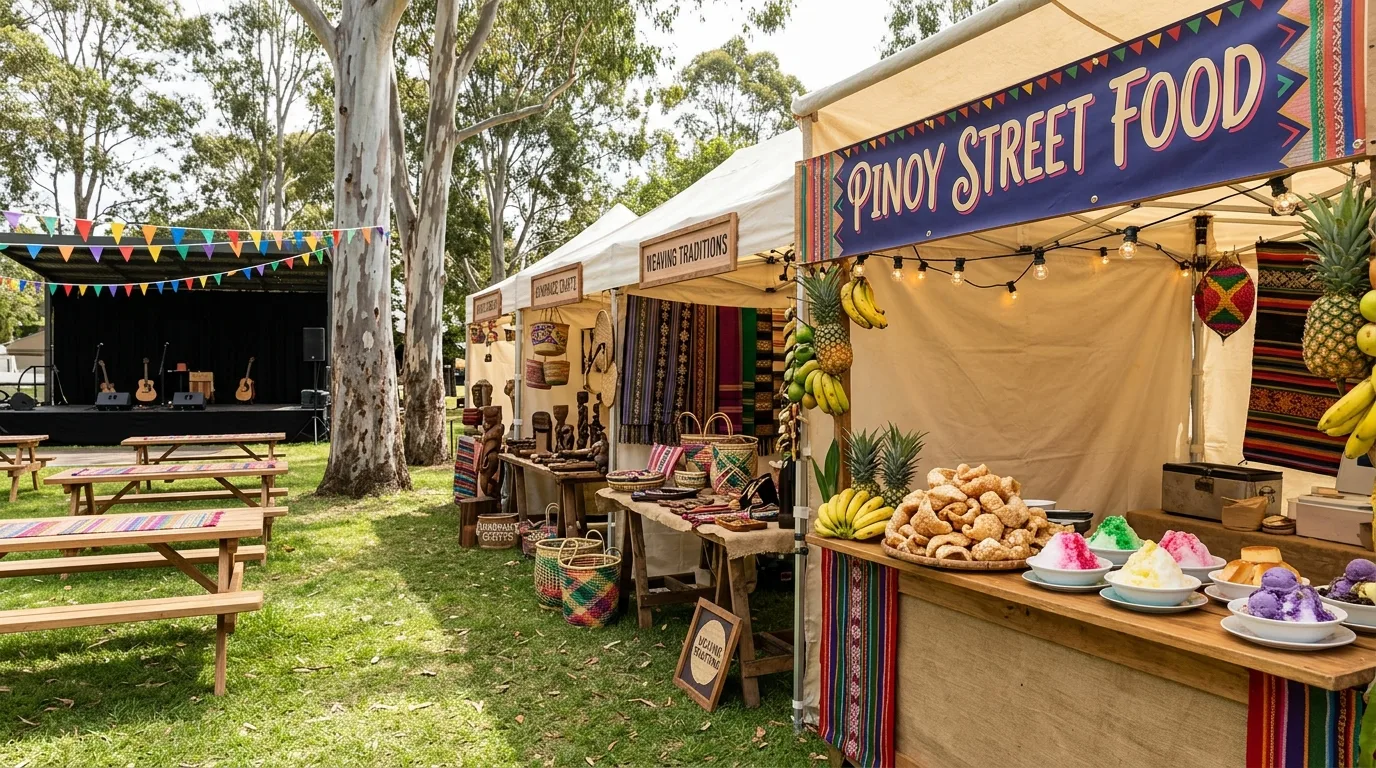
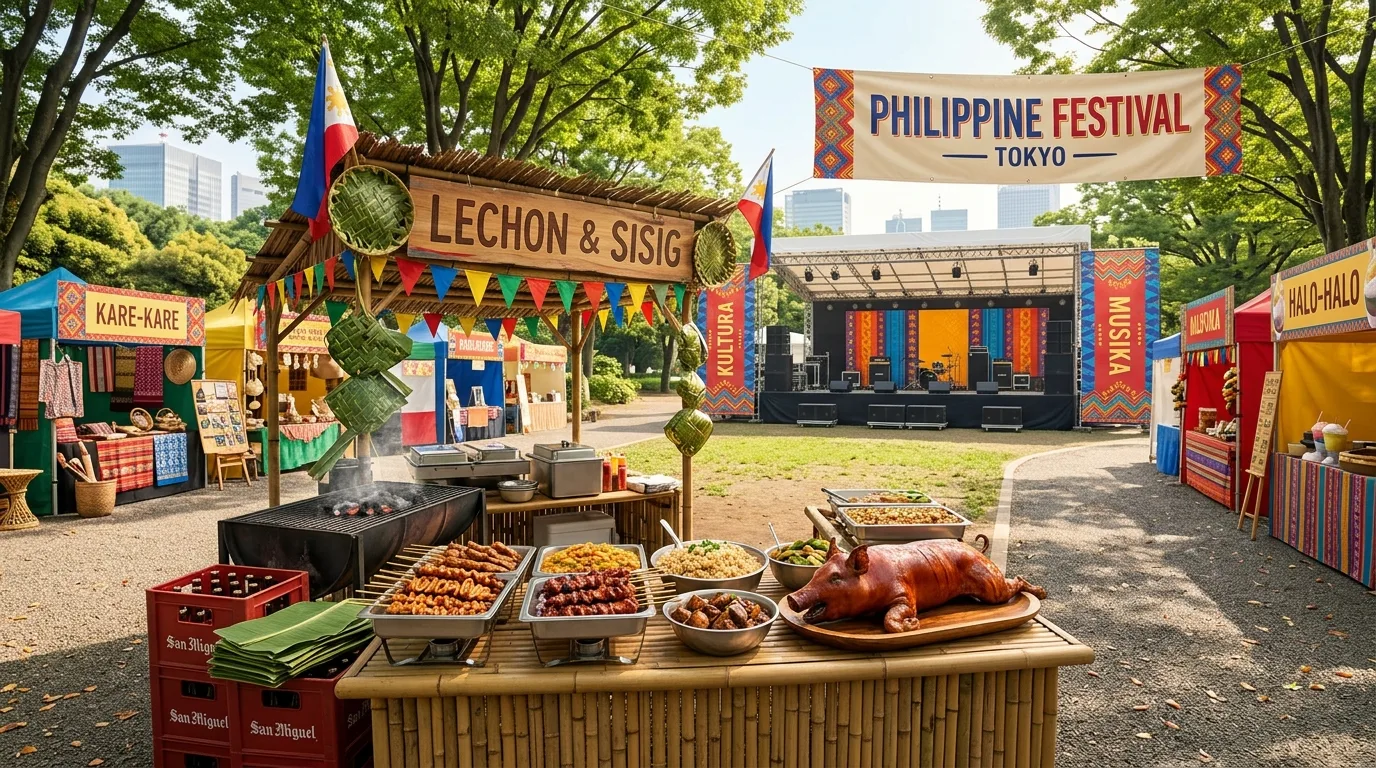
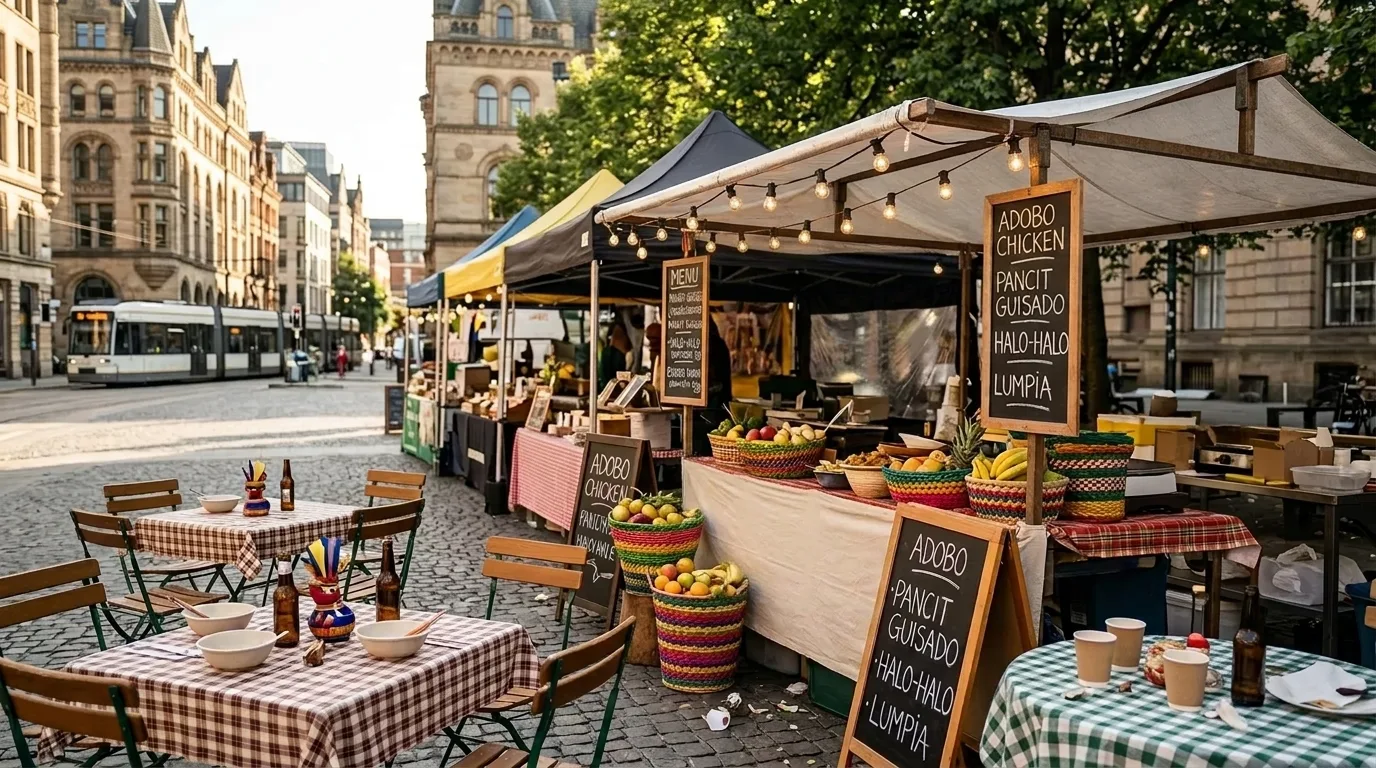
Food festivals have become particularly important venues for showcasing Filipino cuisine. Large-scale culinary events often feature dedicated Filipino pavilions, food stalls, cooking demonstrations, and cultural exhibits that allow attendees to engage directly with Filipino food culture. These experiences go beyond dining by incorporating storytelling, education, and cultural interaction. Organizers emphasize that food serves as an accessible gateway to understanding broader aspects of Philippine identity and heritage.
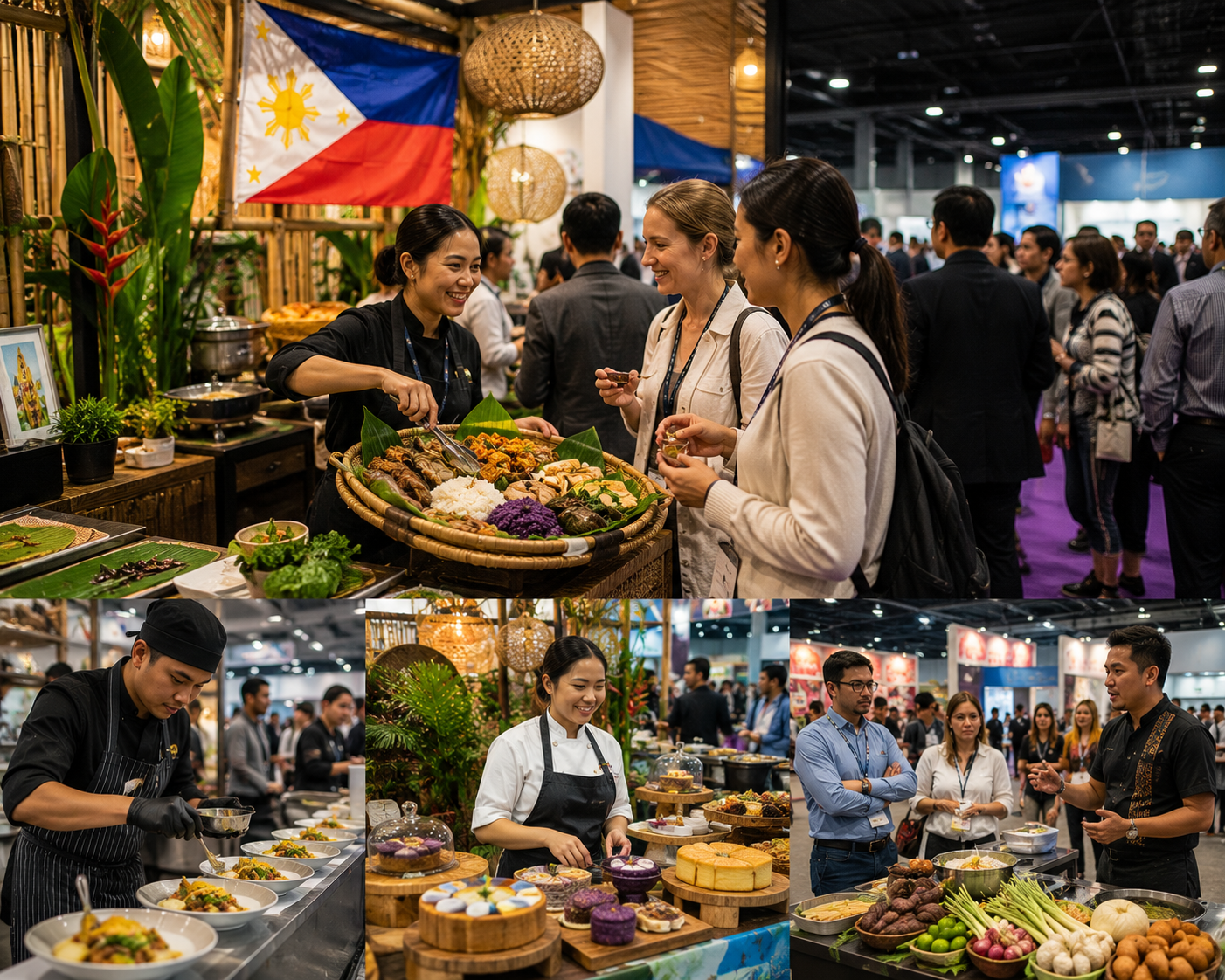
Cooking demonstrations have emerged as highly effective tools for promoting Filipino cuisine. Filipino chefs participating in international events often conduct live presentations that explain cooking techniques, ingredient selection, and cultural traditions associated with specific dishes. These demonstrations help audiences understand the craftsmanship and cultural significance behind Filipino cooking while encouraging appreciation for the complexity of the cuisine. Attendees frequently report that interactive experiences enhance their understanding and enjoyment of the food.
The participation of Filipino food entrepreneurs has also contributed significantly to the expansion of Philippine cuisine abroad. Many exhibitors showcase packaged food products, specialty ingredients, beverages, sauces, snacks, and innovative culinary products designed for international markets. These businesses help make Filipino flavors more accessible to consumers while supporting economic opportunities for producers and manufacturers. Industry observers note that international exhibitions often serve as important entry points for expanding distribution and market reach.
Tourism promotion has become closely connected to culinary exhibitions. Many Filipino exhibitors collaborate with tourism organizations to highlight the relationship between food and travel experiences in the Philippines. Culinary tourism has become one of the fastest-growing segments of the global travel industry, and Philippine destinations increasingly attract visitors interested in exploring regional food cultures. International culinary events provide valuable opportunities to showcase both the country's cuisine and its tourism potential.
The influence of social media has significantly amplified the visibility of Filipino food exhibitors. Festival attendees, food influencers, travel bloggers, and media representatives frequently share photographs, videos, and reviews of Filipino dishes across digital platforms. This online exposure extends the impact of events far beyond physical venues and introduces Filipino cuisine to millions of viewers worldwide. Organizers note that social media engagement often translates into increased awareness, restaurant visits, and interest in future culinary events.
Filipino food exhibitors are also benefiting from changing consumer preferences. Modern consumers increasingly value authenticity, cultural diversity, and storytelling within dining experiences. Filipino cuisine offers all three elements, combining rich historical influences with regional diversity and strong cultural narratives. Culinary professionals observe that audiences are becoming more receptive to discovering lesser-known cuisines and exploring flavors that reflect unique cultural traditions.
Educational institutions and culinary schools have also played important roles in supporting Filipino participation in international events. Training programs, culinary competitions, academic partnerships, and professional development initiatives help prepare chefs and food entrepreneurs for international engagement. Educators believe that investing in culinary talent contributes not only to individual success but also to the broader recognition of Philippine gastronomy worldwide.
The role of overseas Filipino communities cannot be overlooked in the growing popularity of Filipino food exhibitions. Filipino communities around the world often support local restaurants, organize food festivals, and advocate for greater visibility of Philippine cuisine. Their efforts create demand, build awareness, and help establish markets that encourage broader participation in international culinary events. Community leaders view food as one of the most effective ways to share culture and strengthen connections across generations.
International recognition has also opened new opportunities for collaboration between Filipino and international chefs. Joint culinary projects, restaurant partnerships, guest chef appearances, and cultural exchange programs allow professionals to learn from one another while introducing Filipino flavors to new audiences. These collaborations contribute to innovation while strengthening the global reputation of Philippine cuisine.
Regional representation remains an important aspect of many exhibitions. Filipino exhibitors often highlight specialties from Luzon, Visayas, and Mindanao, demonstrating the diversity that exists within the country's culinary traditions. By showcasing regional differences, exhibitors help audiences understand that Philippine cuisine cannot be defined by a single dish or cooking style. Instead, it represents a broad collection of traditions shaped by geography, history, and local culture.
The economic impact of increased participation in international culinary events is becoming increasingly significant. Food exports, restaurant expansion, tourism growth, and culinary entrepreneurship all benefit from greater international exposure. Industry stakeholders note that successful exhibitions create opportunities for businesses while contributing to broader economic development within the food and hospitality sectors.
Sustainability has also become an emerging theme within Filipino culinary exhibitions. Many exhibitors emphasize locally sourced ingredients, traditional farming practices, responsible seafood harvesting, and environmentally conscious production methods. These approaches align with growing consumer interest in sustainability while highlighting the importance of preserving culinary resources for future generations.
Young Filipino chefs and entrepreneurs are increasingly becoming ambassadors of Philippine cuisine on the global stage. Their creativity, energy, and willingness to experiment with new concepts contribute to the continued evolution of Filipino gastronomy. Community leaders view youth participation as essential for ensuring that Philippine cuisine remains dynamic, relevant, and competitive in the international food industry.
Many industry observers believe that Filipino cuisine is entering a period of sustained global growth. Continued participation in international events, expanding restaurant presence, increasing media attention, and growing consumer interest all suggest strong potential for future development. Culinary experts predict that Filipino food will continue gaining recognition as one of the world's most exciting culinary traditions.
Looking ahead, Filipino exhibitors are expected to play even larger roles in international culinary events as demand for authentic and culturally rich food experiences continues to increase. New partnerships, innovative products, expanded educational efforts, and stronger industry support are likely to create additional opportunities for growth. Organizers remain optimistic about the future and believe that Filipino cuisine is well-positioned to achieve even greater global prominence.
Ultimately, the growing number of Filipino food exhibitors at international culinary events reflects more than just increasing interest in a cuisine. It represents the successful sharing of culture, history, creativity, and identity through food. Each dish presented, story shared, and culinary experience offered contributes to greater understanding and appreciation of the Philippines and its people.
As Filipino cuisine continues to gain recognition on the world stage, international culinary events will remain important platforms for celebrating the richness and diversity of Philippine gastronomy. Through the efforts of chefs, entrepreneurs, cultural advocates, and overseas Filipino communities, the flavors of the Philippines are reaching new audiences and earning their place among the world's most respected and admired culinary traditions.
Enjoyed this story?
Share this story