International Culinary Festivals Feature Growing Number of Filipino Food Exhibitors
Share
June 10, 2026
Updated Oct 16, 2026
8 min read
239 views
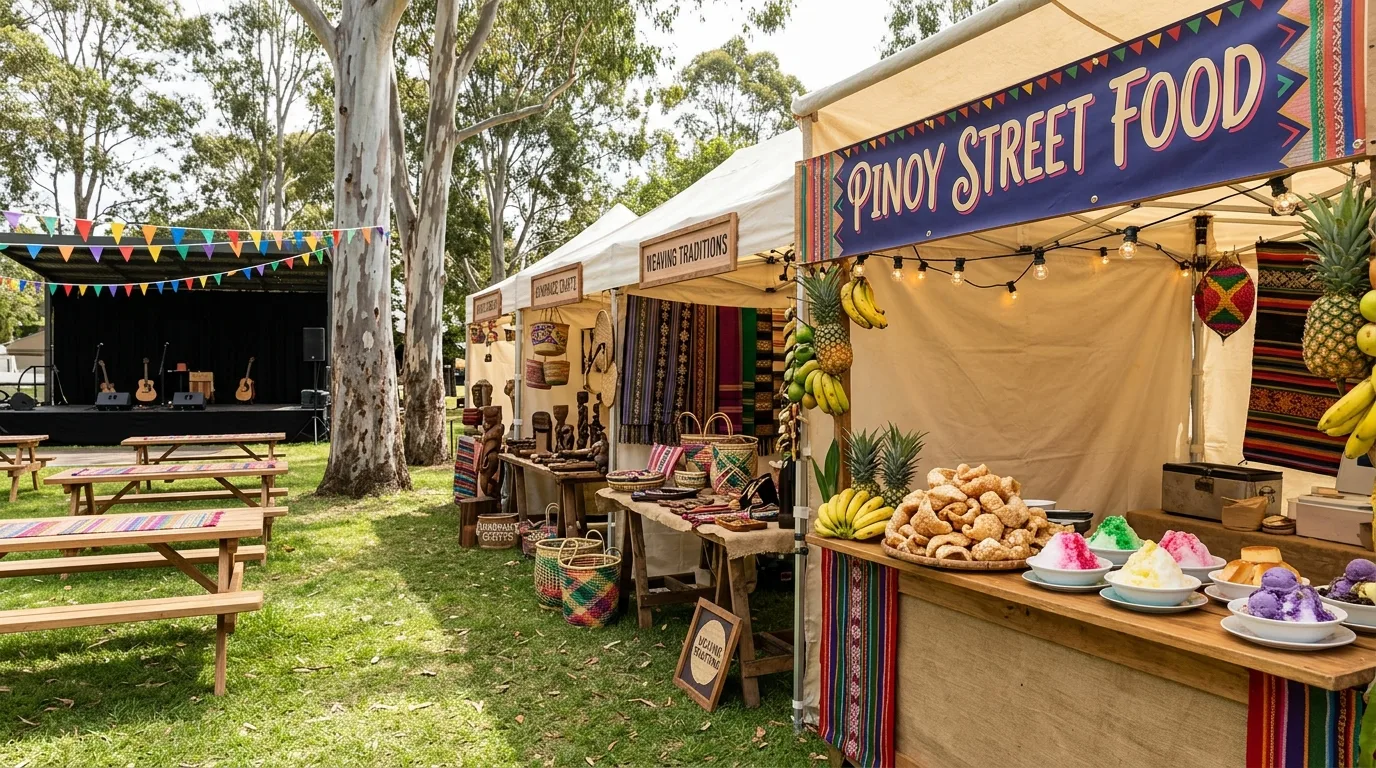
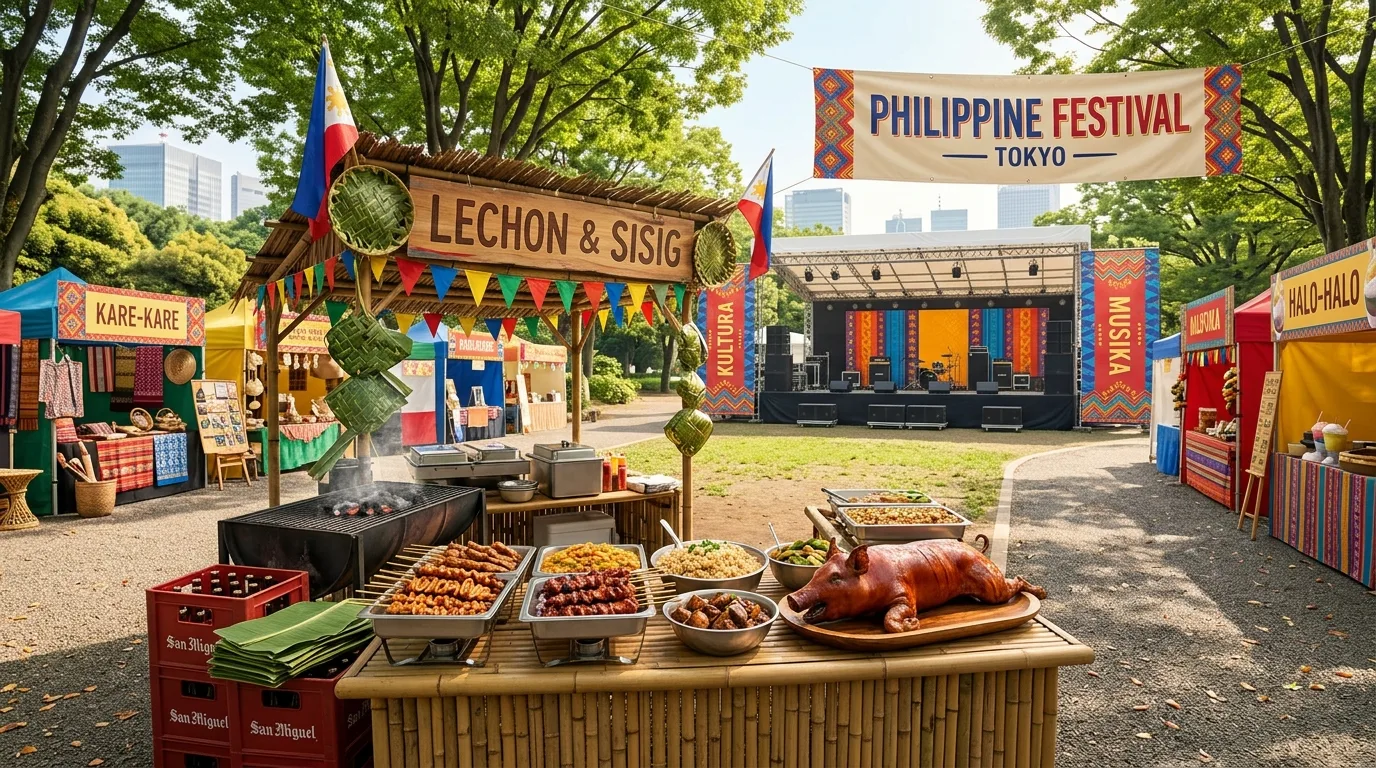
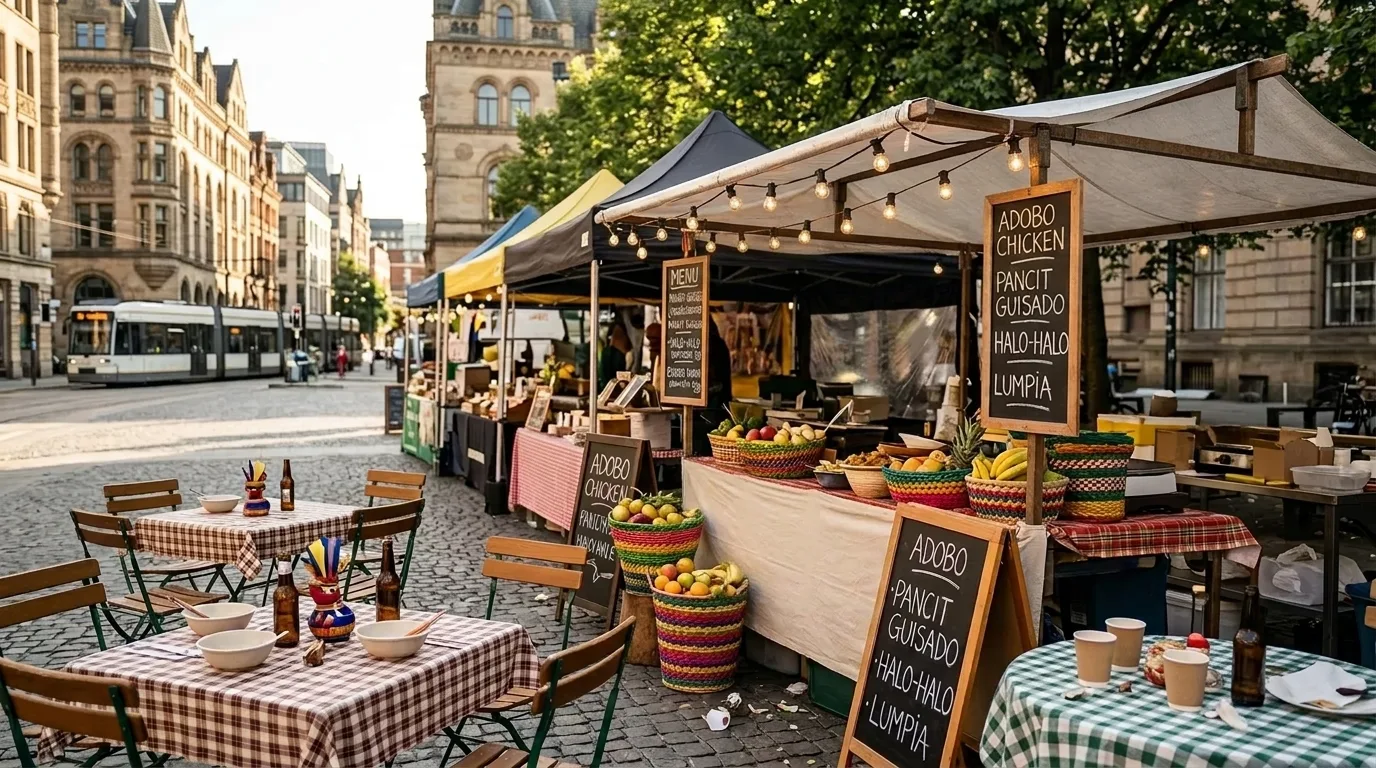
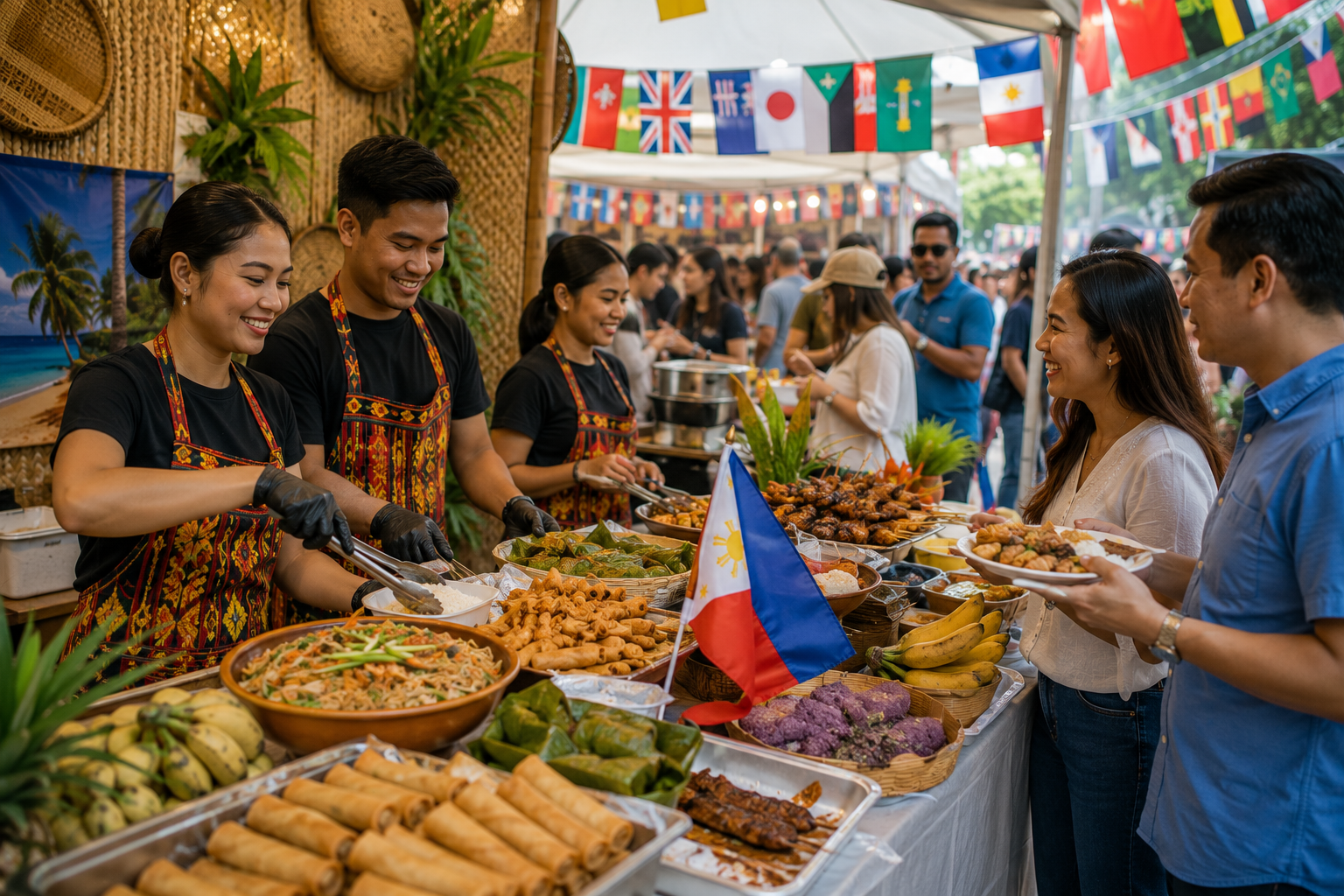
MANILA, Philippines — Filipino cuisine is gaining unprecedented visibility on the international stage as a growing number of Filipino food exhibitors participate in major culinary festivals across North America, Europe, Asia, Australia, and the Middle East. From celebrated chefs and restaurant owners to food entrepreneurs and cultural organizations, Filipinos are increasingly using global culinary events as platforms to showcase the rich flavors, diverse traditions, and unique culinary heritage of the Philippines. This growing presence reflects rising international interest in Filipino food and highlights the important role that cuisine plays in cultural promotion and global engagement.
For many years, Filipino cuisine remained one of the world's best-kept culinary secrets despite the widespread presence of Filipino communities around the globe. However, changing consumer preferences, increased interest in cultural authenticity, and greater exposure through social media and international food media have contributed to growing recognition of Philippine culinary traditions. Today, Filipino food exhibitors are finding enthusiastic audiences at international culinary festivals where attendees are eager to explore new flavors and learn about different food cultures.
Industry observers note that the increasing participation of Filipino exhibitors reflects broader trends within the global food sector. Consumers are increasingly seeking authentic culinary experiences that tell stories about history, heritage, and culture. Filipino cuisine, with its rich blend of indigenous traditions and influences from various parts of the world, offers a unique culinary experience that appeals to adventurous food enthusiasts and cultural explorers alike. International festivals provide ideal environments for introducing these flavors to diverse audiences.
Many Filipino exhibitors view culinary festivals as opportunities to share more than just food. They often present cuisine as a reflection of culture, history, family traditions, and regional identities. Through food demonstrations, tasting events, cultural exhibits, and educational presentations, visitors gain insights into the stories and traditions that shape Philippine gastronomy. Organizers frequently emphasize that food serves as a powerful cultural ambassador capable of creating meaningful connections between people from different backgrounds.
One of the key attractions of Filipino cuisine is its diversity. The Philippines is an archipelago composed of numerous regions, each with its own culinary traditions, ingredients, cooking methods, and signature dishes. Culinary festivals provide opportunities for exhibitors to highlight this diversity by showcasing regional specialties that many international audiences may be encountering for the first time. Community leaders believe that increasing awareness of regional cuisine helps promote a more complete understanding of Philippine food culture.
Traditional dishes continue to attract significant attention at international events. Festival attendees are often drawn to Filipino specialties that combine bold flavors, unique textures, and distinctive preparation techniques. Exhibitors frequently explain the cultural significance of various dishes, sharing stories about family traditions, local ingredients, and regional customs. These interactions help transform culinary experiences into educational opportunities while fostering greater appreciation for Philippine culture.
In addition to traditional cuisine, many Filipino food exhibitors are introducing contemporary interpretations of classic dishes. Modern Filipino chefs are increasingly blending traditional ingredients and techniques with innovative culinary approaches that appeal to global audiences. These creative presentations demonstrate the adaptability and evolving nature of Philippine cuisine while maintaining strong connections to cultural heritage. Culinary experts note that innovation plays an important role in expanding international awareness and acceptance of Filipino food.
Food entrepreneurs have become key contributors to the growing visibility of Filipino cuisine. Small business owners, food vendors, specialty product producers, and restaurant operators frequently participate in culinary festivals as a way of introducing products to new markets. Their involvement creates opportunities for business growth while supporting broader efforts to promote Philippine food culture internationally. Many entrepreneurs report that festival participation has helped generate interest from customers, distributors, and potential business partners.
The role of overseas Filipino communities has been particularly significant in supporting the expansion of Filipino representation at international culinary events. Community organizations often collaborate with food exhibitors, cultural groups, and festival organizers to create larger and more comprehensive presentations of Philippine culture. These partnerships strengthen promotional efforts while ensuring that food is presented within a broader cultural context that includes music, dance, art, and heritage.
Food tourism advocates view the growing popularity of Filipino exhibitors as a positive development for the Philippine tourism sector. Culinary experiences increasingly influence travel decisions, with many travelers seeking destinations known for distinctive food cultures. International culinary festivals help introduce audiences to Philippine cuisine while inspiring interest in visiting the country to experience its culinary traditions firsthand. Tourism stakeholders recognize that food can serve as a powerful gateway to broader cultural and travel experiences.
Social media has played a major role in accelerating global interest in Filipino cuisine. Festival attendees frequently share photographs, videos, reviews, and personal experiences online, helping amplify exposure far beyond event venues. Viral food content, digital storytelling, and influencer engagement have contributed to greater awareness of Philippine dishes and culinary traditions. Exhibitors often leverage these platforms to connect with audiences and extend the impact of their festival participation.
Educational components have become increasingly important within culinary festival programming. Cooking demonstrations, ingredient showcases, cultural discussions, and interactive workshops help attendees understand not only how dishes are prepared but also why they hold cultural significance. Organizers believe that education deepens appreciation while creating more meaningful connections between visitors and Filipino culinary traditions.
The growing recognition of Filipino cuisine has also created opportunities for chefs and culinary professionals to gain international exposure. Participation in festivals allows them to demonstrate skills, exchange ideas with peers, and engage with food enthusiasts from around the world. Many culinary professionals view these events as valuable opportunities for learning, networking, and professional development. Community leaders note that international recognition of Filipino culinary talent contributes positively to national pride and cultural promotion.
Many culinary festivals emphasize sustainability, local sourcing, and responsible food practices. Filipino exhibitors are increasingly highlighting traditional ingredients, indigenous food knowledge, and sustainable culinary techniques that reflect longstanding cultural relationships with food and the environment. These themes resonate with modern consumers who are increasingly interested in ethical and environmentally conscious food choices.
The participation of younger chefs and entrepreneurs has added new energy to the promotion of Filipino cuisine. Emerging culinary professionals are embracing opportunities to introduce innovative concepts while maintaining respect for tradition. Their creativity and enthusiasm are helping attract younger audiences while ensuring that Filipino food remains dynamic and relevant within contemporary culinary landscapes.
Economic opportunities generated through festival participation continue to expand. Increased visibility often leads to business partnerships, product distribution opportunities, restaurant growth, and tourism-related benefits. Food producers, agricultural suppliers, and culinary businesses throughout the Philippines may ultimately benefit from greater international awareness of Filipino cuisine. Industry advocates believe that sustained promotion can contribute to broader economic development while supporting local industries.
Cultural exchange remains one of the most valuable outcomes of international culinary festivals. Through food, people from different backgrounds have opportunities to interact, learn, and develop appreciation for one another's traditions. Filipino exhibitors frequently describe these interactions as rewarding because they allow them to share their heritage while learning from other cultures. Such exchanges contribute to stronger global connections and greater cultural understanding.
The increasing presence of Filipino food exhibitors reflects the growing confidence of the Philippine culinary community. Rather than remaining on the margins of international food conversations, Filipino cuisine is increasingly being recognized as a vibrant and distinctive culinary tradition worthy of global attention. This shift is encouraging more chefs, entrepreneurs, and cultural advocates to participate in international events and share their expertise with wider audiences.
Looking ahead, culinary experts anticipate continued growth in the number of Filipino exhibitors participating in global food festivals. Rising international interest, expanding diaspora communities, stronger culinary networks, and increasing media attention provide favorable conditions for further expansion. Organizers are optimistic that future events will continue to elevate the profile of Philippine cuisine while creating new opportunities for cultural promotion and economic development.
Ultimately, the growing participation of Filipino food exhibitors in international culinary festivals represents more than a culinary trend. It reflects a broader movement to celebrate, preserve, and share the rich cultural heritage of the Philippines with audiences around the world. Through food, Filipino communities are creating meaningful connections, fostering cultural appreciation, and strengthening the country's presence within the global culinary landscape.
As Filipino cuisine continues to capture the attention of international audiences, culinary festivals will remain important platforms for showcasing the creativity, diversity, and cultural richness that define Philippine food. Through every dish served and every story shared, Filipino exhibitors are helping ensure that the flavors of the Philippines continue to inspire and delight people across the globe.
Enjoyed this story?
Share this story