International Cultural Exchanges Highlight the Diversity of Philippine Heritage
Share
June 11, 2026
Updated Oct 15, 2026
7 min read
222 views
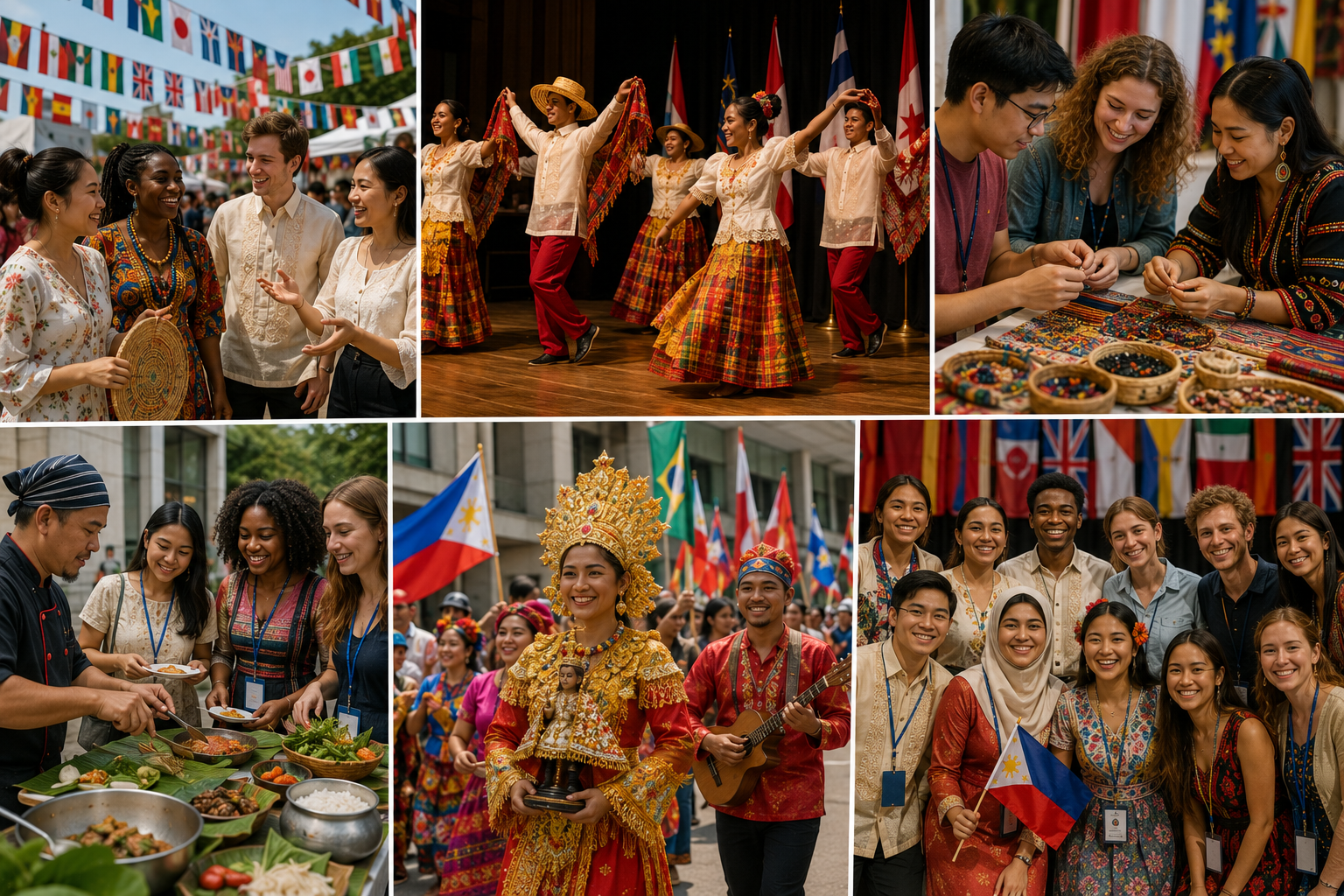
MANILA, Philippines — International cultural exchange programs are playing an increasingly important role in showcasing the diversity and richness of Philippine heritage to audiences around the world. Through collaborative initiatives involving cultural organizations, educational institutions, artists, community groups, and overseas Filipino communities, these exchanges are helping promote a deeper understanding of Filipino traditions while strengthening cultural connections across nations. As global interest in cultural diversity continues to grow, Philippine heritage is gaining greater visibility through programs that celebrate the country's unique blend of history, creativity, and multicultural influences.
The Philippines is widely recognized for its cultural diversity, shaped by centuries of interaction among indigenous communities, Asian neighbors, European influences, and global connections. This rich historical background has produced a cultural landscape that includes hundreds of languages and dialects, distinct regional traditions, vibrant artistic expressions, diverse culinary practices, and unique social customs. International cultural exchange initiatives provide opportunities to share this diversity with global audiences while promoting appreciation for the many communities and traditions that contribute to Filipino identity.
Cultural experts note that exchanges serve as valuable platforms for education and mutual understanding. Through performances, exhibitions, workshops, lectures, and collaborative projects, participants gain firsthand exposure to traditions and perspectives that may be unfamiliar to them. These experiences encourage meaningful dialogue while helping break down stereotypes and misconceptions. Organizers emphasize that cultural exchange is not only about showcasing heritage but also about creating opportunities for learning, connection, and collaboration among people from different backgrounds.
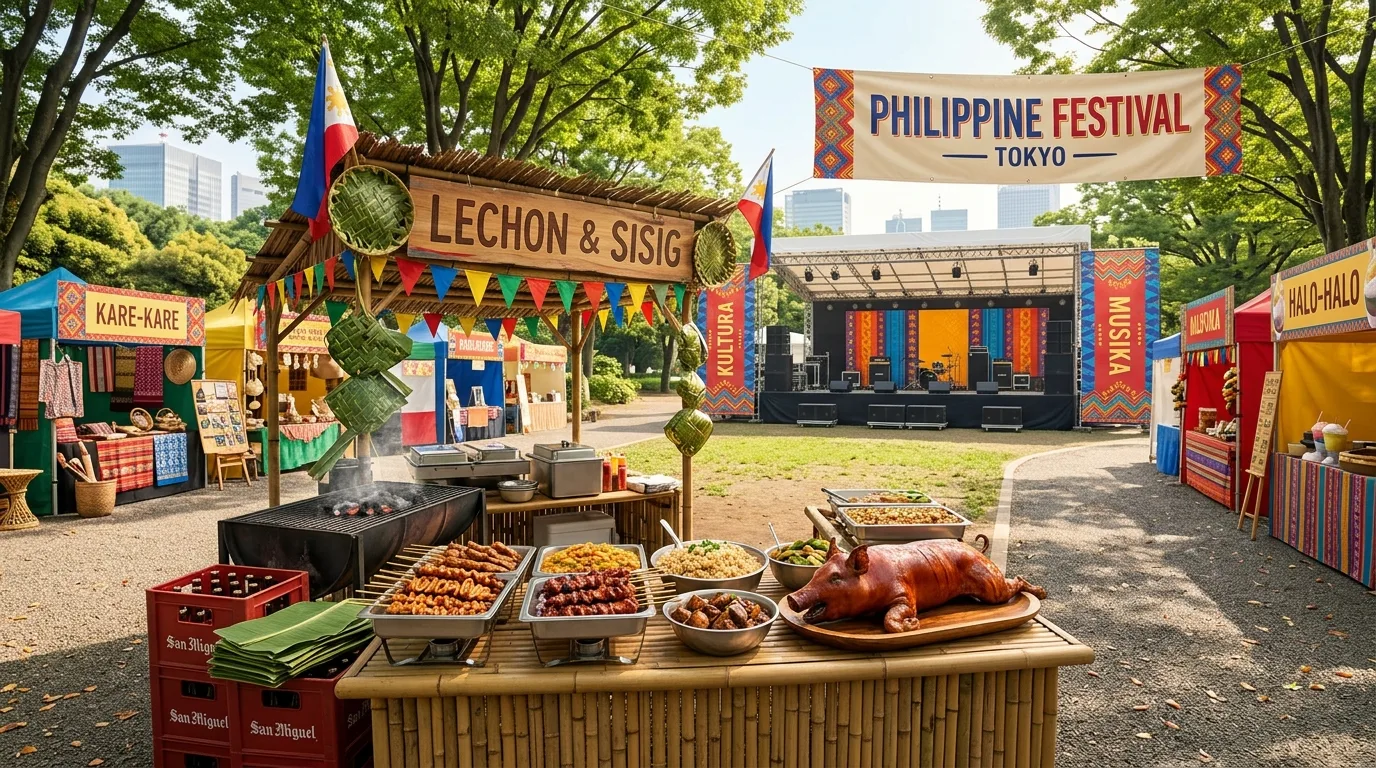
Traditional performing arts continue to be among the most popular features of international cultural programs. Filipino dance groups, musicians, theater performers, and cultural practitioners regularly participate in festivals and events that highlight regional traditions and artistic excellence. Audiences are introduced to a wide range of performances that reflect the country's cultural diversity, from indigenous dances and folk music to contemporary interpretations inspired by traditional forms. These artistic presentations help communicate stories, values, and historical experiences in ways that resonate across cultures.
Music serves as a particularly powerful tool for cultural exchange because of its ability to transcend language barriers and create shared emotional experiences. Filipino musicians participating in international programs often perform both traditional and contemporary works that reflect the evolving nature of Philippine culture. Through concerts, workshops, and collaborative performances, artists introduce audiences to the country's musical heritage while building relationships with performers from other parts of the world. Organizers frequently note that music creates opportunities for connection that extend beyond cultural and geographic boundaries.
Visual arts have also become important components of cultural exchange initiatives. Exhibitions featuring Filipino paintings, sculptures, photography, textile arts, indigenous crafts, and contemporary installations allow audiences to explore the creativity and perspectives of Filipino artists. Many exhibits highlight themes related to identity, heritage, community, and cultural preservation while showcasing the diversity of artistic traditions found throughout the Philippines. Art advocates believe that visual storytelling plays a vital role in helping international audiences better understand Philippine culture and history.
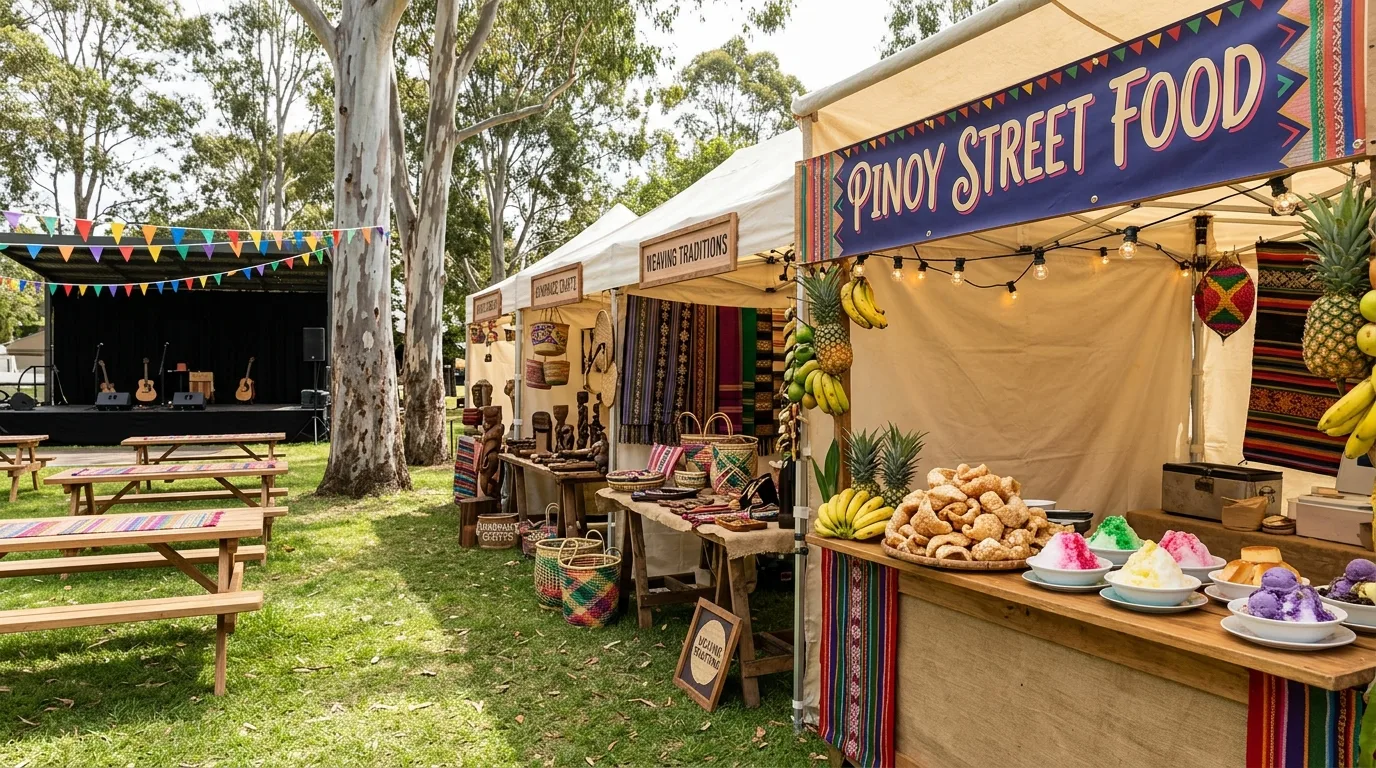
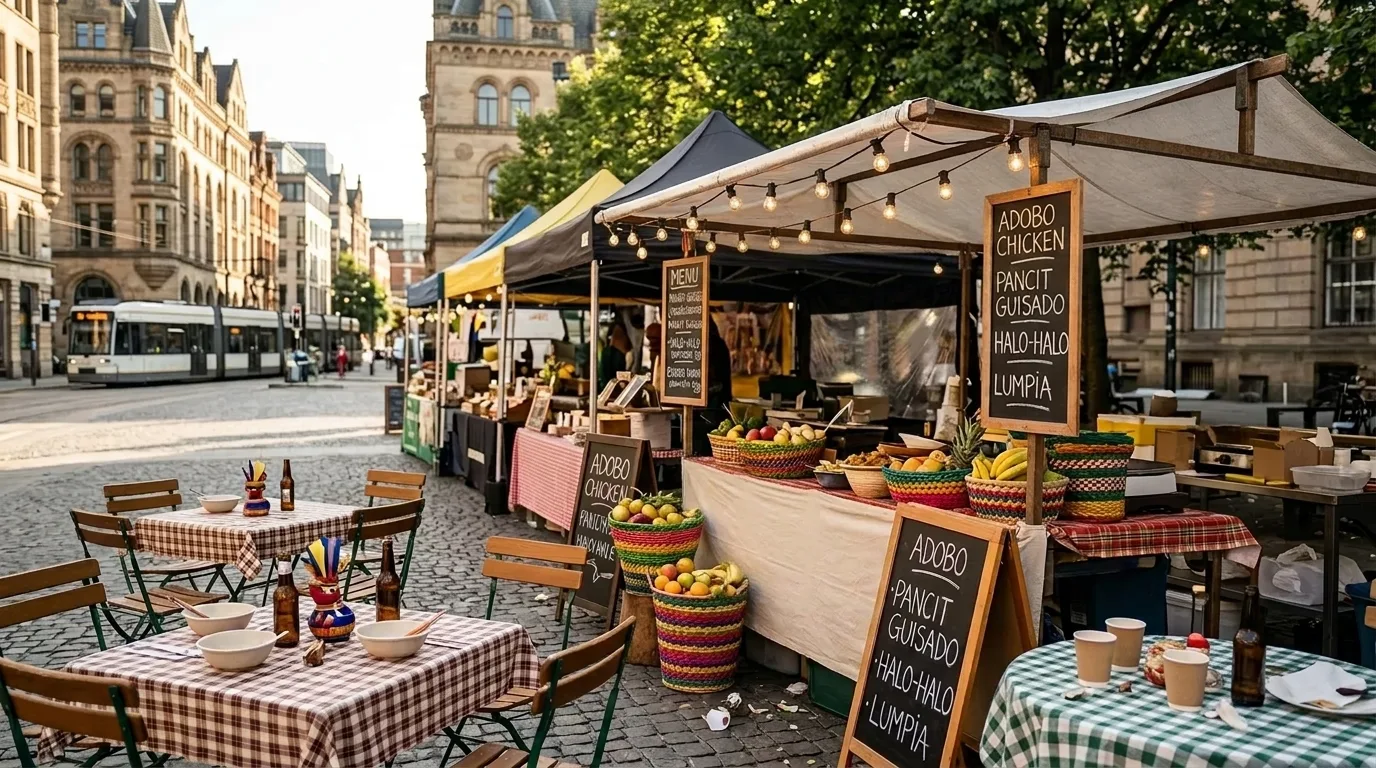
The growing popularity of Filipino cuisine has created additional opportunities for cultural promotion through international exchanges. Culinary festivals, cooking demonstrations, food fairs, and educational programs introduce audiences to the country's diverse food traditions. Filipino cuisine reflects the influence of various cultural groups while maintaining distinct regional characteristics that contribute to its uniqueness. Through culinary experiences, participants gain insights into history, family traditions, agricultural practices, and social customs that are deeply connected to food culture.
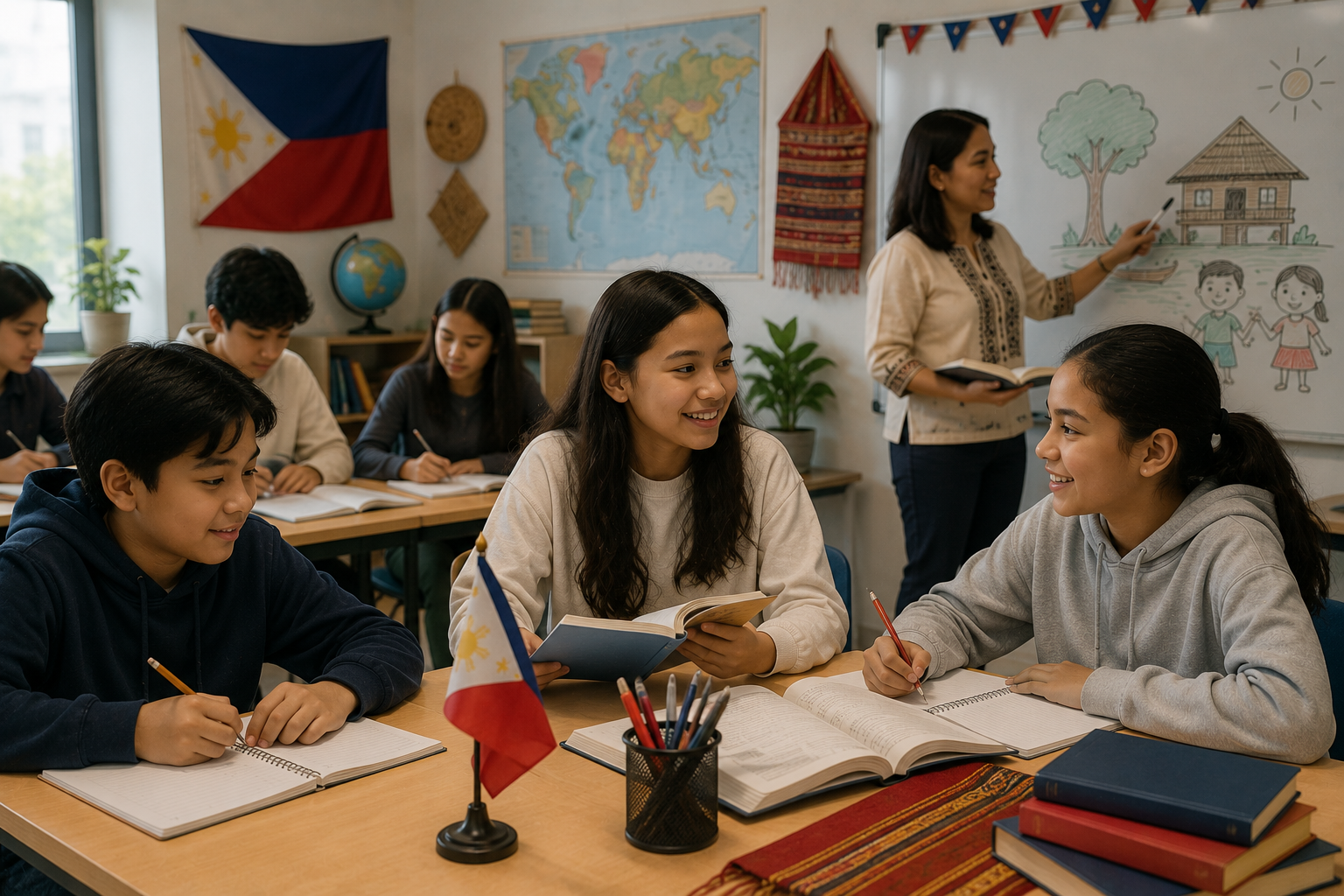
Educational institutions have become key partners in promoting Philippine heritage through cultural exchange programs. Universities, schools, and research organizations frequently collaborate on initiatives that explore history, language, literature, arts, and social development. Student exchange programs, cultural workshops, academic conferences, and collaborative research projects create opportunities for deeper engagement while encouraging long-term relationships among participants. Educators emphasize that cultural understanding is an important component of global citizenship and international cooperation.
Language preservation and promotion are increasingly included in cultural exchange efforts. The Philippines is home to a remarkable variety of languages, many of which carry valuable cultural knowledge and historical significance. Programs focused on language awareness help participants appreciate the linguistic diversity of the country while highlighting the importance of preserving cultural heritage. Language workshops, storytelling sessions, and literary presentations often provide meaningful contexts for exploring Philippine identity and cultural expression.
The role of indigenous communities has received growing attention within cultural exchange initiatives. Indigenous traditions, crafts, music, oral histories, and environmental knowledge represent important aspects of Philippine heritage that are increasingly being highlighted in international programs. Organizers recognize the importance of presenting these traditions respectfully and authentically while ensuring that indigenous voices are included in cultural discussions. Such efforts contribute to broader recognition of the contributions indigenous communities have made to Philippine culture and society.
Overseas Filipino communities play a significant role in supporting cultural exchange activities around the world. Community organizations often serve as organizers, participants, sponsors, and cultural ambassadors who help bring Philippine heritage to international audiences. Through festivals, exhibitions, educational programs, and community celebrations, overseas Filipinos strengthen cultural connections while creating opportunities for intercultural dialogue. Community leaders note that these activities help preserve cultural identity while fostering pride among younger generations.
The participation of young people has become increasingly important to the success of cultural exchange initiatives. Students, young artists, performers, and volunteers contribute energy, creativity, and new perspectives that help keep cultural traditions relevant and accessible. Many youth-led projects utilize digital technologies, social media, and innovative storytelling approaches to engage broader audiences. Organizers believe that youth involvement is essential for ensuring the long-term sustainability of cultural preservation efforts.
Technology has transformed the reach and accessibility of international cultural exchanges. Virtual exhibitions, online performances, digital archives, livestreamed events, and social media campaigns allow cultural content to reach global audiences regardless of location. These tools enable broader participation while helping preserve and document cultural resources for future generations. Digital engagement has become especially important in expanding access to cultural experiences and promoting cross-border collaboration.
Many cultural exchange initiatives emphasize the importance of preserving heritage while embracing innovation. Artists, educators, and cultural practitioners often explore ways to adapt traditional forms for contemporary audiences without losing their essential meanings and values. This balance between preservation and creativity allows Philippine heritage to remain dynamic and relevant while continuing to inspire future generations.
Community leaders frequently highlight the role of cultural exchanges in strengthening international relationships. By sharing traditions, experiences, and perspectives, participants develop greater empathy and appreciation for cultural diversity. These interactions contribute to people-to-people connections that complement broader diplomatic, educational, and economic relationships among countries. Cultural exchange is increasingly recognized as an effective tool for promoting mutual respect and cooperation.
The economic impact of cultural exchange programs should not be overlooked. Increased interest in Philippine culture often supports tourism, creative industries, cultural enterprises, educational initiatives, and heritage-related businesses. Cultural promotion can create opportunities for artists, performers, artisans, educators, and entrepreneurs while contributing to broader economic development goals. Stakeholders recognize that cultural heritage represents both a valuable social asset and an important economic resource.
As global audiences continue to seek authentic cultural experiences, demand for meaningful exchange programs is expected to grow. Organizers anticipate expanding partnerships, increasing participation, and developing new initiatives that highlight different aspects of Philippine heritage. Areas such as digital storytelling, heritage tourism, cultural education, and international collaboration are expected to play increasingly important roles in future programs.
Looking ahead, cultural advocates remain committed to ensuring that exchange initiatives reflect the diversity and complexity of Philippine heritage. Efforts to include voices from different regions, communities, and cultural traditions will be essential for creating accurate and inclusive representations of Filipino identity. Continued investment in cultural preservation, education, and international engagement will help strengthen these efforts while creating new opportunities for global cultural dialogue.
Ultimately, international cultural exchanges provide powerful opportunities to celebrate and share the diversity of Philippine heritage with the world. Through music, art, language, cuisine, history, and community engagement, these programs highlight the many traditions and experiences that contribute to the country's unique cultural identity.
As Filipino culture continues to gain recognition on the global stage, cultural exchanges will remain important bridges connecting people across borders and generations. By fostering understanding, appreciation, and collaboration, these initiatives help ensure that the richness of Philippine heritage continues to inspire audiences around the world while strengthening pride among Filipinos everywhere.
Enjoyed this story?
Share this story