International Visitors Explore Philippine Cultural Traditions Through Overseas Festivals
Share
June 09, 2026
Updated Oct 16, 2026
7 min read
291 views
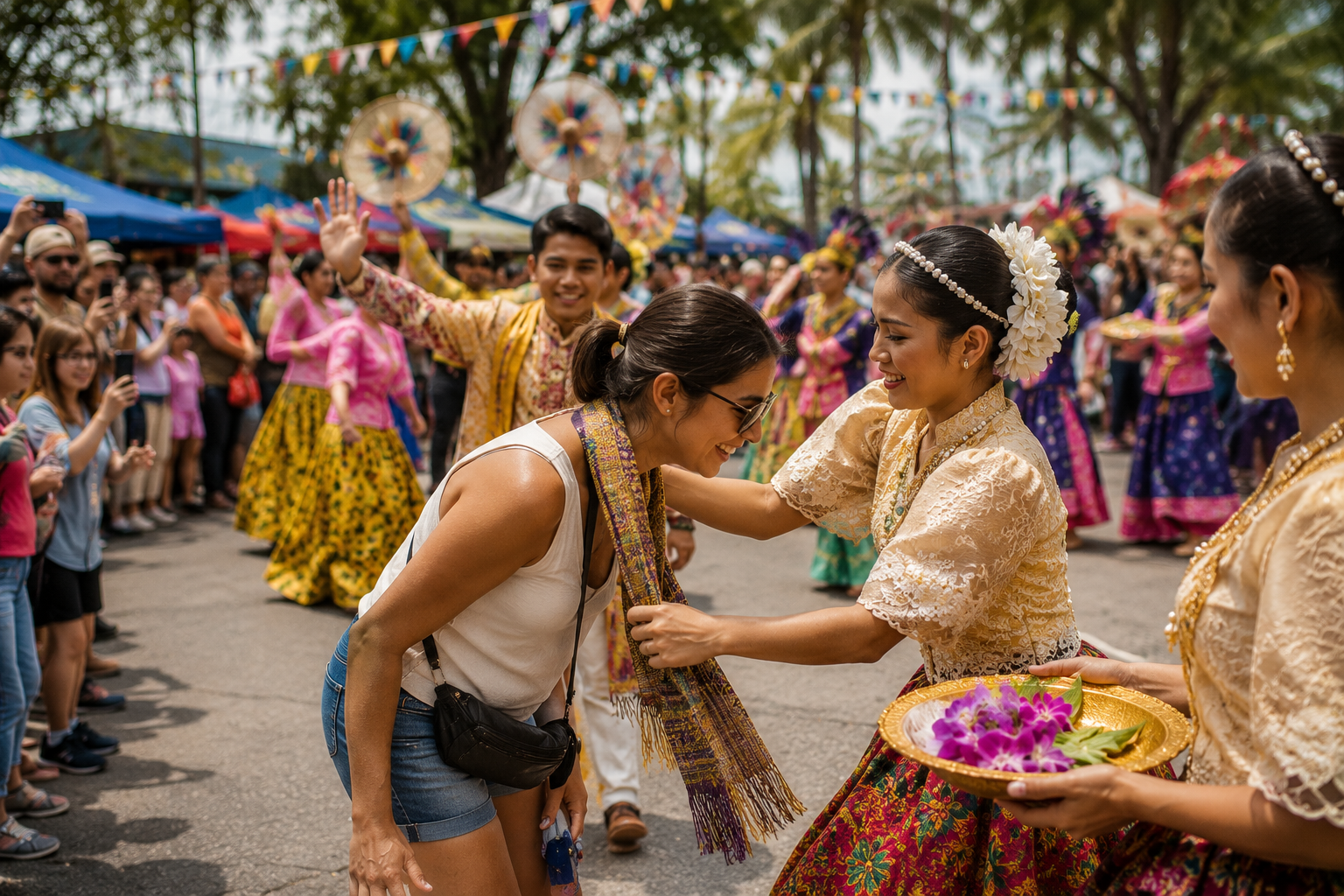
MANILA, Philippines — International visitors are increasingly gaining deeper appreciation for Philippine culture through overseas festivals organized by Filipino communities across the globe. These cultural celebrations, which take place in major cities throughout North America, Europe, Australia, Asia, and the Middle East, are attracting growing numbers of non-Filipino attendees eager to learn about the traditions, history, cuisine, music, and values that define Filipino identity. Community leaders and cultural advocates believe these festivals are becoming powerful tools for cultural exchange, tourism promotion, and global understanding.
As overseas Filipino communities continue to expand and strengthen, cultural festivals have evolved into important platforms that extend far beyond community gatherings. While these events were initially created to help preserve cultural traditions among Filipinos living abroad, they have increasingly become destinations in their own right, drawing visitors from diverse backgrounds who are interested in exploring new cultures and experiences. Organizers note that attendance from international visitors has steadily increased over the years, reflecting growing global curiosity about the Philippines and its people.
Many visitors attend these festivals for the first time with limited knowledge of Philippine culture. Through carefully organized programs featuring cultural performances, educational exhibits, culinary experiences, and interactive activities, they are introduced to the richness and diversity of the Philippines. Community organizers often describe festivals as gateways to cultural discovery, providing accessible and engaging opportunities for people to experience traditions that might otherwise be unfamiliar to them.
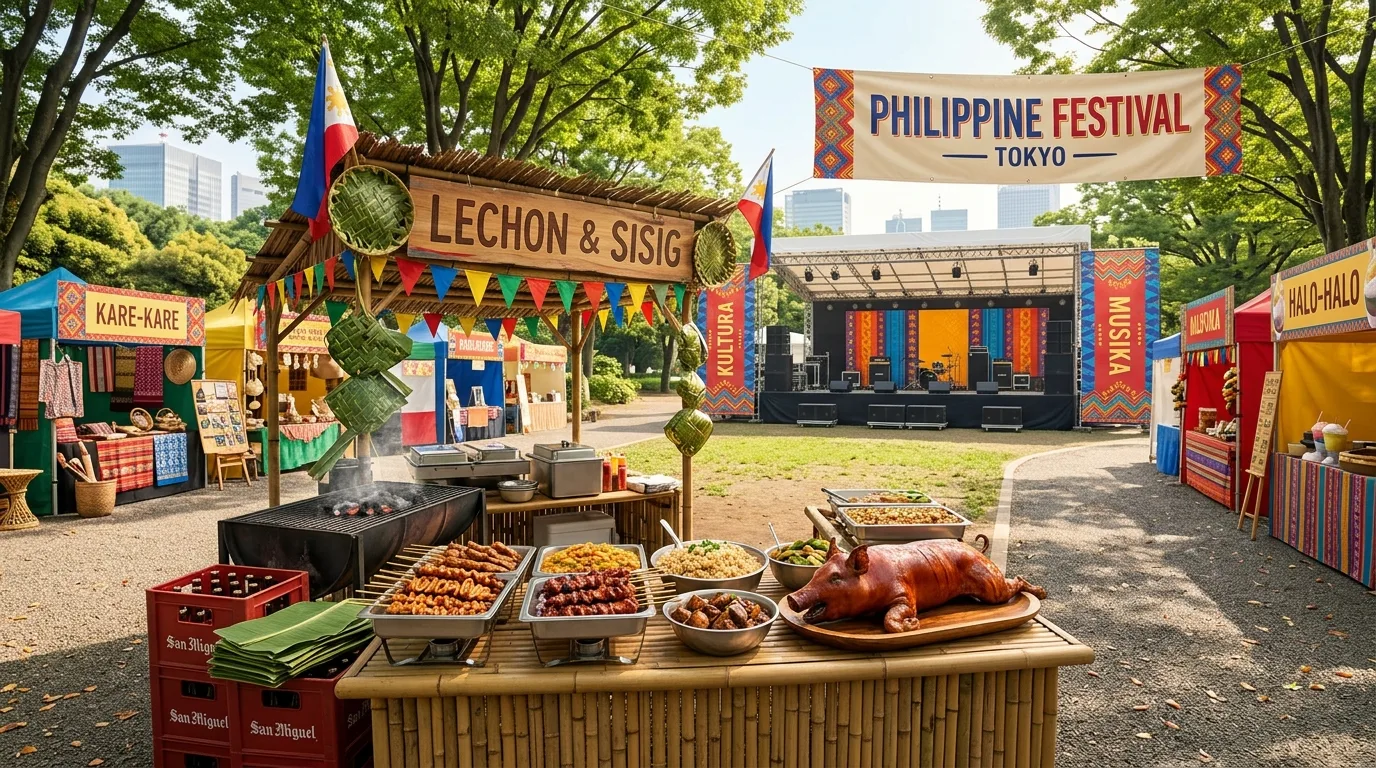
One of the most popular attractions at overseas Filipino festivals is traditional music and dance. Cultural groups present performances inspired by various regions of the Philippines, showcasing the country's rich artistic heritage through movement, storytelling, and music. Audiences are often captivated by colorful costumes, energetic choreography, and performances that reflect centuries of cultural development. For many international visitors, these presentations serve as their first introduction to the diversity and creativity of Philippine traditions.
Festival organizers place significant emphasis on providing context and education alongside performances. Narrators frequently explain the origins, historical significance, and cultural meaning behind dances and musical pieces. These educational elements help audiences move beyond entertainment and develop a deeper understanding of the traditions being presented. Visitors often express appreciation for learning about the stories, customs, and values that shape Filipino cultural expressions.
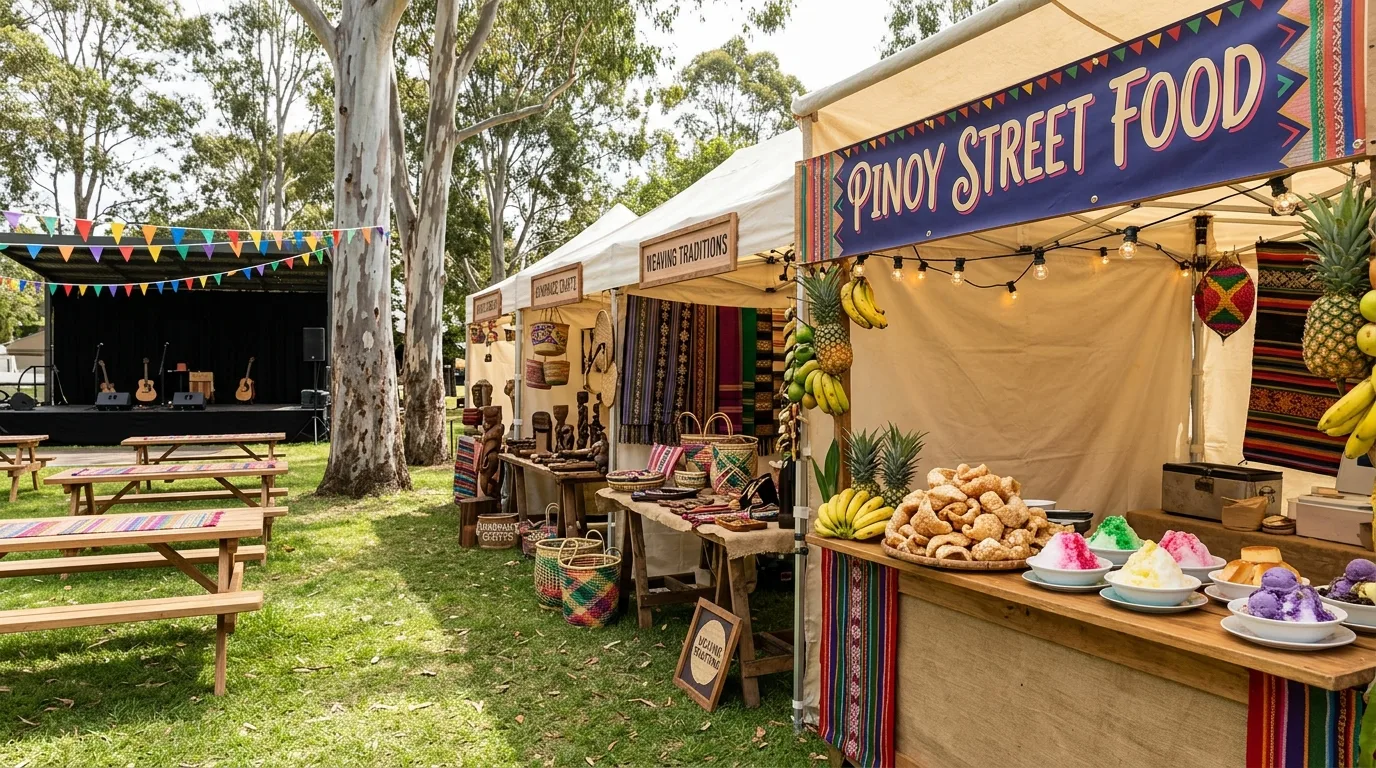
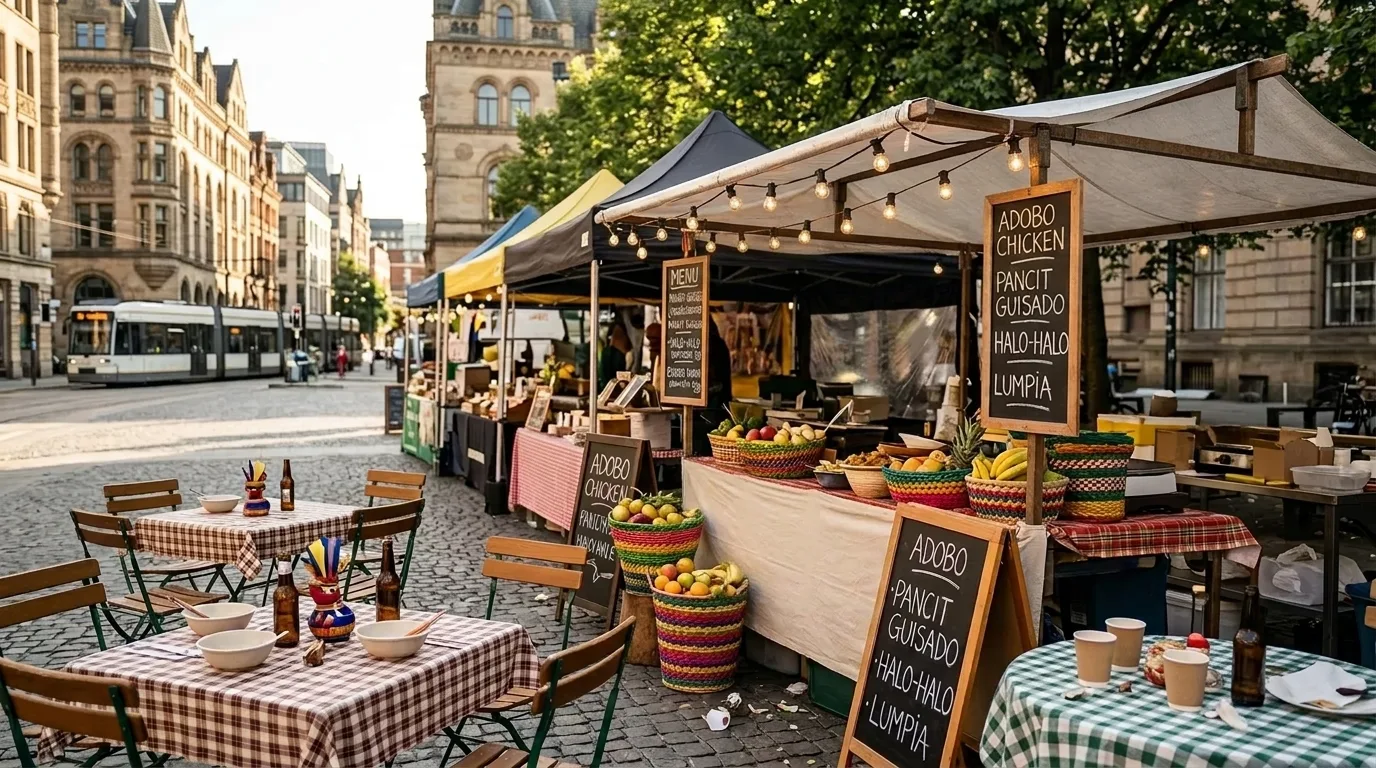
Food has emerged as one of the strongest attractions for international visitors attending Filipino festivals. Philippine cuisine has experienced growing recognition worldwide, and cultural festivals provide opportunities for attendees to sample a wide variety of traditional dishes and regional specialties. From savory favorites to unique desserts and street food-inspired offerings, culinary experiences introduce visitors to another important dimension of Filipino culture. Organizers often note that food serves as an effective cultural ambassador because it creates immediate and memorable connections.
Many international attendees become interested in learning more about the Philippines after experiencing Filipino cuisine. Conversations with food vendors, chefs, and community members often provide insights into family traditions, regional influences, and cultural practices associated with food preparation and celebration. These interactions contribute to a richer understanding of Philippine culture while helping visitors appreciate the diversity of culinary traditions across the archipelago.
Heritage exhibits and educational displays have become increasingly important features of overseas festivals. Organizers often create presentations that explore Philippine history, indigenous cultures, migration stories, artistic traditions, and community achievements. These exhibits provide visitors with opportunities to engage more deeply with cultural content while broadening their understanding of the Philippines beyond common stereotypes. Community leaders believe that education is essential for fostering genuine appreciation and meaningful cultural exchange.
The participation of younger generations has added new energy and creativity to many festivals. Second-generation Filipinos frequently serve as performers, volunteers, guides, and cultural ambassadors, helping bridge cultural gaps between communities. Their involvement demonstrates how heritage can be preserved while adapting to modern contexts. International visitors often appreciate the perspectives offered by young Filipinos who share personal experiences related to identity, culture, and community.
Many overseas festivals incorporate interactive activities that encourage direct participation from attendees. Cultural workshops, craft demonstrations, language lessons, cooking sessions, and traditional games provide hands-on experiences that deepen engagement. Rather than simply observing performances, visitors become active participants in cultural exploration. Organizers believe that interactive experiences create stronger connections and more memorable impressions than passive observation alone.
The multicultural environments in which many festivals take place contribute significantly to their success. Countries such as Canada, Australia, New Zealand, the United States, the United Kingdom, and several European nations actively promote cultural diversity and community engagement. Filipino festivals align closely with these values by offering opportunities for intercultural learning and exchange. Local governments and community organizations frequently support these events as part of broader efforts to celebrate multiculturalism and social inclusion.
Technology has amplified the reach of Filipino festivals considerably. Social media platforms, livestream broadcasts, online content creation, and digital storytelling projects allow cultural experiences to reach audiences far beyond physical event locations. Videos, photographs, and festival highlights are often shared widely, generating interest among people who may later choose to attend events in person. Community leaders view digital engagement as a valuable tool for expanding cultural awareness and strengthening global connections.
Tourism experts recognize that overseas cultural festivals can indirectly contribute to tourism development. Visitors who develop positive impressions of Philippine culture through festivals often become interested in learning more about the country itself. Some attendees eventually choose to visit the Philippines, motivated by experiences they encountered during community celebrations abroad. In this way, cultural festivals serve as informal tourism promotion platforms that highlight the country's attractions, hospitality, and cultural richness.
The growing popularity of Filipino festivals has also created opportunities for artists, performers, entrepreneurs, and small businesses. Food vendors, artisans, designers, musicians, and cultural organizations benefit from increased visibility and engagement. These economic opportunities help support community initiatives while encouraging creative entrepreneurship within overseas Filipino communities.
Community leaders frequently emphasize that festivals are not only about preserving traditions but also about building relationships. Through shared experiences, visitors and community members develop greater understanding and respect for one another. These interactions contribute to stronger social cohesion while reinforcing the value of cultural diversity. Organizers often describe festivals as spaces where people can connect through curiosity, learning, and celebration.
Volunteerism plays a crucial role in the success of many cultural festivals. Community members dedicate countless hours to planning, organizing, and executing events that benefit both Filipino communities and broader audiences. This collaborative effort reflects the Filipino value of bayanihan, which emphasizes cooperation and collective responsibility. International visitors often observe and appreciate the strong sense of community that characterizes Filipino cultural celebrations.
The increasing scale of overseas festivals reflects the growing confidence and visibility of Filipino communities around the world. As communities become more established, they are investing greater resources into cultural preservation, education, and public engagement. Larger venues, expanded programming, stronger partnerships, and increased participation are helping elevate the profile of Filipino festivals within multicultural societies.
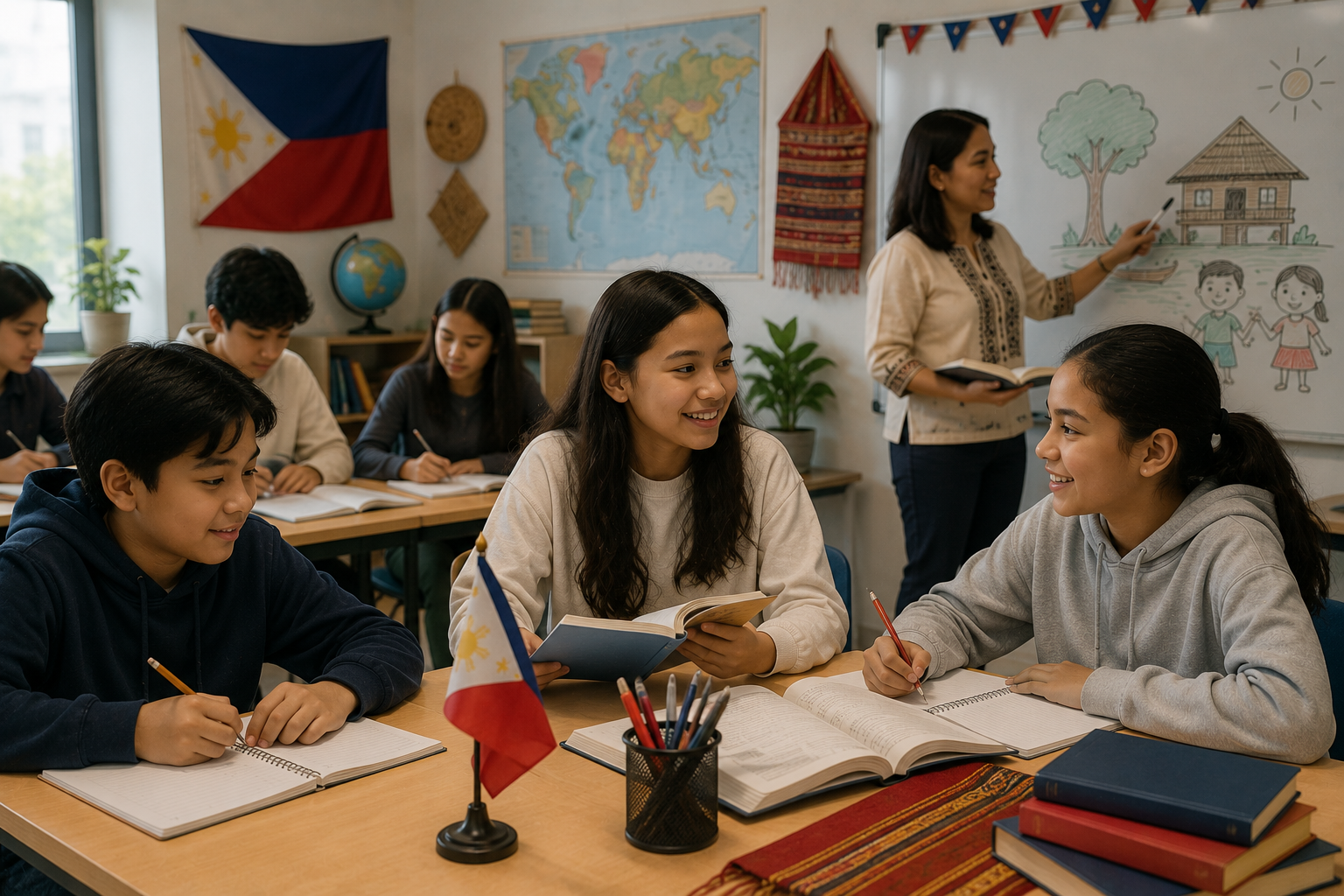
Educational institutions have also become important partners in many cultural initiatives. Schools, universities, museums, and cultural centers often collaborate with Filipino organizations to support exhibitions, performances, workshops, and educational programs. These partnerships help broaden audience reach while creating opportunities for deeper cultural learning and academic engagement.
Looking ahead, organizers anticipate continued growth in international interest toward Filipino cultural festivals. The increasing popularity of Philippine cuisine, music, tourism destinations, and cultural content provides favorable conditions for future expansion. Community leaders are exploring new ways to enhance visitor experiences through technology, interactive programming, and collaborative partnerships that strengthen cultural engagement.
Ultimately, overseas Filipino festivals are proving to be powerful vehicles for cultural exchange and understanding. They provide international visitors with meaningful opportunities to explore the traditions, values, and creativity that define Filipino identity while creating lasting connections that transcend geographic and cultural boundaries.
As more people around the world discover Philippine culture through these celebrations, overseas festivals are helping strengthen the country's global presence while promoting appreciation for its rich heritage. Through music, dance, food, education, storytelling, and community engagement, Filipino communities abroad continue to share the best of the Philippines with the world, ensuring that cultural traditions remain vibrant, relevant, and widely celebrated for generations to come.
Enjoyed this story?
Share this story