International Visitors Explore Philippine Traditions Through Overseas Cultural Festivals
Share
June 19, 2026
Updated Oct 15, 2026
8 min read
236 views
MANILA, Philippines — International visitors are increasingly discovering the richness of Philippine culture through overseas cultural festivals organized by Filipino communities around the world. From North America and Europe to Asia, Australia, and the Middle East, these festivals have become vibrant cultural showcases that introduce global audiences to Filipino traditions, heritage, arts, cuisine, music, and community values. As attendance continues to grow, organizers report that cultural festivals are becoming important platforms for cultural exchange, heritage preservation, and international appreciation of Philippine identity.
The popularity of overseas Filipino cultural festivals reflects a growing global interest in authentic cultural experiences. In an increasingly interconnected world, people are seeking opportunities to learn about traditions beyond their own communities, and Filipino festivals provide engaging and welcoming environments where visitors can experience the diversity of Philippine culture firsthand. Community leaders note that these events not only celebrate Filipino heritage but also foster meaningful interactions among people from different cultural backgrounds.
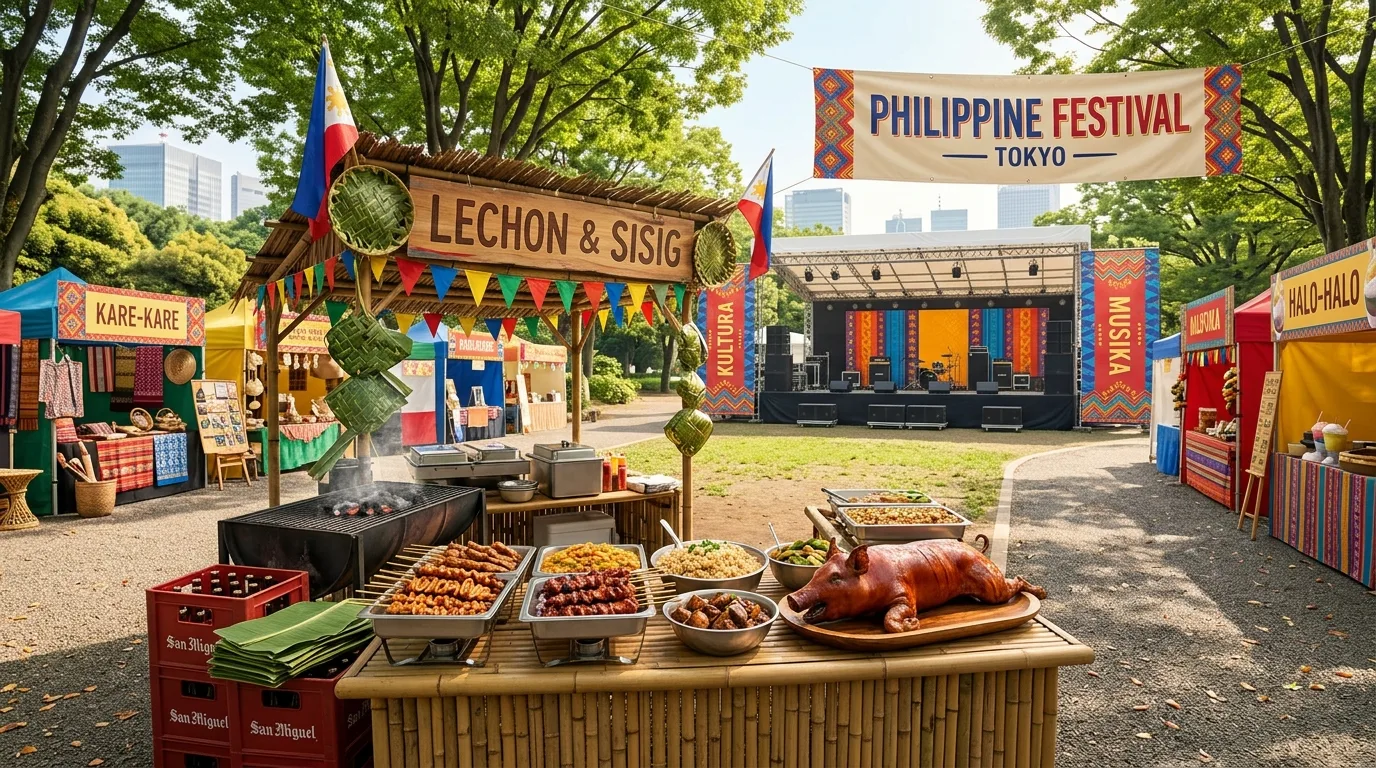
Many of these festivals originated as community gatherings organized primarily for Overseas Filipinos seeking to maintain connections with their roots. Over time, however, they have evolved into major public events that attract diverse audiences, including local residents, tourists, students, cultural enthusiasts, and international visitors. The expansion of these festivals demonstrates both the growing visibility of Filipino communities abroad and the increasing appeal of Philippine culture on the global stage.
One of the most significant attractions at Filipino cultural festivals is the opportunity to experience traditional dance performances. Folk dances such as Tinikling, Singkil, Pandanggo sa Ilaw, Maglalatik, and other regional presentations frequently captivate audiences through their colorful costumes, intricate choreography, and historical storytelling. Visitors often express fascination with the cultural narratives embedded within these performances, which reflect different aspects of Philippine history, community life, and regional traditions. Organizers emphasize that dance serves as both entertainment and education, helping audiences gain deeper insights into Filipino heritage.
Music is another essential element that draws visitors to cultural festivals. Traditional Filipino songs, indigenous musical performances, rondalla ensembles, and contemporary cultural presentations create dynamic and engaging experiences for attendees. Many festivals feature live performances by local Filipino artists and community groups who dedicate considerable effort to preserving and sharing musical traditions. Organizers note that music often serves as a universal language that allows visitors to connect emotionally with cultural experiences regardless of linguistic or cultural differences.
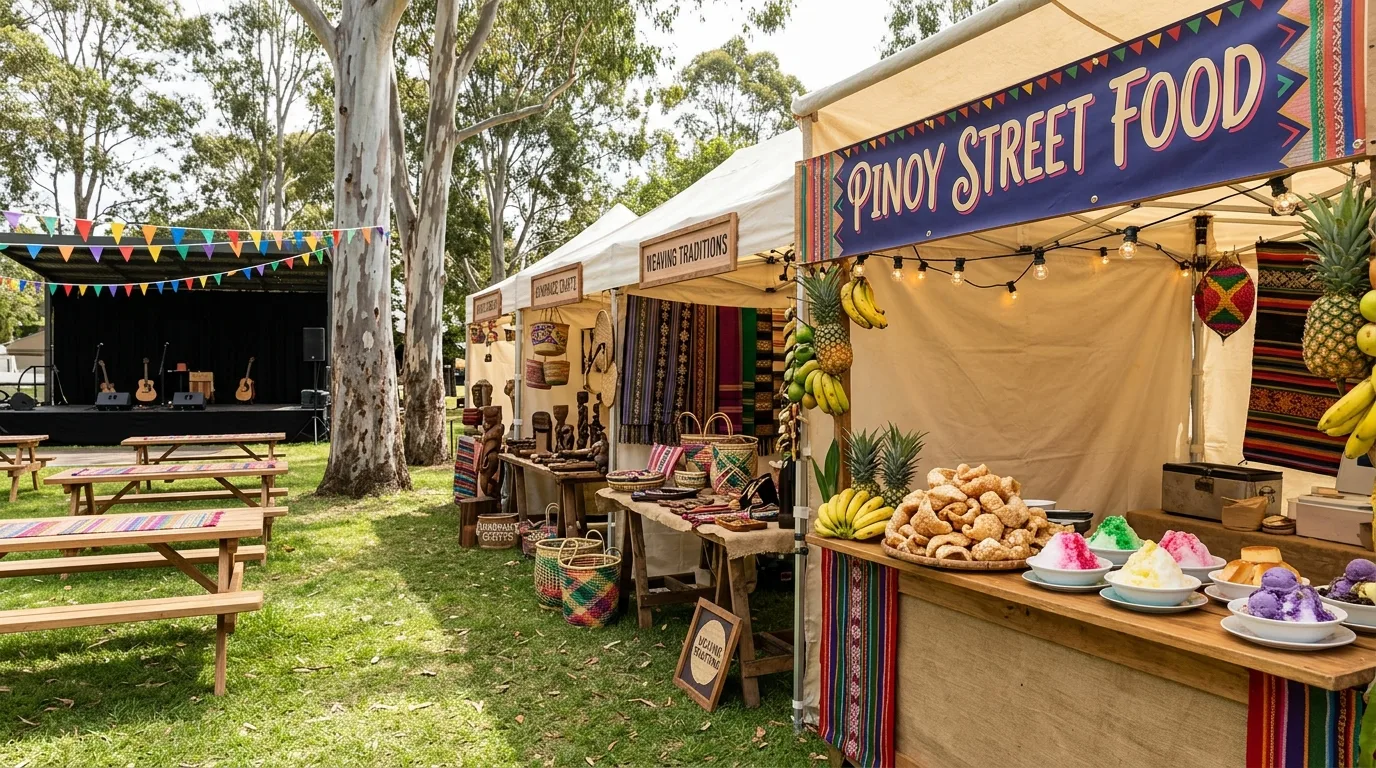
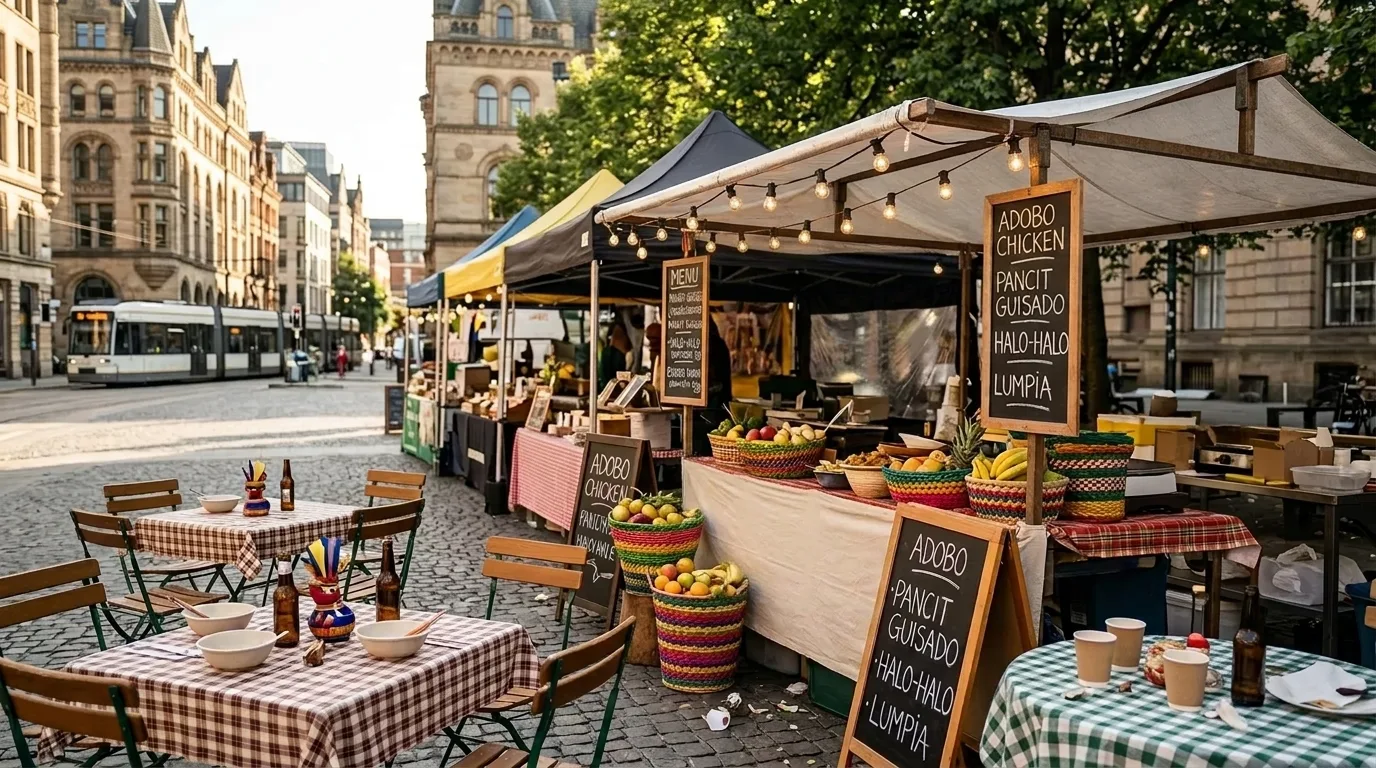
Filipino cuisine consistently ranks among the most popular features of overseas cultural festivals. Food stalls and culinary exhibits introduce visitors to a diverse array of traditional dishes that reflect the country's rich culinary heritage. Popular favorites such as adobo, pancit, lumpia, lechon, halo-halo, bibingka, and regional specialties often attract long lines of eager guests seeking authentic culinary experiences. Many international visitors encounter Filipino food for the first time through these festivals, leading to increased interest in Philippine cuisine and culture.
Beyond food and performances, cultural festivals frequently feature educational exhibits that provide historical and cultural context. Displays highlighting indigenous communities, traditional crafts, historical milestones, regional customs, and national achievements help visitors develop a broader understanding of the Philippines. Educational booths often include photographs, artifacts, traditional attire, and informational materials that encourage deeper exploration of Philippine history and identity.
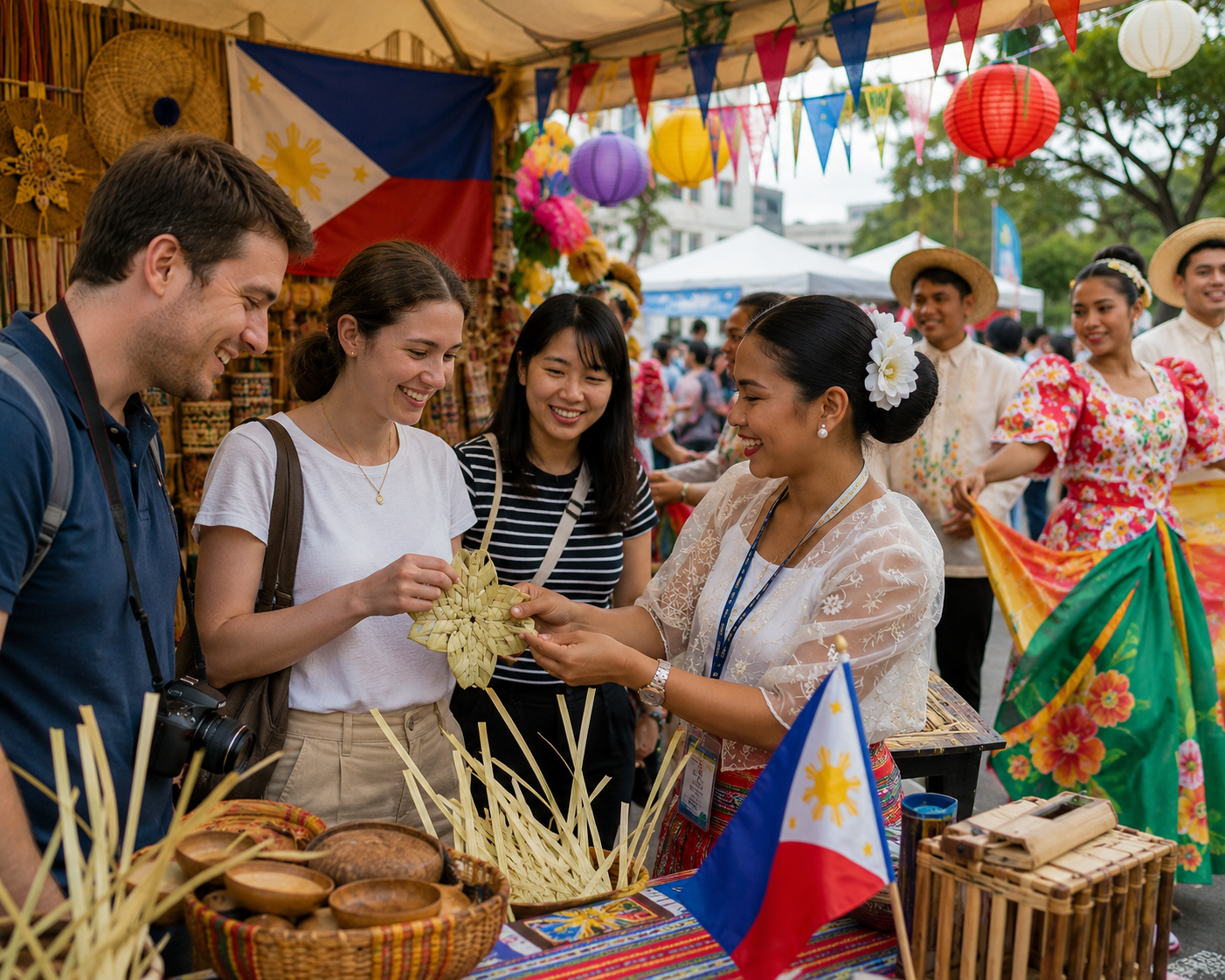
Artistic showcases have become increasingly important components of many cultural festivals. Filipino painters, sculptors, photographers, artisans, and designers frequently exhibit their work, offering visitors opportunities to appreciate the creativity and craftsmanship found throughout the Philippines. Traditional weaving demonstrations, handicraft exhibits, and artisan workshops allow attendees to witness cultural practices that have been preserved through generations. Organizers believe these experiences help strengthen appreciation for Filipino artistic traditions while supporting cultural preservation efforts.
Many international visitors are particularly interested in learning about the regional diversity that characterizes the Philippines. Cultural festivals often highlight traditions from different provinces and regions, demonstrating that Philippine culture is not a single uniform experience but a rich collection of diverse communities and histories. Through regional presentations, visitors gain a greater appreciation for the country's cultural complexity and geographic diversity.
The involvement of younger generations has played a crucial role in the continued success of overseas cultural festivals. Second-generation and third-generation Filipinos frequently participate as performers, volunteers, organizers, and cultural advocates. Their contributions help ensure that traditions remain relevant and accessible while introducing contemporary approaches to cultural engagement. Community leaders view youth participation as essential for sustaining cultural heritage and maintaining strong connections between generations.
Technology has significantly expanded the reach and influence of cultural festivals. Social media platforms, livestream broadcasts, digital content creation, and online promotional campaigns allow organizers to engage audiences beyond physical event locations. International visitors often discover festivals through digital platforms, while virtual experiences make cultural content accessible to broader audiences worldwide. Organizers report that online engagement has contributed substantially to increased attendance and international visibility.
The spirit of hospitality remains one of the defining characteristics of Filipino cultural festivals. Visitors frequently comment on the warmth and friendliness displayed by volunteers, performers, and community members. Organizers view hospitality as a core Filipino value that enhances cultural experiences and creates welcoming environments for guests. This atmosphere encourages meaningful interactions and often leaves lasting impressions on attendees.
Many cultural festivals also serve as opportunities for intercultural dialogue and community building. Attendees from diverse backgrounds are encouraged to participate in activities, ask questions, and engage with cultural presentations. These interactions promote understanding and appreciation while helping build relationships among different cultural groups. Community leaders believe that cultural exchange contributes positively to social cohesion and mutual respect.
The economic impact of overseas cultural festivals has also become increasingly significant. Festivals support local vendors, artists, performers, restaurants, and small businesses while generating interest in Filipino products and services. Some events attract visitors from neighboring cities and regions, contributing to local tourism and economic activity. Organizers note that cultural celebrations can create meaningful economic opportunities while promoting heritage and community engagement.
Tourism advocates recognize that cultural festivals often serve as gateways to broader interest in the Philippines. Many visitors who attend overseas Filipino festivals develop curiosity about Philippine destinations, traditions, and travel experiences. Cultural presentations showcasing beaches, historical landmarks, natural attractions, and regional festivals frequently inspire future travel plans. Organizers view this as an important opportunity to strengthen awareness of the Philippines as a cultural and tourism destination.
Religious and spiritual traditions are also featured in many festivals, providing visitors with opportunities to learn about the role of faith in Filipino society. Celebrations such as Flores de Mayo, Santacruzan, and various religious observances are often incorporated into cultural programming. These activities help illustrate the historical and social influences that have shaped Filipino communities throughout the centuries.
The continued growth of overseas cultural festivals reflects broader trends within global Filipino communities. As Overseas Filipinos become increasingly established in their host countries, cultural celebrations have evolved into significant community institutions that promote identity, heritage, and social engagement. Organizers note that these festivals have become important symbols of community pride and cultural resilience.
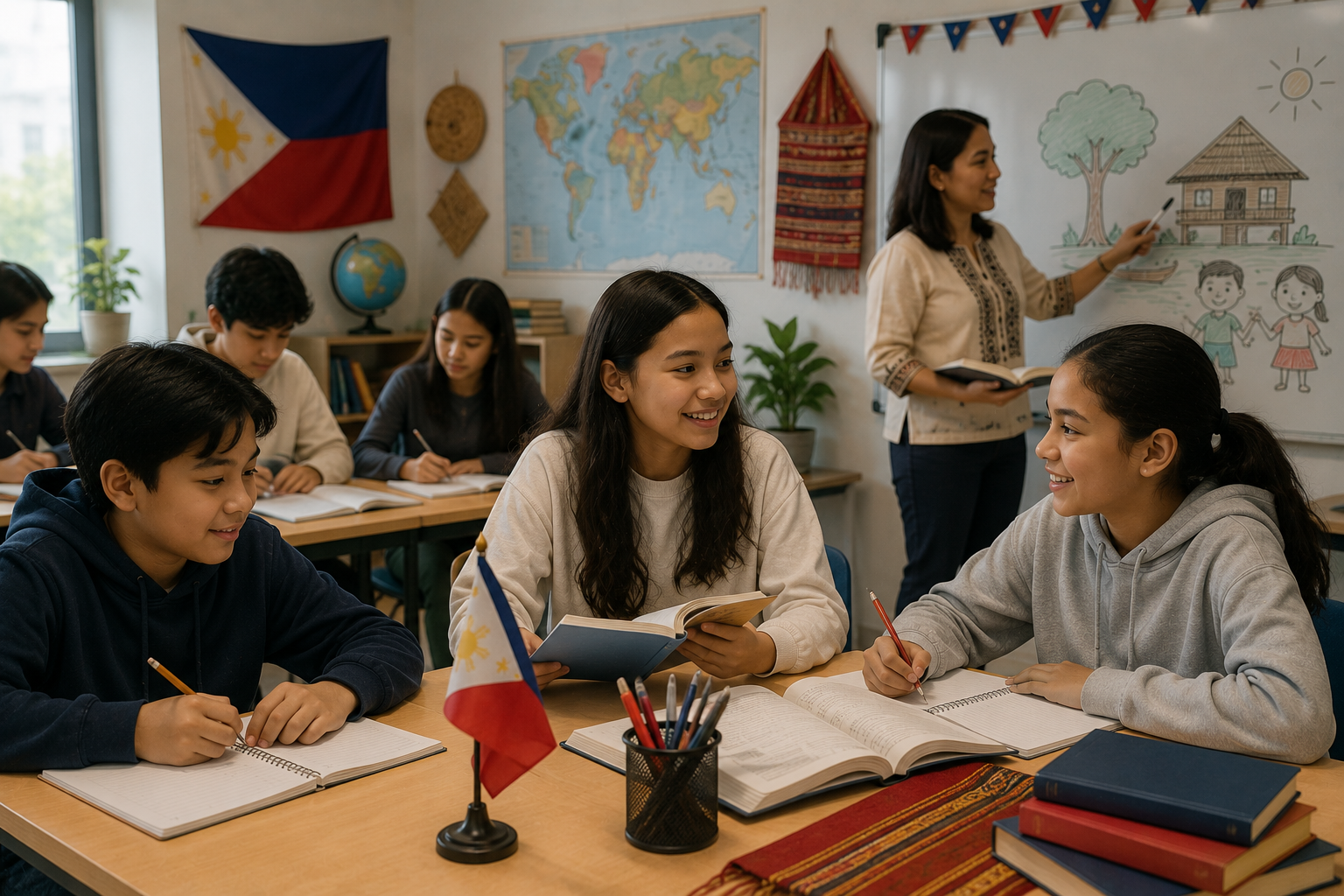
Educational institutions have also shown growing interest in participating in cultural festivals. Schools, universities, and cultural organizations frequently collaborate with festival organizers to develop educational programs, student exchanges, and cultural learning opportunities. These partnerships help extend the impact of cultural events while encouraging broader public engagement with Philippine heritage.
Many festival organizers are exploring innovative approaches to enhance future events. Interactive exhibits, digital experiences, youth leadership initiatives, sustainability programs, and expanded educational offerings are being incorporated into festival planning. These innovations aim to create more engaging experiences while preserving the authenticity and cultural significance of traditional celebrations.
Community leaders remain optimistic about the future of overseas Filipino cultural festivals. Strong attendance, increasing international interest, and active participation from younger generations suggest that these celebrations will continue to grow and evolve. Organizers believe that cultural festivals will remain vital platforms for sharing Filipino heritage while fostering connections among communities around the world.
Ultimately, the success of overseas Filipino cultural festivals demonstrates the enduring appeal of Philippine traditions and the important role cultural exchange plays in building understanding among people from different backgrounds. Through music, dance, food, art, history, and community engagement, these festivals provide meaningful opportunities for international visitors to explore and appreciate the richness of Filipino culture.
As more people discover Philippine traditions through these global celebrations, overseas cultural festivals continue to serve as powerful ambassadors of Filipino identity. They showcase the creativity, resilience, hospitality, and cultural diversity of the Filipino people while strengthening connections that transcend borders and generations. In doing so, they help ensure that Philippine heritage remains vibrant, celebrated, and appreciated by audiences around the world for years to come.
Enjoyed this story?
Share this story