Local Governments Invest in Tourism Infrastructure Ahead of Peak Travel Season
Share
June 05, 2026
Updated Oct 15, 2026
7 min read
537 views
MANILA, Philippines — Local governments across the Philippines are accelerating investments in tourism infrastructure as destinations prepare for an anticipated surge in domestic and international travelers ahead of the country's peak travel season.
From major tourism hubs to emerging destinations, local government units are implementing projects designed to improve accessibility, enhance visitor experiences, strengthen public services, and support sustainable tourism development. Officials believe these investments will help communities maximize tourism opportunities while ensuring destinations remain competitive, attractive, and capable of accommodating increasing visitor demand.
Tourism stakeholders describe infrastructure development as one of the most important foundations of long-term tourism growth. While natural attractions, cultural heritage, and community experiences remain key drivers of visitor interest, high-quality infrastructure plays a critical role in ensuring safe, convenient, and enjoyable travel experiences.
As tourism continues to recover and expand, local governments are prioritizing projects that support both visitors and residents.
Across the country, road improvement projects are among the most visible tourism-related investments.
Many destinations are upgrading highways, local roads, bridges, and access routes that connect travelers to beaches, islands, mountain attractions, heritage sites, and cultural destinations.
Improved transportation networks help reduce travel times, increase accessibility, and encourage visitors to explore a wider range of attractions.
Tourism experts note that transportation infrastructure often serves as a key factor influencing destination competitiveness.
Communities that are easier to reach generally experience stronger tourism growth and greater economic opportunities.
Airport and seaport improvements are also contributing significantly to tourism readiness.
Many local governments are working closely with national agencies and private sector partners to enhance transportation gateways that serve popular travel destinations.
Expanded passenger facilities, improved terminal services, upgraded waiting areas, and modernized operations help create smoother travel experiences for visitors.
Tourism advocates emphasize that first impressions often shape overall perceptions of destinations.
Efficient transportation infrastructure can therefore play a major role in visitor satisfaction.
Visitor centers and tourism information facilities are becoming increasingly common in destinations throughout the country.
These centers provide travelers with access to maps, destination information, cultural resources, safety guidelines, and recommendations for local attractions.
Many facilities incorporate digital technologies that allow visitors to access real-time information and personalized travel assistance.
Tourism officials believe these services help improve visitor experiences while encouraging longer stays and increased exploration.
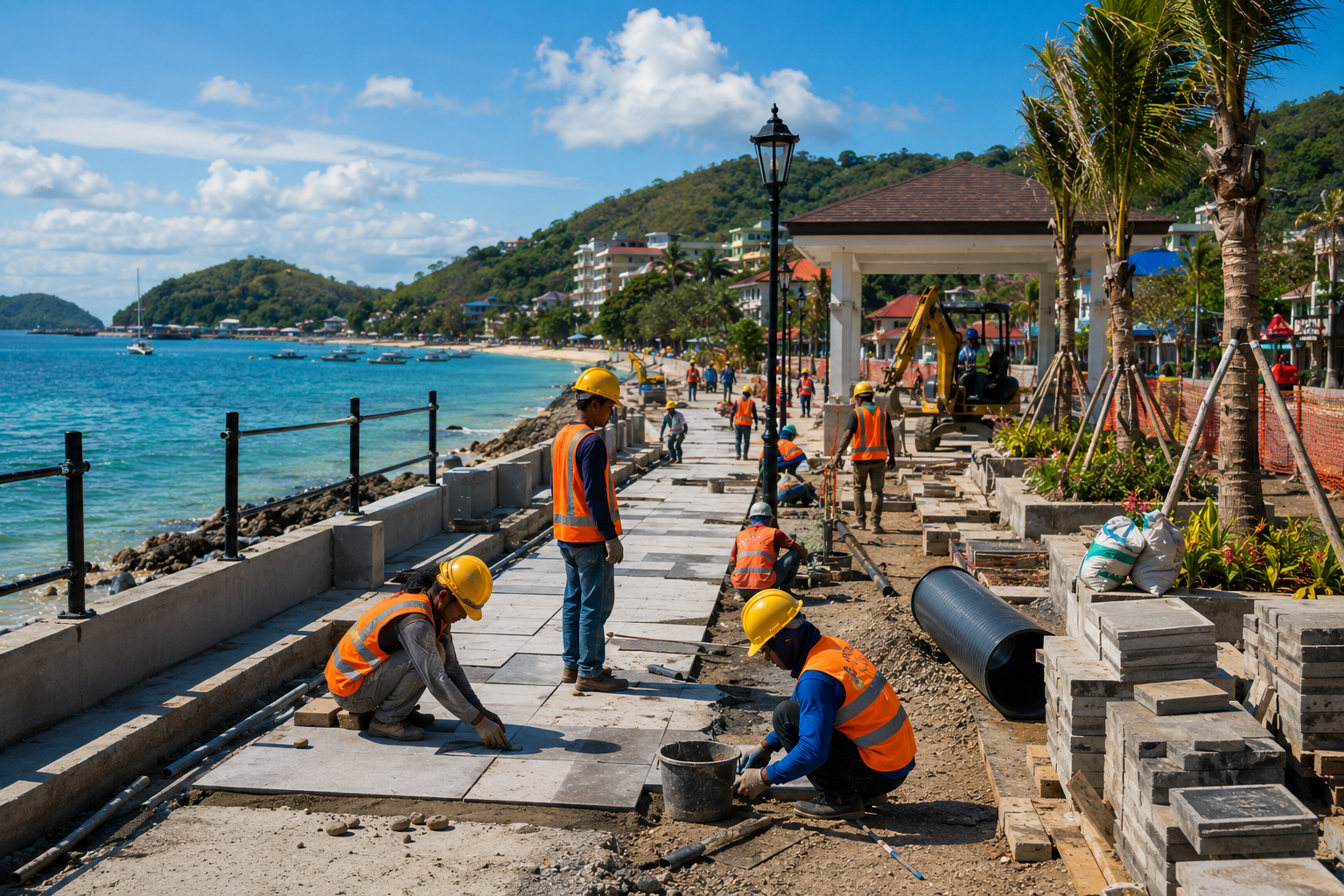
Waterfront development projects are receiving significant attention in coastal destinations.
Many local governments are investing in boardwalks, public parks, viewing decks, recreational spaces, and tourism-friendly public areas designed to enhance the attractiveness of beaches, rivers, lakes, and coastal communities.
These projects create spaces that benefit both visitors and local residents while supporting broader economic development objectives.
Community leaders note that well-designed public spaces contribute to destination appeal and quality of life.
Public sanitation and waste management infrastructure have become major priorities as tourism activity increases.
Cleanliness remains one of the most important factors influencing traveler satisfaction.
Local governments are implementing initiatives that include upgraded restrooms, improved waste collection systems, recycling programs, environmental awareness campaigns, and sanitation facilities in key tourism areas.
These investments help support public health while promoting responsible tourism practices.
Environmental sustainability is increasingly integrated into tourism infrastructure planning.
Many destinations recognize that protecting natural resources is essential to maintaining long-term tourism competitiveness.
Projects focused on environmental management, coastal protection, ecosystem conservation, renewable energy, and sustainable resource use are becoming more common.
Tourism stakeholders emphasize that infrastructure development must balance economic growth with environmental stewardship.
Communities that successfully integrate sustainability into planning are often better positioned for long-term success.
Digital infrastructure has emerged as another important area of investment.
Reliable internet connectivity, smart tourism platforms, digital information systems, and online service capabilities are becoming essential components of modern tourism destinations.
Many travelers rely on digital tools for navigation, accommodation bookings, transportation arrangements, communication, and destination research.
Recognizing these needs, local governments are investing in technologies that improve convenience and accessibility.
Digital transformation is helping create more connected and visitor-friendly destinations.
Safety and security infrastructure continue to receive significant attention.
Local governments are strengthening emergency response capabilities, public safety systems, disaster preparedness measures, and tourism assistance services.
Many destinations are implementing programs designed to ensure visitors feel safe and supported throughout their travels.
Tourism experts note that safety remains one of the most important considerations for travelers when choosing destinations.
Accommodation-related development is also contributing to tourism readiness.
While many investments are led by private sector stakeholders, local governments often facilitate growth through supportive policies, infrastructure improvements, and destination planning initiatives.
The expansion of hotels, resorts, homestays, and community-based accommodations helps increase capacity while creating opportunities for local entrepreneurship.
Community leaders emphasize that diverse accommodation options help destinations appeal to broader visitor segments.
Community-based tourism projects frequently benefit from infrastructure investments as well.
Improved roads, utilities, public facilities, and communication systems help rural and emerging destinations participate more effectively in tourism development.
These improvements create opportunities for local residents to establish tourism-related enterprises and share cultural experiences with visitors.
Many communities view tourism infrastructure as a catalyst for broader social and economic development.
Tourism-related infrastructure investments generate significant economic benefits during both construction and operation phases.
Construction projects create employment opportunities and stimulate local economic activity, while completed facilities support tourism growth, business expansion, and long-term job creation.
Industry leaders note that infrastructure spending often produces multiplier effects that benefit multiple sectors of the economy.
Small businesses frequently experience positive impacts as destinations become more attractive and accessible.
Cultural tourism destinations are also receiving infrastructure support.
Local governments are investing in heritage preservation, museum improvements, cultural centers, performance venues, public plazas, and interpretive facilities that help showcase local traditions and history.
These projects enhance visitor experiences while supporting cultural preservation efforts.
Community leaders believe infrastructure investments can play important roles in protecting and promoting cultural heritage.
Technology is transforming how tourism infrastructure is planned and managed.
Data analytics, visitor monitoring systems, digital mapping tools, and smart destination technologies allow local governments to make more informed decisions regarding resource allocation and infrastructure development.
These tools help identify visitor patterns, assess demand, and improve service delivery.
Data-driven planning is becoming increasingly important as destinations adapt to evolving travel trends.
Collaboration remains a key factor in successful tourism infrastructure development.
Local governments frequently work with national agencies, private investors, community organizations, educational institutions, and tourism stakeholders to implement projects and achieve shared objectives.
These partnerships help maximize resources while ensuring infrastructure investments align with broader development goals.
Stakeholders emphasize that cooperation is essential for sustainable and inclusive growth.
Tourism experts observe that traveler expectations continue to evolve.
Visitors increasingly seek destinations that offer convenience, accessibility, sustainability, and high-quality experiences.
Infrastructure investments help destinations meet these expectations while remaining competitive within regional and global tourism markets.
Communities that proactively invest in tourism readiness are often better positioned to attract visitors and generate long-term economic benefits.
The Philippines' growing tourism sector presents significant opportunities for destinations willing to invest strategically.
Improved infrastructure not only supports visitor experiences but also enhances the daily lives of local residents through better transportation, utilities, public services, and economic opportunities.
This dual benefit strengthens public support for tourism-related initiatives and contributes to broader development outcomes.
Looking ahead, tourism officials remain optimistic about future growth.
Many local governments have identified tourism infrastructure as a priority area within long-term development plans.
Future projects are expected to focus on sustainability, resilience, innovation, accessibility, and community engagement.
These priorities reflect evolving traveler preferences and broader development objectives.
Ultimately, investments in tourism infrastructure represent investments in people, communities, and future opportunities.
By improving accessibility, enhancing visitor experiences, supporting local businesses, and protecting valuable resources, local governments are laying the foundation for continued tourism growth and regional prosperity.
Every upgraded road, improved facility, visitor center, public space, and digital service contributes to a larger vision of a more connected and competitive tourism industry.
As the Philippines prepares for another busy travel season, destinations across the country are demonstrating their commitment to providing world-class experiences while creating lasting benefits for communities.
Through strategic infrastructure development, local governments are helping ensure that tourism remains a powerful driver of economic growth, cultural exchange, and sustainable development for years to come.
The continued investment in tourism readiness highlights a simple but important reality: successful destinations are built not only on natural beauty and cultural heritage but also on the infrastructure that allows visitors and communities to thrive together.
Enjoyed this story?
Share this story