
OFW Advocacy Groups Expand Career Development Programs Worldwide
Share
June 24, 2026
Updated Oct 16, 2026
8 min read
302 views
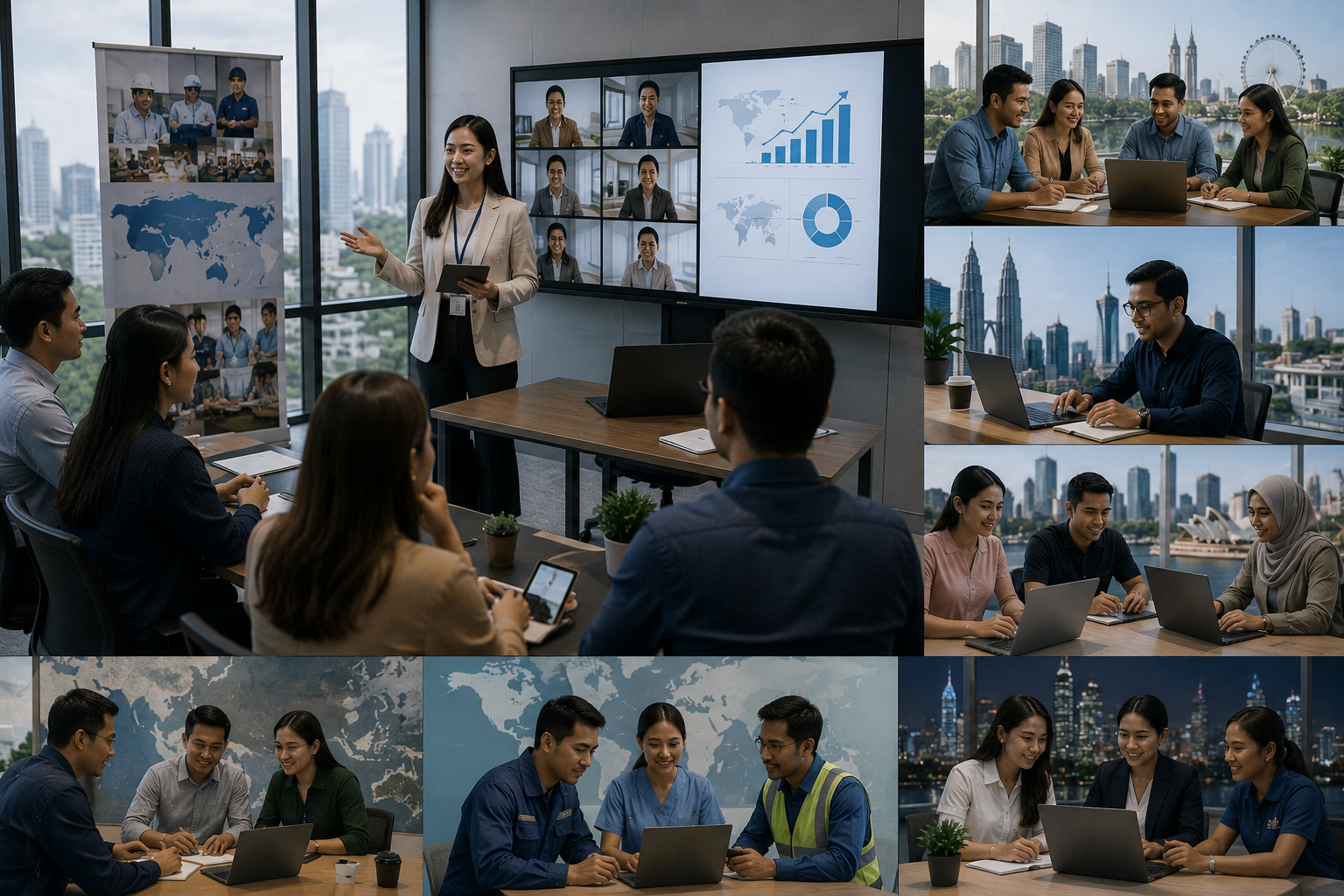
MANILA, Philippines — Overseas Filipino Worker advocacy groups around the world are expanding career development programs designed to help Filipino workers enhance their professional skills, improve employment opportunities, and achieve long-term career growth. Across North America, Europe, Asia, Australia, and the Middle East, Filipino organizations are investing in initiatives that support lifelong learning, leadership development, professional networking, digital skills training, and workforce readiness. These programs are becoming increasingly important as industries evolve, technology transforms workplaces, and global labor markets place greater emphasis on continuous professional development.
For decades, Overseas Filipino Workers have been recognized for their contributions to economies around the world. Filipino professionals, skilled workers, healthcare practitioners, engineers, educators, hospitality specialists, seafarers, information technology experts, and service industry workers have earned reputations for dedication, adaptability, and excellence. While many OFWs have achieved remarkable success abroad, advocacy groups recognize that ongoing professional development is essential for helping workers remain competitive and prepared for future opportunities in an increasingly dynamic employment landscape.
Community leaders explain that career development programs have become a priority because workforce requirements continue to change rapidly. Advances in technology, automation, digital transformation, artificial intelligence, and evolving industry standards require workers to continuously update their knowledge and skills. Advocacy organizations believe that providing access to training and educational resources helps ensure that Filipino workers remain adaptable and capable of meeting new professional demands.
Many career development programs focus on practical skills that can be applied immediately within professional environments. Workshops covering communication skills, leadership development, project management, digital literacy, customer service excellence, financial planning, entrepreneurship, and workplace innovation have become common offerings within OFW communities. Organizers note that practical training helps participants improve performance in current roles while preparing for future advancement opportunities.
Professional mentorship has emerged as one of the most valuable components of many career development initiatives. Experienced professionals frequently volunteer their time to guide younger workers, newly arrived OFWs, and individuals seeking career transitions. Through mentorship programs, participants gain access to industry insights, career advice, professional networks, and real-world experiences that help them navigate challenges and identify opportunities for growth. Organizers report that mentorship relationships often become long-term sources of support and encouragement.
Leadership development programs are also gaining momentum among Filipino advocacy groups. Many organizations recognize the importance of preparing future leaders who can contribute positively to workplaces, communities, and professional organizations. Leadership workshops frequently focus on strategic thinking, team management, conflict resolution, communication, decision-making, and organizational development. Community leaders believe that leadership skills are valuable not only for career advancement but also for strengthening Filipino representation within international industries.
Technology-focused training has become increasingly important as digital transformation continues to reshape workplaces worldwide. Many programs now offer courses and seminars covering digital tools, data analysis, artificial intelligence, cybersecurity awareness, cloud technologies, online collaboration platforms, and emerging workplace technologies. Advocacy groups understand that digital proficiency is becoming a critical factor in professional success and are working to ensure that Filipino workers have access to relevant learning opportunities.
The healthcare sector remains one of the largest areas of employment for Overseas Filipinos, making specialized professional development particularly important. Filipino nurses, medical technologists, therapists, caregivers, and healthcare administrators frequently participate in continuing education programs designed to maintain certifications, improve clinical skills, and stay informed about industry developments. Healthcare-focused career initiatives help professionals meet evolving standards while enhancing patient care and service quality.
Entrepreneurship has become another major focus of career development programs. Many OFWs aspire to establish businesses, pursue independent ventures, or create alternative income streams that support long-term financial security. Advocacy groups are responding by organizing entrepreneurship workshops, business planning seminars, financial literacy programs, and startup mentorship initiatives. These efforts encourage innovation while helping participants explore opportunities beyond traditional employment pathways.
Networking events play a significant role in career development initiatives worldwide. Professional forums, industry conferences, community gatherings, and business networking sessions provide opportunities for OFWs to build relationships with colleagues, mentors, employers, and industry leaders. Community organizers emphasize that strong professional networks often contribute significantly to career advancement by facilitating knowledge sharing, collaboration, and access to new opportunities.
Many advocacy groups have also expanded programs focused on financial education and career planning. Financial literacy workshops help participants understand budgeting, savings, investments, retirement planning, and wealth-building strategies. Organizers believe that career success and financial stability are closely connected and that empowering workers with financial knowledge supports long-term personal and professional well-being.
The participation of younger Overseas Filipinos has become an important priority for many organizations. Young professionals entering global labor markets face unique challenges and opportunities related to technological change, international competition, and evolving career expectations. Career development programs designed specifically for younger workers often focus on leadership, innovation, digital skills, personal branding, and career strategy. Community leaders view youth engagement as essential for building a strong future workforce.
Women-focused professional development initiatives have also expanded significantly. Many advocacy groups now offer programs designed to support women pursuing leadership positions, entrepreneurial opportunities, and professional advancement. These initiatives address topics such as career growth, confidence building, work-life balance, networking, and leadership development. Advocates emphasize the importance of creating inclusive opportunities that support the success of all members of the Filipino workforce.
The growth of virtual learning has dramatically increased access to career development resources. Online seminars, webinars, digital workshops, virtual conferences, and remote mentorship programs allow participants to engage regardless of location. Advocacy organizations report that digital platforms have expanded participation while making learning opportunities more accessible to workers with varying schedules and geographic circumstances. Technology has enabled organizations to reach larger audiences and provide more flexible educational experiences.
Community leaders highlight the importance of career development not only for individual success but also for broader community advancement. Skilled and empowered professionals contribute to stronger communities through leadership, mentorship, volunteerism, and economic participation. Advocacy groups view professional development as an investment that creates positive ripple effects benefiting families, workplaces, and communities both abroad and in the Philippines.
Partnerships with educational institutions, training providers, employers, government agencies, and professional associations have strengthened many career development programs. Collaborative efforts provide access to specialized expertise, certification opportunities, learning resources, and industry insights. Organizers note that partnerships help ensure program quality while expanding the range of opportunities available to participants.
Many success stories have emerged from career development initiatives organized by OFW advocacy groups. Participants have advanced into leadership positions, earned professional certifications, launched businesses, changed careers, pursued higher education, and achieved personal goals through the support and resources provided by these programs. Community leaders frequently share these stories as examples of the transformative impact that professional development can have on individual lives.
The spirit of bayanihan remains evident throughout many career development efforts. Volunteers, mentors, educators, and professionals frequently contribute their expertise without expectation of personal gain, motivated by a desire to help fellow Filipinos succeed. Community leaders view this willingness to support others as a reflection of enduring Filipino values centered on cooperation, generosity, and shared responsibility.
As global industries continue to evolve, advocacy groups anticipate growing demand for career development services. Emerging technologies, new business models, changing workforce expectations, and shifting economic conditions will require workers to remain adaptable and committed to lifelong learning. Organizations are already exploring new program offerings that address future workforce needs while preparing participants for opportunities in rapidly changing industries.
The continued expansion of career development initiatives demonstrates the commitment of Filipino communities to empowering Overseas Filipino Workers through education, mentorship, and professional growth. By investing in human capital, advocacy groups are helping workers build stronger careers while enhancing their capacity to contribute positively to workplaces and communities around the world.
Looking ahead, many organizations plan to expand training programs, strengthen mentorship networks, introduce new technology-focused initiatives, and increase collaboration with international partners. These efforts reflect a shared vision of creating more opportunities for Filipino professionals while ensuring that they remain competitive and successful in global labor markets.
Ultimately, the growth of career development programs led by OFW advocacy groups highlights the importance of continuous learning and professional empowerment in today's interconnected world. Through education, mentorship, networking, and leadership development, these initiatives are helping Overseas Filipinos unlock their full potential while building brighter futures for themselves, their families, and the communities they serve.
As Filipino workers continue to make valuable contributions across industries worldwide, career development programs will remain essential tools for supporting growth, resilience, and success. The dedication of advocacy groups to expanding these opportunities reflects a powerful commitment to helping every Overseas Filipino achieve their aspirations while strengthening the global Filipino workforce for generations to come.
Enjoyed this story?
Share this story