OFW Advocacy Groups Strengthen Support Services for Migrant Workers
Share
June 17, 2026
Updated Oct 16, 2026
8 min read
281 views
MANILA, Philippines — Advocacy groups dedicated to supporting Overseas Filipino Workers (OFWs) are expanding and strengthening their services as they respond to the evolving needs of migrant workers across the globe. Through a combination of educational programs, legal assistance, financial literacy initiatives, mental health support, skills development activities, and community-building efforts, these organizations continue to play a critical role in improving the well-being and security of millions of Filipinos working abroad.
For decades, OFWs have been recognized as significant contributors to both their families and the Philippine economy. Their hard work and sacrifices have supported households, funded education, created business opportunities, and contributed to national economic growth through remittances. While overseas employment has opened doors to valuable opportunities, it has also presented challenges related to worker protection, social adjustment, financial management, family separation, and access to support services. In response to these realities, OFW advocacy groups have emerged as important partners in helping migrant workers navigate life abroad.
Many advocacy organizations were initially established to address specific concerns faced by overseas workers, including employment issues, contract disputes, access to legal resources, and emergency assistance. Over time, however, their role has expanded significantly. Today, many groups provide comprehensive support services that address not only workplace concerns but also broader aspects of personal development, financial security, mental wellness, and community integration.
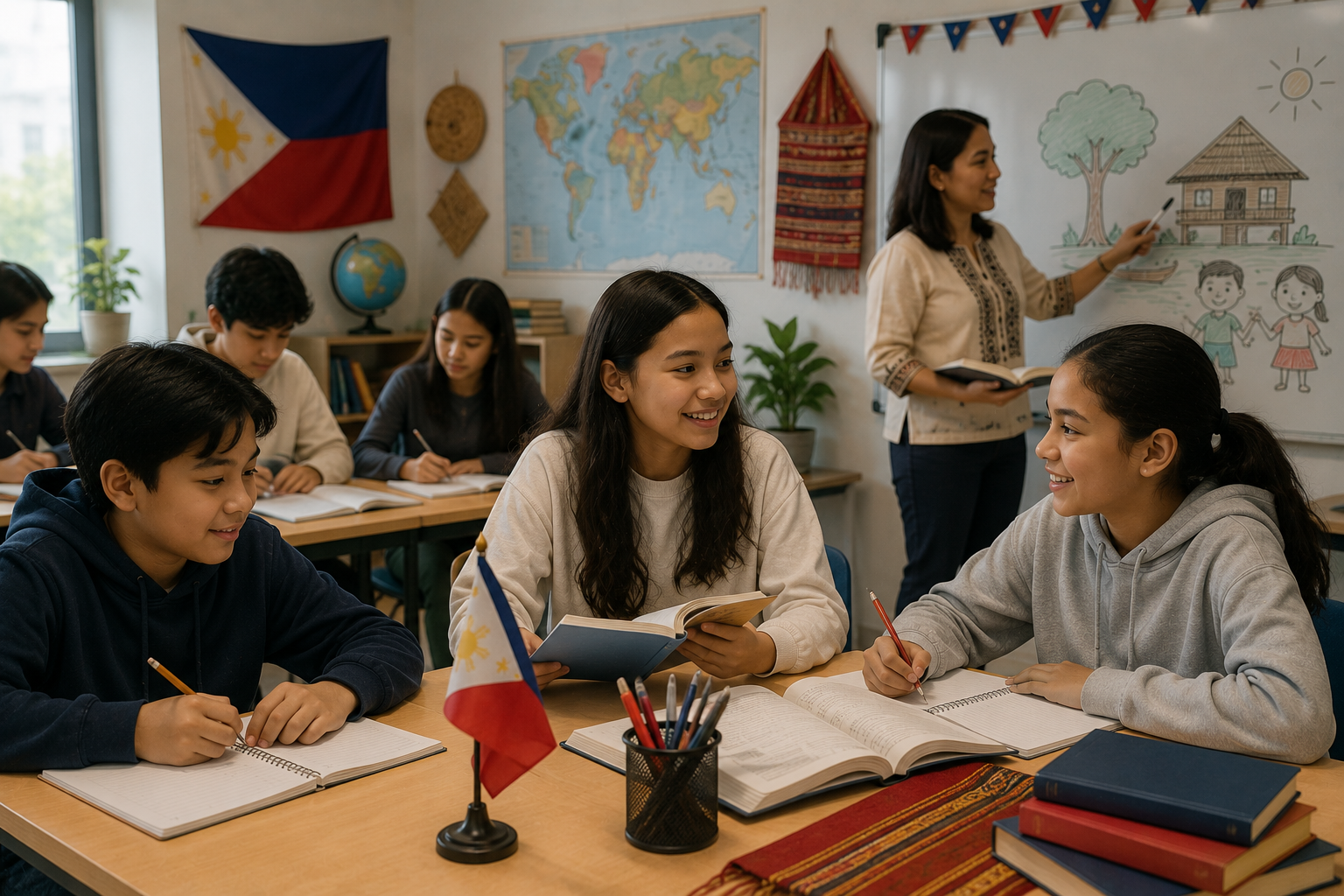
One of the most important functions of advocacy groups is providing information and education to migrant workers before and during their overseas employment. Through seminars, workshops, and outreach programs, organizations help workers understand employment contracts, labor rights, cultural expectations, and practical aspects of living and working in foreign countries. These educational efforts equip OFWs with knowledge that can help them make informed decisions and avoid common challenges associated with international employment.
Financial literacy has become a major focus of many support programs. Advocacy groups recognize that effective financial planning is essential for maximizing the long-term benefits of overseas employment. Workshops on budgeting, savings, investments, entrepreneurship, and financial management help workers develop strategies for building financial stability and achieving personal goals. Organizers emphasize that financial education empowers OFWs to transform temporary overseas employment into sustainable opportunities for long-term economic growth.
Mental health and emotional well-being have also gained increased attention within OFW support programs. Working abroad often involves significant adjustments, including separation from family members, adaptation to new cultures, and the pressures associated with demanding work environments. Advocacy groups have responded by introducing wellness programs, counseling services, peer support networks, and community activities that help workers maintain emotional resilience and social connections. Community leaders note that mental health support is an increasingly important aspect of migrant worker welfare.
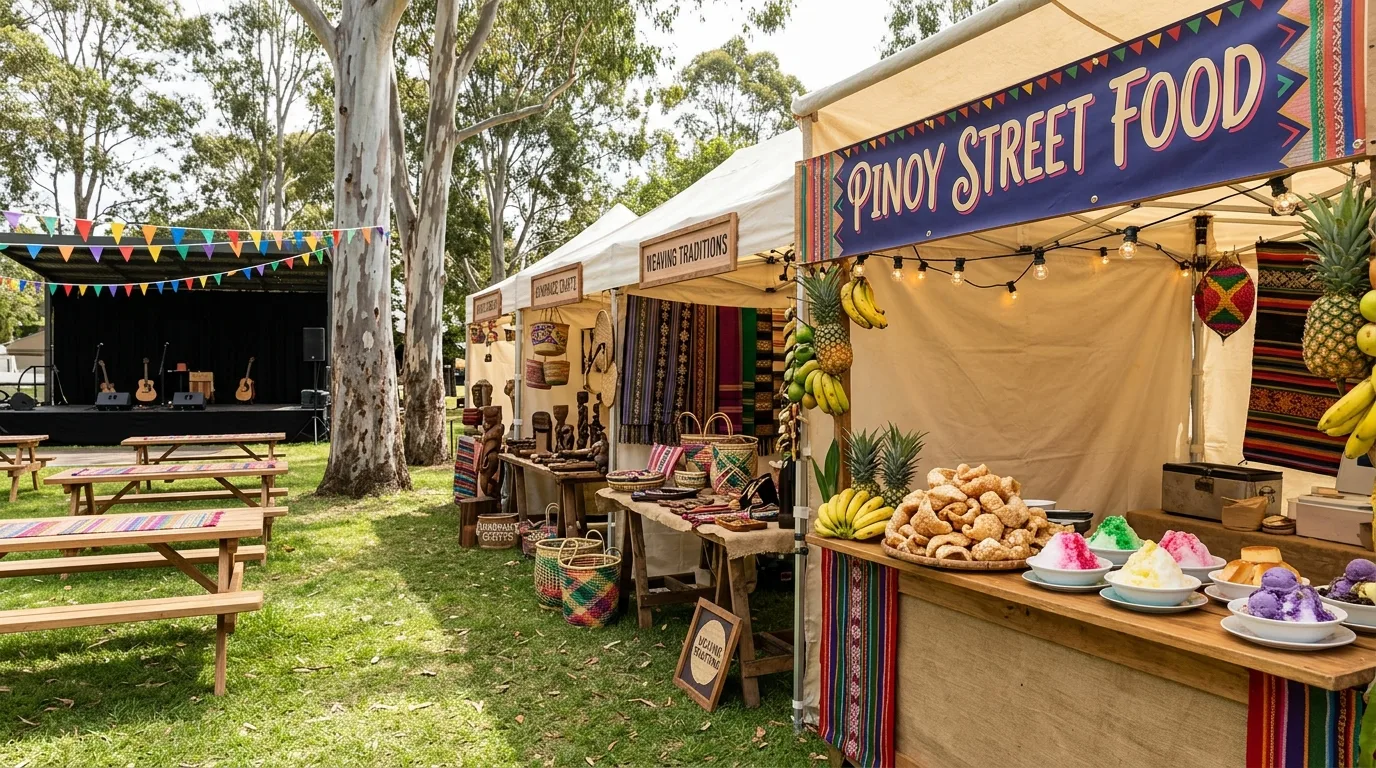
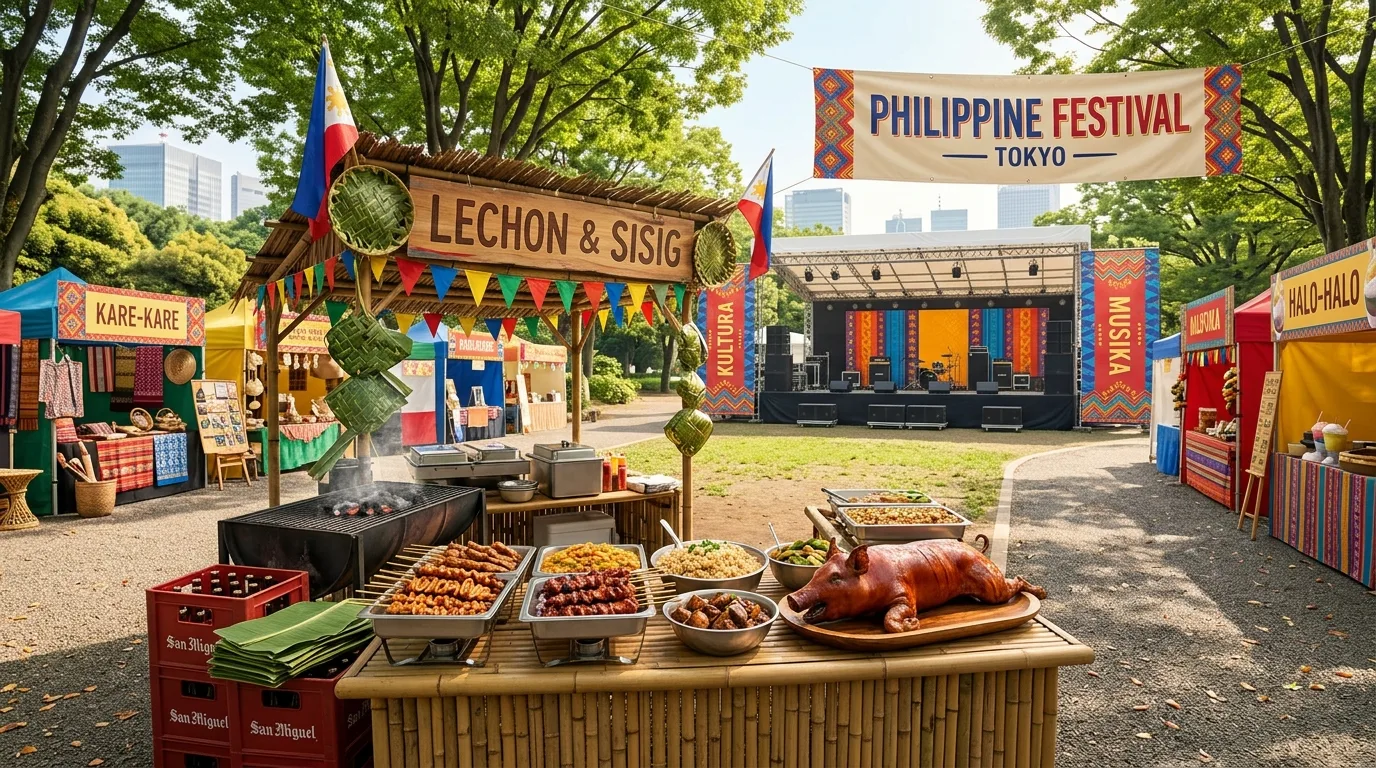
The role of community-building initiatives cannot be overstated. Many OFW advocacy groups organize cultural events, social gatherings, volunteer activities, sports programs, and family-oriented celebrations that strengthen community relationships among Filipinos living abroad. These activities help create support networks where workers can share experiences, exchange information, and build friendships that contribute positively to their overall well-being. Organizers often describe these connections as vital sources of comfort and encouragement for individuals living far from home.
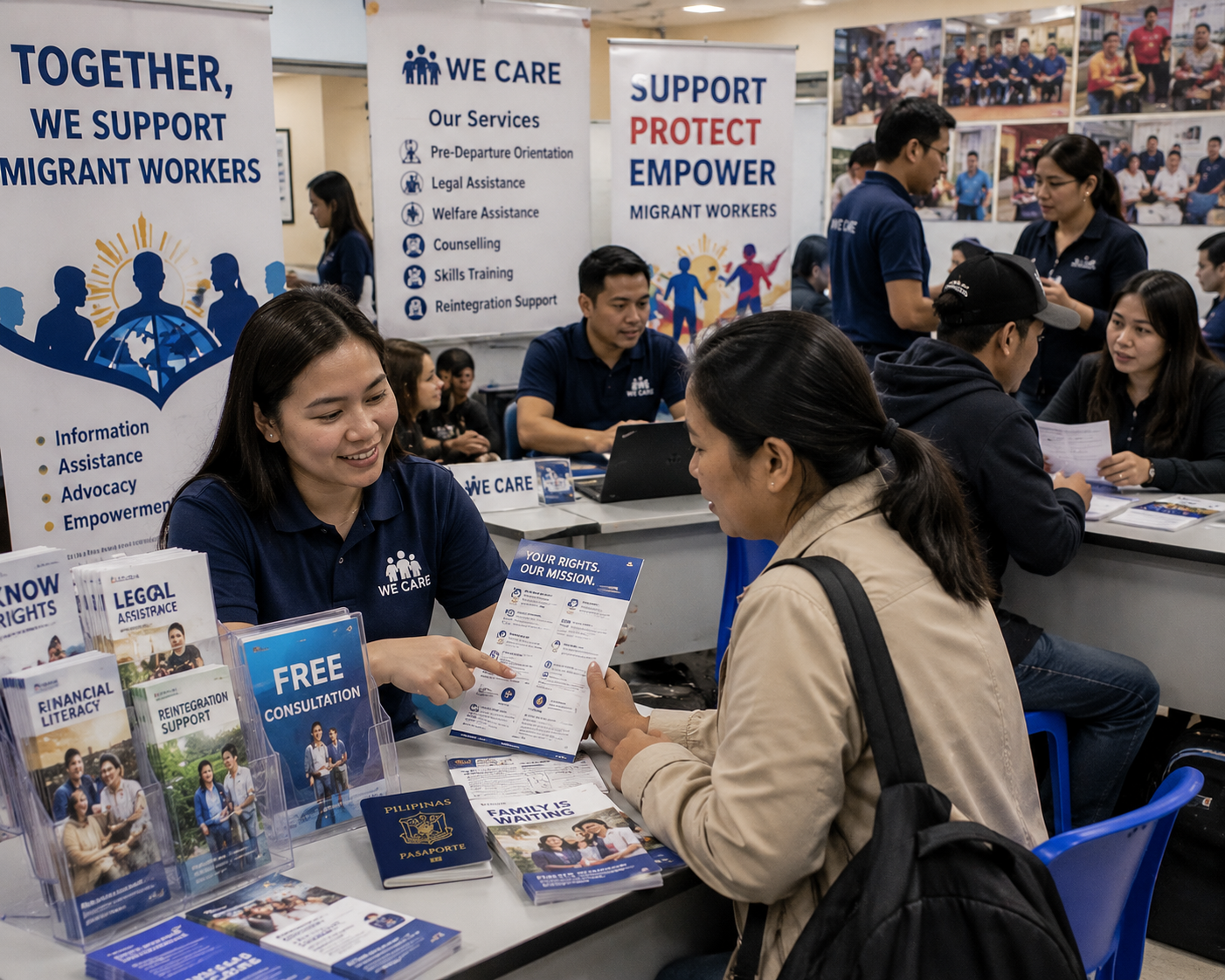
Legal assistance remains a cornerstone of many advocacy efforts. Workers occasionally encounter challenges related to employment contracts, workplace conditions, immigration requirements, and labor disputes. Advocacy groups frequently collaborate with legal professionals, government agencies, and community partners to help workers understand their rights and access appropriate assistance when needed. These services contribute to greater awareness of worker protections while promoting fair treatment and responsible employment practices.
Skills development programs have become increasingly popular as advocacy organizations seek to support long-term career growth for OFWs. Training opportunities often focus on leadership, communication, entrepreneurship, digital literacy, professional certification, and technical skills enhancement. By investing in personal and professional development, workers can improve their employment prospects and prepare for future opportunities, whether abroad or upon returning to the Philippines.
Many advocacy groups also provide support for returning migrants. Reintegration programs help OFWs transition back into local communities by offering guidance on entrepreneurship, employment opportunities, financial planning, and community engagement. These initiatives recognize that successful reintegration requires preparation and support, particularly for individuals seeking to build sustainable livelihoods after years of overseas work.
The involvement of Filipino professionals abroad has strengthened the effectiveness of many advocacy programs. Experienced OFWs, business leaders, educators, healthcare professionals, and community volunteers frequently contribute expertise, mentorship, and resources that benefit fellow migrants. Their participation creates valuable opportunities for knowledge sharing and peer support while reinforcing a culture of mutual assistance within overseas Filipino communities.
Technology has significantly expanded the reach of advocacy services. Digital platforms, social media networks, mobile applications, and virtual communication tools allow organizations to connect with workers across multiple countries and time zones. Online seminars, virtual support groups, educational content, and digital counseling services provide convenient access to information and assistance. Advocacy leaders note that technology has become an essential tool for engaging and supporting increasingly diverse and geographically dispersed communities.
Family-centered programs are another important component of many advocacy initiatives. Recognizing that migration affects entire households, organizations often provide resources and activities that support communication, financial planning, family relationships, and educational development. Programs designed for spouses, children, and relatives help strengthen family resilience while addressing some of the challenges associated with long-distance family arrangements.
Youth engagement has become a growing priority within many advocacy networks. Children of OFWs and young members of overseas Filipino communities are increasingly encouraged to participate in leadership programs, cultural activities, volunteer projects, and educational initiatives. Organizers believe that investing in young people helps strengthen community continuity while fostering future leaders who can contribute positively to both local and global Filipino communities.
Collaboration among organizations has contributed significantly to the expansion of support services. Advocacy groups frequently partner with community associations, educational institutions, businesses, nonprofit organizations, and government agencies to maximize resources and broaden program impact. These partnerships enable organizations to address a wider range of needs while promoting greater efficiency and sustainability.
The spirit of bayanihan remains central to many advocacy efforts. Volunteers, community leaders, and supporters often contribute their time and expertise to assist fellow Filipinos facing challenges abroad. This culture of cooperation and mutual support reflects deeply rooted Filipino values that continue to guide community initiatives regardless of geographic location. Organizers frequently describe bayanihan as the foundation upon which many successful advocacy programs are built.
Many success stories have emerged from the work of OFW advocacy organizations. Workers who have benefited from financial education programs have successfully established businesses, pursued higher education, purchased homes, and achieved greater financial security. Others have utilized training opportunities to advance professionally or develop new skills that enhance their career prospects. These achievements demonstrate the long-term value of comprehensive support services and community engagement.
Advocacy groups have also played important roles in promoting awareness of migrant worker contributions. Through public education campaigns, community events, and cultural programs, organizations highlight the achievements, resilience, and positive impact of OFWs on both Philippine society and host communities abroad. These efforts help foster greater appreciation for the important role migrant workers play in global economies and multicultural societies.
The diversity of overseas Filipino communities has encouraged advocacy groups to develop increasingly specialized services tailored to different populations and circumstances. Programs designed for healthcare workers, domestic workers, seafarers, educators, engineers, and other professional groups address unique needs while ensuring that support remains relevant and accessible. Community leaders recognize that flexibility and responsiveness are essential for meeting evolving challenges and opportunities.
As global labor markets continue to change, advocacy organizations are adapting their strategies to address emerging trends and concerns. Topics such as digital transformation, remote work, financial technology, mental health awareness, career mobility, and lifelong learning are becoming more prominent within support programs. These developments reflect broader efforts to prepare workers for future challenges while enhancing their ability to thrive in dynamic environments.
Looking ahead, many advocacy groups are focused on expanding outreach efforts, strengthening partnerships, and improving access to services. Investments in technology, volunteer development, leadership training, and community engagement are expected to support continued growth and innovation within the sector. Organizers remain committed to ensuring that OFWs have access to the resources and support necessary for success and well-being.
Ultimately, the work of OFW advocacy groups reflects a shared commitment to empowering migrant workers and strengthening overseas Filipino communities. Through education, support services, community engagement, and collaborative action, these organizations help address challenges while creating opportunities for personal growth, professional development, and long-term success.
As millions of Filipinos continue to pursue opportunities abroad, advocacy groups will remain essential partners in promoting worker welfare, protecting rights, and fostering stronger communities. Their efforts demonstrate the enduring power of collective action and the importance of supporting those whose contributions continue to shape families, communities, and the future of the Philippines.
Enjoyed this story?
Share this story