OFW Advocacy Groups Strengthen Support Services for Migrant Workers and Families
Share
June 13, 2026
Updated Oct 14, 2026
8 min read
243 views
MANILA, Philippines — Overseas Filipino Worker (OFW) advocacy groups around the world are expanding and strengthening support services aimed at improving the well-being, protection, and long-term success of migrant workers and their families. Through a growing range of programs that include legal assistance, financial literacy education, mental health support, family counseling, career development initiatives, community engagement activities, and emergency assistance services, these organizations continue to play a crucial role in addressing the evolving needs of millions of Filipinos living and working abroad.
For decades, OFWs have been recognized as significant contributors to the Philippine economy and to the development of communities both at home and overseas. Their dedication, hard work, and sacrifices have supported families, funded education, contributed to business development, and strengthened local economies across the country. However, migration also presents unique challenges that require comprehensive support systems capable of addressing the social, economic, emotional, and professional realities faced by workers and their loved ones. Advocacy groups have increasingly positioned themselves as key partners in helping migrant workers navigate these challenges while maximizing opportunities for personal and family growth.
Community leaders note that the role of advocacy organizations has expanded significantly in recent years. While many groups initially focused on welfare concerns and emergency assistance, their programs have evolved to include broader initiatives that support holistic development and long-term resilience. This shift reflects a growing understanding that migrant workers benefit from comprehensive services that address not only immediate concerns but also future goals related to financial stability, career advancement, family well-being, and community integration.
Legal assistance remains one of the most important services provided by many advocacy organizations. Migrant workers often face complex legal environments that vary significantly from one country to another. Issues related to employment contracts, labor rights, immigration regulations, workplace disputes, and documentation requirements can create challenges for individuals unfamiliar with local systems. Advocacy groups frequently collaborate with legal professionals, government agencies, and community partners to provide guidance, information, and support that help workers better understand their rights and responsibilities.
Financial literacy programs have become increasingly important components of OFW support initiatives. Advocacy leaders recognize that many workers seek overseas employment to improve their financial situations and create better opportunities for their families. Educational programs covering budgeting, savings, investment planning, debt management, entrepreneurship, and retirement preparation help workers make informed financial decisions throughout their migration journeys. Organizers believe that financial knowledge is one of the most powerful tools available for helping migrant workers achieve long-term stability and independence.
Mental health and emotional well-being have also emerged as significant priorities within advocacy efforts. Living and working abroad can involve challenges such as family separation, cultural adjustment, workplace pressures, social isolation, and uncertainty about the future. These experiences can affect emotional health and overall quality of life. In response, many organizations have introduced counseling services, wellness programs, peer support groups, educational workshops, and mental health awareness campaigns designed to help workers build resilience and access support when needed.
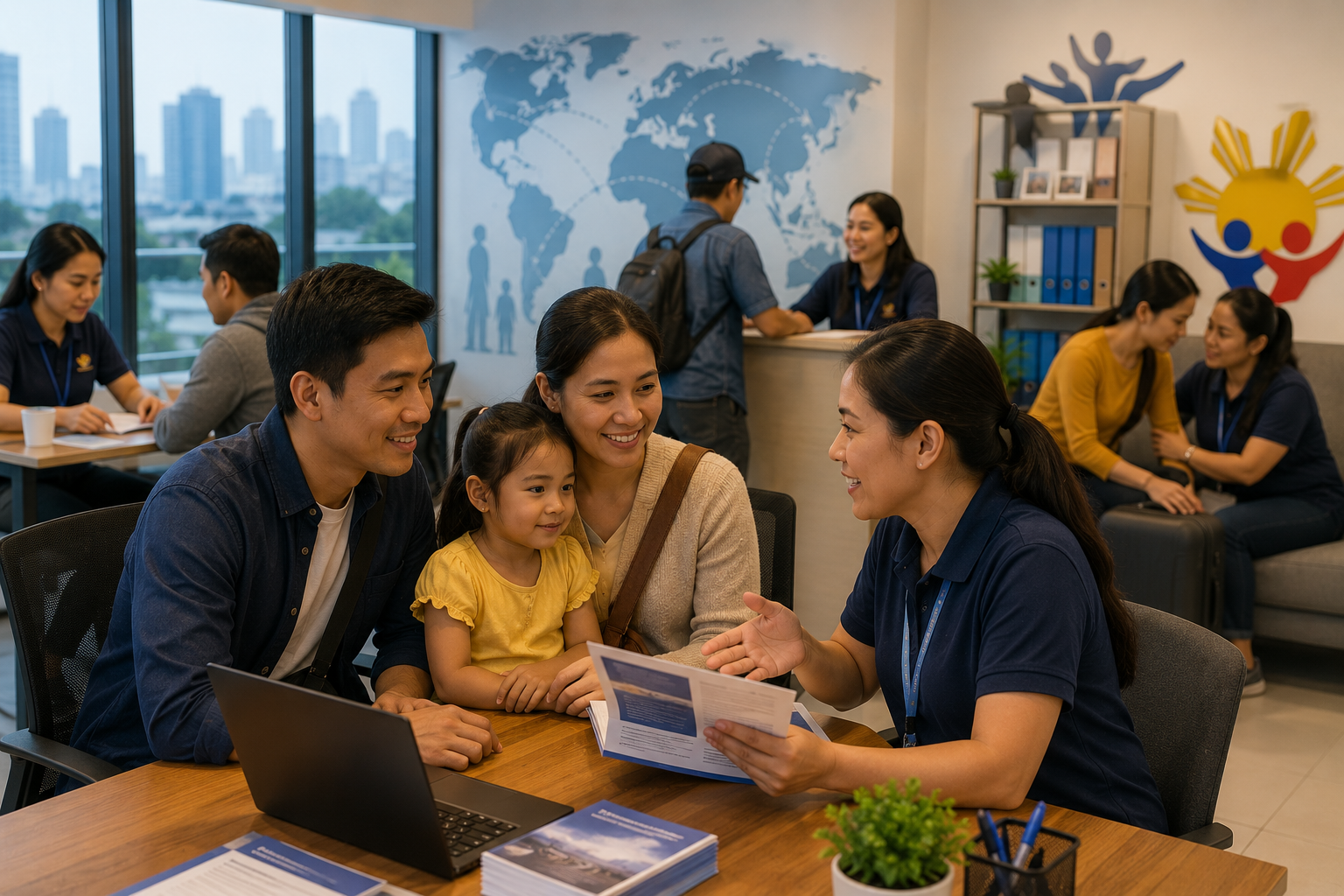
Family-focused services have become another major area of development. Advocacy groups recognize that migration affects not only workers themselves but also spouses, children, parents, and extended family members. Programs aimed at strengthening family relationships, improving communication, supporting parenting from a distance, and addressing emotional challenges associated with separation are increasingly common. Community leaders emphasize that strong family relationships contribute significantly to the overall success and well-being of migrant workers.
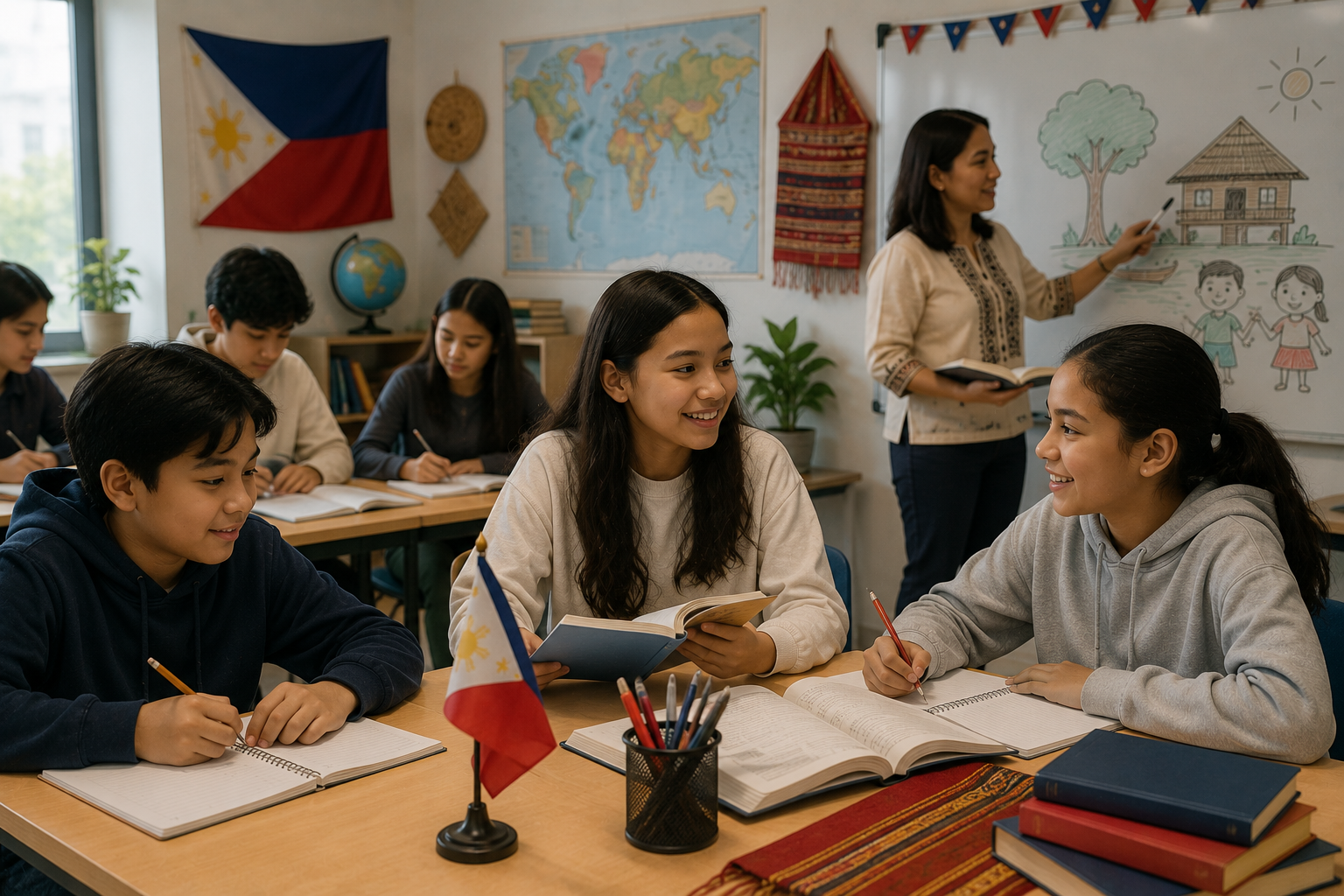
Educational support programs have also gained momentum among advocacy organizations. Scholarships, skills training opportunities, leadership development initiatives, and continuing education programs help workers and their families pursue personal and professional growth. Many organizations view education as a critical pathway toward long-term empowerment and socioeconomic advancement. By investing in learning opportunities, advocacy groups help create conditions that support future success both during and after overseas employment.
Technology has transformed the way support services are delivered to migrant workers. Digital platforms, mobile applications, online counseling services, virtual workshops, social media communities, and information portals allow organizations to reach larger audiences and provide assistance more efficiently. These tools are especially valuable for connecting workers across different countries and time zones while ensuring that important resources remain accessible regardless of location.
Career development initiatives have become increasingly important as labor markets evolve and workers seek opportunities for advancement. Advocacy groups frequently organize professional development workshops, mentorship programs, networking events, and skills training sessions designed to help workers improve employability and pursue career growth. Community leaders note that many migrant workers aspire not only to secure employment but also to build sustainable careers that offer long-term opportunities and professional fulfillment.
Emergency assistance remains a critical function of many advocacy organizations. Whether responding to personal crises, health emergencies, natural disasters, workplace issues, or unexpected financial challenges, advocacy groups often serve as important sources of immediate support. Their ability to mobilize resources, coordinate assistance, and connect individuals with appropriate services provides valuable protection for vulnerable community members during difficult situations.
The participation of volunteers has been instrumental in the success of many support programs. Filipino professionals, community leaders, educators, healthcare workers, legal experts, and experienced migrants frequently contribute their time and expertise to assist others. This culture of volunteerism reflects the enduring Filipino value of bayanihan, demonstrating how collective action and mutual support can strengthen communities and improve outcomes for individuals facing challenges abroad.
Women-focused initiatives have become increasingly prominent within migrant support programs. Female workers often encounter distinct challenges related to employment conditions, family responsibilities, health concerns, and personal safety. Advocacy organizations are responding by creating programs specifically designed to address these issues while promoting leadership, empowerment, and access to resources. Community advocates emphasize the importance of ensuring that support services remain inclusive and responsive to diverse needs.
Youth and family engagement programs have also expanded as organizations recognize the long-term effects migration can have on children and young adults. Educational workshops, leadership activities, mentoring opportunities, and family support programs help strengthen relationships while preparing younger generations for future success. Community leaders view these initiatives as important investments in the future well-being of Filipino families.
Partnerships between advocacy groups, government agencies, educational institutions, private sector organizations, and community associations have strengthened the reach and effectiveness of support services. Collaborative approaches allow organizations to access additional resources, expertise, and networks while improving service delivery. Many leaders believe that cooperation among stakeholders is essential for addressing the complex realities of migration in comprehensive and sustainable ways.
The growing professionalism of advocacy organizations has contributed significantly to their effectiveness. Many groups now employ structured program management systems, data-driven planning approaches, and specialized service models that improve accountability and impact. This evolution reflects a broader commitment to delivering high-quality support that responds to changing community needs and emerging challenges.
Community empowerment remains a central objective of many advocacy efforts. Rather than focusing solely on assistance, organizations increasingly seek to equip workers and families with the knowledge, skills, and confidence needed to make informed decisions and achieve greater self-sufficiency. This approach emphasizes long-term capacity building while encouraging active participation in personal and community development.
The positive impact of advocacy programs can be seen in countless stories of individuals who have benefited from educational opportunities, financial guidance, legal assistance, emotional support, and professional development. Many participants describe these services as transformative experiences that helped them overcome obstacles, pursue new opportunities, and build stronger futures for themselves and their families. Such outcomes reinforce the value of continued investment in community-based support systems.
As global migration patterns continue to evolve, advocacy groups are expected to remain important pillars of support for Filipino workers abroad. Emerging issues related to technology, labor market changes, health and wellness, financial inclusion, and family dynamics will likely shape future program development. Organizations remain committed to adapting their services to meet changing needs while maintaining strong connections with the communities they serve.
Looking ahead, leaders within the advocacy sector emphasize the importance of innovation, collaboration, and sustainability. Continued investment in education, technology, volunteer development, and partnership-building will help ensure that support services remain effective and accessible. Community organizations are optimistic that these efforts will contribute to stronger, more resilient migrant communities capable of thriving in an increasingly interconnected world.
Ultimately, the expansion of support services by OFW advocacy groups reflects a deep commitment to the welfare and empowerment of migrant workers and their families. Through comprehensive programs that address legal, financial, emotional, educational, and professional needs, these organizations help create environments where Filipinos abroad can pursue opportunities while maintaining strong foundations for long-term success.
As millions of overseas Filipinos continue to contribute to communities around the world, advocacy groups will remain essential partners in promoting dignity, resilience, and opportunity. Their work demonstrates the enduring power of community support and collective action in helping migrant workers navigate challenges, achieve goals, and build brighter futures for themselves and the generations that follow.
Enjoyed this story?
Share this story