OFW Communities Launch New Mentorship Programs for First-Time Overseas Workers
Share
June 21, 2026
Updated Oct 16, 2026
7 min read
219 views
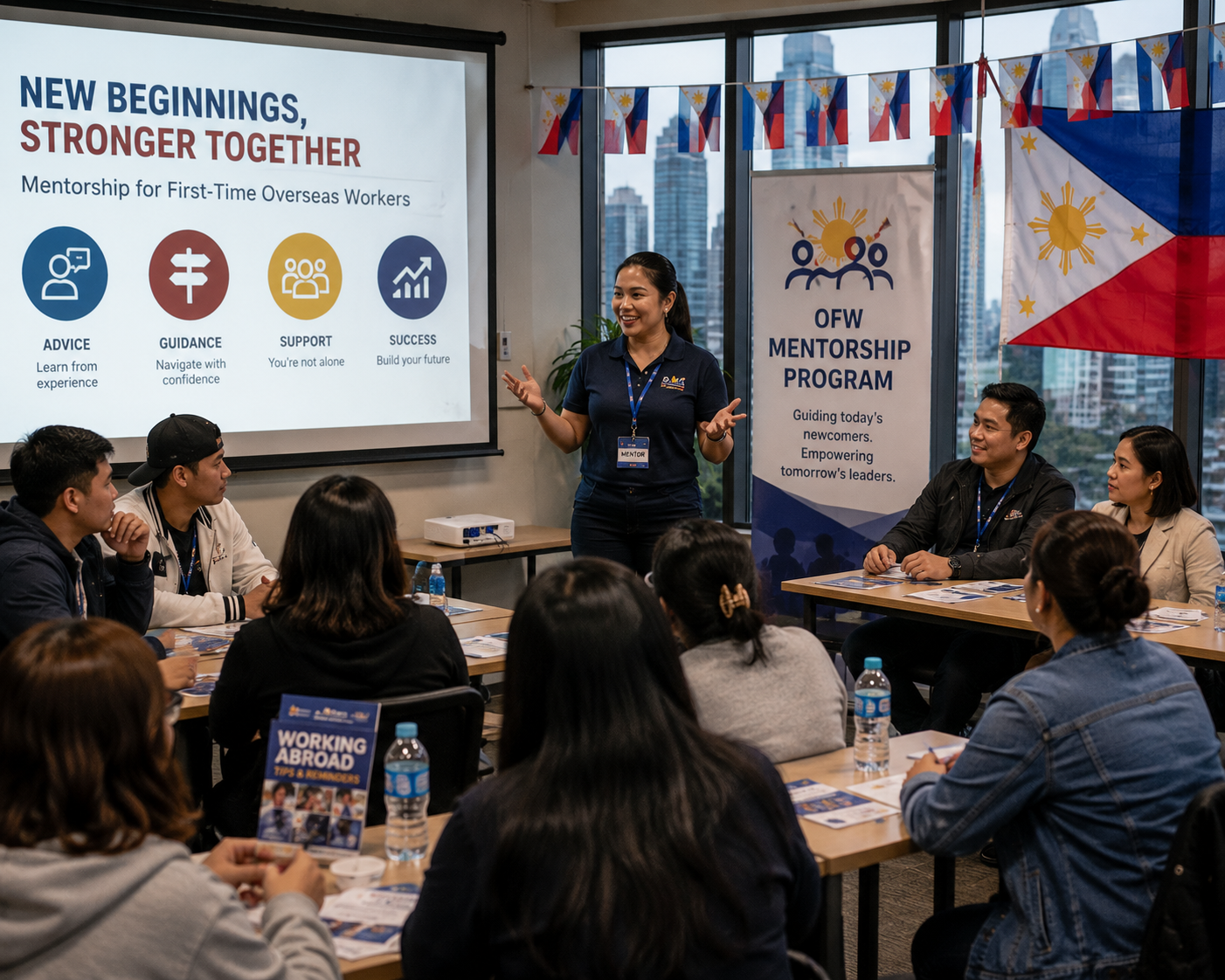
MANILA, Philippines — Overseas Filipino Worker communities around the world are introducing new mentorship programs aimed at helping first-time overseas workers adapt more successfully to life and work abroad. Designed to provide practical guidance, emotional support, cultural orientation, and professional advice, these initiatives are connecting experienced OFWs with newly arrived workers to create stronger support networks and foster smoother transitions into overseas employment. Community leaders believe that these mentorship programs can play an important role in helping first-time workers navigate challenges while promoting personal growth, well-being, and long-term success.
For many Filipinos, working abroad represents a major life transition that brings both opportunities and uncertainties. While overseas employment can provide financial stability, professional advancement, and broader life experiences, adjusting to a new country often requires significant adaptation. First-time overseas workers may encounter unfamiliar cultures, workplace environments, social expectations, and daily routines. Community organizations have recognized these challenges and are responding by developing mentorship initiatives that offer guidance from individuals who have already experienced similar journeys.
Organizers explain that mentorship programs are designed to provide practical support during the critical early stages of an overseas worker's experience. Experienced mentors can share firsthand knowledge about adjusting to local customs, understanding workplace expectations, accessing community resources, managing finances, maintaining well-being, and building positive relationships. These insights often help new arrivals feel more confident and prepared as they begin their overseas employment journeys.
Many community leaders emphasize that mentorship extends beyond providing information. Mentors frequently serve as trusted sources of encouragement and reassurance during periods of adjustment. First-time workers may experience feelings of uncertainty, homesickness, or anxiety as they adapt to new environments. Having access to someone who understands these experiences can provide valuable emotional support and help individuals develop resilience. Organizers note that strong support networks often contribute significantly to successful adaptation and long-term satisfaction.
The concept of mentorship aligns closely with the Filipino value of bayanihan, which emphasizes cooperation, mutual assistance, and community solidarity. Across many countries, experienced OFWs have long informally assisted newcomers by sharing advice, offering guidance, and helping them navigate unfamiliar situations. New mentorship programs build upon these traditions by creating structured opportunities for experienced workers to support the next generation of Overseas Filipinos. Community advocates view these initiatives as modern expressions of enduring Filipino values.
Financial literacy has emerged as a major focus within many mentorship programs. Experienced workers often share practical strategies related to budgeting, saving, financial planning, and responsible resource management. Organizers recognize that overseas employment frequently involves significant financial goals, including supporting family members, funding education, investing in businesses, or preparing for future opportunities. By providing guidance on financial decision-making, mentorship programs help participants maximize the long-term benefits of their overseas experiences.
Workplace adaptation is another important area addressed through mentorship initiatives. Different countries and industries may have distinct professional cultures, communication styles, and workplace expectations. Mentors help newcomers understand these dynamics while offering advice on professional conduct, career development, and effective workplace relationships. Community leaders believe that better understanding of workplace environments can contribute to stronger job performance and greater professional confidence.
Many programs also provide information about local laws, regulations, and community resources. Understanding legal rights, employment protections, healthcare systems, transportation networks, and public services can be essential for successful adaptation. Mentors frequently help participants identify reliable sources of information and connect with organizations that provide assistance when needed. Organizers note that access to accurate information helps workers make informed decisions and avoid unnecessary challenges.
Technology has significantly expanded the reach of mentorship initiatives. Online platforms, video conferencing tools, messaging applications, and digital communities allow mentors and participants to communicate regardless of geographic location. Virtual mentoring sessions have become increasingly common, making programs more accessible to workers living in different regions or working varying schedules. Community leaders report that digital tools have enabled mentorship programs to engage larger numbers of participants while maintaining meaningful connections.
Many organizations have also created group mentoring formats that encourage peer learning and community building. Workshops, discussion forums, networking events, and educational seminars allow participants to learn from multiple perspectives while developing relationships with fellow Overseas Filipinos. Organizers believe that group activities help strengthen community bonds while creating opportunities for collaboration and mutual support.
Younger OFWs have shown strong interest in mentorship opportunities, particularly those focused on career development and professional growth. Many participants seek guidance not only on adapting to overseas life but also on identifying long-term opportunities for advancement and skill development. Mentors often share experiences related to career progression, continuing education, leadership development, and entrepreneurship. Community leaders note that these conversations help participants view overseas employment as part of broader personal and professional journeys.
Women-focused mentorship programs have also gained attention in several communities. These initiatives create supportive spaces where women can discuss experiences, challenges, and opportunities related to overseas employment. Organizers emphasize the importance of providing mentorship that addresses diverse perspectives and experiences while promoting inclusive community engagement.
Mental and emotional well-being are increasingly integrated into mentorship programming. Community leaders recognize that adjustment to overseas life can involve emotional challenges related to separation from family, cultural adaptation, and work-related stress. Mentors often encourage participants to maintain healthy routines, stay connected with loved ones, and engage with supportive communities. Organizers believe that holistic approaches to mentorship contribute positively to overall well-being and resilience.
The success of mentorship programs has encouraged partnerships with community organizations, professional associations, educational institutions, nonprofit groups, and local agencies. These collaborations provide access to expertise, resources, training materials, and additional support services that strengthen program effectiveness. Community advocates note that partnerships help create more comprehensive support systems capable of addressing a wide range of participant needs.
Many experienced OFWs describe mentoring as a meaningful way to give back to their communities. Having benefited from guidance and support during their own journeys, mentors often feel motivated to help others achieve similar success. Organizers frequently highlight the generosity and dedication of volunteers who contribute time and expertise to support new workers. Their involvement reflects the strong sense of community that continues to characterize many Overseas Filipino populations.
Participants often report positive outcomes from mentorship experiences. Increased confidence, stronger social connections, improved understanding of local environments, better financial planning, and greater awareness of professional opportunities are among the benefits commonly cited. Community leaders believe that these outcomes demonstrate the value of structured support programs and reinforce the importance of continued investment in mentorship initiatives.
The growing popularity of mentorship programs reflects broader trends within global Filipino communities. As Overseas Filipinos become more interconnected through digital technology and community organizations, opportunities for knowledge sharing and collaboration continue to expand. Mentorship initiatives represent one example of how communities are leveraging collective experience to support new generations of workers while strengthening social networks.
Many organizations are exploring opportunities to expand mentorship services through specialized programs focused on particular industries, age groups, or geographic regions. Future initiatives may include leadership development opportunities, entrepreneurship mentoring, professional certification guidance, and advanced career coaching. Community leaders remain optimistic about the potential for mentorship programs to evolve and address emerging needs within overseas populations.
The continued growth of these initiatives highlights the resilience and adaptability of Filipino communities worldwide. By creating structured pathways for knowledge sharing and mutual support, mentorship programs help ensure that first-time overseas workers have access to resources that can contribute to positive and successful experiences. These efforts reflect a commitment to community well-being while reinforcing values of cooperation, compassion, and shared responsibility.
Ultimately, the launch of new mentorship programs demonstrates how Overseas Filipino communities continue to support one another through meaningful and practical initiatives. By connecting experienced workers with newcomers, these programs help build confidence, strengthen relationships, and promote personal and professional development. They also serve as reminders that success abroad is often built not only on individual determination but also on the support and guidance of a caring community.
As more Filipinos pursue opportunities around the world, mentorship programs are expected to play increasingly important roles in helping workers adapt, thrive, and achieve their goals. Through collaboration, shared experience, and the enduring spirit of bayanihan, Overseas Filipino communities are creating stronger foundations for future generations of workers while fostering a culture of support that transcends borders and distances.
Enjoyed this story?
Share this story