OFWs in the Middle East Launch Community Programs Supporting New Filipino Workers
Share
June 05, 2026
Updated Oct 15, 2026
7 min read
425 views
MANILA, Philippines — Overseas Filipino Workers (OFWs) across the Middle East are strengthening support systems for newly arrived Filipino workers through a growing number of community-driven programs designed to help newcomers adjust to life abroad, access valuable resources, and build meaningful connections within Filipino communities.
From the United Arab Emirates and Saudi Arabia to Qatar, Kuwait, Bahrain, Oman, and other parts of the Gulf region, Filipino organizations, volunteer groups, professional associations, and community leaders are launching initiatives that provide guidance, mentorship, educational opportunities, and social support for Filipinos beginning their overseas employment journeys.
Community advocates describe these programs as modern expressions of bayanihan, the Filipino tradition of cooperation and mutual assistance that continues to unite Filipinos regardless of geographic location.
As overseas employment remains an important pathway for many Filipinos seeking career opportunities and financial stability, community leaders recognize the importance of creating environments where new workers feel supported and connected.
Moving to a new country often presents significant challenges.
Many first-time overseas workers must adapt to unfamiliar workplaces, cultural environments, legal systems, transportation networks, and social expectations while being separated from family and support networks at home.
Community programs aim to ease these transitions by providing practical information, emotional support, and opportunities to connect with experienced OFWs who understand the realities of working abroad.
Many organizers note that even simple guidance can make a significant difference in helping newcomers feel more confident and prepared.
Mentorship programs have become one of the most popular initiatives.
Experienced OFWs volunteer to assist newly arrived workers by sharing advice, answering questions, and offering guidance based on their own experiences.
These mentorship relationships often help newcomers navigate common challenges while building friendships and professional networks.
Community leaders emphasize that peer-to-peer support can be especially valuable because mentors understand the unique circumstances faced by overseas workers.
Many participants describe these relationships as among the most meaningful aspects of their overseas experiences.
Orientation sessions are also becoming increasingly common.
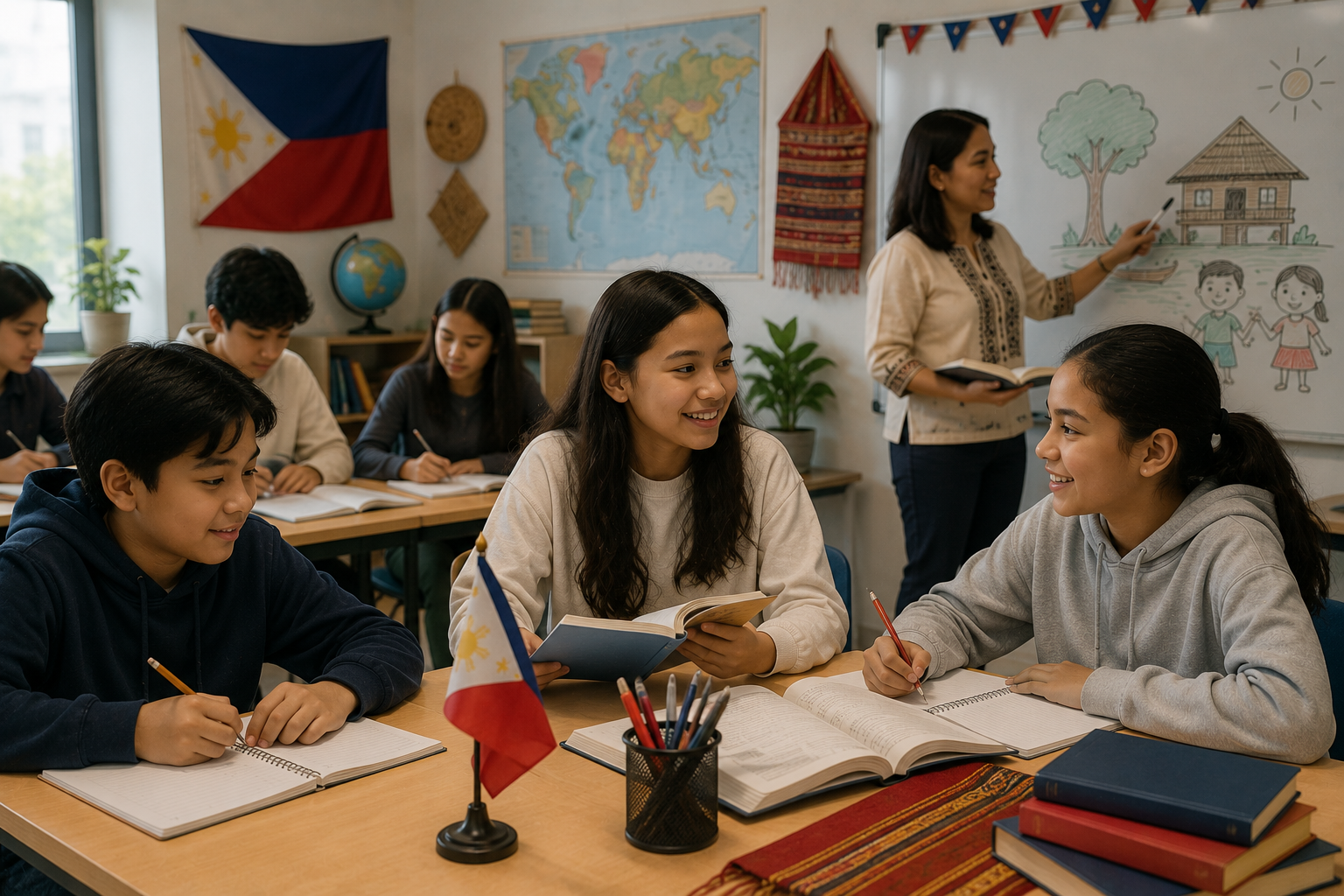
Community organizations frequently host informational events that cover topics such as workplace expectations, local laws and regulations, financial literacy, healthcare access, transportation systems, communication resources, and emergency assistance services.
These sessions help newcomers become familiar with important aspects of daily life in their host countries.
Organizers believe that access to accurate information reduces uncertainty while promoting safer and more successful transitions.
Financial education has emerged as another key area of focus.
Many OFWs travel abroad with goals related to supporting family members, saving for future investments, funding education, purchasing homes, or building businesses.
Community programs often provide workshops focused on budgeting, savings strategies, responsible financial management, entrepreneurship, and long-term financial planning.
Financial literacy advocates note that informed decision-making can help workers maximize the benefits of overseas employment while avoiding common financial challenges.
Community leaders frequently emphasize that financial education is an investment in long-term family and community well-being.
Skills development programs have also gained popularity.
Professional organizations and community groups regularly organize seminars, training workshops, and networking events designed to support career advancement and personal growth.
These programs provide opportunities for workers to develop new skills, explore leadership opportunities, and expand professional networks.
Many participants view continuous learning as an important strategy for achieving career goals and improving future opportunities.
The availability of educational resources reflects the strong emphasis many Filipinos place on self-improvement and lifelong learning.
Mental health and emotional well-being have become increasingly important topics within OFW communities.
Recognizing the challenges associated with homesickness, stress, cultural adjustment, and family separation, many organizations are creating spaces where workers can share experiences, seek support, and access wellness resources.
Community gatherings, peer support groups, recreational activities, and counseling initiatives help promote emotional resilience and social connection.
Advocates emphasize that mental well-being is an essential component of overall success and quality of life abroad.
Community events continue to play a central role in strengthening social bonds.
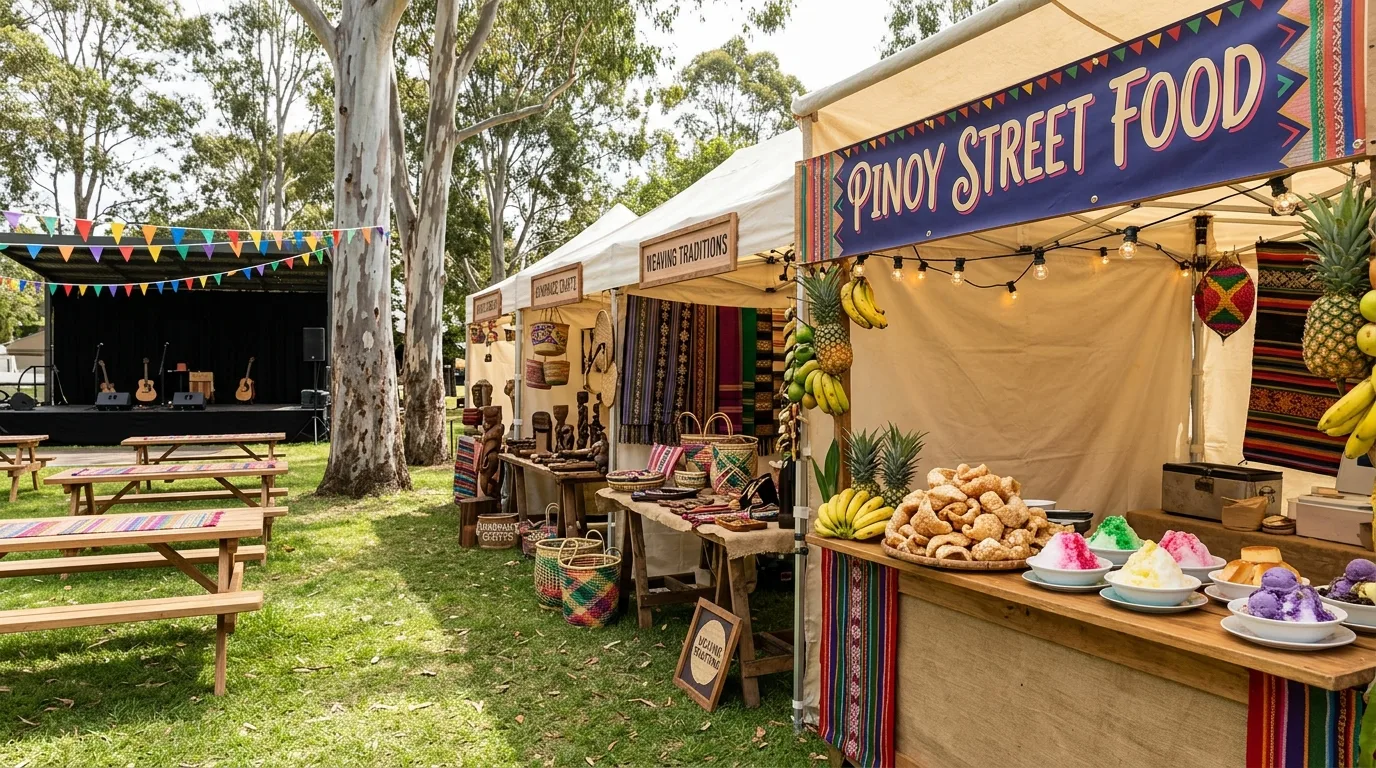
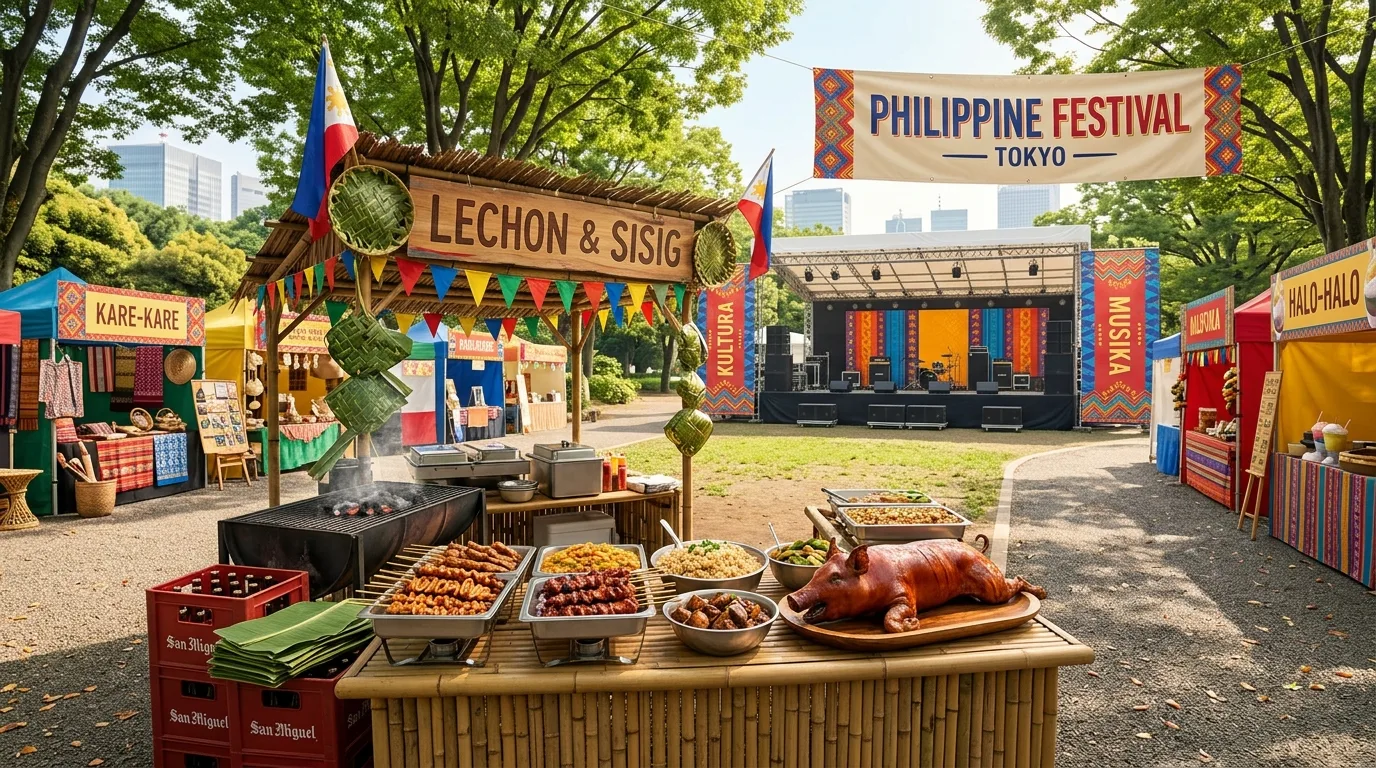
Filipino festivals, cultural celebrations, sports tournaments, family gatherings, religious activities, and volunteer initiatives provide opportunities for workers to connect with fellow Filipinos and maintain cultural traditions.
These events help create a sense of belonging while reinforcing shared values and cultural identity.
Many OFWs describe community participation as an important source of comfort and encouragement.
The spirit of community often becomes particularly meaningful during important holidays and celebrations.
Technology has significantly enhanced the ability of Filipino communities to organize and support one another.
Social media groups, messaging platforms, online forums, and digital resource centers allow workers to access information quickly, seek assistance, and remain connected to community networks.
Newly arrived workers often rely on these digital communities for recommendations, advice, and introductions to local organizations.
Technology has made it easier than ever for Filipinos to build support systems regardless of geographic location.
Volunteerism remains one of the defining characteristics of these community programs.
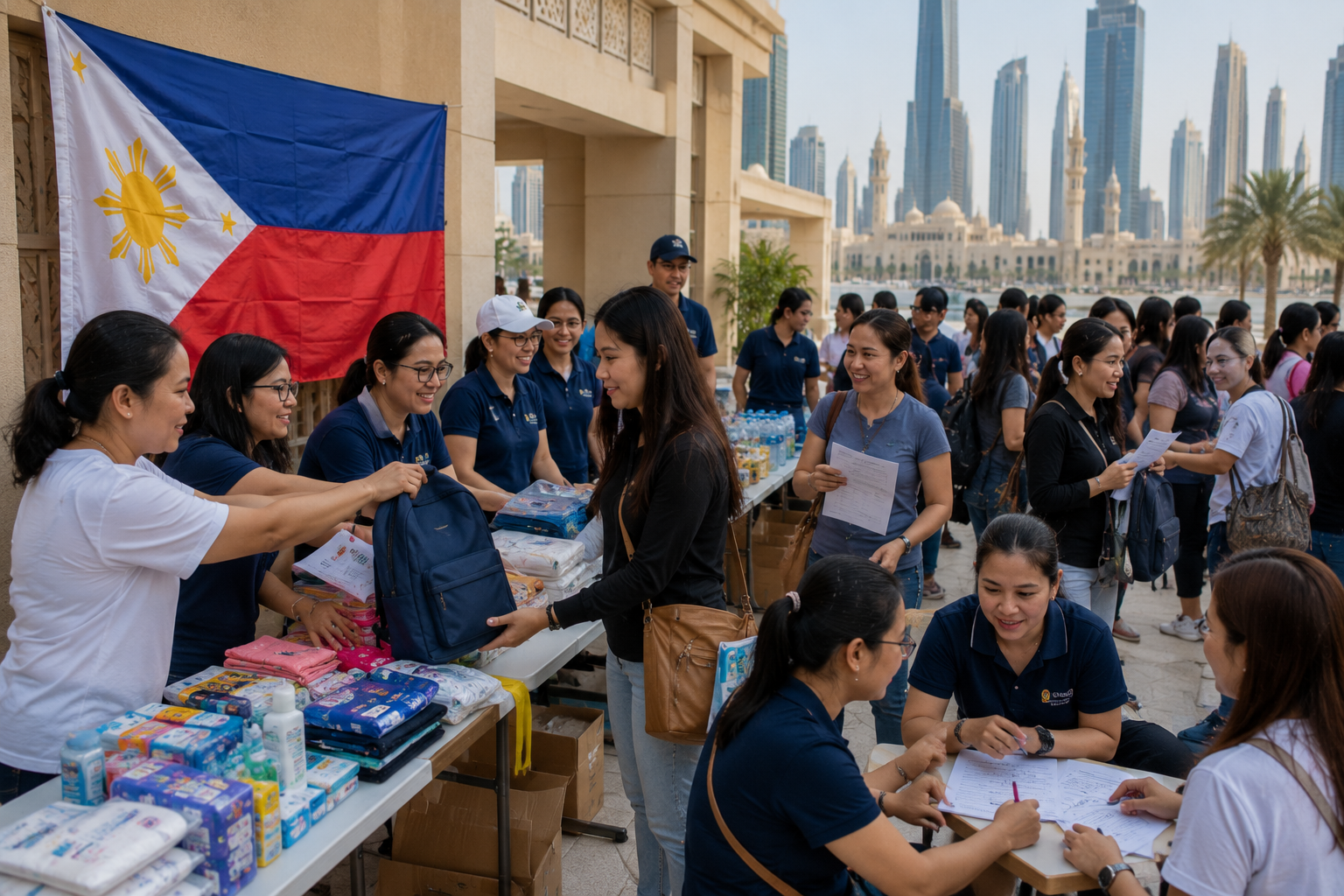
Many initiatives are led by OFWs who dedicate personal time and resources to helping others succeed.
Community leaders frequently describe volunteer efforts as reflections of gratitude and solidarity.
Having benefited from support themselves, many experienced workers feel motivated to assist newcomers facing similar challenges.
This cycle of support helps strengthen community resilience while fostering a culture of service.
Religious organizations also play important roles in supporting Filipino workers abroad.
Churches, faith-based groups, and spiritual communities often provide opportunities for fellowship, counseling, outreach activities, and charitable initiatives.
For many workers, these organizations serve as important sources of guidance and emotional support.
Community leaders note that faith communities often contribute significantly to the broader network of assistance available to newcomers.
Women's groups and family-focused organizations have launched programs specifically designed to address the needs of women working abroad.
These initiatives may include mentorship opportunities, educational workshops, wellness programs, and support services that promote empowerment and community engagement.
Advocates emphasize the importance of creating inclusive environments that address the diverse experiences and needs of community members.
Youth and second-generation Filipinos living in the Middle East are also becoming more involved in community activities.
Many participate as volunteers, event organizers, cultural ambassadors, and educational mentors.
Their involvement helps strengthen intergenerational connections while ensuring community programs remain relevant and sustainable.
Community leaders believe engaging younger generations is essential to preserving Filipino values and traditions abroad.
The positive impact of support programs often extends beyond individual participants.
Workers who feel connected and supported are more likely to become active community members, contribute to local initiatives, and assist others in the future.
This creates a cycle of empowerment that strengthens Filipino communities over time.
Many organizers describe community development as a shared responsibility that benefits everyone involved.
Government agencies, diplomatic missions, and community organizations frequently collaborate to support OFW welfare and development.
Partnerships help expand access to information, resources, educational opportunities, and assistance programs.
Community leaders emphasize that collaboration is essential to addressing the diverse needs of overseas workers effectively.
The Middle East remains one of the most important regions for overseas Filipino employment, with millions of Filipinos contributing to industries such as healthcare, engineering, construction, hospitality, education, technology, finance, and domestic services.
The success of community programs reflects the resilience, adaptability, and solidarity that have long characterized Filipino communities abroad.
Looking ahead, organizers plan to expand existing initiatives while exploring new ways to support workers through technology, education, mentorship, and community engagement.
Many groups hope to reach even more Filipinos while strengthening partnerships that enhance program effectiveness and sustainability.
The future outlook remains positive as community participation continues to grow.
Ultimately, the emergence of community programs supporting new Filipino workers highlights one of the most enduring aspects of Filipino culture: the willingness to help others succeed.
Through mentorship, education, volunteerism, friendship, and collective action, OFWs across the Middle East are demonstrating that success abroad is not only an individual achievement but also a shared community effort.
These programs remind workers that they are never alone in their journeys.
They are part of a global Filipino community connected by shared experiences, common values, and a commitment to supporting one another through every stage of life abroad.
As these initiatives continue expanding, they stand as powerful examples of bayanihan in action—proving that even far from home, the Filipino spirit of unity and compassion remains stronger than ever.
Enjoyed this story?
Share this story