OFWs Launch Community Support Programs for Newly Arrived Filipino Worker
Share
June 19, 2026
Updated Oct 15, 2026
7 min read
246 views
MANILA, Philippines — Overseas Filipino Workers (OFWs) across various countries are strengthening community networks through the launch of support programs designed specifically for newly arrived Filipino workers. These initiatives aim to help newcomers adjust more smoothly to life abroad by providing guidance, practical assistance, mentorship, and opportunities to connect with established Filipino communities. As migration continues to create new opportunities for Filipinos around the world, community leaders are emphasizing the importance of creating supportive environments that promote well-being, integration, and long-term success.
For many Filipinos, working abroad represents a significant milestone filled with both opportunities and challenges. While overseas employment can provide financial stability and career advancement, the process of adapting to a new country often involves overcoming unfamiliar environments, cultural differences, language barriers, and social adjustments. Recognizing these challenges, many experienced OFWs have come together to create programs that help newcomers navigate their first months abroad with greater confidence and support.
Community leaders explain that the transition period is often one of the most critical stages in the overseas work experience. Newly arrived workers frequently face a variety of concerns ranging from understanding local systems and workplace expectations to finding housing, managing finances, and building social networks. Support programs are designed to address these concerns by providing information, resources, and connections that can ease the adjustment process and reduce feelings of uncertainty or isolation.
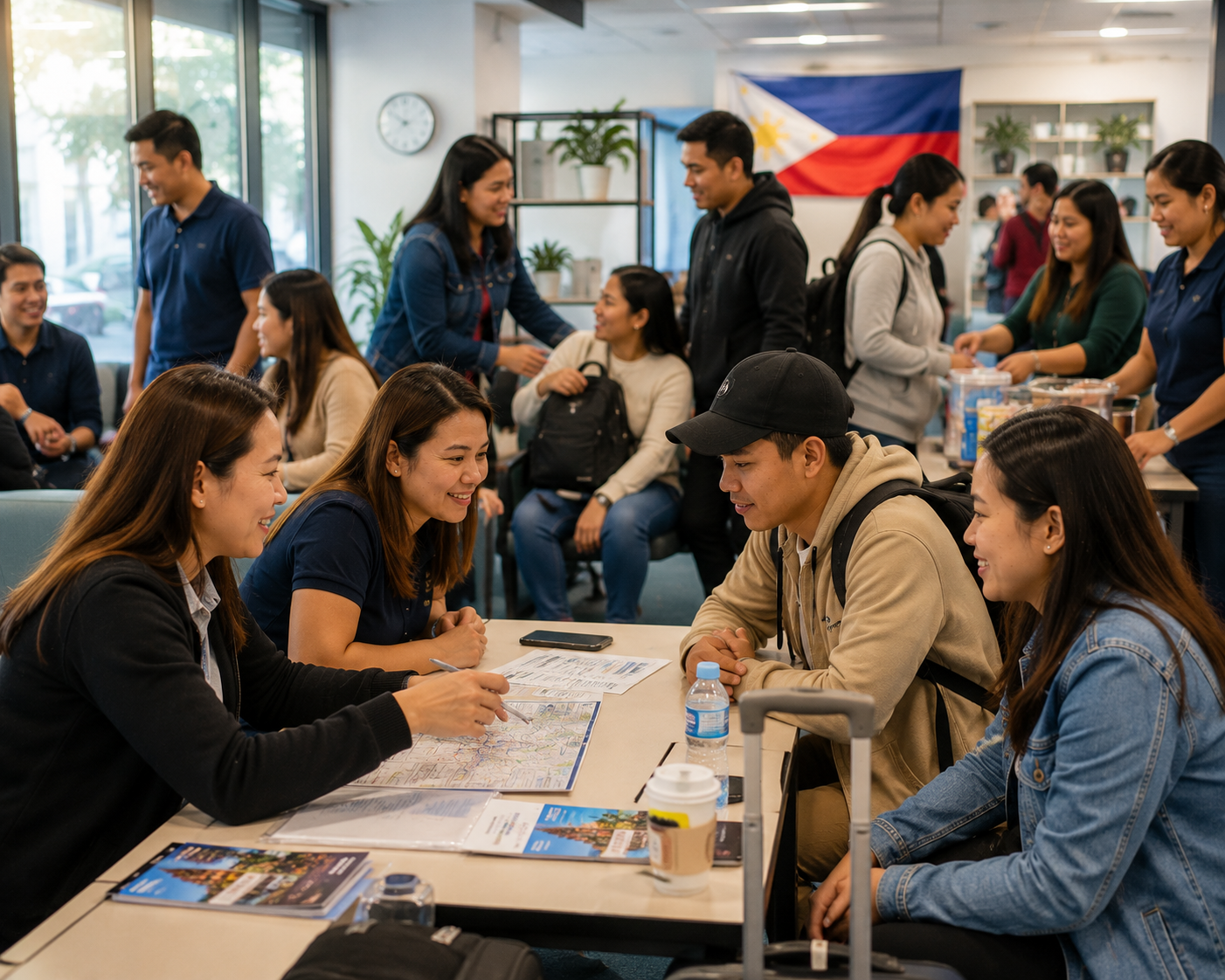
Mentorship has emerged as one of the most valuable components of many community support programs. Experienced OFWs volunteer their time to guide newcomers by sharing practical advice and personal experiences. Mentors often help new workers understand workplace cultures, navigate local transportation systems, access essential services, and adapt to daily life in their host countries. Organizers note that mentorship relationships provide not only practical guidance but also emotional encouragement during periods of transition.
Many support initiatives begin with orientation sessions that introduce newly arrived workers to important information about their new environments. These sessions often cover topics such as local laws and regulations, employment rights and responsibilities, healthcare systems, emergency services, cultural customs, and financial management. By providing accurate and accessible information, organizers help newcomers make informed decisions while avoiding common challenges associated with relocation.
Financial literacy education has become an increasingly important focus of community support programs. Experienced OFWs recognize that effective financial management plays a critical role in achieving long-term goals associated with overseas employment. Workshops and educational sessions frequently address budgeting, savings strategies, remittance planning, investment basics, and financial security. Organizers believe that helping workers develop strong financial habits early in their overseas journeys contributes significantly to long-term success and stability.
Mental health and emotional well-being are also receiving greater attention within community support initiatives. Moving to a new country often involves separation from family, adjustments to unfamiliar environments, and increased responsibilities that can create emotional stress. Community organizations are responding by creating programs that encourage social connection, emotional support, and open discussions about mental wellness. Support groups, wellness activities, and community gatherings provide opportunities for individuals to build relationships and access encouragement from others who understand their experiences.
Many OFW organizations emphasize the importance of creating welcoming social environments where newcomers can establish meaningful connections. Community events, cultural celebrations, sports activities, volunteer projects, and networking gatherings help new workers develop friendships and build support systems. Organizers note that strong social networks contribute significantly to personal well-being and help individuals feel more connected to their communities.
The spirit of bayanihan serves as the foundation for many of these initiatives. Filipino communities have long been known for their traditions of mutual support and collective action, and these values continue to shape community programs abroad. Volunteers frequently dedicate time and resources to helping newcomers without expecting anything in return. Community leaders describe these efforts as modern expressions of Filipino solidarity that demonstrate the enduring strength of cultural values regardless of geographic location.
Technology has become an essential tool for connecting newcomers with support networks. Social media groups, messaging platforms, online forums, and digital resource centers allow workers to access information, seek advice, and connect with fellow Filipinos even before arriving in their host countries. Many organizations maintain online communities where members can ask questions, share experiences, and receive assistance from volunteers and experienced workers. Digital platforms have significantly expanded the reach and accessibility of support services.
Employment-related guidance is another important aspect of many programs. While newly arrived workers often arrive with employment arrangements already in place, community organizations frequently provide information about workplace expectations, professional development opportunities, labor rights, and career advancement strategies. Organizers emphasize that understanding workplace environments and available resources helps workers build confidence and achieve greater professional success.
Many support programs also include initiatives designed specifically for women, young professionals, healthcare workers, domestic workers, and other groups with unique experiences and needs. Tailored programming allows organizations to address specific challenges while providing more relevant resources and support. Community leaders note that recognizing diversity within the Filipino workforce helps ensure that assistance programs remain inclusive and effective.
The involvement of Filipino professionals has significantly strengthened many community initiatives. Healthcare providers, educators, legal professionals, business leaders, and experienced workers frequently volunteer their expertise to support newcomers. Their contributions provide valuable insights and specialized guidance that enhance the quality and effectiveness of support services. Organizers view professional involvement as an important factor in expanding the impact of community programs.
Partnerships with local organizations, government agencies, nonprofit institutions, and community groups have further strengthened support initiatives. Collaborative efforts help provide access to additional resources, educational opportunities, and community services that benefit newly arrived workers. Organizers believe that strong partnerships contribute to more comprehensive support systems while fostering positive relationships between Filipino communities and host societies.
Many programs also focus on helping newcomers understand and appreciate the cultures of their host countries. Cultural orientation activities encourage respectful engagement with local customs, traditions, and social practices while promoting successful integration. Community leaders emphasize that cultural understanding contributes positively to both personal experiences and professional relationships.
Family support remains an important consideration within many initiatives. For workers supporting families back home, access to resources related to communication, financial planning, and family well-being can be particularly valuable. Some programs provide information and assistance designed to help individuals maintain strong family connections while managing the responsibilities associated with overseas employment.
The success of community support programs has inspired similar initiatives in different regions around the world. Positive outcomes reported by participants include improved confidence, stronger social networks, better financial management, enhanced workplace adaptation, and greater overall well-being. These results encourage community organizations to continue expanding and improving support services for future arrivals.
Youth leadership has become increasingly important in the evolution of community programs. Younger OFWs and second-generation Filipinos often contribute innovative ideas related to technology, communication, and community engagement. Their participation helps ensure that programs remain relevant and responsive to changing needs while encouraging broader involvement across generations.
Many organizers believe that support initiatives contribute not only to individual success but also to stronger and more resilient Filipino communities. By helping newcomers establish positive foundations early in their overseas experiences, community programs create environments where individuals are better positioned to contribute positively to both their communities and workplaces. Strong support systems ultimately benefit entire communities through increased engagement, cooperation, and shared success.
Looking ahead, OFW organizations are exploring new ways to expand support services through digital innovation, mentorship networks, educational programs, leadership development initiatives, and partnerships with various stakeholders. Community leaders remain committed to adapting programs to meet evolving needs while maintaining the values of compassion, service, and solidarity that define Filipino community life.
The continued growth of community support programs reflects a broader commitment among Overseas Filipinos to ensuring that no one faces the challenges of relocation alone. Through collective effort, volunteerism, and shared experience, established workers are helping newcomers build successful and fulfilling lives abroad. These initiatives demonstrate the powerful impact that communities can have when individuals come together to support one another.
Ultimately, the launch of support programs for newly arrived Filipino workers highlights the enduring strength of the Filipino spirit and the importance of community in navigating life's transitions. Through mentorship, education, friendship, and practical assistance, OFWs around the world are helping create welcoming environments where newcomers can thrive, contribute, and achieve their goals. As Filipino communities continue to grow globally, these programs serve as inspiring examples of how bayanihan remains alive and relevant in a modern, interconnected world.
Enjoyed this story?
Share this story