OFWs Launch Community Support Programs for Newly Arrived Filipino Workers
Share
June 09, 2026
Updated Oct 16, 2026
8 min read
338 views
MANILA, Philippines — Overseas Filipino Workers (OFWs) across various countries are launching new community support programs aimed at helping newly arrived Filipino workers adapt more smoothly to life and work abroad. These initiatives are designed to provide guidance, practical assistance, emotional support, and community connections for Filipinos who are beginning new chapters in foreign countries. Community leaders and volunteers believe these programs will play an important role in strengthening support systems while helping newcomers overcome many of the challenges associated with overseas employment.
For decades, Overseas Filipino Workers have been recognized not only for their contributions to economies around the world but also for their resilience, dedication, and strong sense of community. Millions of Filipinos have built successful careers abroad in industries such as healthcare, engineering, construction, hospitality, education, technology, maritime services, and domestic work. While overseas employment offers valuable opportunities, the transition to a new country often comes with challenges that can be difficult to navigate without support. Recognizing these realities, many established Filipino communities are stepping forward to help newly arrived workers adjust more confidently and successfully.
Community organizers explain that the first few months after arriving in a foreign country are often among the most challenging periods for overseas workers. New arrivals must adapt to unfamiliar workplaces, different cultural expectations, transportation systems, housing arrangements, legal requirements, and social environments. At the same time, many are dealing with homesickness, separation from family, and the emotional pressures associated with major life changes. Support programs aim to address these concerns by creating welcoming environments where newcomers can access guidance and build meaningful relationships.
One of the primary goals of these initiatives is to provide practical information that helps workers navigate daily life. Orientation sessions often cover topics such as local laws, workplace rights and responsibilities, public transportation, healthcare systems, financial management, communication services, and emergency resources. Community leaders note that access to reliable information can significantly reduce stress while helping workers avoid common mistakes during their adjustment period.
Many programs include mentorship components that connect newly arrived workers with experienced OFWs who have already established themselves within the local community. Mentors provide valuable insights based on firsthand experience, helping newcomers understand workplace expectations, cultural norms, and practical aspects of daily life. Organizers believe that mentorship relationships are particularly effective because they combine information-sharing with personal encouragement and emotional support.
The concept of mentorship resonates strongly within Filipino communities because it reflects traditional values centered on helping others succeed. Experienced OFWs often remember the challenges they faced when they first arrived abroad and view mentorship as an opportunity to give back. Through one-on-one guidance, group discussions, and community activities, mentors help create smoother transitions for newcomers while fostering stronger relationships within the broader Filipino community.
Housing assistance has emerged as another important component of support programs. Finding safe, affordable, and convenient accommodations can be a significant challenge for workers arriving in unfamiliar locations. Community organizations frequently assist newcomers by providing housing information, connecting them with trusted contacts, and sharing practical advice related to rental agreements and neighborhood selection. These efforts help workers avoid unnecessary difficulties while promoting greater stability during their early months abroad.
Employment support services are also becoming increasingly common. Although many workers arrive with employment arrangements already in place, they may still need assistance understanding workplace culture, career development opportunities, and professional networking practices. Community organizations often organize workshops, career seminars, and networking events that help participants build skills and expand professional connections. These initiatives contribute to both short-term adaptation and long-term career success.
Financial literacy has become a growing focus of many support programs. Community leaders recognize that effective financial management is essential for achieving long-term goals such as supporting families, purchasing homes, investing in businesses, and preparing for future opportunities. Workshops often cover topics including budgeting, savings strategies, remittance management, debt avoidance, investment planning, and financial security. Participants gain practical knowledge that helps them make informed financial decisions while maximizing the benefits of overseas employment.
Mental health and emotional well-being are receiving increased attention within community support initiatives. Many OFWs experience stress related to work demands, cultural adjustment, social isolation, and separation from loved ones. Community programs are responding by creating safe spaces where individuals can share experiences, seek advice, and access emotional support. Group activities, peer support networks, counseling referrals, and community gatherings help foster a sense of belonging while promoting overall well-being.
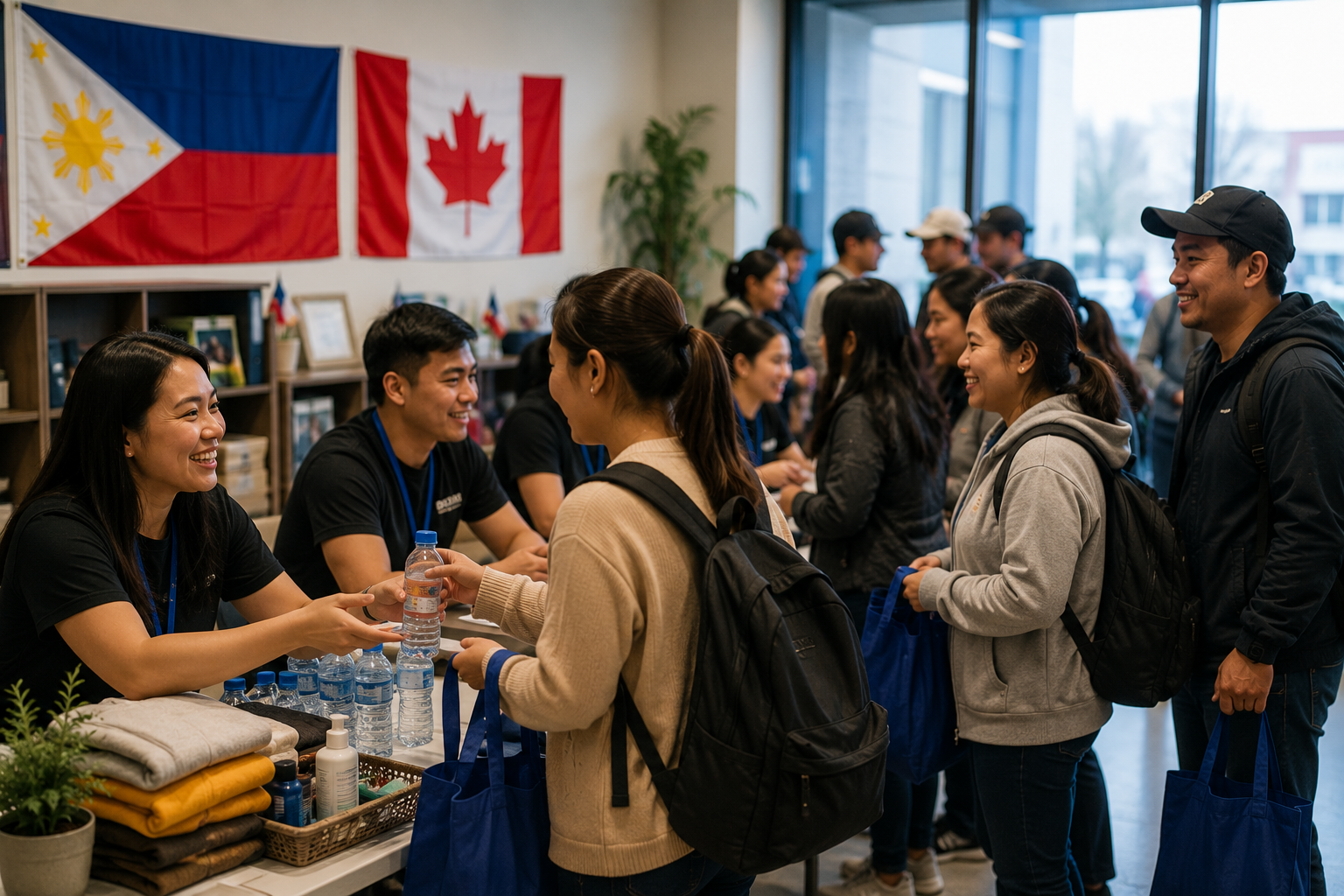
Social integration plays a critical role in helping newly arrived workers feel connected and supported. Community organizations frequently host welcome events, cultural celebrations, sports tournaments, family gatherings, volunteer activities, and networking sessions designed to bring people together. These events provide opportunities for newcomers to meet fellow Filipinos, build friendships, and establish support networks that can be invaluable throughout their overseas journey.
The spirit of bayanihan remains at the heart of many support programs. Volunteers dedicate significant amounts of time and effort to organizing activities, providing guidance, and assisting newcomers with practical needs. Community leaders often describe these initiatives as modern expressions of traditional Filipino values centered on cooperation, generosity, and collective responsibility. The willingness of individuals to help others reflects a strong commitment to community building and mutual support.
Technology has significantly enhanced the effectiveness of support initiatives. Online groups, messaging platforms, social media communities, and digital resources allow organizations to reach larger audiences while providing timely information and assistance. New arrivals can access support before they even leave the Philippines and continue receiving guidance throughout their adjustment period. Digital tools also help communities stay connected across different cities, regions, and countries.
Many support programs place particular emphasis on educating workers about their rights and responsibilities. Understanding labor laws, employment contracts, workplace standards, and available resources is essential for protecting workers and promoting fair treatment. Community organizations frequently collaborate with professional groups, legal experts, and advocacy organizations to ensure that workers receive accurate and reliable information. These efforts contribute to greater confidence and empowerment among participants.
Families often benefit indirectly from these initiatives as well. When workers feel supported, informed, and connected, they are generally better positioned to focus on career development and financial goals. Strong support systems can reduce stress and improve overall well-being, creating positive outcomes that extend beyond individual participants. Community leaders note that successful adaptation abroad often has lasting benefits for both workers and their families back home.
Youth and young professionals are becoming increasingly active participants in community support efforts. Many younger OFWs contribute by organizing digital outreach programs, facilitating workshops, coordinating events, and helping newcomers navigate modern communication technologies. Their involvement introduces fresh ideas and innovative approaches that help programs remain relevant and accessible to evolving community needs.
Partnerships with local organizations, employers, educational institutions, and professional associations are helping expand the reach of support initiatives. These collaborations provide additional resources, expertise, and opportunities that enhance program effectiveness. Community leaders believe that strong partnerships are essential for building sustainable support systems capable of serving growing overseas populations.
The economic significance of successful integration should not be overlooked. Workers who adapt effectively are often better positioned to perform well professionally, pursue career advancement opportunities, and contribute positively to local economies. Community support programs help create conditions that encourage success while reducing barriers that might otherwise limit individual potential.
Many participants describe these initiatives as life-changing experiences that provide not only practical assistance but also a sense of belonging. Knowing that a supportive community is available can make a significant difference during periods of uncertainty and adjustment. Community leaders frequently hear stories from newcomers who credit support programs with helping them navigate challenges, build confidence, and establish successful lives abroad.
Looking ahead, organizers anticipate continued growth in community support initiatives as overseas Filipino populations expand and diversify. New mentorship programs, digital platforms, educational resources, and collaborative partnerships are expected to create even more opportunities for assistance and engagement. Many communities are already exploring innovative ways to strengthen support networks while addressing emerging needs.
Ultimately, the launch of these programs reflects the enduring strength of Filipino values and the remarkable sense of solidarity that exists within overseas communities. By helping newly arrived workers navigate unfamiliar environments, established OFWs are demonstrating that success abroad is not solely an individual achievement but also a shared community effort.
As more Filipinos pursue opportunities around the world, these community support programs will continue to play an important role in fostering resilience, confidence, and connection. Through mentorship, education, friendship, and practical assistance, overseas Filipino communities are helping newcomers build brighter futures while preserving the spirit of bayanihan that has long been one of the defining characteristics of the Filipino people.
Enjoyed this story?
Share this story