OFWs Support Livelihood Projects for Families in Rural Philippine Communities
Share
June 15, 2026
Updated Oct 15, 2026
7 min read
251 views
MANILA, Philippines — Overseas Filipino Workers (OFWs) continue to play a vital role in supporting economic development and improving the quality of life of families across the Philippines through investments in livelihood projects and community-based enterprises. Beyond the billions of pesos sent home through remittances each year, many OFWs are increasingly participating in initiatives that create sustainable income opportunities, strengthen local economies, and empower rural communities to achieve long-term financial stability.
For decades, OFWs have been recognized as important contributors to the Philippine economy. Their hard work and dedication abroad have helped support millions of families while contributing significantly to national economic growth. However, in recent years, many overseas Filipinos have begun exploring ways to create lasting impacts that extend beyond household financial support. By investing in livelihood programs, small businesses, agricultural projects, cooperatives, and community enterprises, OFWs are helping generate opportunities that can benefit entire communities for years to come.
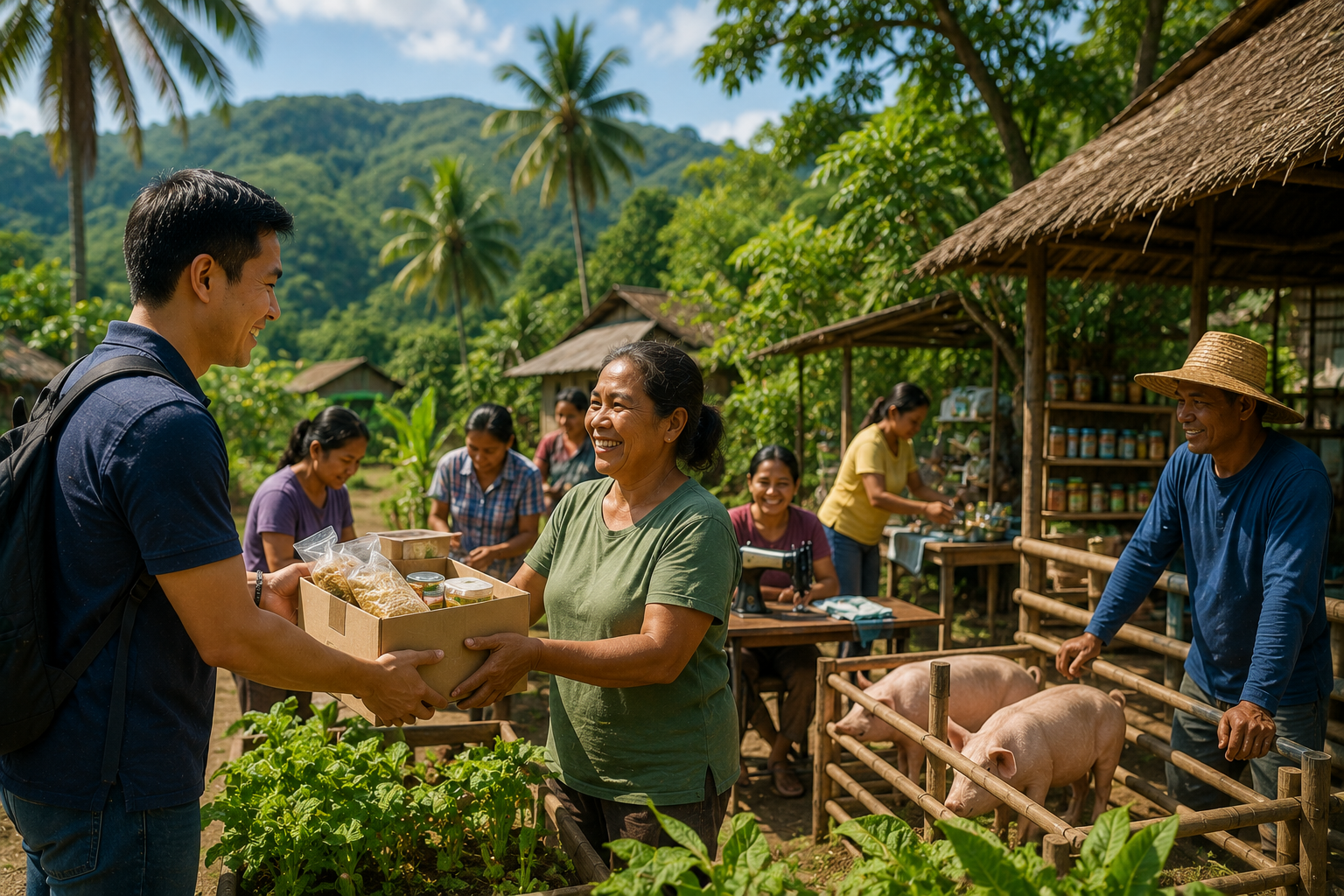
Community leaders note that livelihood projects are particularly important in rural areas where employment opportunities may be limited. Many provinces depend heavily on agriculture, fisheries, handicrafts, tourism, and small-scale enterprises as sources of income. While these sectors provide important economic opportunities, communities often face challenges related to access to capital, technology, training, and markets. OFW-supported initiatives help address some of these challenges by providing resources and investments that allow local enterprises to grow and become more sustainable.
Many OFWs choose to invest in agricultural livelihood projects because farming remains a major source of employment in rural communities. Investments in crop production, livestock raising, organic farming, aquaculture, and agricultural processing create opportunities for families to increase productivity and diversify income sources. Community advocates emphasize that agricultural projects not only provide economic benefits but also contribute to food security and rural development. By supporting farming initiatives, OFWs help strengthen local economies while preserving important agricultural traditions.
Small business development has emerged as another area where overseas Filipinos are making meaningful contributions. Many families use OFW-earned income to establish retail stores, food businesses, transportation services, repair shops, and other community enterprises. These businesses often create employment opportunities for relatives, neighbors, and other community members. As businesses expand, they generate additional economic activity that benefits local suppliers, service providers, and consumers.
Cooperative-based projects have also gained popularity among OFW groups and community organizations. Cooperatives allow members to pool resources, share knowledge, and access opportunities that may be difficult to achieve individually. Many OFW-supported cooperatives focus on agriculture, handicrafts, food production, and local manufacturing. Community leaders note that cooperative models promote collective growth while encouraging participation and shared responsibility among members.
Women have become key beneficiaries of many livelihood initiatives supported by OFWs. Numerous programs focus on empowering women through entrepreneurship training, skills development, financial literacy education, and access to small business opportunities. These initiatives help increase household income while promoting greater economic participation among women in rural communities. Organizers emphasize that empowering women often produces broader social benefits because women frequently reinvest resources into education, healthcare, and family welfare.
Skills development and capacity-building programs are often integrated into livelihood initiatives to ensure long-term sustainability. Community organizations frequently provide training in business management, marketing, financial planning, digital literacy, and technical skills. These educational components help participants develop the knowledge and confidence necessary to manage enterprises successfully. Community leaders believe that combining financial support with education significantly increases the likelihood of long-term success.
The growing role of technology has expanded opportunities for rural entrepreneurs and livelihood programs. Digital platforms, online marketplaces, social media marketing, and mobile payment systems allow small businesses to reach customers beyond their local communities. Many OFWs encourage family members to utilize technology to improve operations, promote products, and access new markets. Technology adoption has become particularly important as rural enterprises seek to compete in increasingly connected economies.
Tourism-related livelihood projects have also attracted support from overseas Filipinos. Communities with cultural attractions, natural destinations, and heritage sites often receive investments aimed at developing tourism services and community-based tourism enterprises. These initiatives create employment opportunities while promoting local culture and environmental conservation. Community advocates note that responsible tourism development can generate economic benefits while preserving cultural and natural resources.
Environmental sustainability has become an important consideration within many livelihood projects. Some OFW-supported initiatives focus on sustainable agriculture, eco-friendly production methods, renewable energy applications, and conservation-based enterprises. These approaches help ensure that economic development occurs alongside environmental stewardship. Organizers believe that sustainable practices are essential for protecting resources that future generations will depend upon.
Community organizations and local governments frequently collaborate with OFW groups to maximize the effectiveness of livelihood programs. These partnerships provide access to technical expertise, training resources, financing opportunities, and implementation support. Stakeholders emphasize that collaborative approaches help ensure that projects are aligned with community needs while improving overall program outcomes. Strong partnerships also increase the likelihood that projects will remain viable over the long term.
Many OFWs view livelihood investments as opportunities to create lasting legacies within their hometowns and provinces. While remittances address immediate family needs, livelihood projects contribute to broader community development by creating opportunities for multiple households. Participants often describe these initiatives as ways to give back to communities that played important roles in their lives before they sought opportunities abroad.
Youth engagement has become an increasingly important aspect of livelihood development programs. Many initiatives encourage young people to participate in entrepreneurship, agriculture, technology adoption, and community leadership activities. Community leaders recognize that providing opportunities for youth is essential for reducing migration pressures while supporting local economic development. Programs designed for young entrepreneurs help cultivate innovation and encourage future community leaders.
The success of many livelihood projects has inspired other overseas Filipinos to become involved in similar initiatives. Stories of thriving businesses, productive farms, successful cooperatives, and empowered communities serve as powerful examples of what can be achieved through collective effort and strategic investment. Community organizations often share these success stories to encourage broader participation and demonstrate the potential impact of community-driven development.
Financial literacy remains a critical component of sustainable livelihood development. Many OFW organizations promote responsible financial management and investment planning among families receiving remittances. Educational programs help families understand how to allocate resources effectively, manage business finances, and plan for long-term goals. Community advocates emphasize that financial literacy strengthens resilience and increases the likelihood of sustainable economic growth.
The cultural value of bayanihan continues to influence many OFW-supported livelihood initiatives. Cooperation, mutual assistance, and community solidarity remain central principles guiding project development and implementation. Participants frequently work together to share resources, solve challenges, and support one another's success. Community leaders believe that this collaborative spirit contributes significantly to the effectiveness and sustainability of development efforts.
Experts note that livelihood programs can also help reduce economic vulnerabilities by diversifying sources of income within rural communities. Families that rely on multiple income streams are often better positioned to withstand economic challenges and unexpected disruptions. By supporting entrepreneurship and local enterprise development, OFWs help strengthen economic resilience while creating opportunities for long-term growth.
Looking ahead, many community organizations anticipate continued expansion of livelihood programs supported by overseas Filipinos. New opportunities related to agribusiness, digital entrepreneurship, renewable energy, sustainable tourism, and community-based enterprises are expected to attract growing interest. Advances in technology and increasing access to educational resources may further enhance the effectiveness of future initiatives.
The continued involvement of OFWs in community development highlights the evolving role of overseas Filipinos in nation-building. While remittances remain essential sources of support for millions of families, investments in livelihood projects demonstrate a broader commitment to creating opportunities and strengthening communities. These efforts reflect a desire not only to support loved ones but also to contribute to the long-term progress of hometowns and provinces throughout the country.
Ultimately, the success of OFW-supported livelihood projects illustrates the transformative power of community-driven development and collective action. Through entrepreneurship, investment, education, and collaboration, overseas Filipinos are helping create pathways toward economic empowerment and sustainable growth for rural communities. Their contributions continue to improve lives, strengthen local economies, and inspire future generations to build prosperous and resilient communities across the Philippines.
As more OFWs invest in initiatives that generate lasting opportunities, their impact will extend far beyond financial assistance alone. Their efforts represent a powerful expression of Filipino resilience, generosity, and commitment to community progress, ensuring that the benefits of hard work abroad continue to create positive change for families and communities back home.
Enjoyed this story?
Share this story