Overseas Filipino Communities Celebrate Unity Through Multicultural Friendship Festivals
Share
June 20, 2026
Updated Oct 16, 2026
7 min read
210 views
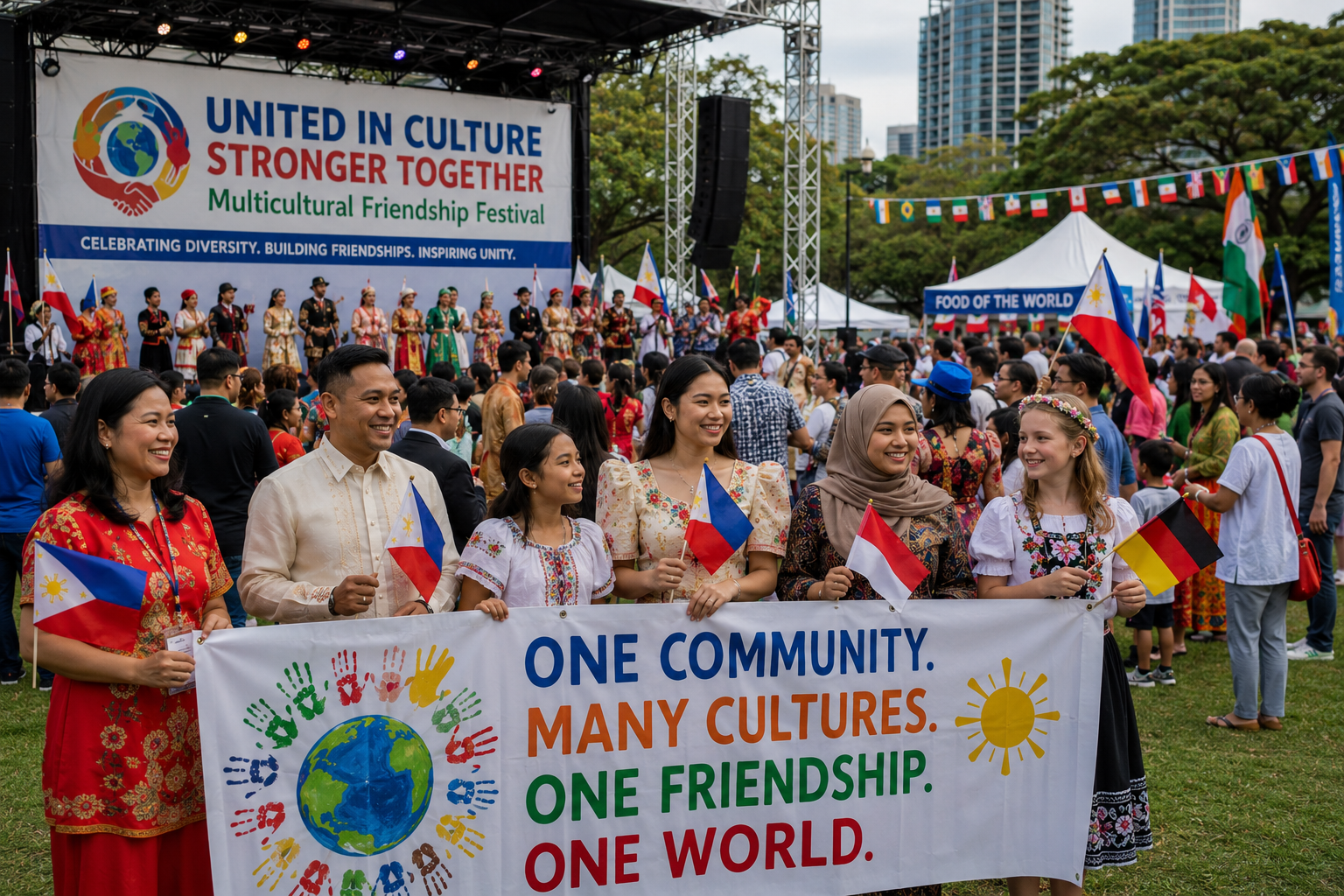
MANILA, Philippines — Overseas Filipino communities across different regions of the world are strengthening cultural connections and promoting international understanding through multicultural friendship festivals that celebrate diversity, cooperation, and community engagement. These growing events bring together people from various cultural backgrounds to share traditions, exchange experiences, and build meaningful relationships through music, dance, food, education, and cultural appreciation. As multicultural societies continue to expand around the globe, Filipino organizations are playing increasingly important roles in creating spaces where unity and friendship can flourish across cultural boundaries.
Community leaders note that multicultural friendship festivals have evolved into some of the most anticipated events within many international Filipino communities. While originally organized as cultural celebrations for Filipino families living abroad, these festivals have grown into inclusive gatherings that welcome participants from numerous ethnic, cultural, and national backgrounds. Organizers view these events as opportunities not only to showcase Filipino heritage but also to foster mutual understanding and respect among diverse communities that share common spaces and experiences.
The growth of multicultural friendship festivals reflects broader trends toward intercultural collaboration and community engagement. In many countries where significant Filipino populations reside, communities are becoming increasingly diverse and interconnected. Filipino organizations have responded by creating programs that encourage cultural dialogue while celebrating the unique traditions that different groups bring to society. Community advocates believe that these efforts contribute positively to social cohesion and strengthen relationships among residents from different cultural backgrounds.
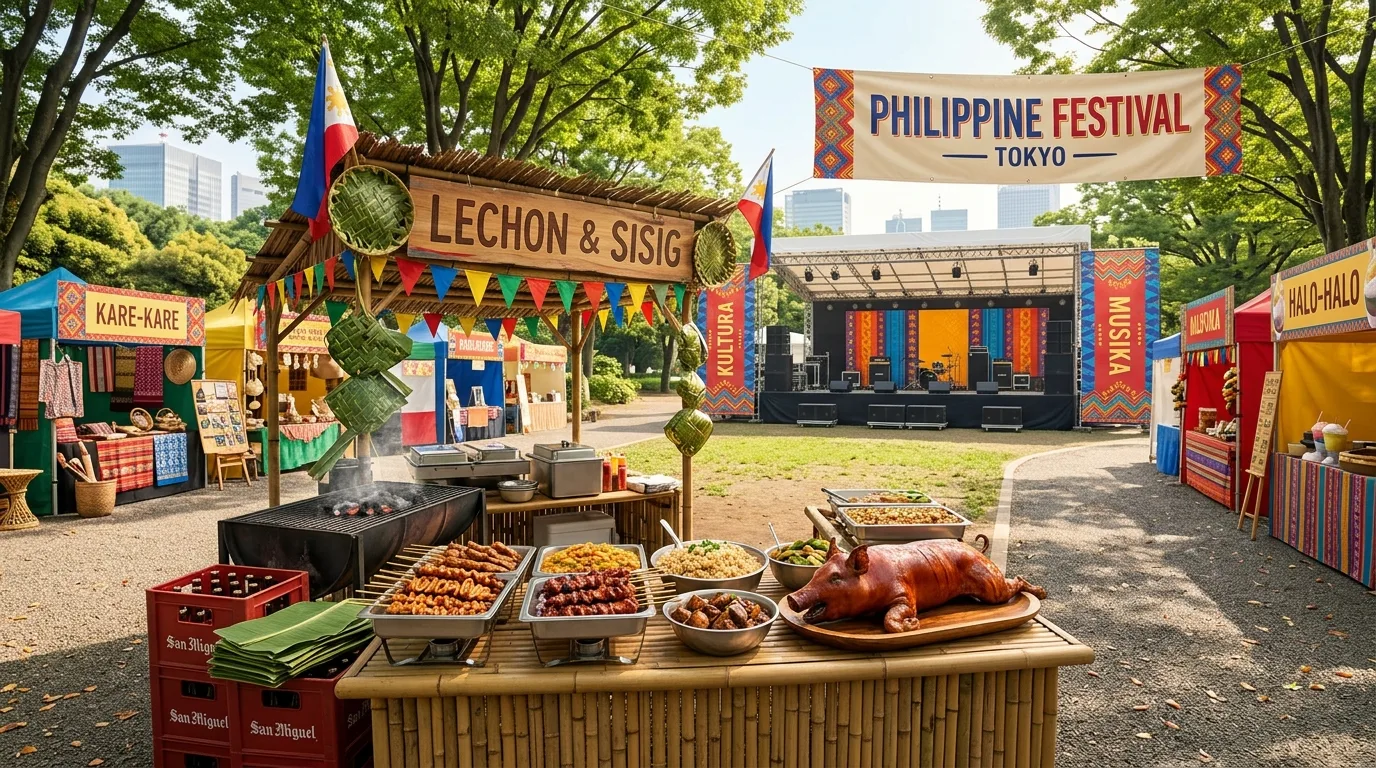
One of the defining features of multicultural friendship festivals is the opportunity for cultural exchange through performance and artistic expression. Events frequently feature traditional music, dance, theater, and artistic presentations representing multiple cultures. Filipino performers often share folk dances, cultural music, and traditional performances alongside artists from other communities. Audiences benefit from experiencing a wide range of cultural traditions within a single event, creating opportunities for learning, appreciation, and engagement.
Filipino cultural performances remain popular highlights at many friendship festivals. Traditional dances such as Tinikling, Singkil, Cariñosa, Pandanggo sa Ilaw, and Maglalatik often attract enthusiastic audiences who appreciate both the artistic beauty and cultural significance of these presentations. Community leaders note that these performances help introduce Filipino traditions to international audiences while fostering pride among Overseas Filipinos who wish to share aspects of their heritage with others.
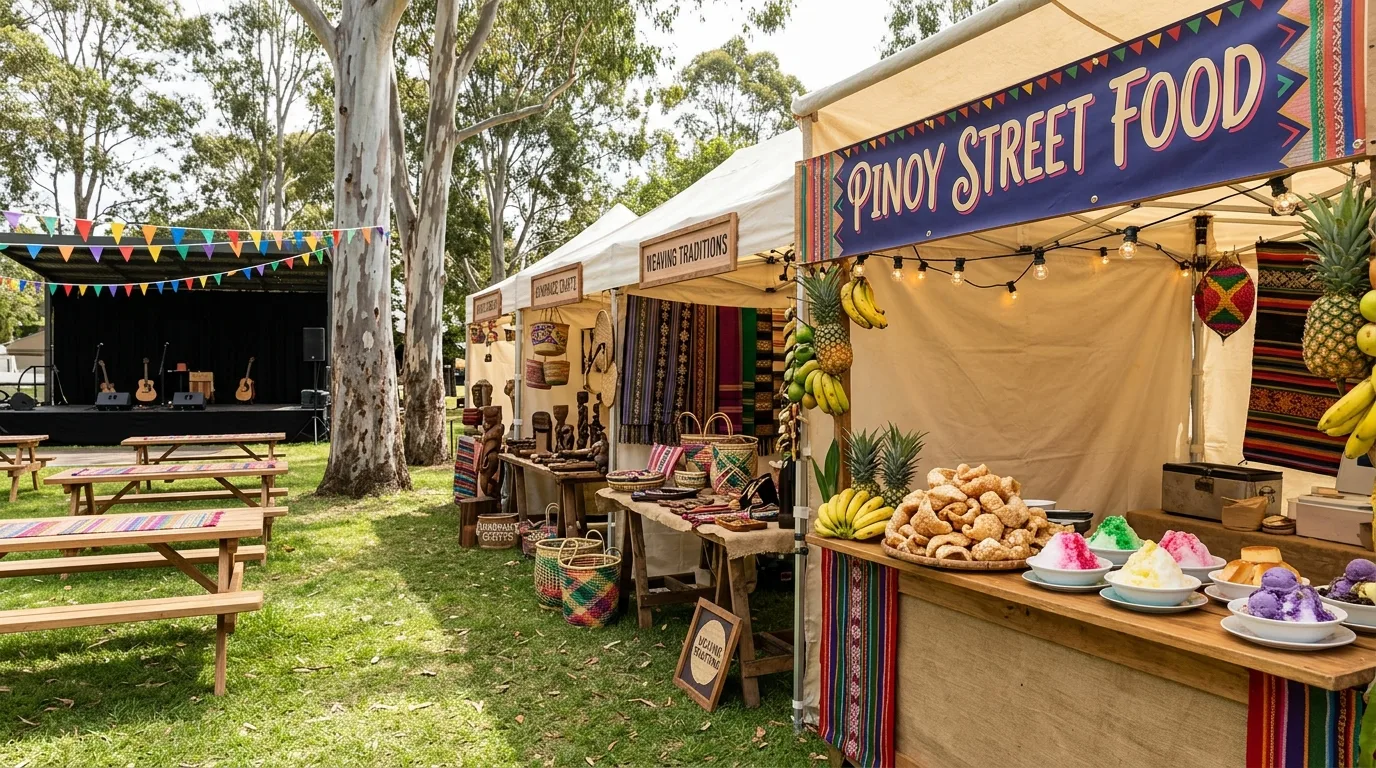
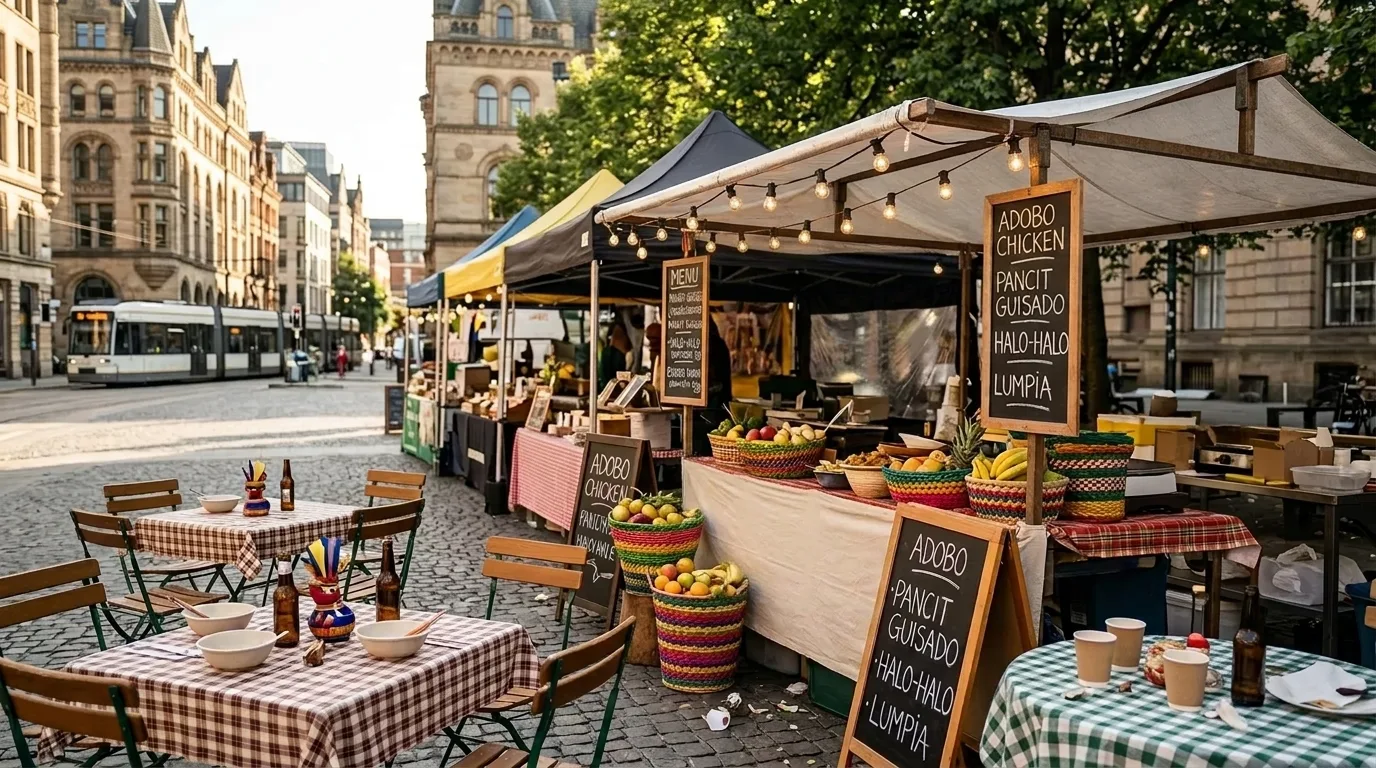
Food plays a particularly important role in building connections during multicultural festivals. Culinary showcases provide opportunities for participants to explore flavors and traditions from different cultures while engaging in informal conversations and cultural exchange. Filipino dishes such as adobo, pancit, lumpia, lechon, halo-halo, and various regional specialties are frequently featured alongside foods representing other communities. Organizers often describe food as a universal language that encourages interaction and helps break down cultural barriers.
Many friendship festivals include educational exhibits and cultural displays designed to provide historical and cultural context for visitors. These exhibits often feature information about traditions, customs, languages, historical milestones, and community contributions. By combining entertainment with education, organizers create experiences that encourage deeper understanding and appreciation of different cultures. Community leaders emphasize that informed cultural engagement contributes significantly to stronger and more respectful relationships among diverse populations.
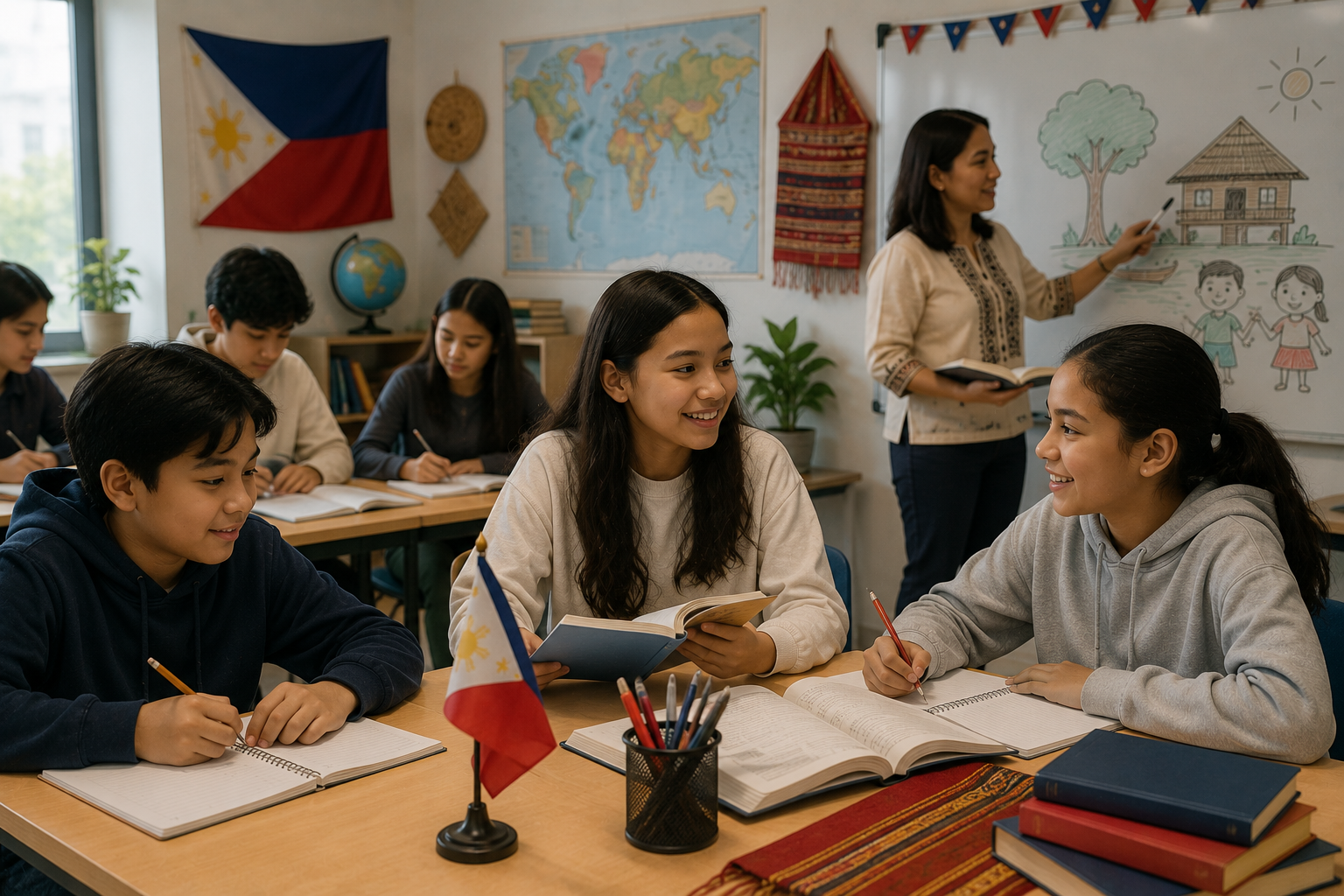
Youth participation has become one of the most important aspects of multicultural friendship festivals. Young people frequently serve as performers, volunteers, event coordinators, and cultural ambassadors who help shape the direction of these initiatives. Their involvement ensures that festivals remain relevant to contemporary audiences while encouraging future generations to value cultural diversity and community engagement. Organizers believe that investing in youth leadership helps sustain the long-term success of multicultural programs.
Many second-generation and third-generation Filipinos living abroad view these festivals as valuable opportunities to connect with both their Filipino heritage and the multicultural environments in which they live. Through participation in cultural events, young people gain greater appreciation for their own traditions while developing respect for the customs and experiences of others. Community advocates note that these experiences help cultivate inclusive perspectives and strengthen cross-cultural understanding.
Technology has significantly expanded the reach and impact of multicultural friendship festivals. Social media campaigns, livestreamed performances, virtual exhibits, and digital storytelling initiatives allow organizers to connect with audiences beyond event venues. These tools also provide opportunities to document cultural experiences and share them with broader audiences around the world. Community leaders report that digital engagement has increased visibility and encouraged participation among individuals who might not otherwise have access to cultural events.
Many festivals incorporate workshops and interactive activities that encourage hands-on participation. Visitors may have opportunities to learn traditional dances, explore cultural crafts, participate in language lessons, or engage in culinary demonstrations. Organizers believe that interactive experiences create more meaningful connections because participants actively engage with traditions rather than simply observing them. These activities often become memorable highlights that inspire continued interest in cultural learning.
The spirit of hospitality frequently associated with Filipino culture plays a significant role in the success of multicultural friendship festivals. Community leaders emphasize creating welcoming environments where visitors feel comfortable exploring different cultures and interacting with diverse groups of people. This atmosphere of openness and inclusivity encourages meaningful conversations and helps foster genuine relationships among participants.
Many multicultural festivals also support charitable and community-focused initiatives. Fundraising campaigns, educational projects, scholarship programs, environmental activities, and community service efforts are often incorporated into event programming. Organizers view these initiatives as extensions of the values of cooperation and collective responsibility that friendship festivals seek to promote. These efforts help ensure that cultural celebrations contribute positively to broader community development goals.
Partnerships with local governments, educational institutions, cultural organizations, and community groups have contributed significantly to the growth of multicultural friendship festivals. Collaborative efforts provide access to resources, venues, expertise, and promotional opportunities that strengthen event quality and expand community reach. Organizers note that partnerships also demonstrate the value of cooperation among organizations representing different cultural backgrounds.
Many participants describe multicultural friendship festivals as opportunities to challenge stereotypes and build greater understanding. Direct interaction with people from different backgrounds often helps individuals move beyond assumptions and develop more nuanced perspectives about cultures and communities. Community leaders believe that these interactions contribute to stronger social relationships and more inclusive communities.
The economic benefits of multicultural festivals have also become increasingly apparent. Local businesses, artisans, food vendors, performers, and entrepreneurs often participate in events, creating opportunities for economic activity and cultural entrepreneurship. Festivals can attract visitors from neighboring communities and regions, generating additional support for local economies while promoting cultural tourism and community engagement.
Filipino organizations frequently serve as important bridge-builders within multicultural environments. Through their experience organizing cultural events and community initiatives, they often help facilitate collaborations that bring diverse groups together around shared goals and interests. Community advocates note that these leadership roles reflect long-standing Filipino values centered on cooperation, respect, and community service.
As multicultural societies continue to evolve, friendship festivals are increasingly recognized as valuable tools for promoting social harmony and intercultural dialogue. Organizers believe that cultural understanding is strengthened when people have opportunities to learn directly from one another through positive and engaging experiences. Festivals create environments where these interactions can occur naturally and meaningfully.
The continued expansion of multicultural friendship festivals reflects growing recognition of the importance of diversity and inclusion in modern communities. Participants often leave events with greater appreciation for cultural differences as well as recognition of shared values and experiences that unite people across backgrounds. Community leaders view this outcome as one of the most important measures of success for friendship-focused initiatives.
Looking ahead, organizers anticipate further growth in multicultural festival programming through expanded educational offerings, youth leadership initiatives, digital engagement strategies, and international collaborations. Many communities are exploring innovative ways to strengthen cultural exchange while ensuring that festivals remain accessible, inclusive, and relevant to changing audiences.
Ultimately, the success of multicultural friendship festivals demonstrates the power of culture to bring people together. Through music, dance, food, education, art, and community participation, Overseas Filipino communities are helping create spaces where diversity is celebrated and meaningful connections are formed. These festivals serve as reminders that cultural differences can be sources of learning, inspiration, and friendship rather than division.
As Filipino communities continue to contribute to multicultural societies around the world, their leadership in organizing friendship festivals highlights the enduring importance of cooperation, respect, and community spirit. By bringing people together to celebrate both shared values and unique traditions, these events help build stronger, more inclusive communities while demonstrating the positive impact of cultural exchange in an increasingly interconnected world.
Enjoyed this story?
Share this story