Overseas Filipino Communities Organize Charity Events Supporting Education in the Philippines
Share
June 16, 2026
Updated Oct 15, 2026
8 min read
195 views
MANILA, Philippines — Overseas Filipino communities around the world are continuing to strengthen their commitment to education by organizing charity events and fundraising initiatives that provide meaningful support to students, schools, and educational institutions across the Philippines. Through scholarship programs, donation drives, educational outreach activities, technology assistance projects, and community partnerships, Filipinos living abroad are helping create opportunities that contribute to learning, personal development, and long-term community progress.
For decades, Overseas Filipinos have played a significant role in supporting families and communities through financial contributions and community development initiatives. Beyond remittances, many overseas Filipino organizations have increasingly focused on education as a key area where collective action can create lasting positive impact. Community leaders often describe education as one of the most valuable investments that can be made because it empowers individuals, strengthens communities, and contributes to future economic and social development.
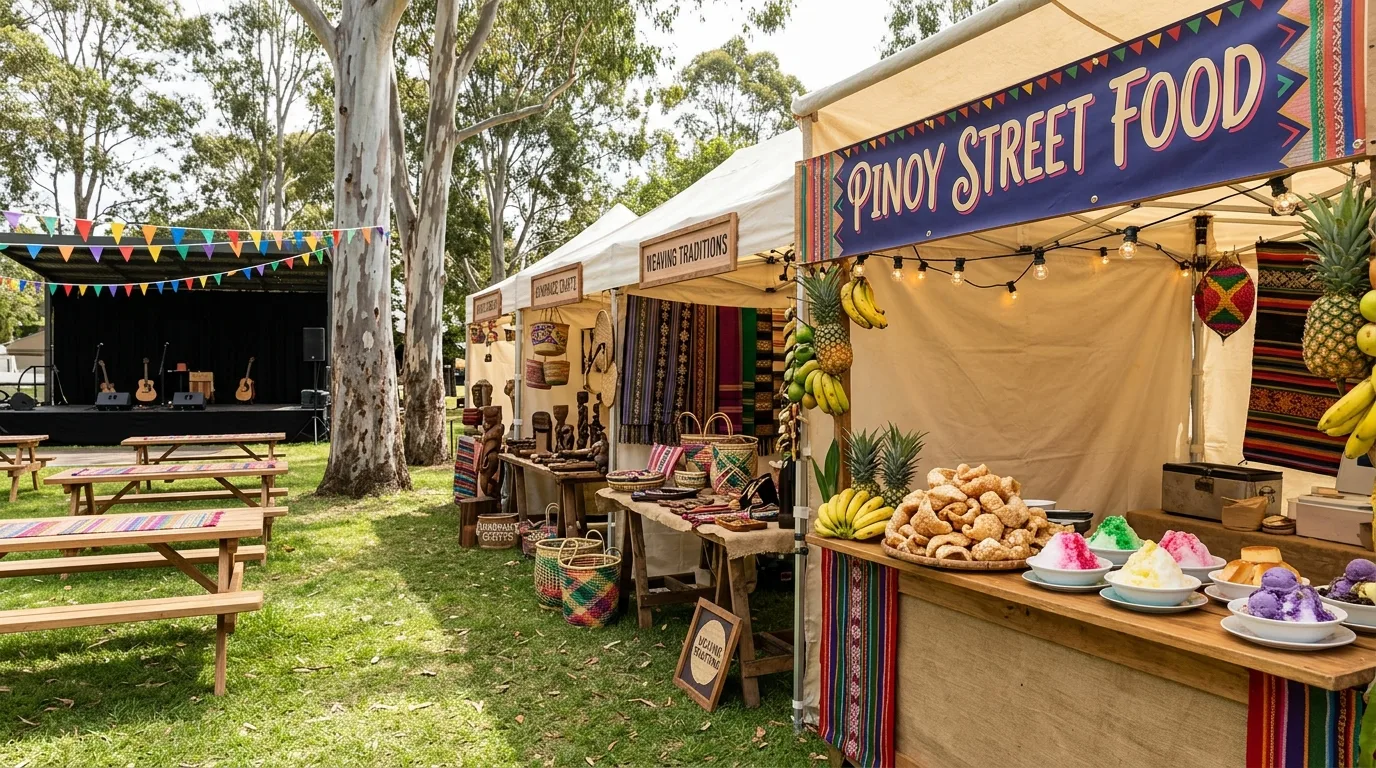
Across North America, Europe, Asia, Australia, the Middle East, and other regions with active Filipino communities, charity events dedicated to educational causes have become increasingly common. These activities take many forms, including fundraising dinners, cultural festivals, charity concerts, sports tournaments, online campaigns, auctions, community fairs, and volunteer-led initiatives. While the formats vary, the common goal remains the same: providing educational opportunities and resources for students who may benefit from additional support.
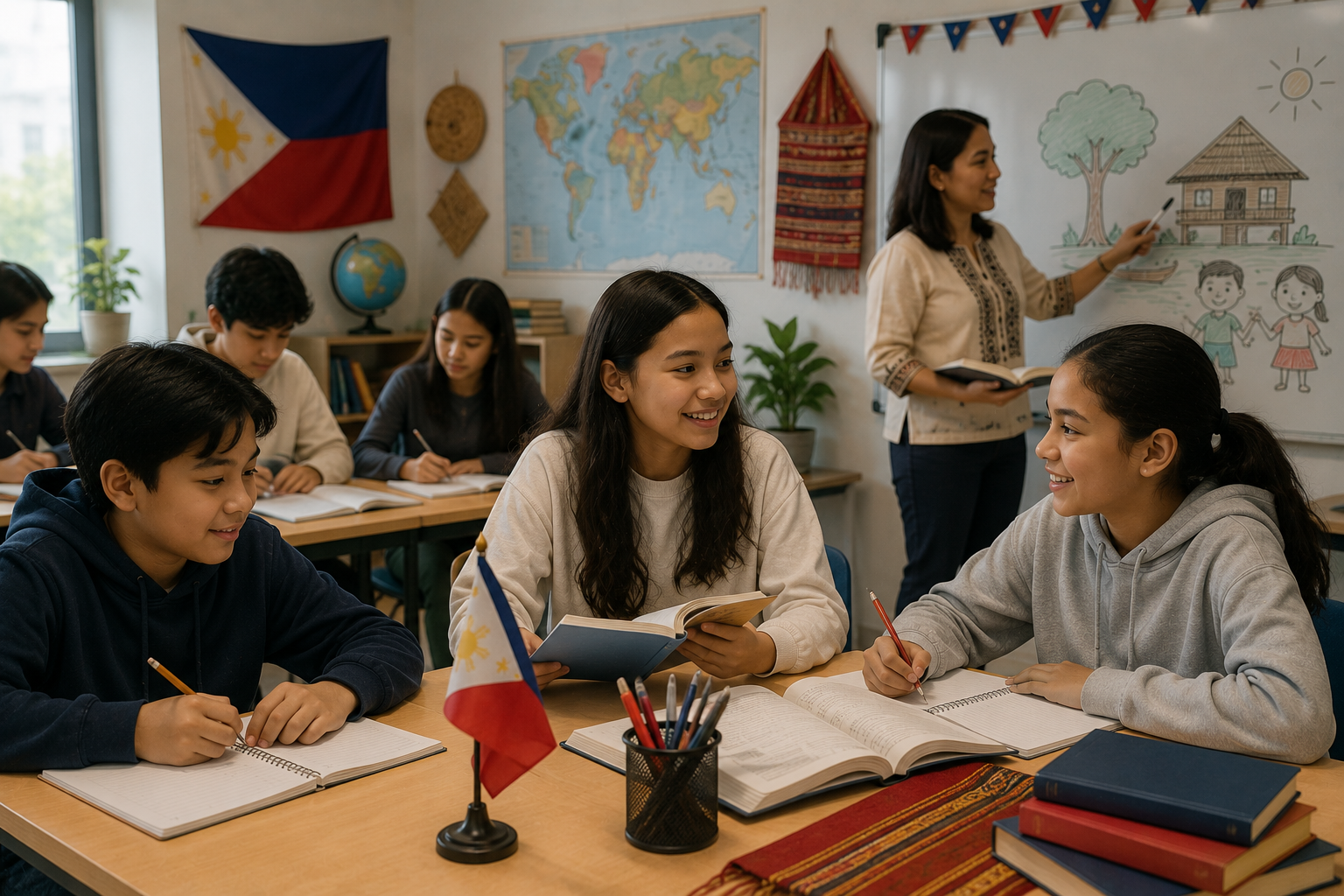
Many of these initiatives focus on scholarship programs designed to assist students in completing their education. Community organizations often identify deserving students who demonstrate academic potential but face financial challenges that may affect their ability to continue their studies. Scholarship assistance can help cover tuition fees, educational materials, transportation costs, and other expenses associated with learning. Organizers emphasize that scholarships not only support individual students but also contribute to the development of future professionals, leaders, and community contributors.
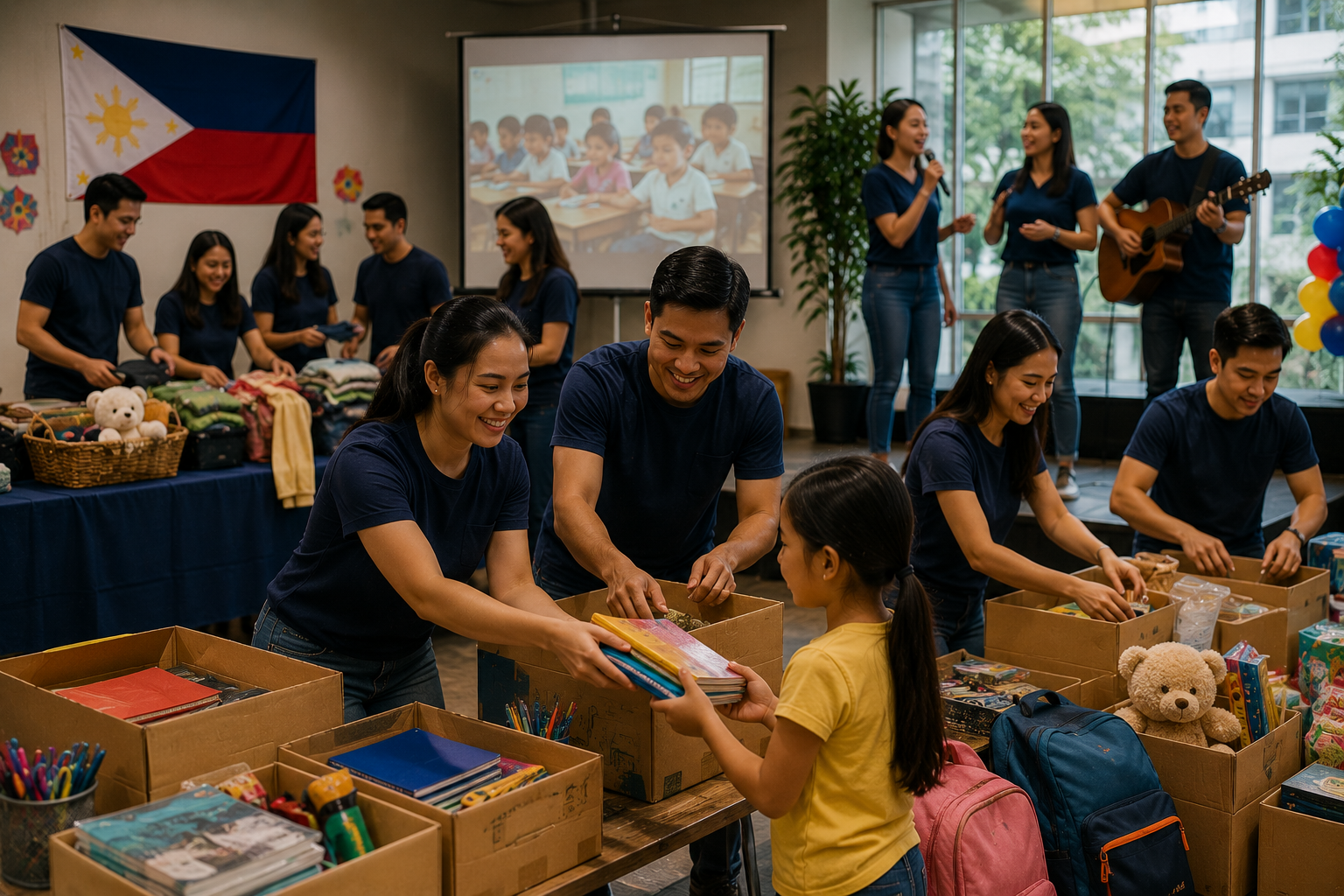
School supply donation drives remain among the most popular educational charity initiatives organized by overseas Filipino communities. Volunteers collect notebooks, pens, backpacks, books, learning materials, and other essential supplies that are distributed to schools and students throughout the Philippines. These efforts help reduce financial burdens on families while ensuring that learners have access to basic educational resources necessary for academic success. Community leaders note that even modest contributions can make meaningful differences in the learning experiences of students.
Technology-focused educational projects have become increasingly important as digital learning continues to expand. Many overseas Filipino organizations now support programs that provide computers, tablets, internet connectivity solutions, digital learning resources, and technology training opportunities for schools and communities. Organizers recognize that access to technology has become an essential component of modern education and are working to help bridge digital gaps that may affect students in underserved areas.
The involvement of Filipino professionals abroad has strengthened the impact of many educational initiatives. Teachers, engineers, healthcare workers, technology specialists, business leaders, and other professionals frequently contribute expertise, mentorship, and resources that support learning programs. Their participation helps expand educational opportunities while providing students with access to knowledge and experiences that can inspire future career aspirations. Community advocates emphasize that mentorship can be just as valuable as financial support in helping young people achieve their goals.
Charity events often serve additional purposes beyond fundraising. They provide opportunities for overseas Filipino communities to strengthen social connections, celebrate cultural identity, and engage younger generations in meaningful service activities. Cultural performances, educational exhibits, and community gatherings frequently accompany fundraising efforts, creating environments where participants can learn about both Filipino heritage and the importance of supporting educational development. Organizers believe that combining cultural engagement with charitable action helps foster stronger community involvement.
The spirit of bayanihan remains central to many of these initiatives. Community members frequently volunteer their time, talents, and resources to ensure the success of educational fundraising projects. This collective effort reflects traditional Filipino values of cooperation, generosity, and mutual assistance. Organizers often describe educational charity work as a modern expression of bayanihan, where communities come together to address shared goals and create positive change for future generations.
Many overseas Filipino organizations collaborate with schools, local governments, nonprofit groups, and educational institutions to maximize the effectiveness of their programs. These partnerships help identify priority needs, ensure responsible resource distribution, and create opportunities for long-term impact. Stakeholders emphasize that collaborative approaches strengthen accountability while increasing the sustainability of educational support initiatives.
The rise of digital communication platforms has transformed the way charity events are organized and promoted. Social media campaigns, virtual fundraising activities, online donation systems, and digital outreach programs allow organizations to engage supporters across different countries and regions. Technology has made it easier for communities to coordinate efforts, share success stories, and expand participation in educational initiatives. Organizers report that online engagement has significantly increased awareness and support for educational causes.
Many educational charity projects focus on rural and underserved communities where access to resources may be more limited. Schools in remote areas often benefit from donations of educational materials, technology equipment, and infrastructure support. Community leaders recognize that addressing disparities in educational access requires targeted efforts and strategic partnerships that focus on areas where assistance can have the greatest impact.
Libraries, reading programs, and literacy initiatives have also become important areas of support. Overseas Filipino communities frequently contribute books, educational materials, and funding for programs designed to encourage reading and lifelong learning. Literacy advocates emphasize that strong reading skills form the foundation for academic achievement and personal development. Community-supported literacy initiatives help create environments where students can develop confidence and enthusiasm for learning.
Youth participation has become increasingly important within educational charity programs. Young Filipinos living abroad often volunteer in fundraising activities, awareness campaigns, mentorship projects, and community outreach efforts. Their involvement not only strengthens program capacity but also helps cultivate a culture of service and social responsibility among future generations. Community leaders view youth engagement as essential for ensuring the continuity and growth of educational support initiatives.
Educational assistance frequently extends beyond financial aid and material resources. Many organizations provide career guidance, leadership development opportunities, skills training, and motivational programs designed to help students succeed academically and professionally. These holistic approaches recognize that educational success is influenced by multiple factors and that comprehensive support can create stronger long-term outcomes.
The impact of overseas Filipino educational initiatives can often be seen in the success stories of scholarship recipients and program beneficiaries. Many students who receive assistance go on to complete degrees, pursue professional careers, and contribute positively to their communities. These achievements serve as powerful reminders of how community support can transform lives and create opportunities that extend across generations.
Educational charity projects also help strengthen connections between overseas Filipinos and their hometowns, provinces, and communities in the Philippines. Through ongoing engagement with schools and local organizations, many overseas Filipinos maintain meaningful relationships with the places they once called home. Community leaders note that these connections foster a sense of shared responsibility and encourage continued involvement in development initiatives.
Corporate partners, philanthropic organizations, and community sponsors often contribute additional resources that enhance the reach and effectiveness of educational programs. Collaborative funding models allow organizations to support larger projects while creating opportunities for innovation and expansion. Stakeholders recognize that partnerships play an important role in sustaining long-term educational assistance efforts.
The increasing emphasis on education reflects broader aspirations within overseas Filipino communities to contribute meaningfully to national development. While immediate assistance remains important, many organizations view education as a strategic investment that can generate long-lasting benefits for individuals, families, and society. Educational advancement is frequently associated with improved opportunities, stronger communities, and greater social mobility.
Looking ahead, overseas Filipino organizations are expected to continue expanding educational support programs through new initiatives focused on digital learning, STEM education, scholarship development, leadership training, and community-based educational projects. Emerging technologies and stronger global networks are likely to create additional opportunities for collaboration and innovation within educational philanthropy.
Community leaders remain optimistic about the future of education-focused charity work because of the strong commitment demonstrated by Filipinos around the world. As new generations become involved in volunteerism and community service, educational initiatives are expected to remain among the most important areas of collective action and social investment.
Ultimately, the efforts of overseas Filipino communities to support education represent more than charitable contributions alone. They reflect a shared belief in the transformative power of learning and the importance of creating opportunities for future generations. Through scholarships, donations, mentorship, and community engagement, Filipinos abroad continue to invest in the dreams and aspirations of young learners throughout the Philippines.
As educational needs evolve and new challenges emerge, the dedication of overseas Filipino communities serves as an inspiring example of how collective action can create lasting positive change. Guided by the values of bayanihan, generosity, and hope, these initiatives continue to strengthen communities, empower students, and help build a brighter future for the Philippines through the enduring power of education.
Enjoyed this story?
Share this story