Overseas Filipino Communities Strengthen Cultural Preservation Through Digital Platforms
Share
June 11, 2026
Updated Oct 16, 2026
8 min read
274 views
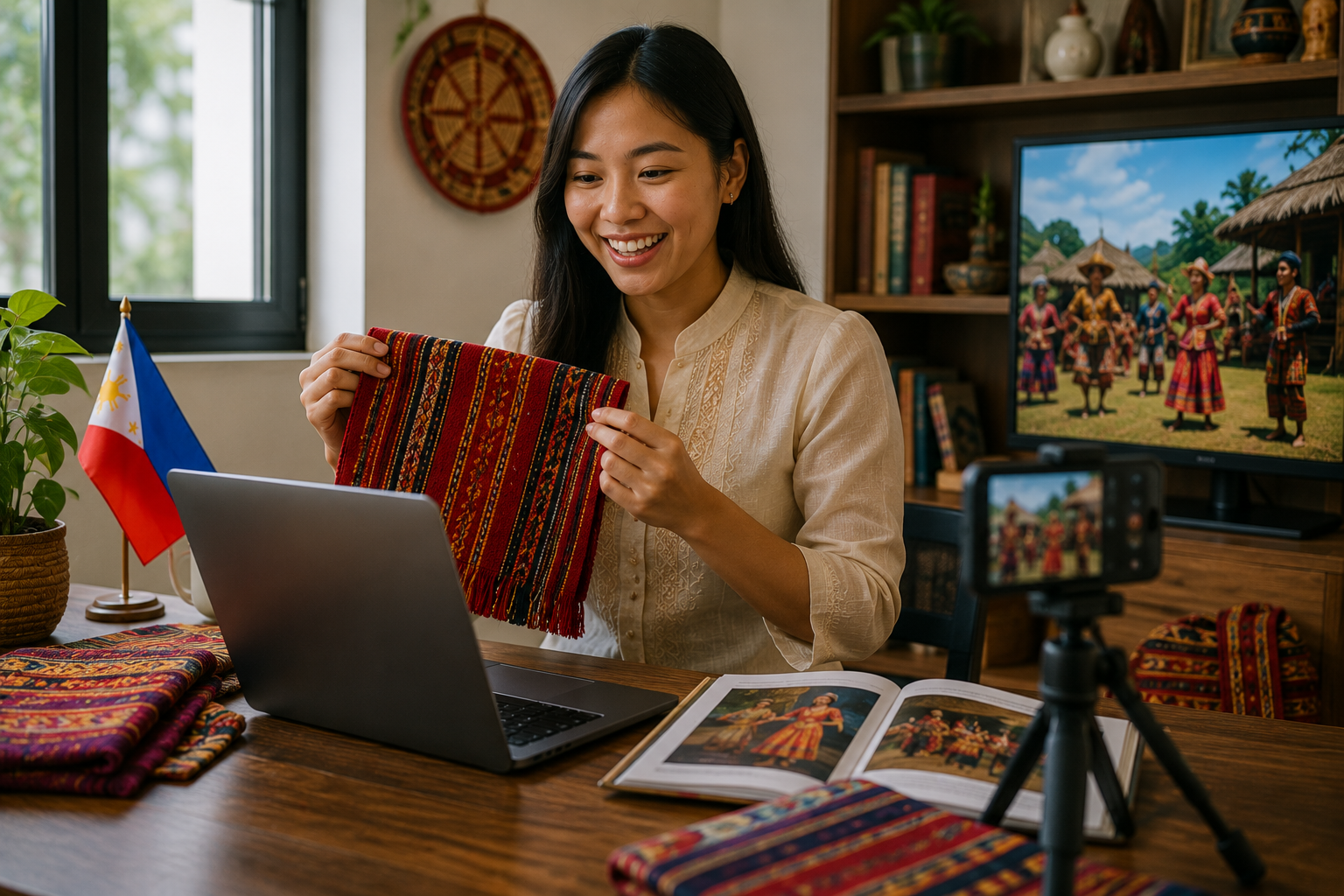
MANILA, Philippines — Overseas Filipino communities are increasingly turning to digital platforms as powerful tools for preserving, promoting, and sharing Philippine culture with future generations and international audiences. Through virtual events, online educational programs, digital archives, social media campaigns, and community-driven content initiatives, Filipinos living abroad are finding innovative ways to maintain cultural connections while adapting to the realities of an increasingly digital world. These efforts are helping ensure that traditions, languages, customs, and cultural knowledge remain accessible and relevant despite geographic distance and changing social environments.
The growth of overseas Filipino communities has created both opportunities and challenges related to cultural preservation. Millions of Filipinos now live and work in countries across North America, Europe, Asia, the Middle East, Australia, and other regions. While these communities continue to maintain strong ties to the Philippines, many leaders recognize the importance of creating sustainable ways to pass cultural knowledge to younger generations who may have limited direct exposure to traditional practices and experiences. Digital technology has emerged as a practical and effective solution for addressing these challenges.
Community organizations note that digital platforms provide unprecedented opportunities for engagement and cultural education. Unlike traditional programs that often require physical attendance, online initiatives allow participants from different countries and time zones to connect and participate in cultural activities regardless of location. This accessibility has expanded the reach of cultural preservation efforts while creating more inclusive opportunities for involvement among diverse members of the global Filipino diaspora.
One of the most significant developments has been the rise of virtual cultural events. Festivals, heritage celebrations, music performances, dance presentations, educational seminars, and cultural workshops are increasingly being conducted through online platforms. These events enable participants to celebrate Filipino traditions while connecting with fellow community members across different regions of the world. Organizers frequently highlight the ability of virtual programs to unite individuals who might otherwise be unable to participate in cultural activities due to distance or logistical constraints.
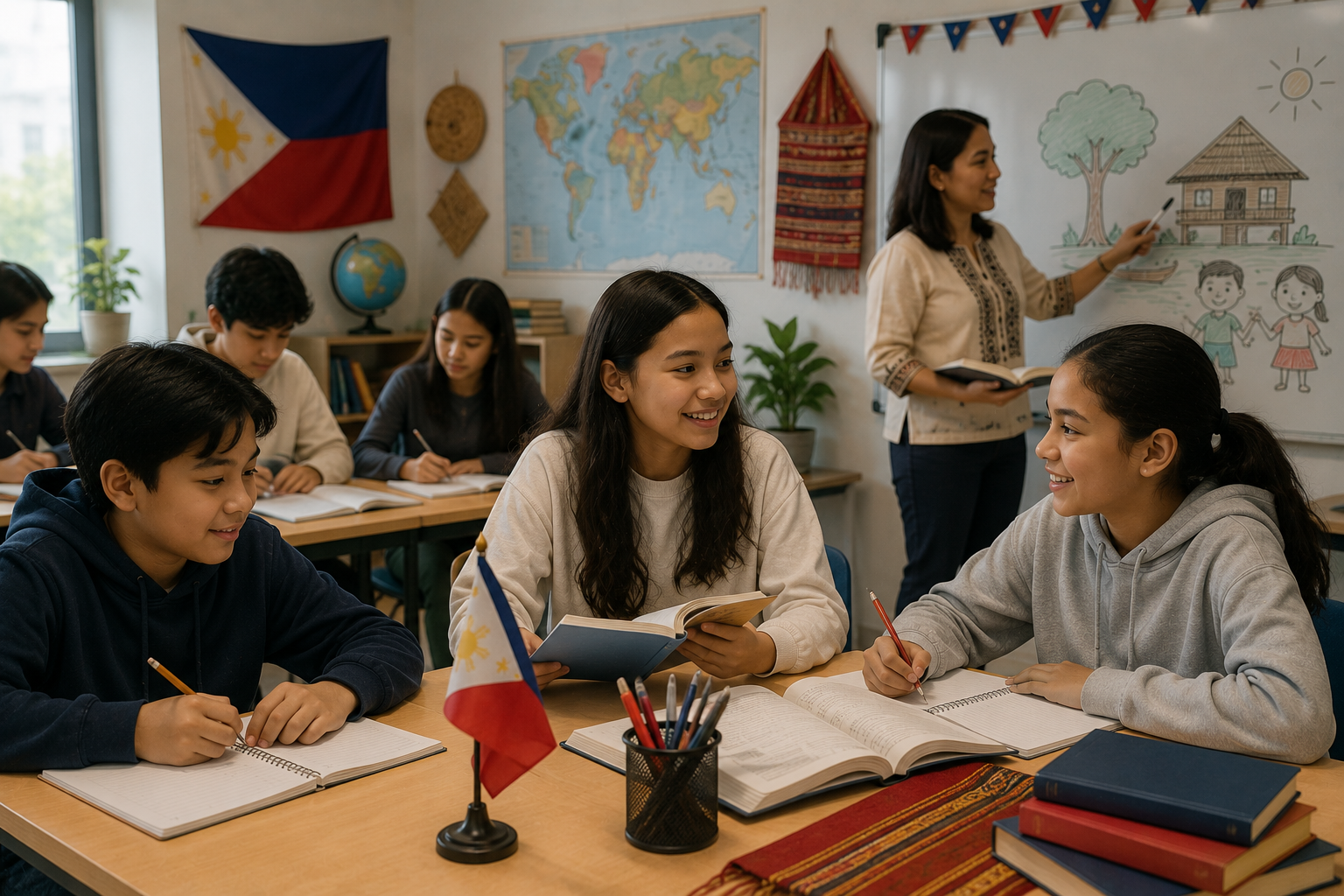
Language preservation has become a major focus of many digital cultural initiatives. Community leaders understand that language plays a critical role in maintaining cultural identity and transmitting knowledge across generations. Online language classes, conversation groups, storytelling sessions, and educational resources are helping participants develop familiarity with Filipino and various regional languages. These programs are particularly valuable for younger generations who may not have regular opportunities to practice or learn ancestral languages within their daily environments.
Digital storytelling projects have also gained popularity among overseas Filipino communities. Families, cultural organizations, educators, and volunteers are creating online archives that document personal histories, migration experiences, family traditions, and community stories. These initiatives help preserve valuable cultural memories while ensuring that future generations have access to firsthand accounts that reflect the experiences and contributions of Filipinos around the world. Community advocates describe storytelling as one of the most effective ways to strengthen cultural identity and intergenerational connections.
Social media platforms have become central tools for cultural promotion and engagement. Filipino organizations use these platforms to share educational content, historical information, cultural trivia, traditional recipes, artistic performances, language lessons, and community updates. Through photos, videos, podcasts, and interactive discussions, social media enables communities to reach broad audiences while encouraging active participation in cultural conversations. Organizers note that digital content often serves as an entry point for individuals seeking to learn more about their heritage.
Many community groups are developing digital archives that preserve cultural resources for future generations. These collections often include historical documents, photographs, recordings, publications, oral histories, and educational materials related to Philippine culture and overseas Filipino experiences. Digital archiving efforts help protect valuable information while making it more accessible to researchers, students, educators, and community members interested in learning about Filipino heritage.
The growing popularity of online learning has further strengthened cultural preservation initiatives. Educational institutions, cultural centers, and community organizations are offering webinars, workshops, and virtual courses covering topics such as Philippine history, traditional arts, literature, music, indigenous cultures, and contemporary social issues. Participants benefit from opportunities to deepen their understanding of cultural heritage while engaging with experts, educators, and cultural practitioners from around the world.
Young Filipinos have emerged as important leaders within many digital cultural preservation efforts. As digital natives, they often possess strong technical skills and familiarity with online communication tools that allow them to create engaging content and innovative programs. Youth-led initiatives frequently incorporate modern storytelling techniques, multimedia production, social media campaigns, and interactive educational experiences that appeal to younger audiences. Community leaders view youth involvement as essential for ensuring that cultural preservation remains relevant and sustainable.
Technology has also enabled greater collaboration among Filipino communities in different countries. Organizations that previously operated independently can now coordinate projects, share resources, and collaborate on events through digital platforms. These partnerships strengthen global Filipino networks while increasing the reach and impact of cultural programs. Community advocates note that digital connectivity has fostered a stronger sense of global community among Filipinos living abroad.
The preservation of traditional arts and cultural practices has benefited significantly from online platforms. Musicians, dancers, artists, craftspeople, and cultural educators can now share demonstrations, tutorials, performances, and educational content with audiences worldwide. These efforts help preserve valuable skills while encouraging new generations to learn and appreciate traditional cultural expressions. Organizers believe that digital access contributes to broader awareness and appreciation of Philippine artistic heritage.
Religious and spiritual traditions have also found new avenues for expression through digital communities. Virtual prayer gatherings, religious celebrations, cultural observances, and faith-based discussions help maintain traditions that play important roles within many Filipino communities. Community leaders note that these activities provide comfort, continuity, and connection for individuals living far from their places of origin.
The use of digital platforms has proven particularly valuable during periods when in-person gatherings are limited or difficult to organize. Community organizations have demonstrated remarkable adaptability by transitioning programs online while continuing to engage participants and preserve cultural traditions. These experiences have highlighted the resilience and creativity of Filipino communities in maintaining cultural connections despite changing circumstances.
Educational experts emphasize that digital cultural preservation initiatives contribute to broader goals related to identity formation, cultural awareness, and community development. Access to cultural resources helps individuals better understand their heritage while fostering confidence and pride in their cultural background. These benefits are especially important for younger generations navigating multicultural environments where maintaining cultural identity can sometimes be challenging.
The influence of digital cultural preservation extends beyond Filipino communities themselves. International audiences increasingly encounter Philippine culture through online content, virtual events, and educational programs. This exposure contributes to greater awareness of Philippine history, traditions, and cultural diversity while promoting cross-cultural understanding and appreciation. Community leaders view digital outreach as an important form of cultural diplomacy that strengthens the global visibility of Filipino heritage.
Many organizations are exploring emerging technologies such as virtual reality, interactive exhibits, digital museums, and artificial intelligence-powered educational tools as potential additions to future cultural programs. These innovations could create even more immersive and engaging experiences while expanding opportunities for learning and participation. Technology experts believe that continued innovation will play a key role in shaping the future of cultural preservation efforts.
As digital platforms continue to evolve, community leaders remain committed to ensuring that technology serves as a tool for strengthening rather than replacing meaningful cultural connections. While digital engagement offers significant advantages, many organizations emphasize the importance of maintaining authenticity, cultural integrity, and community involvement within preservation efforts. Successful programs often combine technological innovation with strong cultural foundations and active participation from community members.
Looking ahead, overseas Filipino communities are expected to continue expanding their use of digital tools to support cultural preservation, education, and engagement. Growing access to technology, increasing digital literacy, and stronger international networks provide favorable conditions for future development. Community organizations remain optimistic that digital platforms will continue helping bridge geographic distances while strengthening cultural identity and heritage awareness.
Ultimately, the growing use of digital platforms by overseas Filipino communities demonstrates how technology can support cultural preservation in meaningful and innovative ways. By embracing digital tools while remaining grounded in tradition, global Filipinos are creating new opportunities to celebrate, document, and share their heritage with future generations.
As communities continue to adapt to an increasingly interconnected world, their efforts highlight the enduring importance of culture, identity, and community. Through digital innovation and collective commitment, overseas Filipinos are ensuring that the richness of Philippine heritage remains vibrant, accessible, and relevant for generations to come while strengthening cultural connections that extend far beyond national borders.
Enjoyed this story?
Share this story