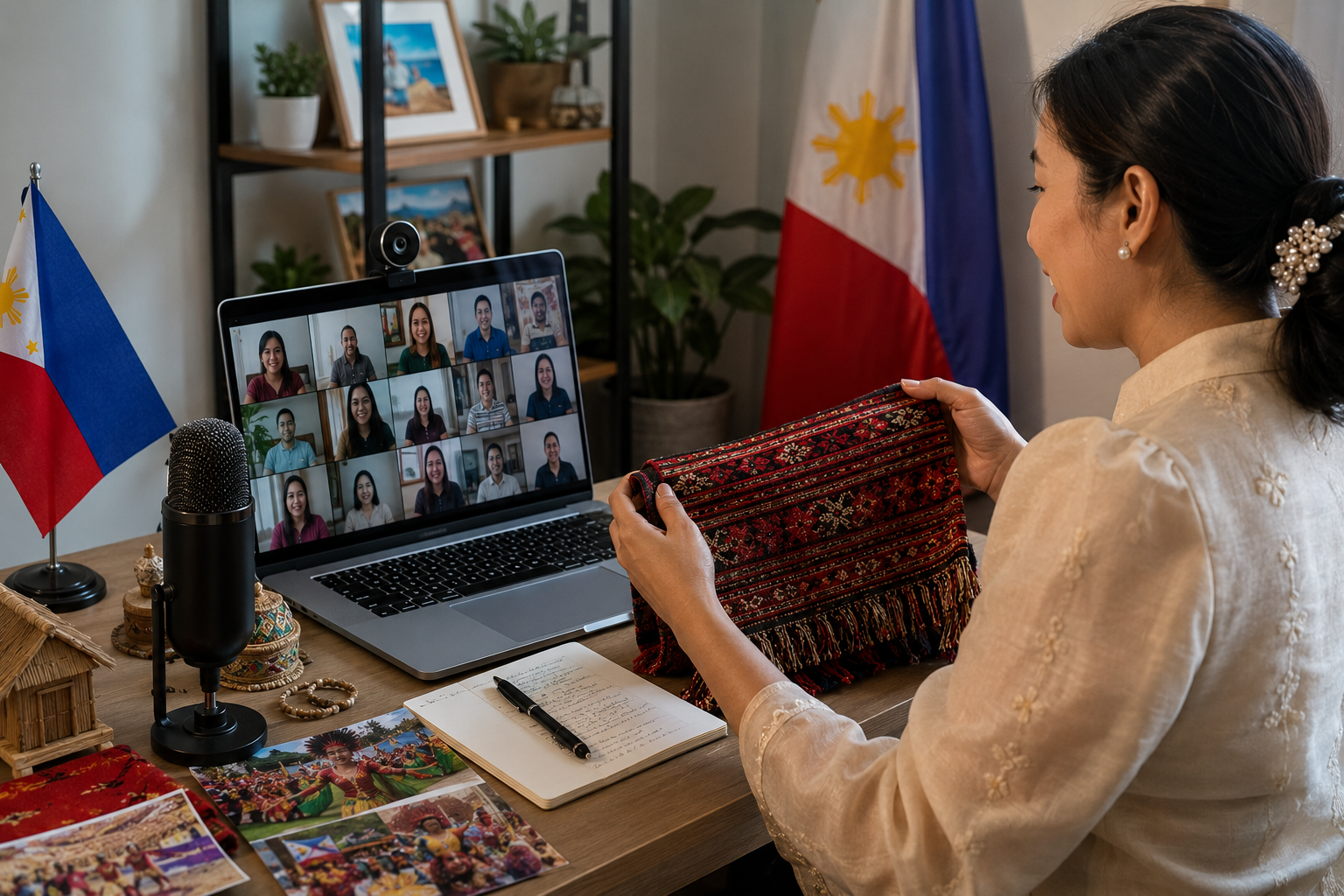
Overseas Filipino Leaders Strengthen Cultural Preservation Through Digital Platforms
Share
June 20, 2026
Updated Oct 15, 2026
8 min read
182 views
MANILA, Philippines — Overseas Filipino leaders are increasingly turning to digital platforms as powerful tools for preserving, promoting, and sharing Philippine culture with communities around the world. Through online heritage programs, virtual cultural events, digital storytelling projects, educational initiatives, and social media campaigns, Filipino organizations abroad are finding innovative ways to ensure that cultural traditions remain relevant, accessible, and meaningful in an increasingly digital and interconnected world.
As millions of Filipinos continue to live, work, and build communities outside the Philippines, cultural preservation has become an important priority for community leaders and cultural advocates. While migration creates opportunities for personal and professional growth, it can also present challenges related to maintaining cultural connections, passing traditions to younger generations, and ensuring that heritage remains visible within multicultural environments. In response, many Filipino organizations have embraced technology as a means of strengthening cultural engagement and preserving important aspects of Philippine identity.
Community leaders note that digital platforms have transformed the way cultural knowledge is shared and preserved. Traditional methods of cultural transmission often relied heavily on in-person gatherings, family interactions, festivals, and community events. While these activities remain important, digital technologies now provide additional opportunities to document traditions, share stories, and connect people across geographic boundaries. Organizers believe that digital tools help complement traditional cultural practices while expanding their reach to broader audiences.
One of the most significant developments has been the rise of digital storytelling initiatives. Filipino organizations and cultural advocates are creating online content that highlights Philippine history, traditions, language, folklore, migration experiences, and community achievements. Through videos, podcasts, blogs, virtual exhibits, and multimedia projects, cultural stories can be shared with audiences around the world. These initiatives help preserve cultural knowledge while making it accessible to younger generations who increasingly engage with content through digital platforms.
Social media has become a particularly influential tool in cultural preservation efforts. Platforms that support video sharing, photography, livestreaming, and interactive engagement allow Filipino communities to showcase traditions in creative and engaging ways. Cultural celebrations, heritage festivals, traditional performances, culinary demonstrations, and historical discussions are frequently shared online, reaching audiences that extend far beyond local community networks. Organizers report that social media has significantly increased awareness of Filipino culture among both Filipinos and non-Filipinos.
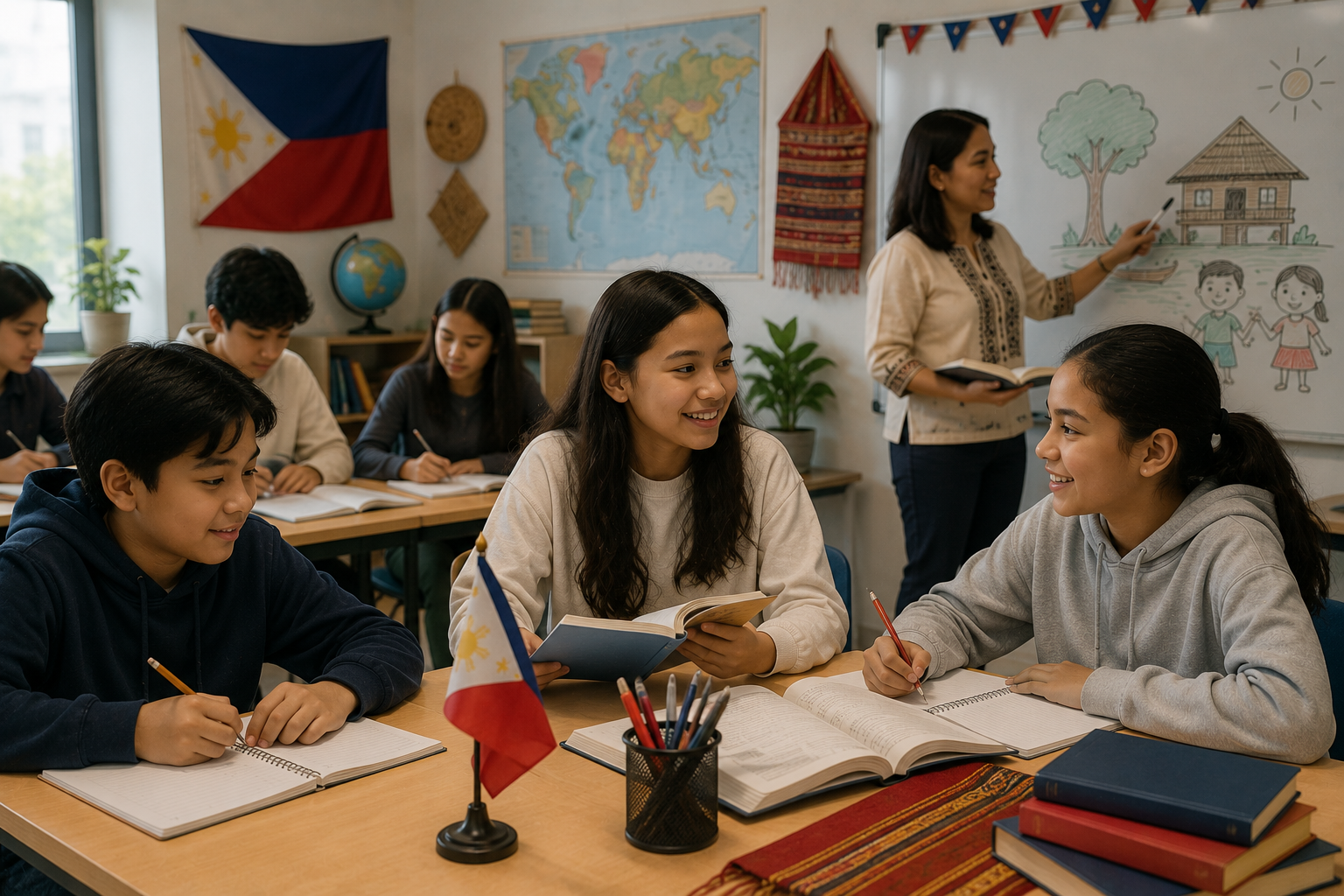
Many Overseas Filipino leaders are using digital platforms to support language preservation initiatives. Language plays a critical role in cultural identity, and maintaining connections to Filipino languages remains an important objective for many communities abroad. Online language lessons, educational videos, digital learning resources, and interactive programs help younger generations develop familiarity with Filipino words, phrases, and cultural expressions. Community leaders emphasize that language preservation contributes to stronger cultural continuity and identity formation.
Virtual cultural events have also become increasingly popular. Online festivals, webinars, workshops, panel discussions, and cultural performances allow participants from different countries to engage with Philippine heritage without geographic limitations. These events create opportunities for learning, collaboration, and cultural exchange while making heritage programming accessible to individuals who may not be able to attend traditional gatherings in person. Organizers view virtual programming as an effective way to strengthen connections among global Filipino communities.
Educational initiatives have benefited greatly from digital transformation. Cultural organizations are developing online courses, educational modules, digital archives, and virtual museums that help preserve and share knowledge about Philippine history and traditions. Students, educators, researchers, and community members can access resources that support cultural learning regardless of location. Community leaders believe that digital education plays a crucial role in ensuring that heritage remains relevant and accessible in modern learning environments.
The involvement of younger generations has been instrumental in the success of digital preservation efforts. Many young Filipinos possess strong digital skills and familiarity with emerging technologies, making them valuable contributors to cultural projects. Youth volunteers frequently assist with content creation, social media management, graphic design, video production, and online community engagement. Their participation helps ensure that cultural content remains engaging and relevant to contemporary audiences.
Second-generation and third-generation Filipinos living abroad often find digital platforms particularly valuable for exploring their heritage. Many individuals who have limited opportunities to experience Philippine culture directly can access stories, traditions, language resources, and community content through online channels. Community advocates note that digital engagement provides important pathways for identity exploration and cultural connection among younger members of the diaspora.
Digital archives have emerged as important tools for cultural preservation. Organizations are increasingly documenting photographs, historical records, oral histories, traditional music, community achievements, and cultural artifacts through online repositories. These archives help safeguard valuable materials while making them accessible to researchers, educators, students, and future generations. Organizers emphasize that digital preservation contributes to long-term cultural sustainability by protecting knowledge that might otherwise be lost over time.
The preservation of traditional arts has also benefited from digital innovation. Artists, musicians, dancers, craftspeople, and cultural practitioners use online platforms to share performances, demonstrations, tutorials, and educational content related to traditional Filipino arts. These initiatives help preserve artistic traditions while introducing them to wider audiences. Cultural leaders believe that digital exposure encourages appreciation and support for traditional art forms while inspiring future practitioners.
Many digital preservation efforts focus on documenting migration experiences and community histories. Oral history projects, documentary videos, and storytelling campaigns capture the experiences of Overseas Filipinos who have contributed to communities around the world. These narratives help preserve important historical perspectives while highlighting the resilience, achievements, and contributions of Filipino communities abroad. Organizers view migration stories as essential components of contemporary Filipino heritage.
Technology has also facilitated collaboration among Filipino organizations located in different countries. Digital communication tools enable cultural groups to coordinate events, share resources, exchange ideas, and collaborate on preservation projects. These partnerships strengthen global Filipino networks while increasing the overall impact of cultural initiatives. Community leaders note that international collaboration has become easier and more effective through digital connectivity.
Many cultural advocates emphasize that digital preservation is not intended to replace traditional cultural experiences. Rather, technology serves as a complementary tool that enhances access and participation. In-person festivals, community gatherings, performances, and family traditions remain central to cultural life, while digital platforms provide additional opportunities for engagement and learning. Organizers believe that combining traditional and digital approaches creates more comprehensive and inclusive preservation strategies.
The growing popularity of digital cultural content has also attracted interest from non-Filipino audiences. People from different cultural backgrounds often encounter Philippine traditions through online videos, virtual exhibits, social media posts, and educational resources. These interactions contribute to intercultural understanding while helping promote Philippine culture on a global scale. Community leaders view international engagement as an important outcome of digital preservation efforts.
Many organizations are exploring emerging technologies such as virtual reality, interactive exhibits, digital mapping, and multimedia storytelling to further enhance cultural experiences. These innovations offer new ways to engage audiences while creating immersive opportunities for learning about Philippine heritage. Organizers remain optimistic about the potential of technology to strengthen cultural preservation in the years ahead.
Challenges remain, including ensuring digital accessibility, maintaining content accuracy, preserving cultural authenticity, and securing resources for long-term projects. However, community leaders believe that the benefits of digital engagement outweigh these challenges. Continued investment in technology, education, and community collaboration is expected to strengthen preservation efforts while expanding opportunities for cultural participation.
The success of digital cultural initiatives reflects the adaptability and resilience of Filipino communities worldwide. By embracing technology while remaining rooted in tradition, Overseas Filipino leaders have demonstrated that cultural preservation can evolve alongside societal and technological change. Their efforts highlight the importance of innovation in ensuring that heritage remains vibrant and relevant for future generations.
Looking ahead, cultural organizations anticipate continued growth in digital preservation projects. Increased participation from youth, stronger international collaborations, expanded educational programming, and advances in technology are expected to create new opportunities for cultural engagement. Community leaders remain committed to developing strategies that preserve heritage while meeting the needs of increasingly digital audiences.
Ultimately, the use of digital platforms for cultural preservation demonstrates how technology can serve as a bridge between generations, communities, and cultures. Through storytelling, education, collaboration, and creative expression, Overseas Filipino leaders are helping ensure that Philippine traditions continue to thrive despite geographic distance and changing social environments.
As Filipino communities around the world continue to embrace digital innovation, their efforts to preserve and promote cultural heritage stand as powerful examples of how technology can support identity, education, and community building. By combining the strengths of tradition and innovation, these initiatives are helping safeguard the richness of Philippine culture while inspiring future generations to celebrate, understand, and share their heritage with the world.
Enjoyed this story?
Share this story