Overseas Filipino Leaders Strengthen Digital Cultural Preservation Initiatives
Share
June 24, 2026
Updated Oct 16, 2026
8 min read
367 views
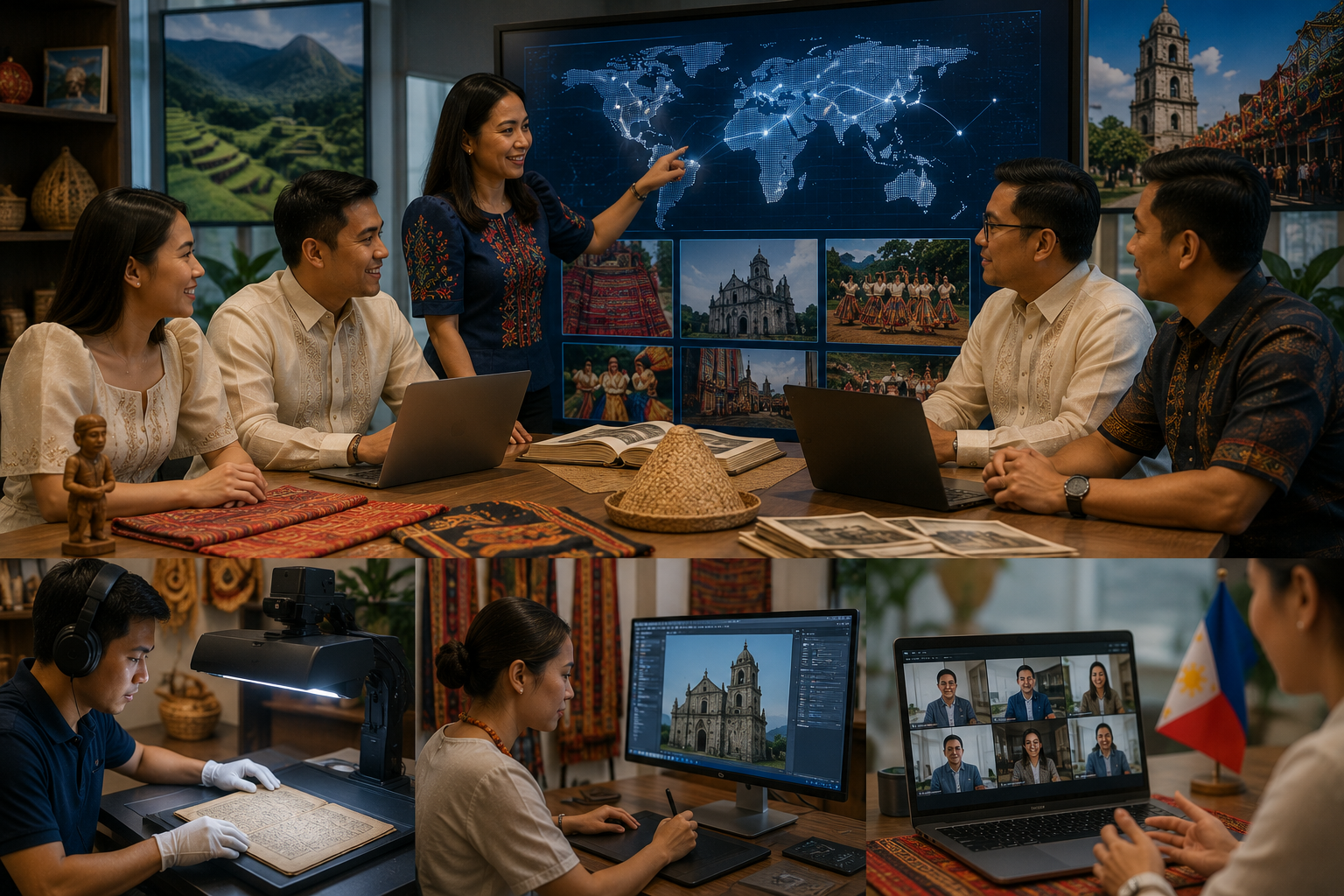
MANILA, Philippines — Overseas Filipino leaders are increasingly embracing digital technology to strengthen cultural preservation efforts and ensure that Philippine heritage remains accessible, relevant, and meaningful for future generations. Across North America, Europe, Asia, Australia, and the Middle East, Filipino organizations, community leaders, educators, cultural advocates, and technology professionals are launching innovative digital initiatives designed to preserve traditions, languages, historical records, artistic expressions, and community stories. These programs are helping bridge geographic distances while creating new opportunities for cultural engagement among Filipinos living around the world.
As global Filipino communities continue to expand, many leaders recognize the growing importance of preserving cultural identity in an increasingly digital and interconnected world. While migration has created opportunities for Filipinos to contribute to societies across the globe, it has also created challenges related to maintaining cultural connections across generations. Community leaders explain that younger Filipinos born or raised outside the Philippines may have fewer opportunities to experience traditional customs, languages, and cultural practices firsthand. Digital preservation initiatives aim to address this challenge by making cultural resources more accessible regardless of location.
Technology has transformed how communities document, share, and preserve cultural heritage. Digital archives, online libraries, virtual museums, educational websites, multimedia platforms, and social media channels now serve as powerful tools for preserving cultural knowledge. Filipino organizations are increasingly utilizing these technologies to collect historical materials, record oral histories, document community experiences, and preserve cultural traditions that might otherwise be difficult to maintain across generations.
One of the primary goals of digital cultural preservation efforts is to safeguard important aspects of Filipino heritage for future generations. Community leaders frequently emphasize that culture is more than historical artifacts or traditional performances. It includes language, values, customs, family traditions, community experiences, artistic expressions, and collective memories that shape the Filipino identity. Digital platforms provide opportunities to capture and organize these elements in ways that make them easier to share and preserve over time.
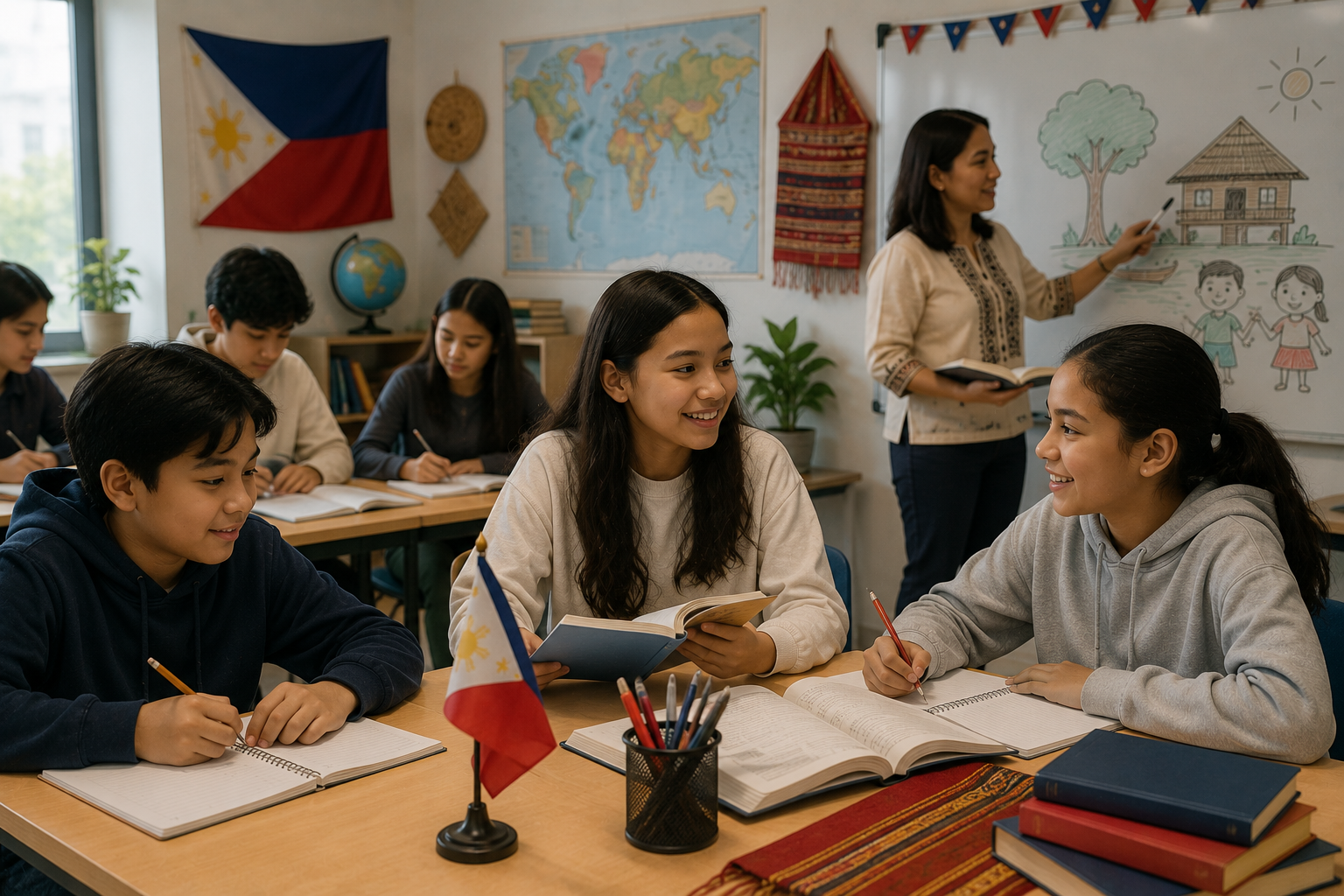
Language preservation has emerged as a major focus of many digital initiatives. Filipino organizations around the world are developing online language-learning resources, digital dictionaries, educational videos, virtual classrooms, and interactive programs designed to help younger generations learn Filipino languages and dialects. Community advocates note that language serves as an important connection to cultural identity and historical understanding. By making language resources available online, organizations hope to encourage continued use and appreciation of Filipino linguistic heritage.
Digital storytelling projects have become increasingly popular among Overseas Filipino communities. These initiatives encourage individuals and families to share personal experiences, migration journeys, cultural traditions, and community histories through written narratives, videos, podcasts, and multimedia presentations. Organizers explain that storytelling allows communities to preserve not only historical facts but also the personal experiences that give meaning and context to cultural heritage. These stories help future generations understand the experiences of those who came before them while strengthening community identity.
Virtual cultural programs have expanded significantly in recent years. Online workshops, heritage seminars, cultural presentations, traditional cooking demonstrations, music performances, dance lessons, and educational webinars allow participants from different countries to engage with Filipino culture regardless of geographic location. Community leaders report that virtual programming has helped increase participation while making cultural education more accessible to broader audiences.
Many digital preservation initiatives focus on documenting traditional arts and cultural practices. Filipino artists, musicians, dancers, craftspeople, and cultural practitioners collaborate with community organizations to create digital records of traditional techniques, performances, and artistic expressions. These resources help preserve knowledge that has historically been transmitted through direct instruction and community participation. Cultural advocates believe digital documentation can complement traditional methods of cultural transmission while ensuring broader accessibility.
Social media has become an important platform for cultural preservation and engagement. Filipino organizations frequently use social media channels to share historical information, cultural trivia, educational content, archival photographs, heritage stories, and community updates. These platforms help reach younger audiences who regularly consume information through digital channels. Community leaders note that social media allows cultural content to become part of everyday interactions rather than remaining limited to formal educational settings.
The participation of younger generations has become a driving force behind many digital preservation projects. Young Filipinos often contribute technological expertise, creative skills, and innovative ideas that help modernize cultural engagement strategies. Community leaders view youth involvement as essential because it ensures that preservation efforts remain relevant and adaptable to changing technologies and communication habits. Young volunteers frequently serve as content creators, digital archivists, website developers, and social media managers for cultural organizations.
Educational institutions are increasingly partnering with Filipino community organizations to support digital cultural preservation efforts. Universities, schools, libraries, and research centers contribute expertise, resources, and academic support that help strengthen preservation initiatives. These partnerships often result in collaborative research projects, digital archives, educational programs, and cultural documentation efforts that benefit both communities and scholars.
Many Overseas Filipino leaders view digital preservation as a form of cultural resilience. As communities navigate changing social, economic, and technological environments, preserving cultural heritage helps maintain continuity and identity. Community advocates emphasize that cultural preservation is not about resisting change but about ensuring that traditions, values, and historical knowledge remain accessible even as societies evolve. Technology provides tools that can help balance preservation with adaptation and innovation.
Virtual museums and digital exhibitions have emerged as effective ways of sharing Philippine culture with international audiences. These platforms allow users to explore historical artifacts, artworks, photographs, cultural exhibits, and educational resources from anywhere in the world. Organizers report that digital exhibitions often attract visitors who may not otherwise have access to physical museums or cultural institutions. This increased accessibility contributes to broader awareness and appreciation of Philippine heritage.
The preservation of community histories has become another important aspect of digital initiatives. Filipino organizations frequently collect photographs, documents, newsletters, event records, and personal testimonies that document the experiences of Filipino communities abroad. These materials provide valuable insights into migration, community development, cultural adaptation, and social contributions. Community leaders emphasize that preserving these histories helps future generations understand the evolution and achievements of Filipino communities worldwide.
Many organizations are also utilizing digital platforms to connect Filipinos living in different countries. Online communities, discussion forums, virtual events, and collaborative projects create opportunities for cultural exchange and relationship-building among geographically dispersed individuals. These connections strengthen global Filipino networks while fostering a sense of shared identity and belonging.
Technology professionals within Filipino communities have played significant roles in developing digital preservation tools and platforms. Their expertise supports the creation of websites, databases, mobile applications, digital archives, and multimedia resources that make cultural content more accessible and engaging. Community leaders often highlight the importance of combining cultural knowledge with technological innovation to maximize the effectiveness of preservation efforts.
The economic and social benefits of digital cultural preservation extend beyond heritage protection. Cultural content can support tourism promotion, educational initiatives, creative industries, and community development efforts. Digital resources often serve as valuable tools for researchers, educators, students, artists, and cultural organizations seeking to learn more about Philippine history and traditions.
Challenges remain, including funding requirements, technological limitations, content management needs, and the ongoing task of ensuring accuracy and authenticity. However, community leaders remain optimistic because of growing support from volunteers, educators, cultural advocates, technology professionals, and partner organizations. Collaborative efforts continue to strengthen the capacity of communities to develop and sustain meaningful preservation initiatives.
International collaboration has further enhanced many digital preservation programs. Filipino organizations frequently partner with museums, universities, cultural institutions, and heritage organizations in different countries to share knowledge, resources, and best practices. These collaborations help improve project quality while expanding access to cultural materials and expertise.
Looking ahead, Overseas Filipino leaders plan to continue investing in digital preservation through expanded archives, interactive educational tools, virtual reality experiences, artificial intelligence-assisted cataloging, and enhanced online learning platforms. Emerging technologies are expected to create new possibilities for cultural engagement while helping preserve heritage in increasingly innovative ways.
Ultimately, the growth of digital cultural preservation initiatives reflects the commitment of Overseas Filipino communities to protecting and celebrating their heritage in the modern era. Through technology, creativity, and collaboration, community leaders are ensuring that Philippine culture remains accessible and meaningful for future generations regardless of where they live.
As digital platforms continue to evolve, Overseas Filipinos are demonstrating that cultural preservation and technological innovation can work hand in hand. Their efforts not only protect valuable traditions and histories but also strengthen cultural identity, foster community connections, and inspire greater appreciation for the rich and diverse heritage of the Filipino people around the world.
Enjoyed this story?
Share this story