Overseas Filipino Organization Expand Scholarship Program for Youth
Share
June 18, 2026
Updated Oct 16, 2026
8 min read
169 views
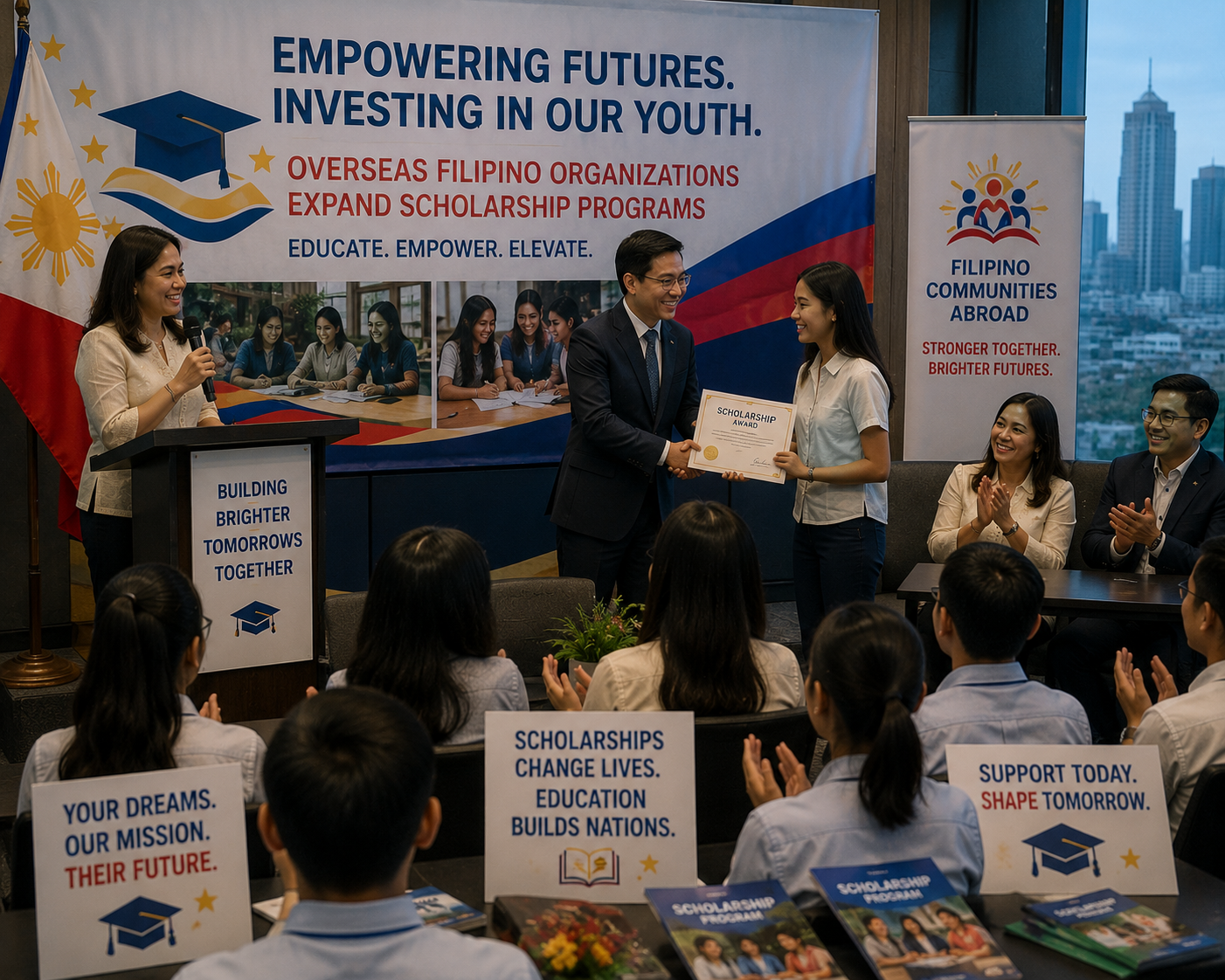
MANILA, Philippines — Overseas Filipino organizations across different parts of the world are expanding scholarship programs designed to provide educational opportunities, financial assistance, and leadership development support for young Filipinos. These initiatives reflect a growing commitment among global Filipino communities to invest in education as a pathway to empowerment, social mobility, and long-term community development.
As millions of Filipinos continue to live and work abroad, many community organizations have recognized the importance of supporting future generations through educational programs that address financial barriers and promote academic achievement. Scholarship initiatives have become one of the most impactful ways for overseas Filipino communities to contribute to youth development, helping students gain access to opportunities that can significantly influence their futures. Community leaders emphasize that education remains one of the most valuable investments that can be made for both individuals and society as a whole.
The expansion of scholarship programs reflects a broader understanding of the challenges many students face in pursuing higher education. Rising educational costs, economic pressures, and limited access to resources can create obstacles for learners and their families. Overseas Filipino organizations have responded by developing scholarship funds and educational assistance programs that provide meaningful support to deserving students. These efforts are often driven by a shared belief that talent and potential should not be limited by financial circumstances.
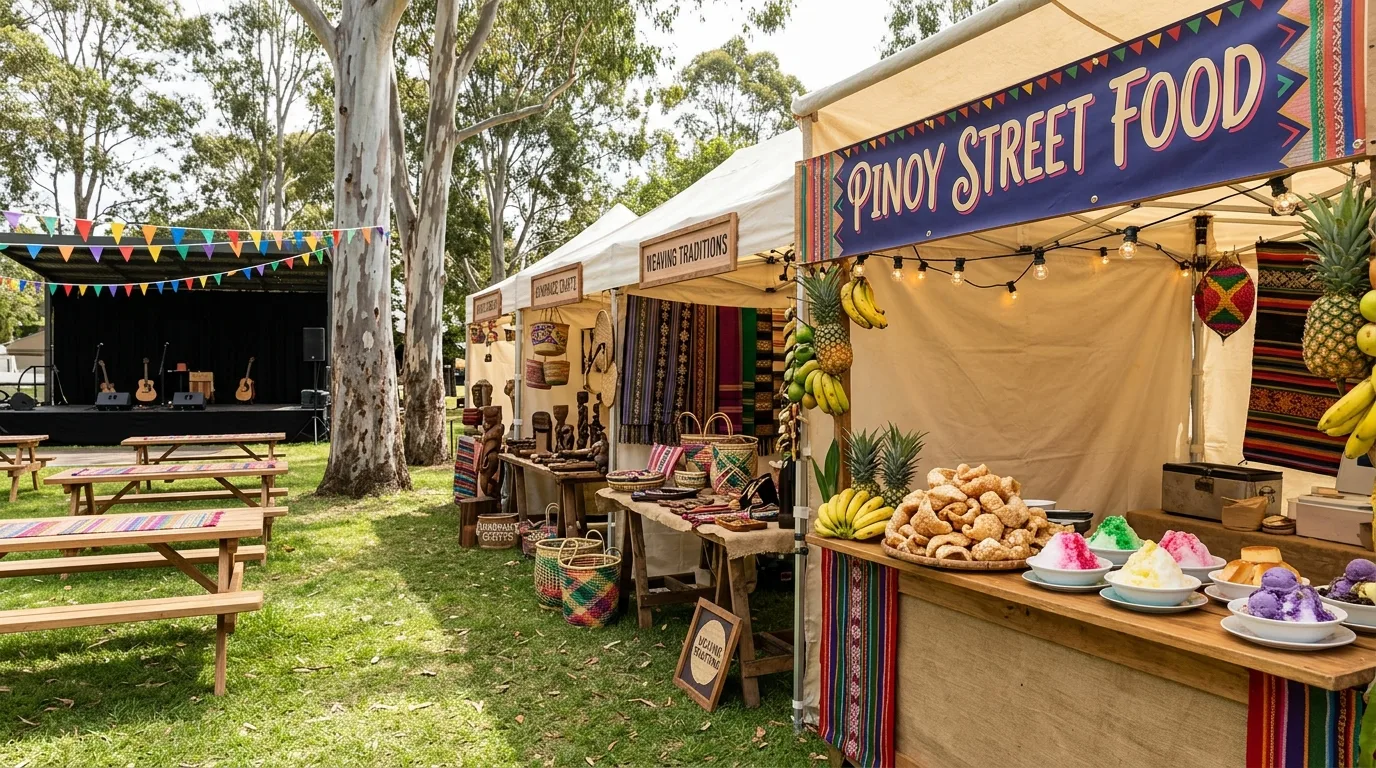
Many scholarship programs are funded through community fundraising events, charitable campaigns, cultural festivals, and donations from Filipino professionals, entrepreneurs, and organizations abroad. Through collective contributions, overseas communities are able to create sustainable funding mechanisms that support students across different educational levels. Organizers frequently describe these initiatives as modern expressions of bayanihan, where communities work together to create opportunities that benefit future generations.
While financial assistance remains a primary component of scholarship programs, many organizations are expanding their efforts to include broader forms of educational support. Mentorship opportunities, leadership training, career development workshops, and personal growth programs are increasingly being integrated into scholarship initiatives. Community leaders recognize that educational success involves more than financial support alone and that students often benefit from guidance, encouragement, and access to professional networks.
Mentorship has emerged as a particularly valuable element of many scholarship programs. Filipino professionals working in fields such as healthcare, engineering, education, technology, business, and public service often volunteer their time to mentor students and young professionals. Through mentorship relationships, students gain insights into career pathways, professional expectations, and personal development strategies. Organizers note that these interactions can have lasting impacts on students' confidence, aspirations, and decision-making.
Many scholarship programs also emphasize leadership development as a core objective. Workshops, seminars, volunteer opportunities, and community engagement activities are designed to help young people develop skills such as communication, critical thinking, teamwork, and civic responsibility. Scholarship providers often view recipients not only as students but also as future leaders who can contribute positively to their communities and professions. This broader approach helps strengthen the long-term impact of educational assistance programs.
Technology has played an important role in expanding access to scholarship opportunities. Digital application systems, online mentoring platforms, virtual training sessions, and social media outreach have made it easier for organizations to connect with students regardless of geographic location. These tools have improved accessibility while allowing programs to reach larger numbers of applicants and participants. Community leaders note that technology has become an essential component of modern educational support initiatives.
Many overseas Filipino organizations are also forming partnerships with schools, universities, nonprofit organizations, and community institutions to strengthen scholarship programs. These collaborations help improve program effectiveness while creating opportunities for additional resources, educational services, and student support mechanisms. Organizers believe that partnerships contribute to greater sustainability and allow scholarship initiatives to have broader reach and impact.
The participation of Filipino professionals abroad has significantly enhanced the quality of scholarship programs. Successful individuals who have built careers overseas often view educational support as a meaningful way to give back to their communities. Many contribute not only financial resources but also expertise, mentorship, internships, and networking opportunities that help students prepare for future careers. Their involvement creates valuable connections between education and professional development.
Scholarship initiatives frequently focus on promoting access to education in fields that are expected to play important roles in future economic and social development. Programs often encourage studies in science, technology, engineering, mathematics, healthcare, education, and other disciplines that contribute to innovation and national progress. At the same time, many organizations continue to support students pursuing careers in the arts, humanities, social sciences, and community development, recognizing the value of diverse educational pathways.
Community leaders note that scholarship programs often generate benefits that extend beyond individual recipients. Educational attainment can contribute to stronger families, more resilient communities, and broader economic development. Students who receive support frequently go on to become professionals, entrepreneurs, educators, and community leaders who create positive impacts within their own communities. These outcomes reinforce the importance of continued investment in educational opportunities.
The expansion of scholarship initiatives has also encouraged greater youth engagement within overseas Filipino communities. Many scholarship recipients participate in volunteer projects, cultural activities, leadership programs, and community events that strengthen their connection to Filipino heritage and community service. Organizers believe that these experiences help cultivate a sense of responsibility and encourage future involvement in community development efforts.
Family support remains an important aspect of many educational assistance programs. Scholarship providers recognize that academic success is often influenced by family circumstances and support systems. Some initiatives include resources for parents and guardians, educational workshops, and family engagement activities that help create environments conducive to learning and personal growth. These efforts contribute to more holistic approaches to student development.
The success stories emerging from scholarship programs continue to inspire donors, volunteers, and community organizations. Many former scholarship recipients have gone on to achieve academic excellence, establish successful careers, and contribute meaningfully to society. Some have even returned to support future scholarship programs, creating cycles of generosity and community investment that strengthen the sustainability of educational initiatives. These stories serve as powerful examples of the transformative impact education can have on individuals and communities.
Overseas Filipino organizations also view scholarship programs as important tools for preserving cultural values and strengthening community identity. Many initiatives incorporate elements of Filipino heritage, community service, and cultural awareness into their programming. Organizers believe that combining educational support with cultural engagement helps foster well-rounded individuals who remain connected to their roots while pursuing opportunities in an increasingly globalized world.
The growing scale of scholarship programs reflects increasing awareness of the importance of education in addressing social and economic challenges. Community leaders emphasize that educational opportunities help empower individuals to pursue their goals, contribute to society, and adapt to changing workforce demands. By supporting students today, scholarship providers are helping build the foundation for stronger and more prosperous communities in the future.
International collaboration has become another important feature of many scholarship initiatives. Organizations from different countries often share best practices, coordinate fundraising efforts, and collaborate on educational programs that benefit students across multiple regions. These partnerships strengthen the global Filipino network while expanding opportunities for learning and development.
Many scholarship programs are now exploring innovative approaches that incorporate digital learning resources, entrepreneurship training, career readiness initiatives, and emerging technologies. These additions reflect efforts to ensure that students are equipped with skills relevant to modern educational and professional environments. Organizers recognize that preparing young people for future opportunities requires continuous adaptation and innovation.
The strong support received by scholarship programs demonstrates the enduring commitment of overseas Filipino communities to education and youth empowerment. Volunteers, donors, mentors, professionals, and community leaders continue to dedicate time and resources to initiatives that create opportunities for students and strengthen educational access. Their collective efforts highlight the important role community action can play in addressing educational challenges.
Looking ahead, overseas Filipino organizations are expected to continue expanding scholarship programs and developing new forms of educational support. Increased collaboration, digital innovation, stronger partnerships, and broader community engagement are likely to contribute to continued growth and impact. Community leaders remain optimistic that these initiatives will help even more students achieve their academic and professional aspirations in the years ahead.
Ultimately, the expansion of scholarship programs by overseas Filipino organizations represents a powerful investment in the future. Through financial assistance, mentorship, leadership development, and community support, these initiatives are helping young Filipinos pursue opportunities that can transform their lives and contribute to broader social progress. They demonstrate the enduring belief that education remains one of the most effective pathways toward empowerment, opportunity, and positive change.
As global Filipino communities continue to grow and strengthen their connections across borders, scholarship programs will remain important expressions of generosity, solidarity, and shared commitment to future generations. By supporting youth today, Overseas Filipinos are helping build a future shaped by knowledge, leadership, innovation, and community responsibility—ensuring that the next generation is prepared to make meaningful contributions both at home and around the world.
Enjoyed this story?
Share this story