Overseas Filipino Organizations Expand Scholarship Programs for Youth
Share
June 09, 2026
Updated Oct 16, 2026
8 min read
304 views
MANILA, Philippines — Overseas Filipino organizations across different parts of the world are expanding scholarship programs aimed at supporting the education and development of young Filipinos, reinforcing a long-standing commitment to community empowerment and future leadership. Through fundraising initiatives, charitable partnerships, mentorship activities, and educational support programs, Filipino communities abroad are helping students gain access to learning opportunities that can improve lives, strengthen families, and contribute to long-term national development.
Education has always held a central place within Filipino culture, with many families viewing it as one of the most important pathways toward personal growth, professional success, and economic stability. Overseas Filipino communities have carried these values with them across borders, often prioritizing initiatives that support students and promote access to quality education. Community leaders note that scholarship programs represent more than financial assistance alone; they symbolize hope, opportunity, and collective investment in the future of younger generations.
The growing number of scholarship initiatives reflects the increasing organization and collaboration among overseas Filipino communities. Across North America, Europe, the Middle East, Asia, and Oceania, Filipino associations, cultural groups, professional organizations, religious communities, and nonprofit institutions are establishing programs designed to support deserving students from various backgrounds. These efforts often focus on helping individuals who demonstrate academic potential, leadership qualities, community involvement, or financial need.
Many scholarship programs provide assistance for tuition fees, school supplies, technology resources, transportation expenses, and other educational costs that can create barriers for students and families. Organizers recognize that even talented and hardworking students may struggle to continue their education due to financial challenges. By reducing these burdens, scholarship programs help create opportunities that might otherwise remain out of reach for many young people.
Community leaders frequently describe education as one of the most sustainable forms of support that organizations can provide. While short-term assistance programs remain important, investments in education often create long-term positive impacts that extend across generations. Students who receive educational support are more likely to pursue careers, contribute to their communities, support their families, and inspire others to pursue similar opportunities. Scholarship initiatives therefore represent investments not only in individuals but also in broader social and economic progress.
The expansion of scholarship programs has also been influenced by the growing success and professional achievements of overseas Filipinos. Many individuals who have established careers abroad remember the sacrifices and challenges that shaped their own educational journeys. Motivated by gratitude and a desire to give back, they actively contribute resources, expertise, and mentorship to programs that support aspiring students. Their involvement helps strengthen connections between global Filipino communities and younger generations in the Philippines.
Technology has significantly transformed how scholarship initiatives are organized and managed. Online fundraising campaigns, virtual interviews, digital application systems, and remote mentorship programs allow organizations to reach wider audiences while streamlining administrative processes. Social media platforms and digital communication tools also help promote scholarship opportunities and encourage broader participation from donors, volunteers, and community partners around the world.
Mentorship has become an increasingly important component of many scholarship programs. Beyond financial support, organizations recognize the value of providing guidance, encouragement, and professional advice to students navigating academic and career pathways. Mentors often include professionals working in healthcare, technology, business, engineering, education, public service, and creative industries who share insights based on real-world experience. Community leaders believe that mentorship strengthens student confidence while helping young people develop skills and networks that support long-term success.
Youth leadership development is another key focus of expanding scholarship initiatives. Many programs encourage recipients to become active contributors within their communities by participating in volunteer activities, leadership training, cultural programs, and social impact projects. Organizers aim to nurture individuals who not only achieve personal success but also demonstrate commitment to helping others and contributing positively to society. These values reflect broader Filipino traditions centered on family, community, and collective responsibility.
Educational support programs are increasingly aligned with evolving workforce demands and economic trends. Scholarship providers are showing growing interest in supporting students pursuing fields such as science, technology, engineering, mathematics, healthcare, education, entrepreneurship, digital innovation, and sustainability. Community leaders recognize that these areas are expected to play important roles in future economic growth and national development. By supporting students in these disciplines, organizations hope to help prepare future professionals who can contribute to a rapidly changing global environment.
The participation of second-generation Filipinos abroad has introduced new perspectives and energy into scholarship initiatives. Many young Filipino professionals who were raised outside the Philippines are becoming actively involved in fundraising, mentorship, program management, and advocacy efforts. Their participation demonstrates how cultural identity and community responsibility continue to remain important across generations. Community organizations view youth involvement as essential for ensuring the sustainability and continued relevance of educational support programs.
Partnerships with schools, universities, nonprofit organizations, and local communities have helped strengthen scholarship initiatives and expand their impact. Collaborations provide access to additional resources, expertise, and support networks that improve program effectiveness. Educational institutions often assist with identifying qualified applicants, monitoring academic progress, and facilitating communication with students and families. These partnerships help ensure that scholarship programs operate efficiently and deliver meaningful outcomes.
Many scholarship programs place strong emphasis on transparency and accountability. Organizers understand the importance of maintaining trust among donors, volunteers, and beneficiaries. Regular reporting, clear selection processes, and ongoing communication help strengthen confidence within communities while encouraging continued participation and support. Community leaders note that trust is essential for sustaining long-term initiatives and fostering strong relationships among stakeholders.
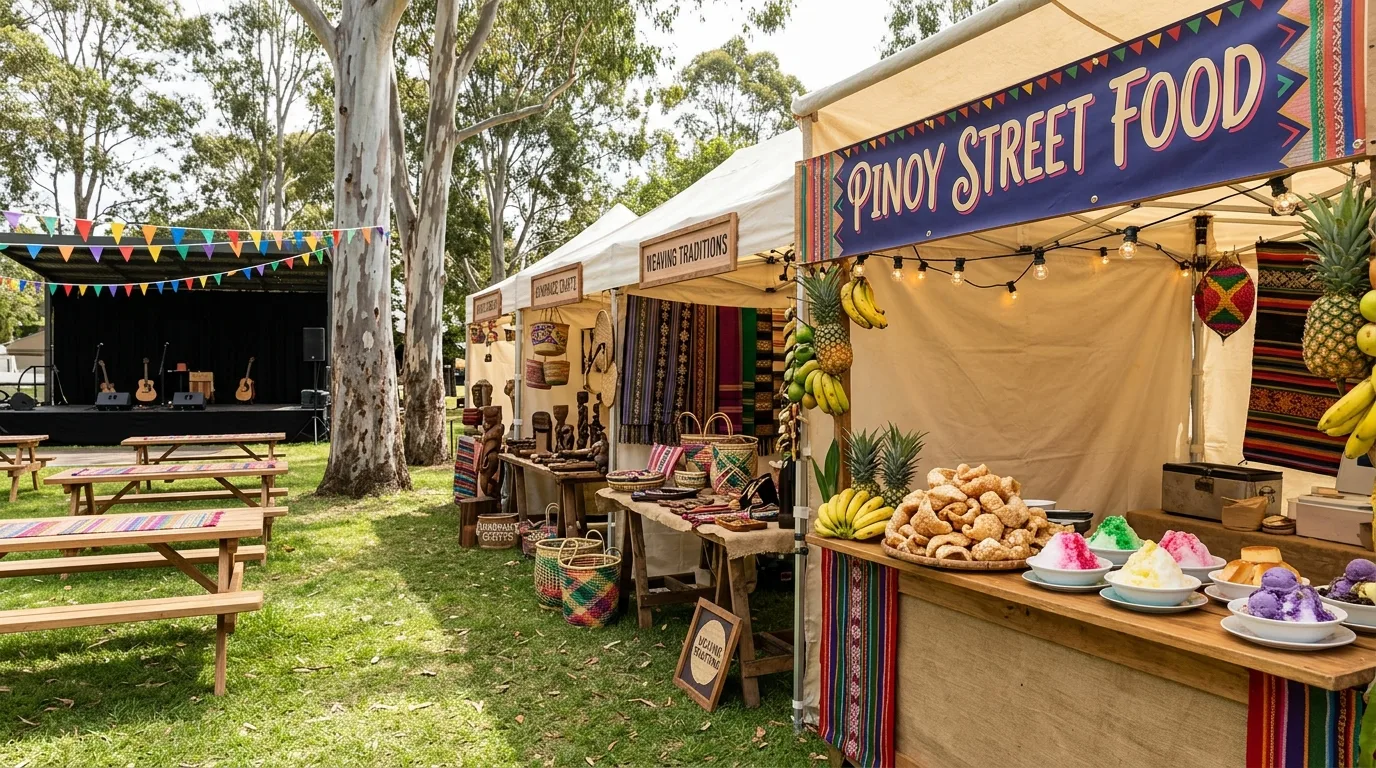
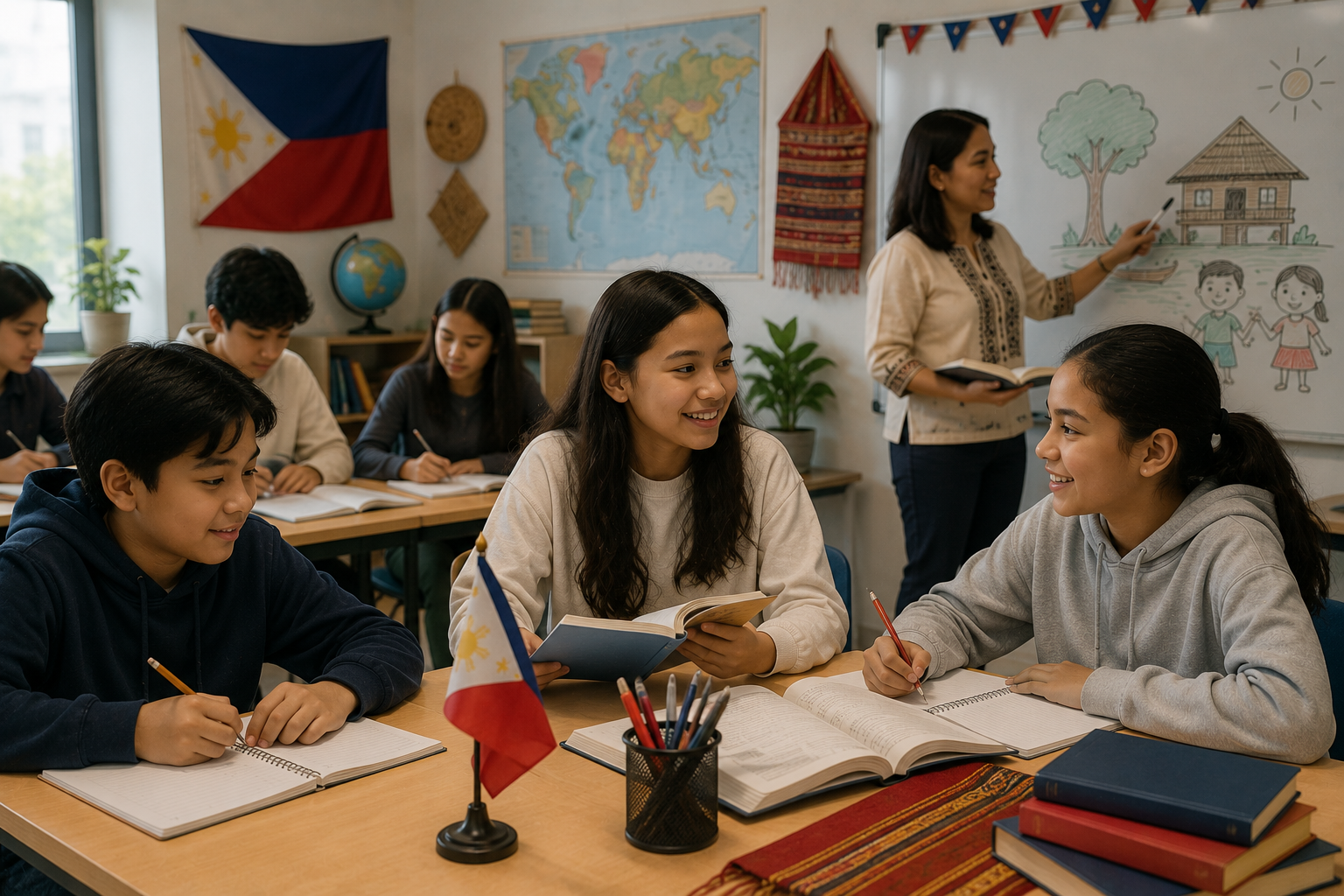
Cultural preservation also plays a role in many overseas Filipino educational programs. Some organizations integrate cultural education, heritage activities, and community engagement into scholarship initiatives to help students remain connected to Filipino traditions and values. Organizers believe that academic achievement and cultural identity can complement one another, creating well-rounded individuals who appreciate both global opportunities and their cultural roots.
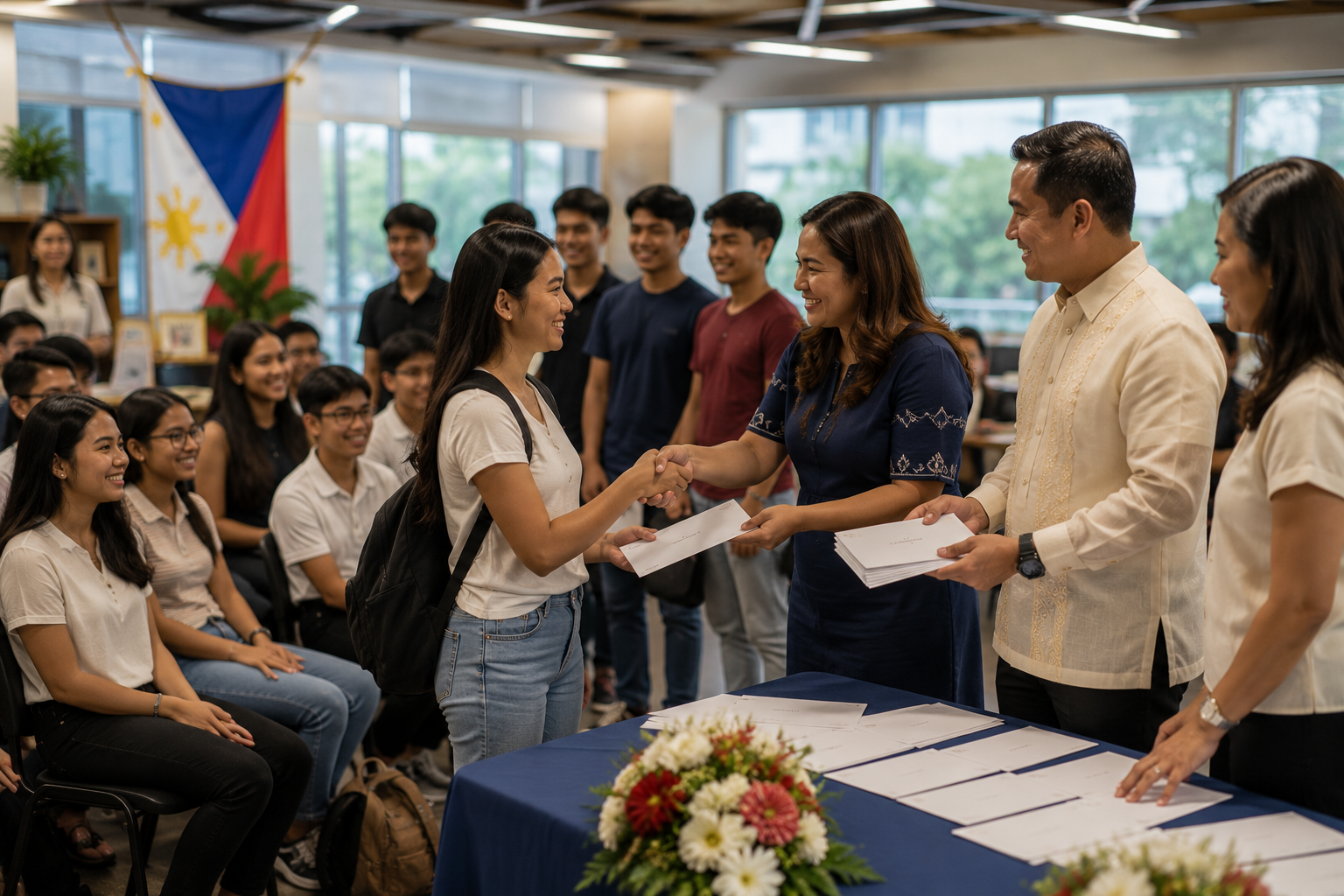
The emotional impact of scholarship support is often significant for recipients and their families. Many students describe scholarships as life-changing opportunities that provide not only financial assistance but also motivation and encouragement. Knowing that communities around the world believe in their potential can inspire students to work harder, pursue ambitious goals, and overcome challenges. Families frequently express gratitude for programs that help create pathways toward brighter futures.
Economic conditions and educational costs continue to present challenges for many students, making scholarship support increasingly valuable. Rising tuition fees, technology requirements, transportation costs, and living expenses can create obstacles that limit educational access. Overseas Filipino organizations recognize these realities and remain committed to finding ways to expand support despite changing circumstances. Their efforts demonstrate strong belief in the transformative power of education.
Volunteerism remains one of the driving forces behind successful scholarship initiatives. Countless community members dedicate time to fundraising, event organization, mentoring, application review, outreach activities, and program coordination. Their contributions reflect the Filipino value of bayanihan and a shared commitment to helping younger generations succeed. Community leaders frequently emphasize that scholarship programs thrive because of collective effort and community cooperation.
The influence of overseas Filipino scholarship initiatives extends beyond individual students. Educational support contributes to stronger communities by encouraging academic achievement, promoting leadership, and creating opportunities for long-term economic advancement. Students who complete their education often go on to support their families, contribute to local economies, and participate in community development efforts. These ripple effects demonstrate how investments in education can generate broad and lasting benefits.
Looking ahead, overseas Filipino organizations are exploring ways to further strengthen and expand scholarship programs. New initiatives focused on digital learning, leadership training, career readiness, mental wellness, and international collaboration are being developed to address evolving educational needs. Community leaders remain optimistic that stronger partnerships, increased participation, and continued generosity will help create even greater opportunities for future students.
As Filipino communities around the world continue to unite in support of education, scholarship programs stand as powerful examples of how collective action can create meaningful change. Through financial assistance, mentorship, volunteerism, and community engagement, overseas Filipino organizations are helping shape future generations of leaders, professionals, and innovators who will contribute to society both locally and globally.
Ultimately, the expansion of scholarship initiatives reflects the enduring belief that education remains one of the most powerful tools for empowerment and progress. By investing in young people, overseas Filipino communities are investing in the future of the Philippines itself. Their efforts demonstrate that no matter where Filipinos may live, the values of generosity, compassion, and bayanihan continue to inspire actions that uplift communities and create opportunities for generations to come.
Enjoyed this story?
Share this story